
Fish swimming at the surface frequently is one of the most common signs of distress in home aquariums. While occasional surface visits are normal—especially for species like bettas or gouramis that possess labyrinth organs—persistent hovering near the top often signals a deeper issue. The most frequent culprit? Low dissolved oxygen levels. However, other factors such as poor water quality, disease, or incorrect tank setup can also cause this behavior. Understanding the underlying causes and responding quickly can mean the difference between a recovering tank and a tragic loss.
Understanding Fish Respiration and Oxygen Needs
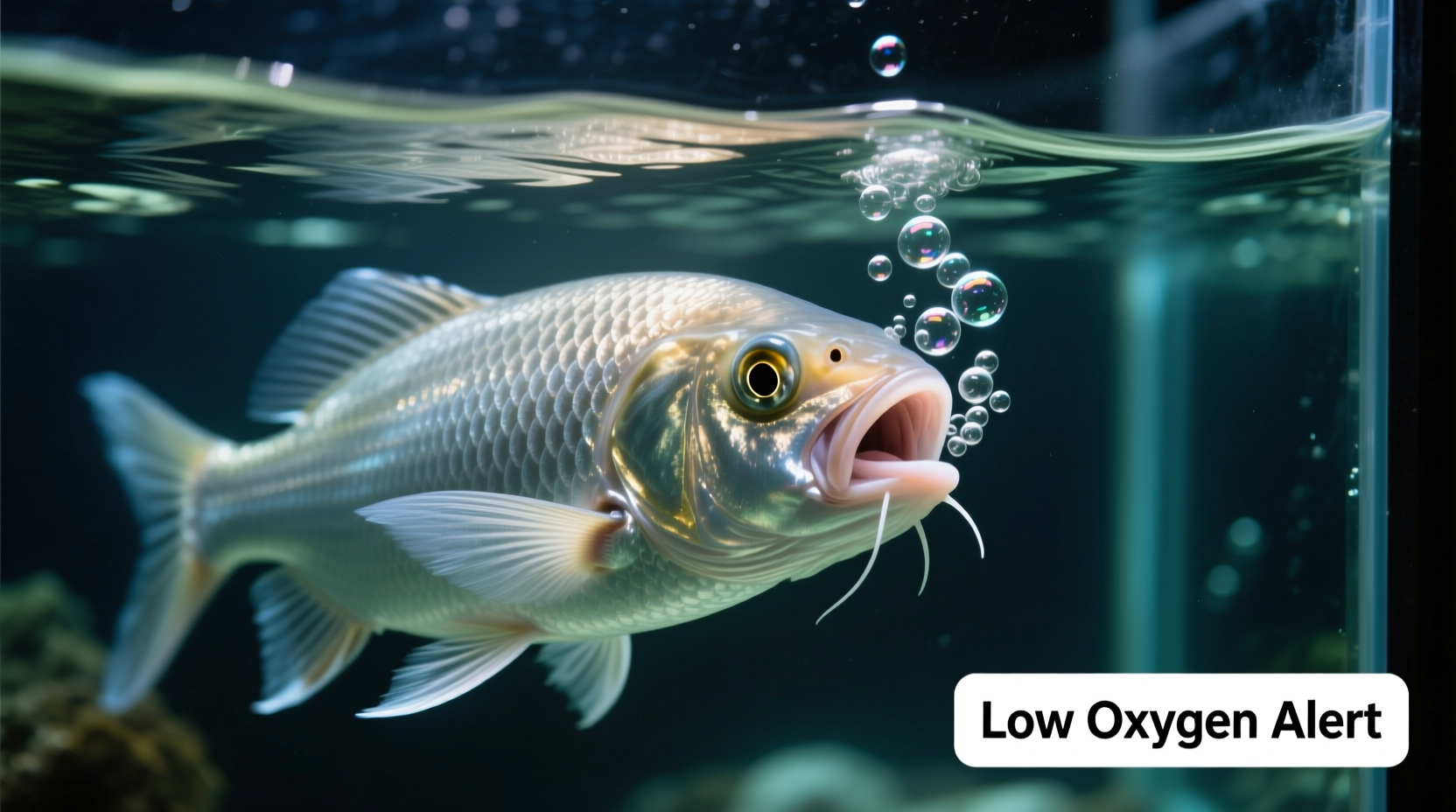
Fish extract oxygen from water through their gills. As water passes over the gill filaments, oxygen diffuses into the bloodstream while carbon dioxide is expelled. This process depends entirely on the concentration of dissolved oxygen (DO) in the water. Most tropical freshwater fish require DO levels between 5–7 mg/L to thrive. When levels drop below 3 mg/L, fish become stressed and begin gasping at the surface—the only place where oxygen exchange with the atmosphere occurs.
Several physical and biological factors influence oxygen availability:
- Water temperature: Warmer water holds less oxygen. A tank at 80°F (27°C) contains significantly less DO than one at 72°F (22°C).
- Surface agitation: Oxygen enters water primarily at the surface through gas exchange. Still water limits this process.
- Bioload: Overstocked tanks produce more waste, increasing bacterial activity that consumes oxygen during decomposition.
- Plants: While live plants produce oxygen during daylight via photosynthesis, they consume it at night, potentially lowering DO levels in heavily planted tanks after dark.
“Fish gasping at the surface is nature’s red flag. It’s not just about oxygen—it’s about system balance.” — Dr. Lena Peterson, Aquatic Veterinarian and Aquarium Health Consultant
Common Causes of Surface Swimming Beyond Oxygen Deficiency
While low oxygen is the leading reason, several other conditions can prompt fish to stay near the top. Accurate diagnosis requires observing additional symptoms and testing water parameters.
1. Poor Water Quality
Ammonia, nitrite, and high nitrate levels irritate gills, impairing oxygen uptake. Even if DO levels are adequate, damaged gills cannot absorb it efficiently. Fish may appear lethargic, have clamped fins, or exhibit rapid gill movement.
2. Gill Parasites or Infections
Parasites like Ichthyobodo (formerly Costia) or bacterial gill disease reduce respiratory efficiency. Infected fish often rub against objects (flashing), breathe rapidly, and may develop milky or swollen gills.
3. Swim Bladder Disorder
This condition affects buoyancy control. Affected fish struggle to submerge and may float upside-down or tilt head-up while stuck at the surface. It's commonly caused by overfeeding, constipation, or bacterial infection.
4. Species-Specific Behavior
Some fish are naturally inclined to stay near the surface. Bettas, paradise fish, and various gouramis use a labyrinth organ to breathe atmospheric air, making regular trips to the surface normal—even healthy.
Tip: Observe whether your fish opens its mouth at the water’s surface. True oxygen gasping involves rapid gill movement and mouth gaping, while labyrinth breathers take deliberate, calm sips of air.Step-by-Step: Diagnosing and Fixing Surface Swimming Behavior
If your fish is consistently at the surface, follow this diagnostic sequence to identify and resolve the issue within 24–48 hours.
- Observe breathing patterns: Is the fish gasping rapidly or taking slow air sips? Rapid movement suggests distress; slow sips may be normal for certain species.
- Test water parameters: Use a liquid test kit to check ammonia, nitrite, nitrate, pH, and temperature. Ammonia or nitrite above 0 ppm indicates a cycling or overload problem.
- Check oxygen levels indirectly: Look for signs of low DO—stagnant water, warm temperature, high fish density, or lack of surface movement.
- Inspect fish for physical symptoms: Cloudy eyes, frayed fins, white spots, or swollen gills suggest disease rather than environmental stress.
- Assess tank equipment: Ensure the filter is functioning and creating surface agitation. Confirm the air pump (if used) is operational.
- Perform an immediate water change: Replace 30–50% of tank water with dechlorinated water matched in temperature to dilute toxins and increase oxygen.
- Increase aeration: Add an air stone, adjust filter output to agitate the surface, or install a sponge filter driven by an air pump.
- Monitor for improvement: Within a few hours, distressed fish should resume normal swimming. If not, consider medication or veterinary consultation.
Do’s and Don’ts: Managing Oxygen Levels in Your Aquarium
| Action | Do | Don’t |
|---|---|---|
| Aeration | Use air stones, hang-on-back filters, or powerheads to agitate the surface | Rely solely on still internal filters with submerged outputs |
| Temperature | Maintain appropriate range for species; avoid overheating | Run heaters without a thermostat or exceed 82°F (28°C) unnecessarily |
| Stocking | Follow the one inch of fish per gallon rule (with exceptions for active or messy species) | Overcrowd the tank to “fill it up” quickly |
| Live Plants | Balance plant mass with fish load and provide proper lighting | Add too many plants without CO₂ management or nighttime aeration |
| Feeding | Feed small amounts twice daily; remove uneaten food after 2 minutes | Overfeed, causing excess waste and bacterial oxygen consumption |
Real Example: A Community Tank Crisis Averted
In a 30-gallon community aquarium housing tetras, corydoras, and a dwarf gourami, the owner noticed all fish congregating at the surface one morning. The tank had been stable for months, but recent summer heat caused the room temperature to rise to 84°F (29°C). There was no chiller, and the filter outlet was positioned below the waterline, minimizing surface agitation.
Testing revealed 0.5 ppm ammonia and undetectable oxygen levels. A 40% water change was performed immediately using cooler, aerated water. An air stone connected to a spare air pump was added, and the filter output was repositioned to break the surface. Within three hours, fish resumed normal mid-water swimming. The owner later installed a fan to cool the tank surface and upgraded to a hang-on-back filter for better circulation.
This case illustrates how multiple factors—temperature, poor aeration, and minor ammonia buildup—can combine to create a crisis, even in well-established tanks.
Comprehensive Checklist: Responding to Surface Swimming
Use this checklist when you notice fish lingering at the surface:
- ☐ Observe breathing rate and behavior across all fish
- ☐ Test ammonia, nitrite, nitrate, pH, and temperature
- ☐ Check water temperature—is it above optimal range?
- ☐ Inspect filter function and surface agitation
- ☐ Look for signs of disease (spots, flashing, clamped fins)
- ☐ Perform a 30–50% water change with conditioned water
- ☐ Increase aeration with air stone, sponge filter, or spray bar
- ☐ Reduce feeding temporarily to lower bioload
- ☐ Monitor fish every hour for improvement
- ☐ Re-test water after 12 hours and repeat action if needed
FAQ: Frequently Asked Questions
Is it normal for some fish to swim at the surface?
Yes, species with labyrinth organs—such as bettas, gouramis, and paradise fish—regularly breathe air from the surface. This behavior is natural and not a sign of distress unless accompanied by rapid gill movement, loss of appetite, or hiding.
Can overcleaning the filter cause oxygen problems?
Yes. Cleaning the entire filter media under tap water can destroy beneficial bacteria, triggering an ammonia spike. High ammonia damages gills and reduces oxygen uptake. Always rinse media in removed tank water, not chlorinated tap water, and never replace all media at once.
How do I know if my tank has enough oxygen?
Signs of sufficient oxygen include active fish swimming throughout the water column, clear gill movement, and surface agitation from filter output or air stones. You can also use a dissolved oxygen test kit, though these are more common in ponds and commercial systems.
Preventing Future Oxygen Crises
Long-term prevention relies on consistent maintenance and smart tank design. Key strategies include:
- Regular water changes: 20–30% weekly prevents toxin accumulation and refreshes oxygen levels.
- Proper filtration: Choose a filter rated for at least 1.5 times your tank’s volume to ensure strong circulation.
- Strategic stocking: Avoid overstocking, especially with high-oxygen-demand species like goldfish or rainbowfish.
- Temperature control: Use fans, chillers, or room climate control to prevent overheating in summer.
- Nighttime aeration: In heavily planted tanks, run air stones at night when plants consume oxygen.
Additionally, investing in a battery backup for your air pump ensures continued aeration during power failures—a critical safeguard for tropical tanks in hot climates.
Conclusion: Act Fast, Think Long-Term
Fish swimming at the surface is a cry for help, not a quirk. Whether driven by oxygen starvation, toxic water, or illness, this behavior demands immediate attention. Quick response—through water testing, partial changes, and improved aeration—can save lives. But true success lies in prevention: maintaining balanced bioloads, ensuring proper circulation, and monitoring conditions before problems arise.
Your aquarium is a closed ecosystem. Every action—from feeding to cleaning to stocking—ripples through the water. By understanding the clues your fish give you, you become not just a caretaker, but a steward of a living environment.
💬 Have you dealt with fish gasping at the surface? Share your experience, solution, or questions in the comments—your insight could help another aquarist in crisis.








