It’s a familiar sensation: you reach for the sky, twist your torso, or bend backward—and suddenly, a series of sharp, satisfying pops echo from your spine. For many, this is a routine part of stretching, yoga, or even waking up in the morning. But what exactly causes that cracking sound? Is it simply harmless gas release, or could it signal something more concerning? Understanding the mechanics behind spinal cracking can help separate myth from fact and guide safer movement practices.
The Science Behind Joint Cracking
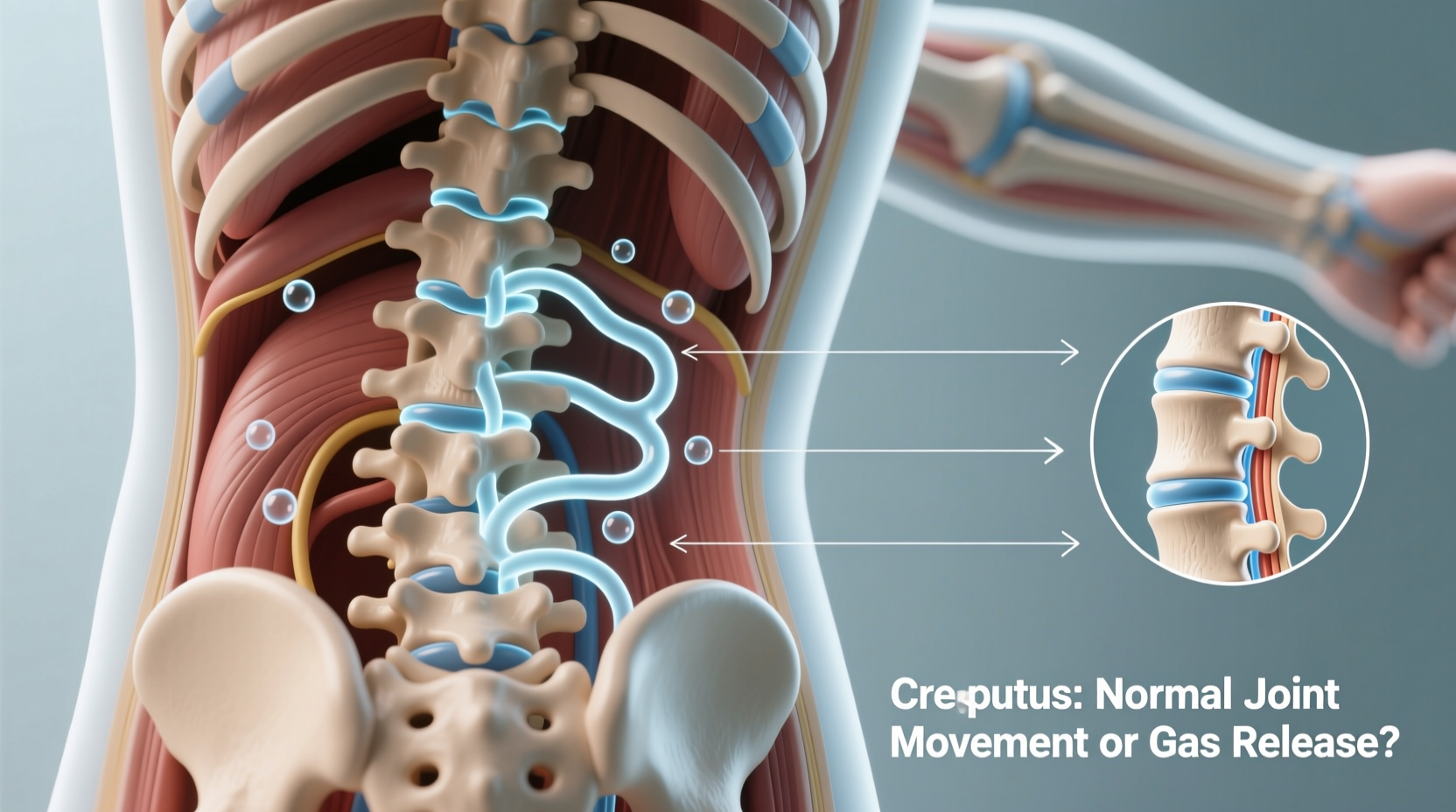
When you stretch your back and hear a pop, the most likely explanation lies in a phenomenon known as cavitation. This occurs within the synovial joints—small spaces between vertebrae filled with synovial fluid, which lubricates and nourishes the joint. Inside these fluid-filled capsules, gases like nitrogen, oxygen, and carbon dioxide are naturally dissolved.
When you move into a stretch or twist, the joint capsule temporarily expands. This change in pressure causes the dissolved gases to form tiny bubbles that rapidly collapse—a process similar to pulling a suction cup off glass. The resulting sound is the “crack” or “pop” you hear. This effect cannot be repeated immediately; it typically takes 15 to 30 minutes for the gases to re-dissolve before another pop can occur.
“Cavitation is a normal biomechanical event. The sound itself isn’t harmful—it’s just physics at work inside your joints.” — Dr. Alan Kim, Board-Certified Orthopedic Specialist
This mechanism is identical to what happens when people crack their knuckles. Despite long-standing myths, decades of research—including a famous self-experiment by Dr. Donald Unger, who cracked the knuckles on one hand daily for over 60 years—have shown no increased risk of arthritis from occasional joint popping.
Is Back Cracking During Stretching Harmful?
In most cases, no. Occasional, pain-free cracking during stretching is considered a normal physiological response. It often coincides with improved mobility or a sense of relief, especially after prolonged sitting or stiffness.
However, context matters. The safety of spinal cracking depends on several factors:
- Pain level: Painless cracking is generally benign. Pain accompanying the sound may indicate joint irritation, inflammation, or soft tissue strain.
- Frequency: Habitual, forceful manipulation (like repeatedly twisting your back to make it pop) can stress ligaments and lead to joint instability over time.
- Control: Passive cracking—such as having someone forcefully adjust your spine without proper training—carries higher risks than natural, movement-induced sounds.
Other Possible Causes of Spinal Popping
While cavitation is the primary cause, other mechanical events can produce similar sounds:
Tendon or Ligament Snapping
As tendons and ligaments shift over bony prominences during movement, they can snap or flick, creating a clicking or popping noise. This is especially common in areas with complex musculature like the thoracic spine or lower back. Unlike gas release, this type of sound can occur multiple times in succession because it doesn’t depend on gas reabsorption.
Facet Joint Movement
The spine contains small paired joints called facet joints that guide motion between vertebrae. These joints can produce audible clicks when they glide past each other during rotation or extension. Minor arthritic changes or uneven wear may amplify these sounds, though they aren’t necessarily problematic unless accompanied by pain or restricted motion.
Spinal Degeneration or Injury (Rare but Possible)
In older adults or those with prior spinal injuries, cracking sounds might stem from roughened joint surfaces or degenerative disc disease. Bone-on-bone contact, osteophytes (bone spurs), or herniated discs can create grinding or grating noises—known as crepitus—which differ from the sharp, singular pop of cavitation.
If cracking is accompanied by numbness, tingling, muscle weakness, or radiating pain down the legs, medical evaluation is warranted to rule out nerve compression or structural issues.
When to Be Concerned: Red Flags to Watch For
Most back cracking is innocuous, but certain symptoms suggest the need for professional assessment. Use the following checklist to evaluate whether your experience falls within normal limits or requires attention.
Checklist: When to Seek Medical Advice- Cracking is consistently painful
- You experience numbness, tingling, or weakness in legs
- Movement becomes limited or feels unstable
- The sound changes to grinding, scraping, or continuous clicking
- Symptoms worsen after exercise or specific activities
- You have a history of spinal injury or surgery
These warning signs may point to conditions such as spinal stenosis, spondylolisthesis, or disc herniation. Early diagnosis improves outcomes, so don’t dismiss persistent discomfort just because cracking is common.
Safe Stretching Practices to Minimize Risk
Stretching should enhance flexibility and reduce tension—not provoke pain or instability. Follow these guidelines to maintain spinal health while enjoying the benefits of movement.
- Warm up first: Cold muscles and stiff joints are more prone to strain. Light cardio (like walking or marching in place) for 5–10 minutes increases blood flow and prepares tissues for stretching.
- Avoid aggressive twisting: Forceful rotational stretches, especially when fatigued, can overload facet joints. Instead, use controlled, gradual movements.
- Focus on form, not sound: Don’t stretch with the goal of making your back crack. Prioritize smooth range of motion and muscle release over auditory feedback.
- Strengthen supporting muscles: Core stability plays a crucial role in protecting the spine. Incorporate planks, bird-dogs, and bridges into your routine to build endurance.
- Breathe deeply: Holding your breath increases intra-abdominal pressure and can restrict movement. Exhale slowly during stretches to promote relaxation and deeper release.
| Stretching Habit | Do | Don't |
|---|---|---|
| Forward Bend | Bend knees slightly, hinge at hips | Round the spine aggressively to touch toes |
| Spinal Twist | Use arms to gently deepen, keep pelvis neutral | Force rotation using neck or shoulders |
| Cat-Cow | Move slowly with breath, engage core | Hurry through motions for quick pops |
| Standing Arch | Lift chest, avoid overarching lower back | Push hips forward excessively |
Real Example: A Yoga Practitioner’s Experience
Jamie, a 34-year-old yoga instructor, noticed her lower back began cracking loudly during daily practice. Initially, she welcomed the sensation as a sign of releasing tension. Over time, however, the pops became painful, and she started feeling loose or “wobbly” in backbends.
After consulting a physical therapist, Jamie learned she had developed hypermobility in her lumbar spine due to overstretching and insufficient core engagement. Her body was compensating by allowing excessive joint movement instead of activating deep stabilizing muscles.
She modified her routine to include more strength-focused poses—like forearm planks and side planks—and reduced deep backbends. Within six weeks, the painful cracking subsided, and her overall control improved. “I used to chase the pop,” she said. “Now I focus on how my spine feels during and after practice.”
Frequently Asked Questions
Can cracking my back cause arthritis?
No, there is no scientific evidence linking occasional, pain-free joint cracking to arthritis. Osteoarthritis results from cartilage degeneration due to age, injury, or overuse—not from the release of gas in joints.
Why does my back crack all day long now?
Increased frequency of cracking may reflect changes in posture, muscle imbalances, or joint laxity. If it’s new or bothersome, assess your sitting habits, strengthen core muscles, and consider seeing a movement specialist.
Is it okay to let a friend crack my back?
It’s not advisable. Untrained manipulation can misalign joints or strain soft tissues. Even well-meaning pressure can exceed safe thresholds. Leave spinal adjustments to licensed professionals like chiropractors or physical therapists.
Conclusion: Listen to Your Body, Not Just the Sound
The sound of your back cracking during a stretch is usually nothing more than gas shifting within your joints—a natural, temporary event with no lasting harm. But the human body communicates through more than just noise. Pain, instability, or sudden changes in sensation are signals worth heeding.
Instead of focusing on whether your back cracks, pay attention to how it moves, feels, and responds over time. Build a balanced routine that includes both flexibility and strength, and respect the limits your body sets. Small adjustments today can prevent chronic issues tomorrow.
💬 Have a story about back cracking or questions about safe stretching? Share your thoughts below—we’d love to hear from you and help others learn from real experiences.








