
Fish swimming at the surface of an aquarium is a common sight, but whether this behavior is normal or a cause for concern depends on context. While some species naturally spend time near the top, persistent or frantic surface activity can indicate serious problems like low oxygen, poor water quality, or illness. Understanding the reasons behind this behavior empowers aquarium owners to maintain a healthy environment and respond quickly when intervention is needed.
Unlike land animals, fish rely entirely on their aquatic surroundings for respiration, nutrition, and safety. Any imbalance in the tank’s ecosystem can manifest in observable changes in behavior—especially swimming patterns. Observing your fish daily helps establish a baseline of what’s normal, making it easier to detect early signs of distress.
Normal Reasons Fish Swim to the Top
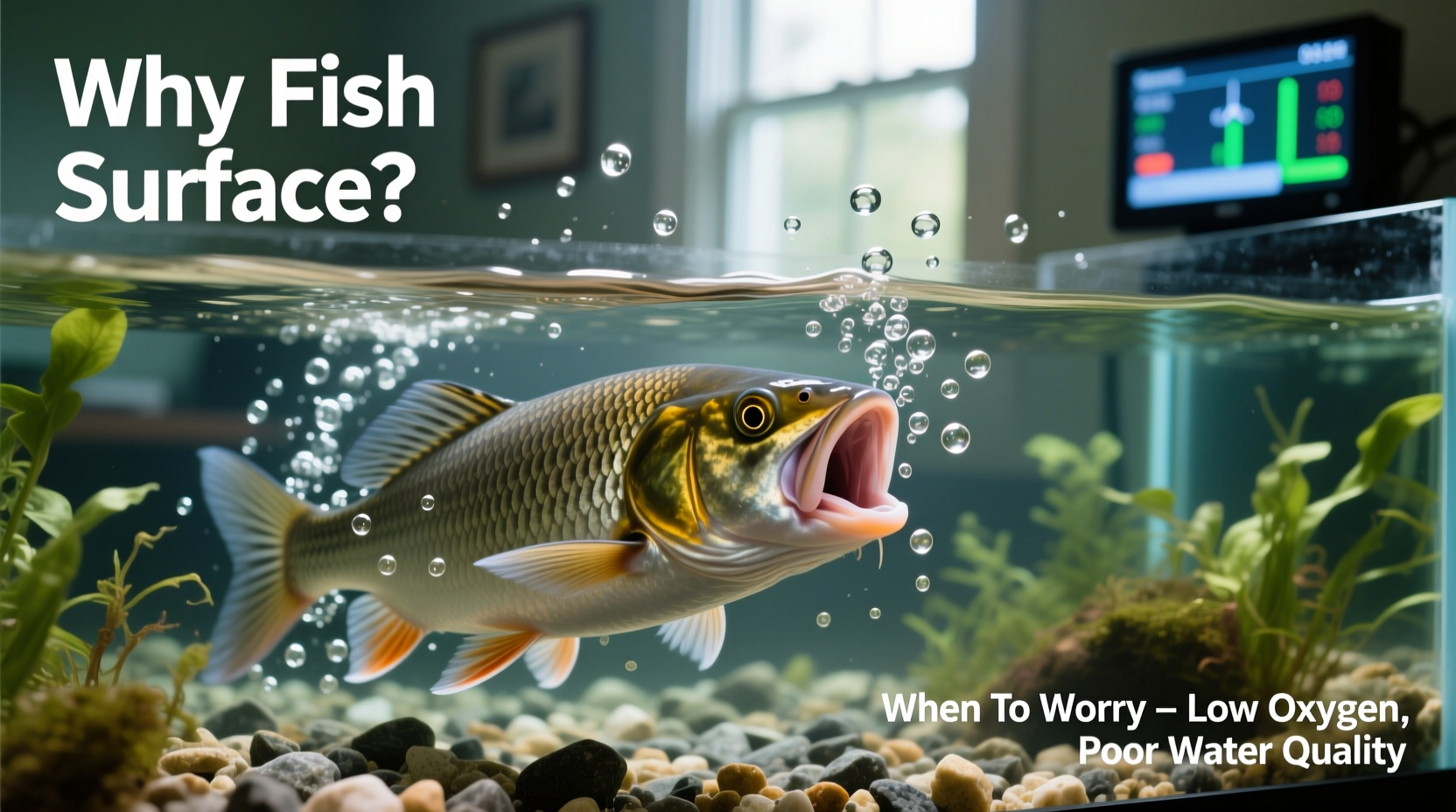
Not all trips to the surface are cause for alarm. Many fish exhibit top-dwelling behavior as part of their natural instincts or feeding habits.
- Species-specific behavior: Certain fish, such as hatchetfish, gouramis, and paradise fish, are naturally inclined to stay near the surface. These species have evolved to feed on insects that fall into the water and often possess upturned mouths adapted for surface feeding.
- Feeding anticipation: Most fish learn to associate human presence with food. When you approach the tank, they may rush to the top expecting to be fed—even if it's not feeding time. This is especially common in goldfish and bettas.
- Air breathing (in labyrinth fish): Species like bettas, gouramis, and paradise fish have a special organ called the labyrinth, which allows them to extract oxygen directly from the air. It’s completely normal—and necessary—for these fish to rise to the surface periodically to gulp air.
- Exploration and curiosity: Fish are intelligent and curious. They may investigate changes in lighting, decorations, or movement outside the tank by swimming upward to get a better view.
When Surface Swimming Signals a Problem
Persistent or labored surface swimming—especially if accompanied by rapid gill movement, gasping, or lethargy—is a red flag. These behaviors suggest your fish are struggling to obtain enough oxygen from the water, a condition known as hypoxia.
The most common causes include:
- Inadequate oxygen levels: Warm water holds less dissolved oxygen than cooler water. Overstocked tanks, high temperatures, or lack of surface agitation reduce oxygen availability, forcing fish to the surface where oxygen exchange occurs.
- Poor water quality: Elevated ammonia, nitrite, or nitrate levels damage gills and impair respiratory function. Even if oxygen levels are adequate, toxic water makes it difficult for fish to absorb oxygen efficiently.
- Overcrowding: Too many fish consume more oxygen and produce more waste, accelerating the depletion of oxygen and buildup of toxins.
- Limited surface movement: Stagnant water prevents proper gas exchange. Without ripple or current at the surface, oxygen cannot dissolve effectively into the water column.
- Disease: Gill parasites (like Ichthyophthirius or flukes), bacterial infections, or fungal growths can obstruct or inflame gill tissues, making breathing difficult.
“Fish gasping at the surface is one of the clearest signs of environmental stress. It’s often the last visible symptom before mortality spikes.” — Dr. Alicia Nguyen, Aquatic Veterinarian
Diagnosing the Cause: A Step-by-Step Guide
If your fish are spending excessive time at the surface with signs of distress, follow this diagnostic process to identify and resolve the underlying issue.
- Observe breathing patterns: Are gills moving rapidly? Is the fish hovering just below the surface with mouth open? Note any erratic movements or clamped fins.
- Test water parameters: Use a liquid test kit to check ammonia, nitrite, nitrate, pH, and temperature. Ammonia and nitrite should be 0 ppm; nitrates under 40 ppm for most freshwater setups.
- Check oxygen levels indirectly: Look for surface agitation. If the water is still, oxygen exchange is limited. Consider adding an air stone or adjusting filter output to increase surface ripple.
- Assess tank stocking: Calculate total bioload. A general rule is 1 inch of fish per gallon for small species, though larger or messier fish require more space.
- Inspect equipment: Ensure filters are functioning properly and not clogged. Power filters, sponges, and canisters must run continuously to maintain circulation and biological filtration.
- Evaluate temperature: Water above 80°F (27°C) holds significantly less oxygen. Use a reliable thermometer and consider a fan or chiller if overheating is an issue.
- Look for disease symptoms: Check for white spots, frayed fins, mucus buildup, or rubbing against objects—all possible signs of parasitic or bacterial infection.
Do’s and Don’ts: Responding to Surface Gasping
| Action | Do | Don't |
|---|---|---|
| Water Change | Perform a 30–50% water change with dechlorinated water matched in temperature. | Don’t change all the water at once—it removes beneficial bacteria and shocks fish. |
| Oxygen Boost | Add an air stone, increase filter outflow, or gently agitate the surface with a cup. | Don’t rely solely on surface stillness; assume low oxygen until proven otherwise. |
| Medication | Treat only after identifying disease; use targeted medications for parasites or bacteria. | Don’t dump broad-spectrum antibiotics without diagnosis—they harm biofilter. |
| Feeding | Reduce feeding during crisis; uneaten food worsens water quality. | Don’t overfeed to “comfort” fish—this increases ammonia production. |
| Monitoring | Re-test water 12–24 hours after intervention to confirm improvement. | Don’t ignore recurring symptoms—chronic issues need root-cause fixes. |
Mini Case Study: The Overstocked Community Tank
A hobbyist in Austin, Texas, noticed her tetras and danios constantly at the surface, darting up every few seconds with rapid gill movements. The tank was a 20-gallon community setup housing 25 small fish, including several goldfish fry mistakenly added earlier. Despite weekly water changes, ammonia readings were consistently at 0.5 ppm, and surface agitation was minimal due to a weak internal filter.
After testing confirmed elevated ammonia and low oxygen, she upgraded to a hang-on-back filter with greater flow, installed an air stone, and performed a 40% water change. She also rehomed the goldfish to a larger outdoor pond. Within 48 hours, surface gasping ceased, and fish resumed normal mid-water schooling behavior. This case underscores how multiple stressors—overstocking, poor filtration, and toxic buildup—can compound to create life-threatening conditions.
Preventive Checklist for Healthy Oxygen Levels
Maintaining consistent water quality and oxygenation prevents most cases of problematic surface swimming. Follow this checklist regularly:
- ✅ Test water weekly for ammonia, nitrite, nitrate, and pH
- ✅ Ensure filter is appropriately sized and cleaned monthly (rinse media in tank water only)
- ✅ Maintain surface agitation through filter output or air stones
- ✅ Avoid overstocking—research adult sizes before adding new fish
- ✅ Perform regular water changes (20–30% every 1–2 weeks)
- ✅ Keep tank temperature stable and within species-specific ranges
- ✅ Remove decaying plant matter and uneaten food promptly
- ✅ Quarantine new fish for at least two weeks before introduction
FAQ: Common Questions About Fish at the Surface
Is it normal for my betta to sit at the top?
Yes, to an extent. Bettas are labyrinth fish and need to breathe air regularly. However, if your betta is gasping violently, has clamped fins, or stays at the surface without resting, test water parameters and check for illness.
Why are my fish gasping after a water change?
This could indicate temperature shock, chlorine exposure, or incorrect pH. Always match new water to tank conditions and use a dechlorinator. Sudden shifts in chemistry can damage gills and cause respiratory distress.
Can plants help increase oxygen in the tank?
Yes, live plants produce oxygen during daylight through photosynthesis. However, at night, they consume oxygen, so heavily planted tanks still need surface agitation or aeration support, especially in warm conditions.
Conclusion: Stay Observant, Act Early
Fish behavior is a powerful indicator of tank health. While occasional surface visits are normal—especially among certain species—persistent or distressed swimming at the top demands immediate attention. By understanding the balance between natural habits and warning signs, aquarists can prevent minor issues from escalating into emergencies.
The key lies in routine monitoring, proactive maintenance, and swift response when something seems off. Clean water, proper aeration, and appropriate stocking form the foundation of a thriving aquarium. When in doubt, test first, act second, and observe closely.
💬 Have you noticed unusual swimming behavior in your tank? Share your experience or ask for advice in the comments—your insight could help another fish keeper avoid a crisis.








