Fish gasping at the surface or lingering near the top of the aquarium is more than just odd behavior—it’s often a distress signal. While some species, like bettas or gouramis, naturally spend time near the surface due to their labyrinth organ, most fish prefer mid to lower tank zones. When non-surface-dwelling fish consistently hover at the top, it usually indicates compromised water quality or environmental stress. Understanding the root causes behind this behavior is essential for preventing illness, maintaining balance, and ensuring long-term aquatic health.
Understanding Fish Behavior: Normal vs. Warning Signs
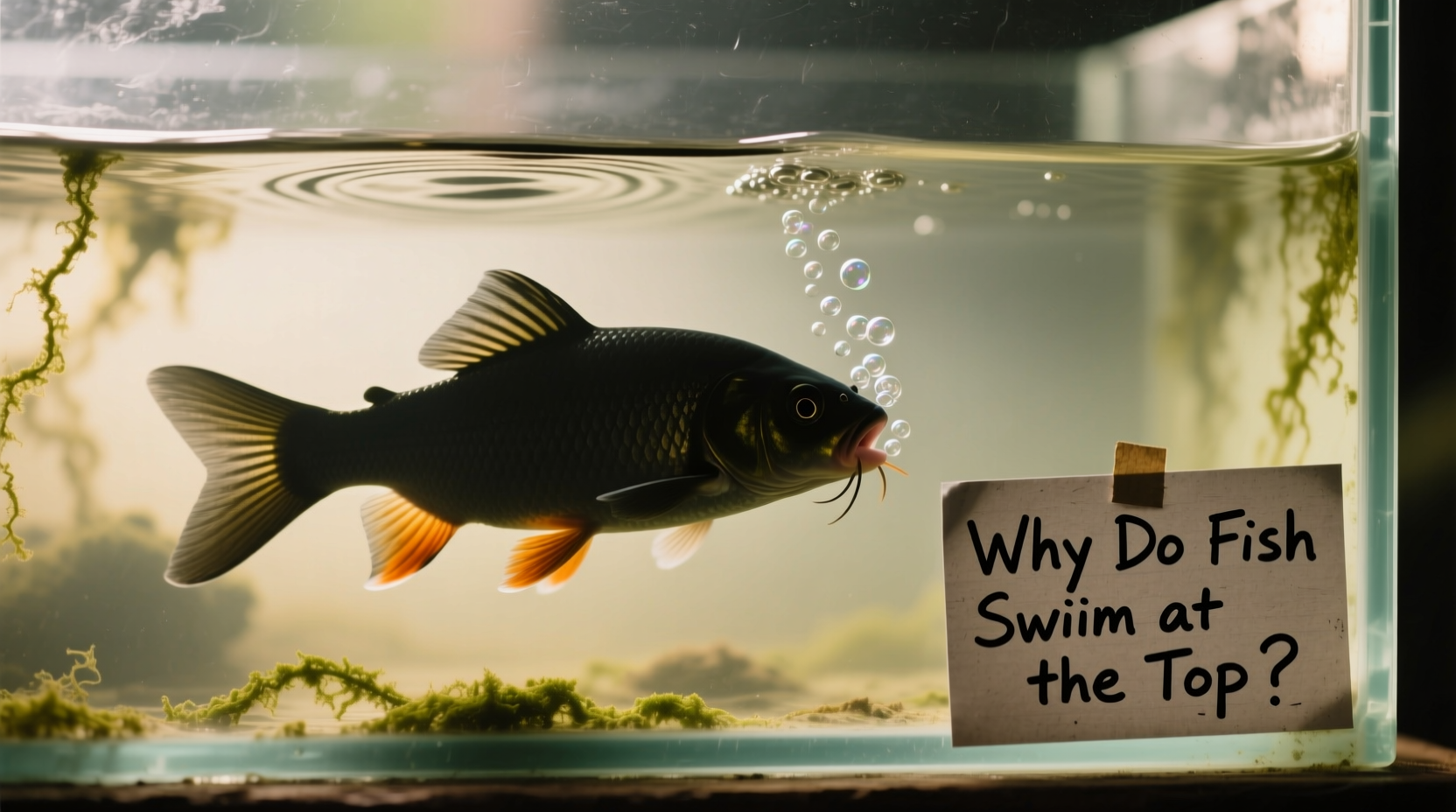
Fish communicate primarily through movement and positioning. A healthy fish will explore all levels of the tank, showing varied swimming patterns throughout the day. However, when a fish remains fixed near the surface—especially with rapid gill movement or mouth gaping at the air—it's likely struggling to obtain enough oxygen from the water.
Oxygen exchange occurs at the water’s surface, so fish in low-oxygen environments instinctively rise to breathe. But persistent surface swimming should never be ignored. It may point to one or more underlying problems including poor aeration, toxic buildup, temperature imbalance, or disease.
Tip: Observe your fish during feeding time. Active, enthusiastic swimmers are generally healthy. Lethargic or isolated fish that stay at the top may need immediate attention.Common Causes of Surface Swimming Due to Water Issues
The primary reason fish swim at the top is insufficient dissolved oxygen (DO), but several interrelated factors contribute to this condition. Addressing these requires both observation and testing.
1. Low Dissolved Oxygen Levels
Dissolved oxygen is critical for respiration in fish. Cold water holds more oxygen than warm water, and stagnant tanks lack circulation needed for efficient gas exchange. Overstocked tanks, high temperatures, or decaying organic matter can rapidly deplete oxygen.
Symptoms include:
- Frequent surfacing or “gasping” at the top
- Rapid gill movement
- Lethargy or loss of appetite
- Clamped fins
2. High Ammonia or Nitrite Concentrations
Ammonia and nitrite are byproducts of fish waste, uneaten food, and decomposing plant material. In a properly cycled tank, beneficial bacteria convert ammonia into nitrite, then into less harmful nitrate. But if the nitrogen cycle is disrupted—due to overfeeding, inadequate filtration, or new tank syndrome—these toxins accumulate quickly.
High ammonia damages gill tissues, impairing oxygen uptake. Even at sub-lethal levels, it causes chronic stress. Fish may swim at the surface not because they want to, but because their gills can no longer extract sufficient oxygen from contaminated water.
“Elevated ammonia doesn’t just kill fish directly—it weakens their immune systems, making them vulnerable to secondary infections.” — Dr. Rebecca Lang, Aquatic Veterinarian
3. Elevated Water Temperature
Warm water holds less oxygen than cooler water. As temperature rises above 80°F (27°C), especially in tropical setups without adequate aeration, oxygen saturation drops significantly. Combined with increased metabolic rates in warmer conditions, fish require more oxygen just as it becomes less available.
This double burden forces fish to seek relief at the surface where oxygen exchange occurs. Without intervention, this can lead to suffocation even in clean-looking water.
4. Poor Water Circulation and Surface Agitation
Oxygen enters the water through surface agitation. Still water limits gas exchange. Filters, air stones, or powerheads help maintain flow and break the surface tension, promoting oxygen diffusion.
Tanks with underpowered filtration, closed lids, or decorative hoods that restrict airflow often suffer from stratification—where oxygen-rich surface layers don’t mix with deeper zones. Bottom-dwellers may avoid lower areas entirely, pushing all fish toward the top.
5. Overcrowding and Overfeeding
Too many fish produce excessive waste, increasing biological load beyond what the filter can handle. This accelerates oxygen consumption and toxin production. Similarly, overfeeding leads to rotting food, which consumes oxygen during decomposition and releases ammonia.
Both scenarios create a downward spiral: lower oxygen, higher toxins, stressed fish, and increased susceptibility to disease—all signaled by surface swimming.
Step-by-Step Guide to Diagnosing and Fixing the Problem
If you notice fish spending unusual time at the surface, act immediately. Follow this timeline to identify and correct the issue:
- Observe Behavior (Immediate): Note which fish are affected, frequency of surfacing, breathing rate, and presence of other symptoms like discoloration or clamped fins.
- Test Water Parameters (Within 1 Hour): Use a liquid test kit (more accurate than strips) to check:
- Ammonia (should be 0 ppm)
- Nitrite (should be 0 ppm)
- Nitrate (below 40 ppm)
- pH (stable for your species, typically 6.5–7.8)
- Temperature (appropriate for your fish, usually 72–80°F)
- Perform Emergency Water Change (Next 2 Hours): Replace 30–50% of tank water with dechlorinated water matched in temperature. This dilutes toxins and increases oxygen.
- Increase Aeration (Immediately After): Add an air stone, adjust filter output to agitate the surface, or use a battery-powered air pump if power fails.
- Clean Substrate and Remove Debris: Vacuum gravel to eliminate trapped waste and uneaten food contributing to ammonia spikes.
- Check Equipment Function: Ensure filter is running properly, impeller isn’t clogged, and heater is not overheating the tank.
- Monitor for 24–48 Hours: Re-test water after 12 and 24 hours. If ammonia/nitrite remains high, continue partial changes every 12 hours until stabilized.
Do’s and Don’ts When Fish Are Gasping at the Surface
| Do’s | Don’ts |
|---|---|
| Test water immediately using a reliable liquid kit | Ignore the behavior hoping it resolves on its own |
| Perform a large water change (up to 50%) | Pour cold tap water directly into the tank (causes shock) |
| Add an air stone or increase surface agitation | Over-clean the filter (you’ll remove beneficial bacteria) |
| Stop feeding for 24–48 hours to reduce waste | Use chemical treatments without knowing the cause |
| Verify heater accuracy with a separate thermometer | Introduce new fish during a crisis |
Mini Case Study: The Goldfish Tank Crisis
A hobbyist in Portland kept three goldfish in a 20-gallon uncycled tank with a basic hang-on-back filter. Within two weeks, all fish began gasping at the surface. The owner assumed they were hungry and fed them twice daily. By day 18, one fish died.
After contacting a local aquarium store, the owner tested the water: ammonia was 2.0 ppm, nitrite was 1.5 ppm, and pH had dropped to 6.0. The root cause? New tank syndrome combined with overfeeding and zero biological media in the filter.
The solution included:
- Daily 30% water changes for five days
- Adding ceramic bio-rings to the filter
- Installing an airstone
- Suspending feeding for four days
Within 72 hours, surface swimming decreased. By day 10, both surviving fish resumed normal mid-water activity. This case highlights how easily beginners can overlook cycling fundamentals—and why prompt diagnosis saves lives.
Preventive Checklist for Long-Term Tank Health
Prevention is far easier than emergency response. Use this checklist weekly to maintain optimal conditions:
- ✅ Test water for ammonia, nitrite, nitrate, and pH weekly
- ✅ Clean mechanical filter media monthly (rinse in old tank water)
- ✅ Vacuum substrate every 7–10 days
- ✅ Check air pumps, filters, and heaters for proper function
- ✅ Avoid overstocking—follow the “1 inch per gallon” rule cautiously; consider bioload instead
- ✅ Feed only what fish consume in 2 minutes, once or twice daily
- ✅ Ensure surface agitation is visible (ripples or slight chop)
- ✅ Keep tank lid partially open for gas exchange
Frequently Asked Questions
Why are my fish at the top but seem fine otherwise?
Some fish, like tetras or barbs, may briefly visit the surface out of curiosity or during feeding. However, prolonged presence with rapid gills suggests early-stage oxygen deficiency or mild ammonia exposure. Test water even if fish appear active.
Can live plants help with oxygen levels?
Yes—during daylight, live plants release oxygen via photosynthesis and absorb carbon dioxide. However, at night, they consume oxygen. Relying solely on plants for aeration is risky in densely stocked tanks. Combine plants with mechanical aeration for best results.
Is surface swimming always a sign of bad water?
Not always. Some species, such as bettas, paradise fish, and certain catfish, are adapted to low-oxygen environments and naturally gulp air. But if your usual mid-water swimmers start staying up top, treat it as a red flag until proven otherwise.
Expert Insight on Early Detection
“Most aquarium deaths aren’t sudden—they’re the end result of unnoticed stressors building over days. Surface gasping is one of the clearest warnings we get. Responding within hours can mean the difference between recovery and loss.” ��� Dr. Alan Tran, Director of the Urban Aquarium Wellness Initiative
Regular monitoring, combined with attentive observation, allows aquarists to intervene before irreversible damage occurs. Investing in a quality test kit and learning baseline parameters for your setup transforms reactive panic into proactive care.
Conclusion: Act Fast, Stay Consistent
Fish swimming at the top of the tank is rarely random. It’s a survival tactic triggered by invisible threats in the water. Whether caused by oxygen depletion, toxic buildup, or equipment failure, the solution begins with awareness and swift action. By mastering water chemistry, maintaining equipment, and observing behavior closely, you create a resilient ecosystem where fish thrive—not just survive.
Don’t wait for fatalities to assess your tank’s health. Start today: test your water, check your filter, and watch your fish. Small habits prevent big disasters. Your aquarium’s balance depends on it.
💬 Have you dealt with fish gasping at the surface? Share your experience or questions below—your story could help another aquarist avoid a crisis.








