
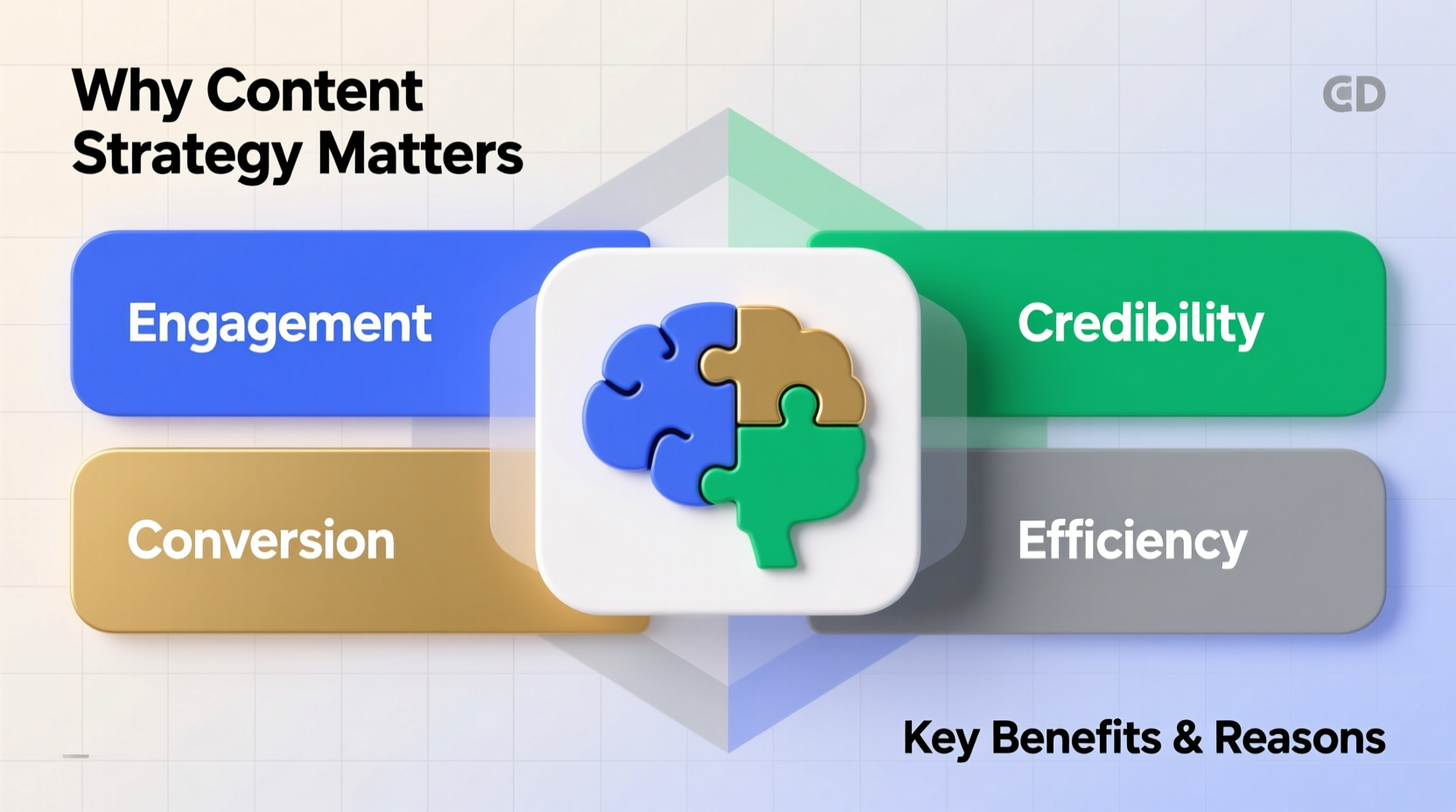
In a digital world saturated with information, standing out isn’t just about publishing more—it’s about publishing smarter. A well-defined content strategy transforms random acts of content into a coordinated effort that aligns with business goals, resonates with audiences, and delivers measurable results. Without one, even the most creative teams risk producing work that fails to connect, convert, or endure. The truth is, content without strategy is noise. But when grounded in purpose, research, and planning, it becomes one of the most powerful tools for building trust, authority, and sustainable growth.
The Foundation of Audience-Centric Communication
At its core, a content strategy begins with understanding who your audience is, what they care about, and how they consume information. This insight shapes every decision—from tone and format to distribution channels and timing. Instead of guessing what might work, brands with strong strategies use data to guide their efforts. They map customer journeys, identify pain points, and create content that provides real value at each stage.
This approach fosters deeper connections because it treats audiences as individuals, not demographics. For example, a B2B software company might produce detailed whitepapers for technical evaluators while offering quick explainer videos for executive decision-makers. Both pieces serve the same product but are tailored to different needs, roles, and levels of expertise.
Tip: Conduct quarterly audience check-ins—review analytics, run surveys, and update buyer personas to ensure your content stays relevant.Alignment Between Business Goals and Content Output
One of the most overlooked advantages of a formal content strategy is alignment. Too often, marketing teams operate in silos, creating content that looks good but doesn’t support broader objectives like lead generation, customer retention, or brand awareness. A strategic framework ensures that every blog post, social update, or email campaign contributes directly to organizational KPIs.
For instance, if a company aims to increase free trial sign-ups by 30% in six months, the content team can develop targeted guides, comparison articles, and demo-driven webinars designed to move prospects through the funnel. Each piece has a clear role and success metric tied back to the goal.
“Content without strategy is like driving without a destination—you may be moving, but you’re not getting anywhere meaningful.” — Ann Handley, Chief Content Officer at MarketingProfs
Efficiency and Resource Optimization
Producing high-quality content takes time, talent, and budget. Without a roadmap, resources are often wasted on redundant topics, inconsistent messaging, or underperforming formats. A documented content strategy eliminates guesswork by defining priorities, workflows, and ownership upfront.
Teams can plan editorial calendars months in advance, repurpose top-performing assets, and avoid last-minute scrambles. This leads to smoother collaboration, reduced burnout, and better ROI on creative investments.
Checklist: Building an Efficient Content Workflow
- Define primary business and marketing goals
- Map content types to stages of the buyer journey
- Create a centralized content calendar (with deadlines)
- Assign roles: writers, editors, designers, approvers
- Establish review and approval processes
- Schedule regular performance reviews
- Plan for repurposing and updating evergreen content
Improved SEO and Long-Term Visibility
Search engines reward consistency, relevance, and depth—three hallmarks of a strong content strategy. By conducting keyword research, analyzing competitor gaps, and organizing content around topic clusters, businesses can build authoritative domains that rank higher and attract organic traffic over time.
A strategic approach also emphasizes content maintenance. Unlike one-off posts that fade after publication, strategically managed content is regularly audited, updated, and optimized to maintain performance. Google favors fresh, accurate information, so this practice extends the lifespan and impact of existing assets.
| Aspect | Without Strategy | With Strategy |
|---|---|---|
| Keyword Focus | Random or reactive targeting | Planned clusters based on search intent |
| Content Updates | Rare or ad hoc | Scheduled audits and refreshes |
| Internal Linking | Minimal or inconsistent | Structured to boost authority flow |
| Performance Tracking | Limited or fragmented | Centralized dashboards with clear KPIs |
Real Impact: A Case Study in Strategic Transformation
Consider a mid-sized SaaS startup that struggled with low website traffic and poor conversion rates despite publishing weekly blogs. After six months of inconsistent results, they paused production and developed a comprehensive content strategy centered on user intent and competitive differentiation.
The team conducted a full content audit, identified high-opportunity keywords underserved by competitors, and rebuilt their blog around three core pillars: onboarding best practices, industry compliance, and integration tutorials. They mapped each topic to specific stages of the customer journey and aligned calls-to-action accordingly.
Within nine months, organic traffic grew by 142%, time-on-page increased by 67%, and free trial conversions from blog visitors rose by 58%. More importantly, support tickets related to basic setup dropped significantly—proof that the content was actually helping users succeed.
Building Brand Authority and Trust
Consistency breeds credibility. When audiences encounter reliable, insightful content across multiple touchpoints, they begin to see the brand as a trusted advisor rather than just another vendor. This perception is especially critical in industries where decisions are complex or high-stakes, such as finance, healthcare, or technology.
A content strategy ensures voice, tone, and messaging remain cohesive across platforms. Whether someone reads a LinkedIn article, watches a YouTube tutorial, or receives an email newsletter, the experience feels unified and intentional. Over time, this strengthens brand recognition and loyalty.
Step-by-Step Guide to Launching Your First Content Strategy
- Assess current state: Audit existing content, tools, and team capabilities.
- Define goals: Align with marketing and business objectives (e.g., grow leads by 25%).
- Research your audience: Build detailed personas using surveys, interviews, and analytics.
- Analyze the landscape: Review competitors’ content strengths and gaps.
- Choose formats and channels: Prioritize platforms where your audience spends time.
- Develop a content framework: Organize topics into pillars and subtopics.
- Create a publishing calendar: Plan topics, assign owners, set deadlines.
- Launch, measure, iterate: Track performance monthly and refine based on data.
Frequently Asked Questions
How is content strategy different from content marketing?
Content strategy is the planning, structuring, and governance behind your content—it answers *why*, *who*, and *how*. Content marketing focuses on promoting and distributing content to acquire and retain customers. Strategy informs marketing; without it, marketing efforts lack direction.
Can small businesses benefit from a content strategy?
Absolutely. In fact, smaller teams often benefit more because they have fewer resources to waste. A lean, focused strategy helps them compete with larger players by concentrating on niche topics and authentic storytelling.
How often should a content strategy be reviewed?
At minimum, conduct a full review every six months. However, monitor key metrics monthly and adjust tactics as needed. Major shifts in business goals, market conditions, or platform algorithms may require earlier updates.
Conclusion: Make Strategy Your Competitive Advantage
Content is no longer just about filling pages or feeding algorithms. It's about delivering value with intention. Companies that treat content as a strategic asset—not a tactical afterthought—gain clarity in messaging, efficiency in execution, and longevity in results. They attract the right people, answer real questions, and build brands that stand the test of time.
🚀 Ready to stop publishing blindly? Start today: define one core audience problem, create a single piece of truly helpful content, and measure its impact. That’s the first step toward a smarter, more effective content future.








