Golf is a game of precision, consistency, and subtle details. Every choice a golfer makes—from club selection to swing technique—can influence performance. One often-overlooked detail is the number printed on a golf ball. At first glance, it may seem like a simple identifier, but these numbers carry meaning that can affect gameplay, personalization, and even strategy. Understanding what golf ball numbers signify goes beyond just telling your ball from someone else’s—it reveals insights into design, compression, spin, and player preferences.
The Purpose of Numbering Golf Balls
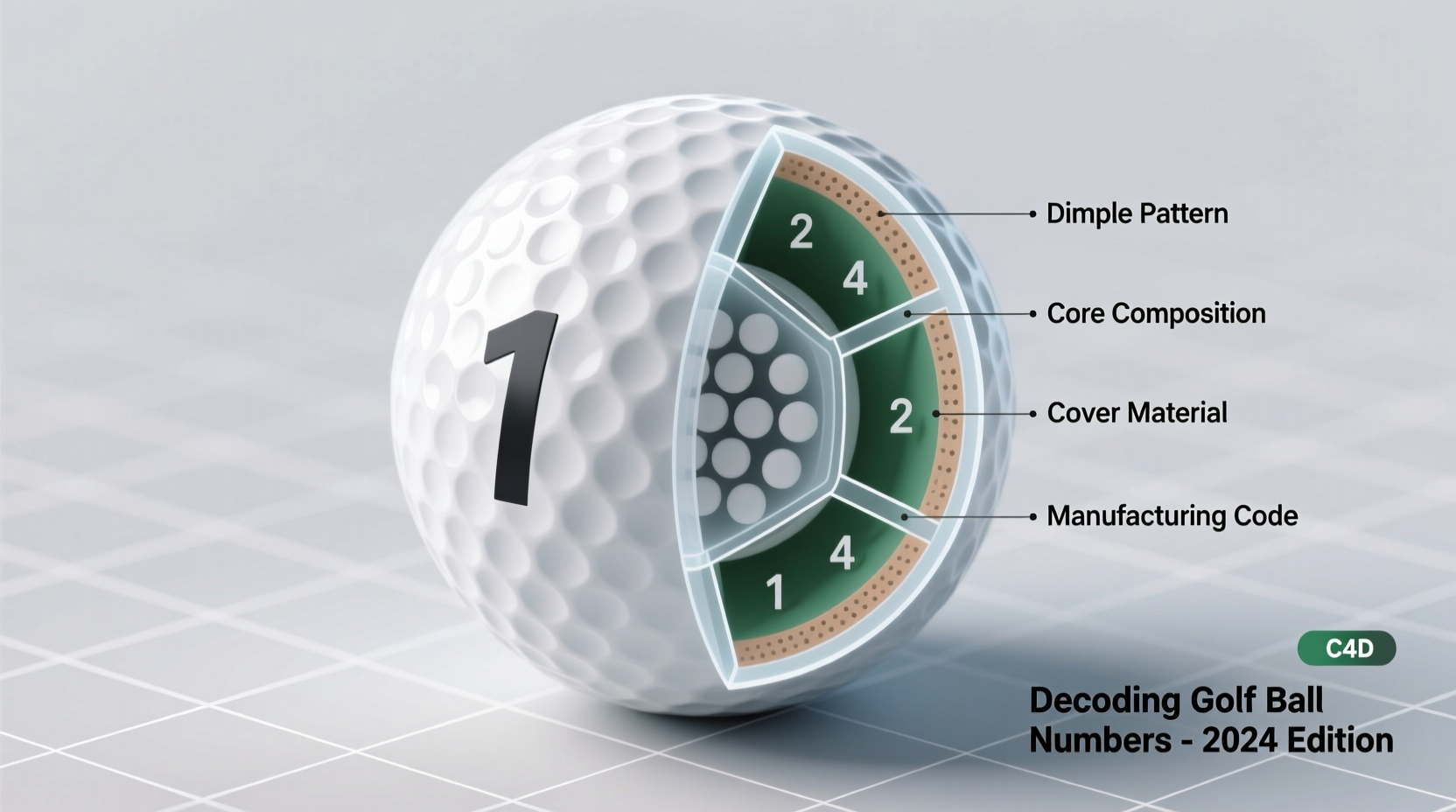
Golf balls are numbered primarily for identification. On a crowded course, especially during competitive play, multiple players may use the same brand and model of ball. Without a distinguishing mark, it's easy to lose track of which ball belongs to whom. The number helps players quickly identify their ball on the fairway, rough, or green.
But numbering serves more than just logistical purposes. Manufacturers use numbers to differentiate between models within a product line. A two-piece distance ball might be labeled \"1,\" while a high-spin tour-level ball could carry a \"3\" or \"4.\" These digits help golfers select the right ball based on their playing style and skill level.
Tip: Always mark your ball with a personal symbol or alignment line in addition to relying on the number—this reduces confusion and improves identification.Common Number Ranges and What They Mean
Most golf balls are numbered from 1 to 5, though some specialty models go higher. Each number corresponds to specific characteristics designed for different types of players:
- 1 or 2: Typically found on lower-compression, two-piece balls built for maximum distance. Ideal for beginners and high-handicap players who prioritize forgiveness and ease of use.
- 3: Often used for mid-compression, three-piece balls offering a balance of distance and control. Popular among mid-handicap golfers.
- 4 or 5: Usually reserved for high-compression, multi-layer tour balls engineered for spin, feel, and precision. Favored by low-handicap and professional players.
While these conventions are common, they're not standardized across brands. For example, a Titleist Pro V1x is marked with a “4,” while a Callaway Chrome Soft X might carry a “2”—yet both are high-performance balls. This inconsistency means players should look beyond the number and consult product specifications.
Compression and Spin: How Numbers Relate to Performance
The number on a golf ball often correlates with its internal construction and intended swing speed. Lower-numbered balls (1–2) tend to have softer cores and lower compression ratings (around 70–80), making them easier to compress for slower swing speeds. Higher-numbered balls (3–5) usually feature firmer cores and compression ratings above 90, requiring faster swings to perform optimally.
Spin rates also vary by number. Tour-level balls (numbered 4 or 5) generate more backspin on approach shots and greater control around the greens. In contrast, lower-numbered balls minimize spin off the driver, reducing side spin and helping keep drives straighter.
“Players often overlook the link between ball number and compression. Matching your swing speed to the right ball can improve consistency more than upgrading clubs.” — Dr. Lisa Tran, Sports Biomechanist & Golf Equipment Analyst
Customization and Personal Use
Beyond factory numbering, many golfers personalize their balls further. Tournament players often use custom stamps, logos, or colored dots to distinguish their balls. Recreational players might write initials, draw symbols, or use alignment aids. Some manufacturers offer custom printing services, allowing players to add names, dates, or messages.
In amateur matches, using uniquely numbered or marked balls prevents disputes over ownership. According to USGA Rule 6.3a, a player must identify their ball before lifting it; having a distinct number or mark simplifies this process.
Mini Case Study: Club Championship Confusion
During a local club championship, two players—Mark and James—both used the same model of white golf ball from a popular brand. Neither had marked their ball beyond the factory number \"3.\" After a drive landed near each other in the fairway, confusion arose about which ball belonged to whom. Because neither could positively identify their ball without lifting (which requires proper marking), both were assessed penalties under Rule 7.3. The incident prompted the club pro to recommend all members use personalized markings in addition to standard numbers.
Do’s and Don’ts When Choosing Based on Number
| Do | Don’t |
|---|---|
| Use the number as a starting point to explore ball type and construction | Assume all \"3\" balls perform the same across brands |
| Match ball compression to your swing speed | Choose a high-numbered ball just because pros use it |
| Add personal markings for quick identification | Rely solely on color or number without verification |
| Test different models to find your optimal fit | Ignore launch monitor data when evaluating ball performance |
Step-by-Step Guide to Selecting the Right Golf Ball
- Evaluate Your Swing Speed: Use a launch monitor or estimate your driver speed. Below 90 mph? Consider lower-compression (1–2) balls. Above 100 mph? Look at 3–5 range.
- Determine Your Priority: Maximize distance? Choose a two-piece ball. Need short-game control? Opt for a multi-layer, higher-numbered model.
- Check the Number and Model: Research what the number means for that specific brand. Don’t assume uniformity.
- Test Before Committing: Buy sleeves, not full boxes, to trial different options on the course.
- Mark Your Ball: Add a personal touch—draw a line, dot, or symbol—to enhance visibility and prevent mix-ups.
Frequently Asked Questions
Does the number on a golf ball affect how far it flies?
No, the number itself doesn’t impact flight. However, the ball model associated with that number (e.g., a \"4\" being a tour ball) may be engineered for specific performance traits like spin or compression, which do affect distance and trajectory.
Can I use any numbered ball in tournament play?
Yes, as long as the ball is on the USGA’s List of Conforming Golf Balls. The number has no bearing on legality. However, you must be able to identify your ball, so using a unique number or adding a mark is strongly recommended.
Why do some golf balls have letters instead of numbers?
Some practice or recycled balls use letters (A, B, C) to denote quality tiers. These aren’t typically used in regulation play but are common at driving ranges. Lettering helps facilities sort and price balls based on condition and performance.
Final Thoughts and Actionable Takeaway
The number on a golf ball is more than just a label—it’s a gateway to understanding ball design, player suitability, and on-course strategy. While it shouldn’t be the sole factor in your selection, recognizing the patterns behind numbering can guide smarter choices. Whether you're a beginner looking for distance or a skilled player seeking precision, aligning your game with the right ball—number and beyond—can make a measurable difference.
🚀 Ready to optimize your gear? Next time you buy golf balls, don’t just grab the one with your lucky number—read the specs, test the feel, and mark it uniquely. Small changes lead to better rounds.








