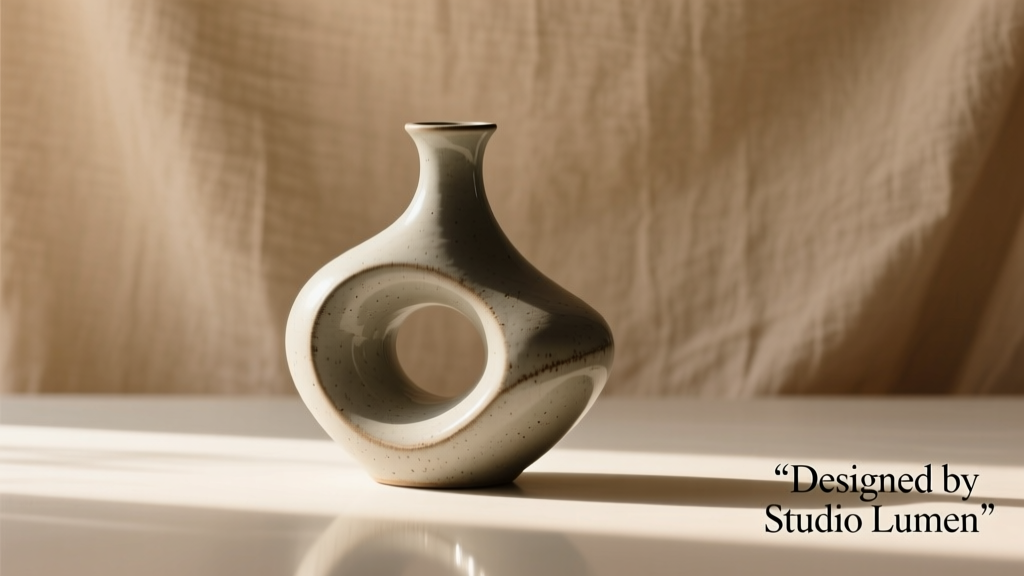
Types of Water Flask Jugs
A water flask jug is a portable container designed to store and transport water for personal, household, or commercial use. Available in various materials and designs, each type of jug offers unique benefits in terms of durability, insulation, aesthetics, and environmental impact. Choosing the right water jug depends on your lifestyle, usage environment, and sustainability preferences.
Plastic Water Jugs
Made from durable polymers like PET (polyethylene terephthalate) and polycarbonate, plastic water jugs are the most widely used due to their affordability and practicality.
Advantages
- Lightweight and easy to carry
- Available in a wide range of sizes (1 liter to 5+ gallons)
- Impact-resistant and less likely to break than glass
- Low production and retail cost
- Compatible with threaded, flip-top, and spigot lids
Limitations
- Potential for chemical leaching over time (especially with low-quality plastics)
- Less eco-friendly due to plastic waste and recycling challenges
- Can retain odors or stains if not cleaned properly
- Limited insulation properties
Best for: Office use, water dispensers, camping, and budget-conscious households
Glass Water Jugs
Known for their elegance and purity, glass water jugs offer a premium option for home and commercial settings where aesthetics and taste matter.
Advantages
- Chemically inert – preserves the natural taste of water
- Non-porous surface resists odors and bacteria
- Eco-friendly and fully recyclable
- Available in stylish designs, often with decorative stoppers or handles
- Borosilicate variants are heat-resistant and suitable for hot or cold liquids
Limitations
- Fragile and prone to breakage if dropped
- Heavier than plastic or stainless steel
- Higher cost compared to plastic alternatives
- Limited availability in large capacities (typically 1–2 liters)
Best for: Dining tables, restaurants, home kitchens, and serving chilled beverages
Stainless Steel Water Jugs
Durable and insulated, stainless steel jugs are ideal for active lifestyles and outdoor adventures. Often used as reusable alternatives to single-use bottles.
Advantages
- Excellent insulation (keeps water cold for 24+ hours or hot for 12+ hours)
- Highly durable and resistant to dents, rust, and corrosion
- Sustainable and long-lasting – reduces plastic waste
- Available in various sizes with leak-proof screw caps or spouts
- Suitable for hiking, travel, and daily commutes
Limitations
- Higher initial investment
- Heavier than plastic or glass
- Can develop condensation on the exterior when cold
- May impart a slight metallic taste if low quality
Best for: Outdoor activities, eco-conscious users, and those needing temperature control
Ceramic Water Jugs
Blending tradition with functionality, ceramic jugs are prized for their craftsmanship and natural cooling properties, especially in warm climates.
Advantages
- Natural insulation – keeps water cool through evaporation (in porous ceramics)
- Beautiful handcrafted designs with cultural significance
- Non-toxic and free from synthetic materials
- Ideal for moderate storage (1–1.5 liters)
- Adds aesthetic value to kitchens and dining areas
Limitations
- Fragile and easily broken if dropped
- Not suitable for outdoor or rugged use
- Heavier than plastic and some glass jugs
- Glazed interiors required to prevent water seepage
Best for: Traditional homes, decorative use, and natural cooling in warm environments
| Type | Durability | Taste Purity | Insulation | Eco-Friendliness | Best Use Case |
|---|---|---|---|---|---|
| Plastic | Good | Fair | Poor | Fair | Everyday use, offices, dispensers |
| Glass | Fair | Excellent | Poor | Excellent | Home serving, restaurants, taste-sensitive use |
| Stainless Steel | Excellent | Good | Excellent | Excellent | Outdoor use, travel, temperature retention |
| Ceramic | Fair | Excellent | Good (natural cooling) | Excellent | Cultural use, decorative purposes, natural cooling |
Expert Tip: For extended freshness and hygiene, clean your water jug thoroughly every 1–2 weeks with a mixture of vinegar and water, especially if storing at room temperature. Avoid direct sunlight to prevent algae growth, regardless of material.
Design of Water Flask Jug: Functionality Meets Aesthetics
The design of a flask jug plays a pivotal role in determining not only its practical utility but also its visual appeal and user experience. Whether used in homes, offices, outdoor events, or commercial settings, every water jug is crafted with a specific purpose in mind—balancing form, function, and durability. Thoughtful design enhances ease of use, promotes safety, and contributes to long-term satisfaction. Below are the key design elements that define high-performing and attractive water flask jugs.
Key Design Elements of a Water Flask Jug
Spout and Pouring Mechanism
A well-engineered spout is essential for smooth, controlled pouring without dripping or splashing. Precision spouts—often found in glass or stainless steel jugs—are designed for accurate flow, ideal for serving at dining tables or in kitchens. In contrast, wide-mouth spouts allow for rapid refilling and easy cleaning, making them suitable for active environments like gyms or picnics.
Designers must carefully consider the spout’s curvature, lip shape, and alignment with the jug’s center of gravity to prevent drips and ensure clean pours. Some modern jugs incorporate drip-free nozzles or internal channels that redirect residual liquid back into the container, minimizing mess and waste.
Base and Stability
The base of a water flask jug significantly affects its stability and safety. A wider, flat base provides greater balance, reducing the risk of tipping—especially important when the jug is full or placed on uneven surfaces. This is crucial in high-traffic areas such as buffets, daycare centers, or outdoor events.
Materials and weight distribution also contribute to stability. Heavier bases (e.g., weighted glass or rubberized bottoms) enhance sturdiness, while non-slip silicone rings or textured undersides prevent sliding on countertops. For portable jugs, designers often integrate reinforced bases to withstand accidental drops and daily wear.
Color and Finishing Touches
Color and surface finish are vital for aesthetic appeal and brand identity. Water jugs come in a wide range of visual styles—from transparent glass that highlights water clarity to bold, vibrant hues in BPA-free plastics or powder-coated metals that stand out in any setting.
Finishes can include matte, glossy, frosted, or brushed textures, each contributing to the tactile and visual experience. Decorative elements such as etched patterns, embossed logos, or gradient coloring not only elevate the design but also help users distinguish between different contents or temperature zones (e.g., hot vs. cold). UV-resistant coatings ensure color longevity, even under prolonged sunlight exposure.
Ergonomics and Handle Design
Ergonomic design ensures comfort and ease of use, particularly when handling large or heavy jugs. An optimally shaped handle—whether a single side grip, dual handles, or an integrated top carry—should fit comfortably in the hand and support balanced lifting.
For larger capacity jugs (e.g., 5–10 liters), ergonomic features like contoured grips, non-slip rubber inserts, or assistive pouring levers reduce strain and improve control. The overall shape of the jug should also allow for a secure grip, even when wet, promoting safe transportation from storage to table.
Lid and Seal Design
The lid is a critical component that preserves water freshness, prevents contamination, and maintains temperature. Different lid types serve distinct purposes: screw caps offer airtight seals ideal for insulation; flip-top lids provide quick access and one-handed operation; and slide valves enable controlled pouring with minimal spillage.
High-quality lids incorporate leak-proof gaskets made from food-grade silicone or rubber, ensuring a tight seal during transport. Ventilation mechanisms in some lids allow air to enter as water pours out, preventing glugging and ensuring a steady stream. For insulated jugs, vacuum-sealed lids enhance thermal retention for both hot and cold beverages.
| Design Feature | Functional Benefit | Design Tips |
|---|---|---|
| Spout Shape | Controls flow rate and minimizes dripping | Use tapered spouts with drip-return channels for precision pouring |
| Base Width | Improves stability and prevents tipping | Wider bases recommended for jugs over 3L capacity |
| Lid Type | Enhances safety, freshness, and ease of use | Choose screw caps for long-term storage; flip-tops for convenience |
| Handle Ergonomics | Reduces strain and improves grip | Incorporate cushioned, contoured handles for heavy-duty models |
| Material Finish | Boosts visual appeal and durability | Use scratch-resistant coatings and fade-proof dyes for longevity |
Additional Considerations in Modern Jug Design
Important: Poor design choices—such as narrow handles, slippery bases, or ineffective seals—can lead to spills, breakage, or user discomfort. Always prioritize user-centered design principles and conduct real-world testing to validate performance. A well-designed water flask jug should seamlessly blend usability, safety, and visual appeal to meet the diverse needs of modern consumers.
Water Flask Jug Specifications & Maintenance Guide
Choosing the right water flask jug and maintaining it properly are essential for ensuring long-term hydration performance, safety, and durability. Whether used for daily commutes, outdoor adventures, or office hydration, understanding key specifications and care routines helps maximize both functionality and lifespan.
Material Composition
The material of a water flask jug directly impacts its durability, thermal performance, and suitability for different environments. Each material offers unique advantages and limitations.
- Stainless Steel: Highly durable and resistant to corrosion, dents, and extreme temperatures. Ideal for outdoor use, travel, and hot/cold beverage storage. Double-walled vacuum insulation can keep liquids hot for 12+ hours or cold for 24+ hours.
- Glass: Non-reactive and taste-neutral, making it excellent for preserving flavor. Resists staining and odor absorption but is fragile and not recommended for active or outdoor use.
- PET (Polyethylene Terephthalate): Lightweight and shatterproof, commonly used in disposable or single-use jugs. Suitable for cold liquids only, as it deforms under high heat.
- HDPE (High-Density Polyethylene): Durable, lightweight plastic resistant to impact and chemicals. Often used in reusable jugs and safe for both hot and cold temperatures, though not typically insulated.
Key insight: For eco-conscious users, stainless steel and glass are preferred due to reusability and minimal environmental impact.
Capacity & Usage Scenarios
Jug capacity should align with intended use—personal hydration, family use, or group activities. Selecting the right size enhances convenience and reduces refill frequency.
- 1–2 Litres: Perfect for individual use, gym sessions, or daily carry. Compact and easy to handle.
- 3–5 Litres: Ideal for families, office settings, or small gatherings. Balances portability with extended hydration needs.
- 5+ Gallons (18.9L): Typically used with water dispensers for homes or workplaces. Requires a stable base and dedicated space.
Pro tip: Consider portability features like ergonomic handles, shoulder straps, or built-in spigots when selecting larger capacities.
Insulation & Temperature Retention
Insulated jugs maintain beverage temperature, making them ideal for varying climates and extended use.
- Double-walled stainless steel flasks with vacuum sealing offer superior thermal performance.
- Some plastic jugs feature foam insulation layers, though less effective than metal counterparts.
- Non-insulated jugs (glass, standard plastic) are best for room-temperature storage or short-term use.
- Look for sweat-proof exteriors to prevent condensation and surface damage.
Performance note: Premium insulated jugs can maintain ice for over 24 hours, even in hot weather.
Seal & Leak-Proof Design
A secure seal is critical for preventing spills, preserving temperature, and maintaining hygiene.
- Threaded lids with silicone gaskets provide airtight, leak-resistant closure.
- Spout caps with push-button or flip-top mechanisms offer convenient one-handed access.
- Check for BPA-free seals and food-grade silicone to ensure safety and longevity.
- Regular inspection of the seal prevents mold buildup and degradation over time.
Critical check: Test new jugs with water before carrying in bags to confirm leak resistance.
Expert Recommendation: For most users, a 1.5–2L double-walled stainless steel jug with a wide mouth and leak-proof lid offers the best balance of performance, durability, and ease of cleaning. It supports both hot and cold beverages, withstands daily wear, and is easy to maintain.
Maintenance Tips for Longevity
Proper care significantly extends the life of your water flask jug while ensuring safe, clean hydration. Follow these best practices based on material and usage.
- Regular Cleaning: Wash after every use with warm, soapy water. Use a bottle brush for narrow openings. For deep cleaning, mix 1–2 tablespoons of baking soda with vinegar or lemon juice, fill the jug, let sit for 15–30 minutes, then rinse thoroughly.
- Avoid Harsh Chemicals: Never use bleach or abrasive cleaners, especially on plastic or rubber seals. These can degrade materials and leave toxic residues. Opt for mild dish soap or natural cleaning agents.
- Dry Thoroughly: Always air-dry the jug upside down with the lid off to prevent moisture buildup. Trapped water promotes bacterial growth and unpleasant odors, particularly in plastic and insulated models.
- Proper Storage: Store in a cool, dry place away from direct sunlight. UV exposure can weaken plastic and cause discoloration. Avoid placing heavy objects on top of stored jugs to prevent deformation.
- Careful Handling: Handle glass jugs with extra caution. Use protective sleeves if transporting. For stainless steel, avoid dropping on hard surfaces to prevent denting. Polish occasionally to maintain shine and prevent fingerprint buildup.
- Replace Worn Parts: Regularly inspect lids, seals, and gaskets. Replace them if cracked, brittle, or leaking to maintain hygiene and performance.
Longevity tip: Performing a weekly deep clean and monthly seal inspection can extend a jug’s usable life by years.
| Material Type | Max Temp Resistance | Insulation Capability | Lifespan (with care) | Cleaning Recommendation |
|---|---|---|---|---|
| Stainless Steel | Boiling water safe (100°C+) | Excellent (vacuum insulated) | 5–10+ years | Hand wash or dishwasher safe (lid separately) |
| Glass | High (but thermal shock sensitive) | Poor (unless double-walled) | 2–5 years (if not broken) | Hand wash recommended; avoid sudden temp changes |
| HDPE Plastic | Moderate (up to 70°C) | Low to moderate | 2–4 years | Hand wash with mild soap; avoid abrasive pads |
| PET Plastic | Low (deforms above 60°C) | None | 6 months–2 years (not for long-term reuse) | Rinse immediately; not dishwasher safe |
Environmental & Health Note: Reusable jugs made from stainless steel or glass reduce single-use plastic waste and eliminate concerns about microplastic leaching. Always verify that plastic jugs are labeled BPA-free and food-grade to ensure safety.
Water Jug & Flask FAQ: Your Top Questions Answered
Choosing the right water jug or flask involves understanding material durability, cleaning methods, insulation benefits, and special features like filtration. Whether you're using your container at home, on the go, or in outdoor environments, proper care and informed selection can enhance performance and longevity. Below are detailed answers to the most common questions about water jugs and flasks.
Quick Tip: Always refer to the manufacturer’s care guide before cleaning or using any water container. This ensures compatibility with dishwashers, temperature extremes, and cleaning agents.
Q. 1: Are insulated water jugs worth the cost as opposed to regular ones?
Insulated water jugs—typically made with double-wall vacuum technology—offer superior temperature retention, keeping beverages hot for up to 12 hours or cold for up to 24 hours. This makes them a worthwhile investment for individuals who:
- Need hot coffee or tea during long commutes or work shifts
- Engage in outdoor activities like camping, hiking, or picnics
- Want to reduce reliance on disposable cups or bottles
- Live in extreme climates where maintaining drink temperature is important
While insulated models are more expensive than standard plastic or glass jugs, their long-term utility and durability often justify the initial cost. For occasional use—such as short trips or brief office breaks—a regular jug may suffice and offer better value.
Q. 2: Can a glass water flask be placed inside a dishwasher?
In most cases, glass water flasks are dishwasher-safe, especially those made from borosilicate or tempered glass, which are designed to withstand thermal and mechanical stress. However, several factors should be considered:
- Lid components: Silicone seals, plastic caps, or metal parts may degrade over time in high-heat dishwasher cycles
- Manufacturer guidelines: Always check the product label or manual—some brands recommend hand washing to preserve insulation or coating integrity
- Dishwasher placement: Place the flask upright on the top rack to avoid knocking and ensure proper water circulation
To extend the life of your glass flask, use a gentle detergent and avoid sudden temperature changes (e.g., placing a hot flask directly into cold water).
Q. 3: How does one fix discoloured plastic water jugs?
Discoloration in plastic water jugs is commonly caused by mineral buildup, tannins from tea or coffee, mold, or prolonged UV exposure. Here’s a step-by-step method to restore clarity:
- Mix a paste of baking soda and white vinegar (2:1 ratio) to create a natural abrasive cleaner
- Apply the paste inside the jug using a bottle brush or soft cloth
- Let it sit for 15–30 minutes, then scrub and rinse thoroughly
- For persistent stains, fill the jug with a solution of water and a denture tablet or oxygen-based bleach (non-chlorine), and soak overnight
- Rinse completely and air dry upside down
Prevent future discoloration by rinsing the jug immediately after use, avoiding prolonged storage of colored liquids, and cleaning regularly. Avoid using harsh chlorine bleach, which can degrade plastic over time.
Caution: Never mix vinegar with chlorine-based cleaners, as this produces toxic fumes. Always ventilate the area when using strong cleaning agents.
Q. 4: Do ceramic water jugs have the potential to break easily?
Ceramic water jugs vary significantly in durability based on the type of clay, glaze, and firing process used. Handcrafted or decorative jugs may be more fragile and prone to chipping or cracking if dropped or exposed to rapid temperature changes. However, many modern ceramic jugs are:
- Fired at high temperatures for increased strength
- Glazed for water resistance and surface protection
- Designed with reinforced bases and ergonomic handles
While robust ceramic jugs can withstand everyday use, they should still be handled with care—especially around hard countertops or tile floors. Avoid placing cold ceramic jugs directly on hot surfaces or filling them with boiling water unless explicitly rated for thermal shock resistance.
Q. 5: Do all water flasks include jugs for filtration?
No, not all water flasks come with built-in filtration systems. Filtration is a specialized feature found primarily in travel, outdoor, and health-focused models. Common types include:
- Activated carbon filters: Reduce chlorine, odors, and organic contaminants
- Ion-exchange resins: Soften water and reduce heavy metals
- Microfiltration membranes: Used in hiking flasks to remove bacteria and protozoa from natural water sources
Popular brands like Brita, LifeStraw, and Grayl offer filtered flasks, but standard models from most manufacturers do not include this feature. Always verify product specifications before purchase if water purification is a priority. Note that filters require regular replacement to remain effective.
| Water Jug Type | Best For | Cleaning Method | Filtration Available? |
|---|---|---|---|
| Insulated Stainless Steel | Temperature retention, outdoor use | Hand wash recommended | Some models include filters |
| Glass | Home use, taste preservation | Dishwasher-safe (check lid) | Rarely |
| Plastic (BPA-free) | Lightweight, everyday carry | Dishwasher or hand wash | Occasionally |
| Ceramic | Decorative use, ambient cooling | Hand wash only | No |
| Filtered Flasks | Travel, hiking, tap water purification | Follow manufacturer instructions | Yes, by design |
Expert Advice: When selecting a water jug or flask, prioritize your primary use case—whether it’s insulation, filtration, durability, or ease of cleaning. Investing in a high-quality, purpose-built container can improve hydration habits and reduce long-term replacement costs.









