
Long Beach, California, is a vibrant coastal city known for its scenic waterfront, bustling harbor, cultural attractions like the Aquarium of the Pacific, and laid-back beach culture. Whether you're visiting from nearby Los Angeles or flying in from across the country, how you arrive shapes your entire experience. Navigating traffic, parking, public transit options, and seasonal congestion can make or break your trip. This comprehensive guide breaks down everything you need to know about reaching and moving around Long Beach using every major mode of transportation—driving, flying, riding public transit, biking, and walking—with practical tips to help you travel smarter, not harder.
Driving to Long Beach: Smart Routes and Parking Strategies
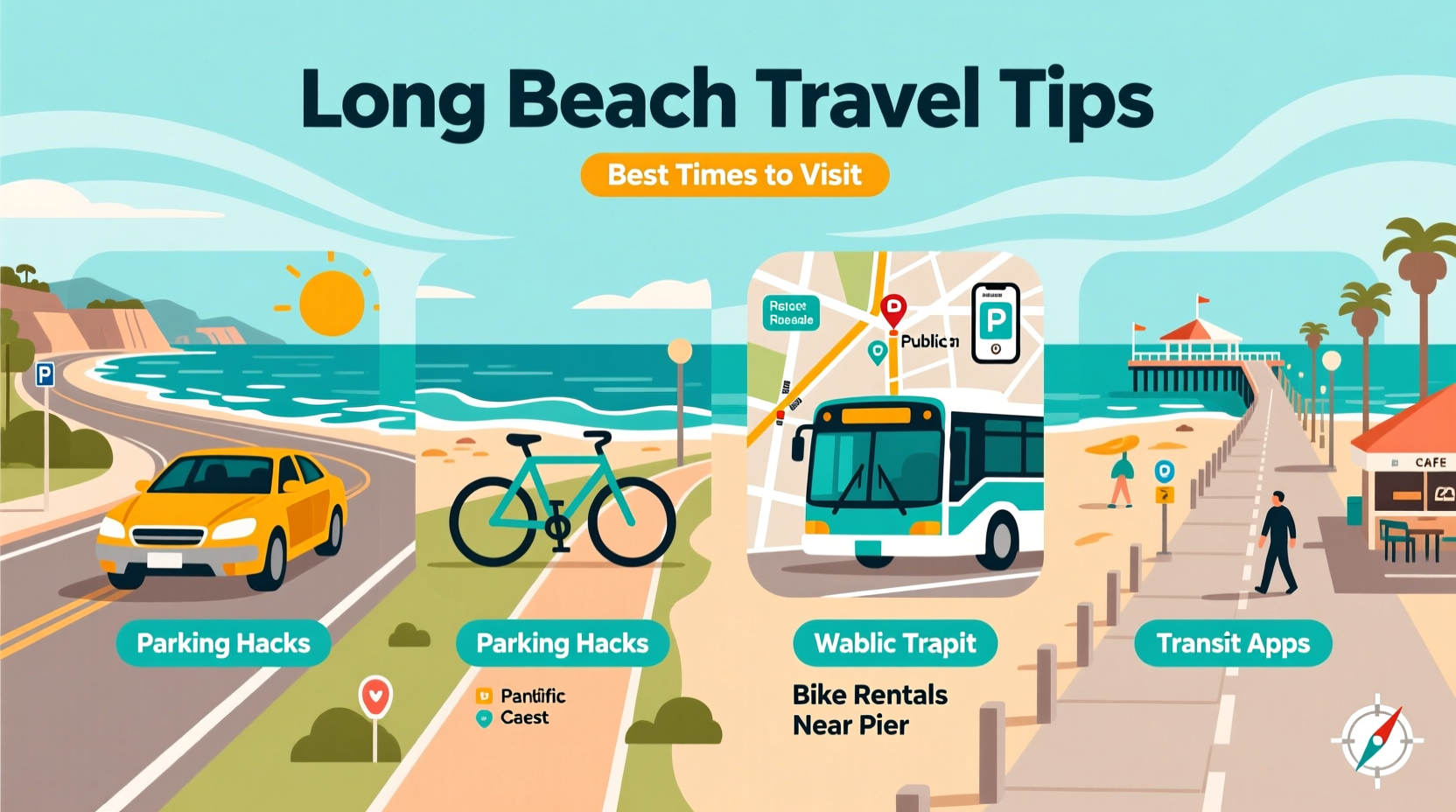
For many, driving remains the most flexible way to reach Long Beach. Whether coming from Orange County, downtown LA, or farther inland, several major freeways connect directly to the city. The I-710 (Long Beach Freeway) runs straight into downtown and the port area, while the I-405 and I-605 offer alternate northern access points. However, traffic congestion—especially during rush hours and summer weekends—can be significant.
Tip: Avoid peak commute times (7–9 AM and 4–6 PM) when entering Long Beach via I-710. Use real-time navigation apps like Waze to reroute around accidents or construction.Parking availability varies widely depending on where you’re headed. Downtown and Shoreline Village have structured lots but limited street parking. The Pike Outlets and Aquarium of the Pacific areas fill up quickly on weekends. Paid meters typically operate from 9 AM to 6 PM, with rates between $2–$4 per hour. Overnight street parking may require permits in residential zones near beaches.
“Always check municipal signage before parking overnight. A $75 ticket can ruin an otherwise perfect beach getaway.” — Carlos Mendez, Long Beach Transportation Planner
Recommended Driving Routes by Origin
| From | Best Route | Estimated Time | Traffic Tips |
|---|---|---|---|
| Downtown LA | I-110 S → I-710 S | 25–45 min | Use ExpressLanes; avoid during morning rush |
| Orange County | CA-55 N → CA-22 W → I-405 N | 30–50 min | Watch for merge delays near Seal Beach |
| LAX Airport | I-405 N → I-110 S → I-710 S | 35–60 min | Rush hour adds 20+ minutes |
Flying In: Airports, Transfers, and Terminal Tips
No commercial airport serves Long Beach directly, but travelers have two primary options: Long Beach Airport (LGB) and Los Angeles International Airport (LAX). LGB is smaller, less crowded, and only four miles from downtown. It offers direct flights via American, Delta, Southwest, and Alaska Airlines to key domestic hubs. Passengers praise its quick security lines and proximity to rideshares.
LAX, though larger and often more congested, provides far more international and domestic connections. Travelers flying into LAX must plan extra time for ground transfer. Options include rideshare (Uber/Lyft), taxi, shuttle services, or public transit via Metro Rail’s K Line (formerly Crenshaw/LAX Transit Project).
Tip: Book rideshares to LGB instead of LAX whenever possible—it saves time, reduces stress, and avoids LAX’s notorious pick-up/drop-off fees.If arriving at LAX, consider taking the free LAX Shuttle G to Aviation/Century Station, then board the Metro Rail K Line to DTLA, and transfer to bus line 115 or 102 toward Long Beach. Total travel time averages 75–90 minutes. Alternatively, private shuttles like SuperShuttle offer door-to-door service for around $40–$60 per person.
Public Transit: Metro Rail, Buses, and DASH Services
Los Angeles County Metro operates reliable bus and rail connections to Long Beach. The Metro A Line (Blue Line) runs from Downtown LA through South Central neighborhoods and terminates at Long Beach Transit Mall. Trains run every 10–12 minutes during peak hours and cost just $1.75 per ride with TAP card integration.
Within Long Beach, the local transit system includes over 30 bus routes and three free DASH shuttles that loop popular districts:
- DASH Blue: Covers downtown, Pine Avenue, and The Pike
- DASH Green: Connects Belmont Shore and Naples Island
- DASH Aqua: Runs along the beachfront from Alamitos Beach to Bluff Park
A day pass costs $7 and allows unlimited transfers across both Metro and Long Beach Transit buses.
Step-by-Step Guide: Taking Public Transit from Union Station to Long Beach
- Purchase a TAP card ($2 fee + minimum $5 load) at Union Station.
- Board the Metro A Line (Blue) train bound for Long Beach.
- Ride for approximately 50 minutes, passing through Compton and Watts.
- Exit at Long Beach Transit Mall (last stop).
- Transfer to a DASH shuttle or local bus if needed.
- Tap out upon exiting to avoid overcharges.
Biking and Walking: Exploring Long Beach Car-Free
Long Beach is one of Southern California’s most bike-friendly cities, with over 80 miles of designated bike lanes and Class I protected paths. The beachfront Marvin Braude Bike Trail extends from Torrance all the way to Shoreline Village, offering stunning ocean views. Rentals are available at shops near Rainbow Harbor and Belmont Pier.
Walking is equally viable in central areas. Downtown, 4th Street Retro Row, and the East Village Arts District are compact and pedestrian-oriented. Sidewalks are wide, crosswalks frequent, and outdoor cafes abundant.
Tip: Download the City of Long Beach Bike Map online before arrival—it highlights low-stress routes and secure bike parking locations.For longer trips, use bike-share programs like Lime or Bird e-bikes, which charge $1 to unlock plus $0.30 per minute. These are ideal for short hops between the beach, restaurants, and museums.
Real Example: A Weekend Visitor's Multi-Modal Trip
Samantha flew into Long Beach Airport on a Friday afternoon. She avoided rental cars by pre-booking an Uber to her downtown hotel—a 12-minute ride costing $18. On Saturday, she walked to breakfast on 4th Street, then rented a classic cruiser bike to ride the coast path to Alamitos Beach. Later, she took the DASH Blue shuttle to the Aquarium. Sunday morning, she used the Metro A Line to visit Grand Central Market in LA before returning. Her total transport spending was under $50 for the weekend, and she skipped parking hassles entirely.
This blend of modes—air, rideshare, bike, shuttle, and rail—demonstrates how seamless multi-modal travel can enhance comfort and reduce environmental impact.
Essential Checklist Before You Go
- ✅ Check real-time traffic conditions if driving during peak hours
- ✅ Confirm flight arrivals at LGB vs. LAX and arrange transfers
- ✅ Load a TAP card for Metro and Long Beach Transit use
- ✅ Reserve a bike rental in advance during summer months
- ✅ Locate paid parking zones and download PayByPhone app
- ✅ Pack reusable water bottle and sunscreen for active commutes
Frequently Asked Questions
Is Long Beach accessible without a car?
Yes. With expanding public transit, bike infrastructure, and rideshare availability, it’s entirely feasible—and often easier—to explore downtown, the beach, and major attractions without driving.
How early should I arrive at LGB before my flight?
Since security lines rarely exceed 10 minutes, arriving 45–60 minutes before domestic departures is sufficient. That’s half the time needed at LAX.
Are there EV charging stations in public parking areas?
Yes. Several city-owned garages, including those at The Pike and Renaissance Center, offer Level 2 chargers. PlugShare app lists current availability and connector types.
Travel Smarter, Experience More
Long Beach rewards thoughtful planning. Whether you're merging onto the 710 at dawn or hopping off a train with sunglasses and sandals, your choice of transportation sets the tone. By understanding your options—driving wisely, flying efficiently, riding transit confidently, or pedaling freely—you gain flexibility, reduce stress, and unlock deeper access to this dynamic seaside city. Don’t let logistics overshadow adventure. Equip yourself with the right knowledge, choose the best mode for each leg of your journey, and step into your Long Beach experience ready to explore.
💬 What’s your favorite way to get around Long Beach? Share your tips, tricks, or transit wins in the comments below!








