Selecting the right running shoes is not about brand prestige or flashy design—it’s about biomechanical alignment, injury prevention, and long-term enjoyment of the sport. Every runner has a unique foot structure, gait pattern, and training goal. Wearing shoes that don’t align with your natural mechanics can lead to discomfort, inefficiency, and even chronic injuries like plantar fasciitis, shin splints, or stress fractures. The key lies in understanding your foot type and matching it with the appropriate shoe technology. This guide breaks down everything you need to know—from identifying your arch type to choosing the right cushioning and stability features—so you can run farther, faster, and with greater confidence.
Understanding Your Foot Type: The Foundation of Shoe Selection
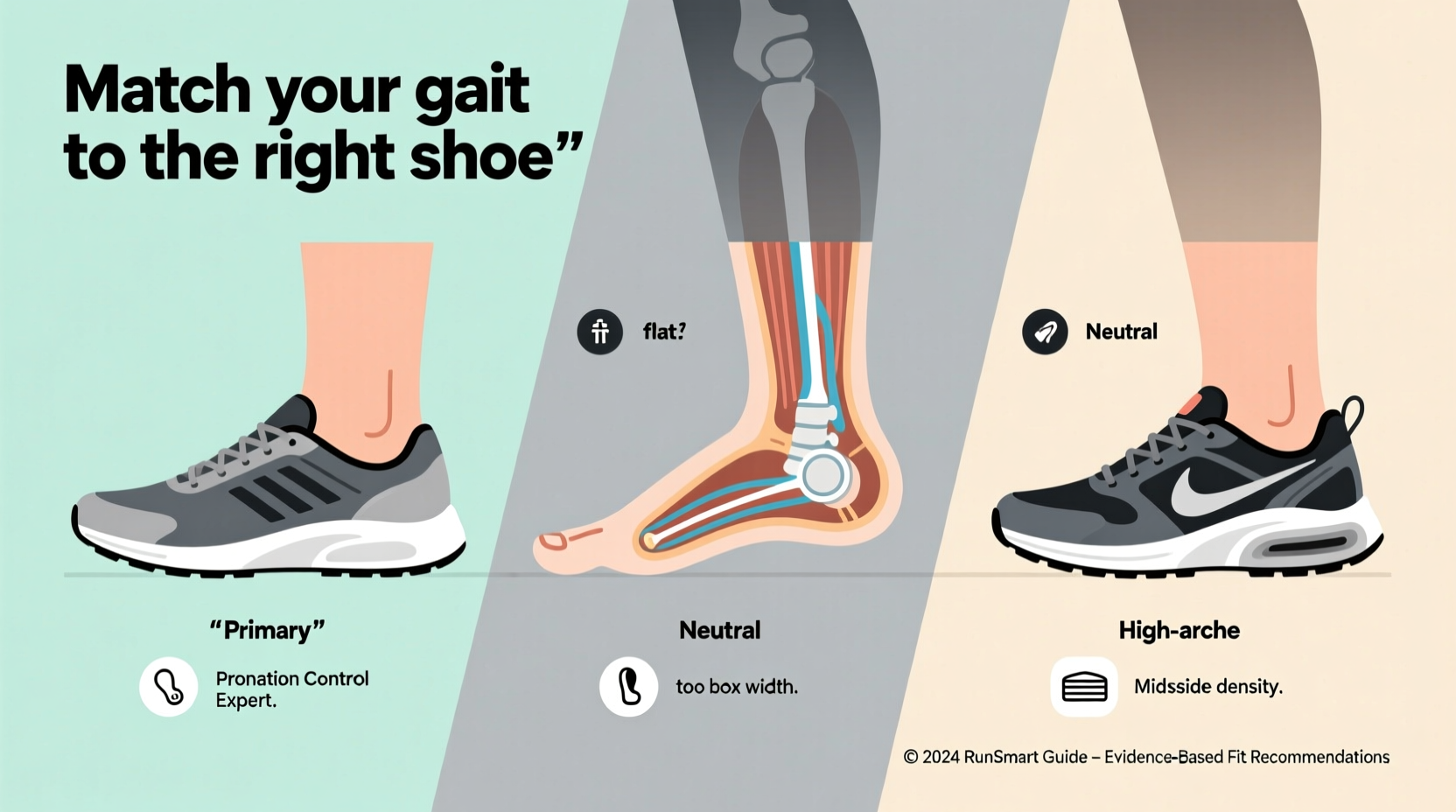
Your foot type determines how your body absorbs impact during each stride. There are three primary arch types: low (flat feet), neutral (medium arch), and high (rigid arch). Each influences pronation—the inward rolling motion of the foot after heel strike. Identifying yours is the first step toward smarter footwear choices.
- Flat Feet (Overpronators): Tend to roll excessively inward, placing strain on the ankles and knees. These runners benefit from structured support and motion control.
- Neutral Arches: Exhibit balanced pronation, allowing for efficient energy transfer. Most flexible in shoe choice but still require proper cushioning.
- High Arches (Underpronators/Supinators): Roll outward upon landing, reducing shock absorption. Need extra cushioning and flexibility to compensate.
Matching Shoes to Gait and Pronation Patterns
Gait analysis goes beyond arch height—it considers how your foot moves through the entire stride cycle. While specialty running stores often offer video gait analysis, you can also observe wear patterns on old shoes. Excessive wear on the inner edge typically signals overpronation; outer wear suggests supination.
Running shoes are engineered with specific technologies to address these movement patterns:
- Stability Shoes: Ideal for mild to moderate overpronators. Feature dual-density midsoles or medial posts to guide the foot into a neutral position.
- Motion Control Shoes: Designed for severe overpronation or heavier runners. Offer rigid support and reinforced structure to limit excessive motion.
- Cushioned/Neutral Shoes: Best for neutral runners and supinators. Prioritize soft foam, flexibility, and shock absorption over corrective support.
“Choosing a shoe based solely on appearance is like buying glasses without checking your prescription.” — Dr. Lena Torres, Sports Podiatrist
Key Features to Evaluate in Running Shoes
Beyond fit and foot type, several technical elements influence performance and comfort. Understanding them empowers informed decisions.
| Feature | Purpose | Best For |
|---|---|---|
| Midsole Foam | Absorbs impact and returns energy | All runners; newer foams (e.g., PWRRUN, ZoomX) enhance responsiveness |
| Heel-to-Toe Drop | Difference in height between heel and forefoot (typically 4–12mm) | Higher drop eases calf strain; lower promotes natural foot strike |
| Toe Box Width | Space for toes to splay naturally | Runners with wide feet or bunions |
| Upper Material | Impacts breathability, weight, and lockdown | Engineered mesh offers balance of support and airflow |
| Outsole Rubber | Determines durability and traction | Carbon rubber in high-wear zones extends shoe life |
How Terrain Influences Your Choice
Where you run matters. Road shoes prioritize smooth-surface efficiency, while trail models feature aggressive lugs, rock plates, and protective uppers. Track spikes are built for speed, whereas ultra-distance shoes emphasize cushioning and durability. Always align your shoe’s design with your primary running environment.
Step-by-Step Guide to Buying the Right Running Shoes
Follow this process to ensure every purchase supports your biomechanics and goals:
- Assess Your Foot Type: Use the wet test or consult a podiatrist for professional evaluation.
- Visit a Specialty Running Store: Get a gait analysis and try multiple models. Go later in the day when feet are slightly swollen.
- Test for Fit: Ensure a thumb’s width (about 1 cm) between longest toe and shoe end. Heel should be snug without slipping.
- Walk and Jog Indoors: Many stores have treadmills or short paths. Feel for pressure points, instability, or tightness.
- Consider Your Mileage: High-mileage runners need durable, well-cushioned shoes. Beginners benefit from stability and protection.
- Rotate Shoes When Possible: Using two pairs alternately extends lifespan and reduces repetitive stress.
Real Runner Example: From Pain to Performance
Sarah, a 34-year-old recreational runner, began experiencing sharp knee pain after increasing her weekly mileage. She had been using lightweight neutral shoes because they “felt fast.” A gait analysis revealed she was a moderate overpronator with flat feet—her shoes offered no support. After switching to a stability model with a 10mm drop and medial post, her pain subsided within three weeks. With proper footwear, she completed her first half-marathon without discomfort.
This case illustrates a common mistake: prioritizing aesthetics or trends over biomechanical needs. Correct shoe selection isn’t just about comfort—it’s foundational to injury-free progression.
Frequently Asked Questions
Can I use orthotics with running shoes?
Yes. Many runners use custom or over-the-counter orthotics to correct biomechanical imbalances. Choose shoes with removable insoles and ample depth in the midsole to accommodate inserts without compromising fit.
Are expensive running shoes worth it?
Price often reflects advanced materials and research, but the most expensive shoe isn’t always the best for you. Focus on fit, function, and foot compatibility rather than cost. Some top-performing models are priced competitively.
Should I size up in running shoes?
It’s common—and often recommended—to go a half-size larger than your everyday shoes. Feet swell during runs, especially in heat or over long distances. Extra space prevents blackened toenails and hot spots.
Final Checklist Before You Buy
- ✅ Arch Match Confirmed:
- Shoe category aligns with your foot type (neutral, stability, motion control).
- ✅ Proper Fit Verified:
- No pinching, heel slippage, or tightness across the forefoot.
- ✅ Terrain Appropriate:
- Road, trail, or track-specific design matches your primary running surface.
- ✅ Drop & Cushioning Aligned:
- Heel-to-toe drop suits your stride; cushioning level meets your comfort and mileage needs.
- ✅ Tested in Motion:
- You’ve walked or jogged in the shoes before purchasing.
Conclusion: Step Into Confidence
The right running shoe doesn’t just protect your feet—it enhances your entire running experience. By understanding your foot type, respecting your biomechanics, and making informed choices, you lay the groundwork for stronger, more enjoyable miles. Don’t guess. Measure, test, and listen to your body. Whether you're starting out or logging decades of runs, investing time in proper shoe selection pays dividends in comfort, performance, and longevity. Take the next step with intention, and let every stride reflect the care you’ve put into your foundation.
💬 Have questions about your current shoes or foot type? Share your experience in the comments—we’d love to help you find your perfect fit.








