Hunting dogs have been indispensable companions to outdoor enthusiasts for centuries, combining instinct, intelligence, and loyalty to enhance the success of any hunt. Whether you're pursuing upland birds, tracking wounded deer, or retrieving waterfowl in frigid lakes, the right breed makes all the difference. Not all dogs are built for every task—some excel in pointing, others in flushing, and a few specialize in cold-water endurance. This guide breaks down the top 20 most reliable hunting dog breeds, categorized by their strengths and ideal hunting environments.
The Role of Specialization in Hunting Dogs
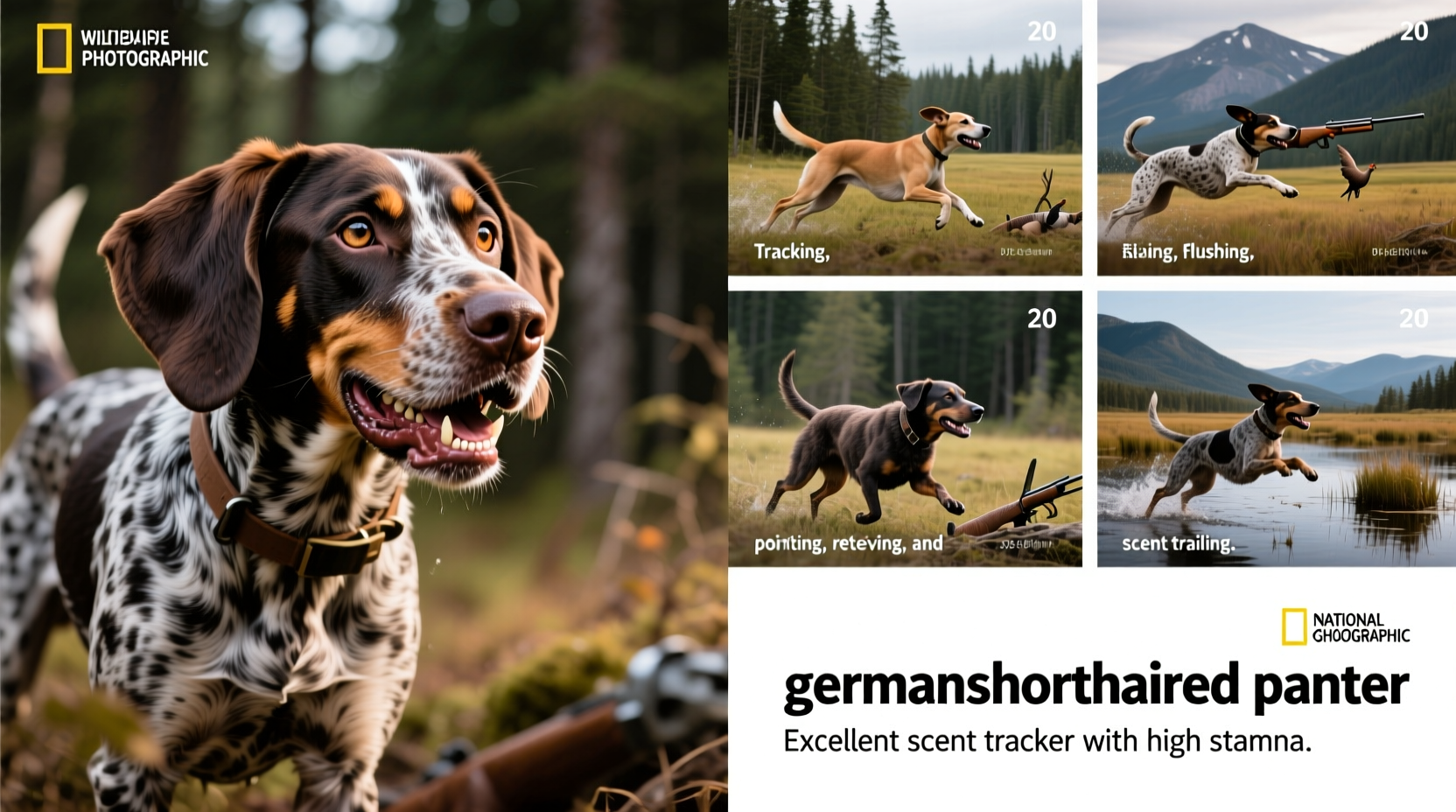
Hunting dogs fall into four primary categories: pointers, setters, flushers, and retrievers. Each has evolved for specific terrain and game types. Pointers and setters locate game and hold a rigid stance, allowing hunters to approach. Flushers spring into action, driving birds into flight. Retrievers bring downed game back intact, often through challenging conditions like thick cover or icy water. Understanding these roles helps match the right dog to your preferred style of hunting.
“Selecting a hunting dog isn’t just about instinct—it’s about matching temperament, energy, and physical ability to your environment.” — Dr. Alan Prescott, Canine Behavior Specialist & Field Trial Judge
Top 20 Hunting Dog Breeds by Discipline
The following list ranks the most dependable breeds based on field performance, trainability, health, and adaptability across various hunting styles. These dogs are proven performers, backed by generations of working lines and consistent results in real-world conditions.
Upland & Field Specialists (Pointing & Setting)
- German Shorthaired Pointer (GSP) – The ultimate all-around hunter. Agile, intelligent, and tireless, GSPs excel at pointing, retrieving, and tracking across diverse terrains.
- Vizsla – Lean, energetic, and deeply bonded to handlers. Vizslas thrive in open fields and dense brush, with a soft mouth ideal for bird retrieval.
- Weimaraner – Known for speed and stamina, this silver-gray breed works well in large open areas. Requires strong training due to high energy.
- English Pointer – Classic pointing dog with unmatched range and nose. Best suited for vast fields and long hunts.
- Brittany Spaniel – Despite the name, it's a pointing dog. Compact, versatile, and eager to please, ideal for small to mid-sized properties.
- Wirehaired Pointing Griffon – Rugged coat handles wet underbrush. Excellent for damp European-style cover and mixed terrain.
- Old Danish Pointer – Lesser-known but highly efficient. Calm demeanor with steady pointing instincts, perfect for methodical hunters.
Flushing Dogs – Precision and Drive
- English Springer Spaniel – A powerhouse in thick cover. Trained to flush pheasant and woodcock with precision, then retrieve on command.
- Cocker Spaniel (Working Line) – Don’t confuse show-bred Cocker Spaniels with field-bred ones. The latter are compact, fearless, and relentless in dense brush.
- Clumber Spaniel – Built low to the ground for moving silently through hedgerows. Strong scent drive and gentle mouth for delicate retrieves.
- American Water Spaniel – Native to Wisconsin, this versatile breed flushes and retrieves both land and water game with equal skill.
Retrievers – Masters of the Water and Blind Retrieve
- Labrador Retriever – The most popular hunting dog for good reason. Calm, trainable, and powerful swimmer. Dominates duck and goose hunting.
- Chesapeake Bay Retriever – Bred for brutal coastal conditions. Dense double coat resists ice, and webbed feet provide propulsion in waves.
- Golden Retriever – Gentle temperament and exceptional soft-mouth make them ideal for family hunters who also need a reliable retriever.
- Nova Scotia Duck Tolling Retriever – Uses playful \"tolling\" behavior to lure ducks within range. Agile, intelligent, and cold-tolerant.
- Flat-Coated Retriever – Often overshadowed but equally capable. Energetic, joyful, and excels in both field and water work.
Big Game & Tracking Dogs
- Black and Tan Coonhound – Legendary for trailing raccoons and feral hogs. Deep bark carries over distance, helping hunters track location.
- Plott Hound – The only coonhound breed not descended from European stock. Fearless on bear and boar trails, bred for mountainous terrain.
- Treeing Walker Coonhound – Fast, vocal, and persistent. Ideal for night hunts where sound is critical to tracking.
- German Wirehaired Dachshund – Though small, this breed is used in Europe for tracking wounded boar. Tenacious and fearless in burrows and thickets.
Choosing the Right Breed for Your Hunting Style
Matching a dog to your typical hunting scenario ensures better performance and stronger partnership. Consider the following factors when selecting a breed:
- Terrain: Thick woods favor spaniels; open plains suit pointers.
- Game Type: Waterfowl demand strong retrievers; upland birds benefit from wide-ranging pointers.
- Climate: Cold-weather hunters need double-coated breeds like Chesapeakes or Wirehaired Pointing Griffons.
- Hunter Mobility: If you walk long distances, choose an endurance breed like a Brittany or Vizsla.
- Family Environment: Some breeds, like Labradors and Goldens, transition smoothly to home life; others require more stimulation.
| Breed | Best For | Energy Level | Water Tolerance |
|---|---|---|---|
| German Shorthaired Pointer | All-purpose field hunting | Very High | High |
| Labrador Retriever | Duck & goose retrieval | High | Excellent |
| Brittany Spaniel | Pheasant, quail in moderate cover | High | Moderate |
| Chesapeake Bay Retriever | Brutal winter waterfowl | High | Exceptional |
| Black and Tan Coonhound | Nocturnal tracking, treeing game | Moderate-High | Low |
Real-World Example: A Midwest Pheasant Hunter’s Experience
Mark Reynolds, a lifelong hunter from Iowa, switched from a Labrador to a German Shorthaired Pointer after years of struggling with slow quartering patterns in corn stubble and CRP grasslands. “The Lab was great in water, but he didn’t cover ground efficiently,” Mark explains. “My GSP, Scout, ranges out 150 yards, locks up on point, and brings back birds without crushing them. He’s tougher in thorns and cold than I am.” Since making the switch, Mark’s success rate on roosters has nearly doubled, proving that breed specialization directly impacts field outcomes.
Actionable Checklist: Selecting & Training Your Hunting Dog
Follow this checklist to ensure you get the most from your hunting companion:
- ✅ Identify your primary game species and terrain type.
- ✅ Research reputable breeders specializing in field or working lines.
- ✅ Evaluate puppies or adults for prey drive, focus, and biddability.
- ✅ Begin basic obedience training by 4–6 months of age.
- ✅ Introduce gunfire and water gradually and positively.
- ✅ Enroll in a structured field training program or work with a pro trainer.
- ✅ Maintain fitness through off-season conditioning and mental challenges.
Frequently Asked Questions
Can any dog be trained to hunt?
While many dogs can be taught basic retrieve skills, true hunting proficiency requires innate instinct—especially for pointing, tracking, or sustained focus. Breeds developed for hunting possess genetic predispositions that make training far more effective and reliable.
How old should a hunting dog be before starting field training?
Begin foundational obedience and socialization at 8–12 weeks. Controlled exposure to birds, gunfire, and water starts around 5–7 months. Full field training typically begins at 12–18 months, once physical development supports rigorous activity.
Are hybrid or mixed-breed dogs suitable for hunting?
Sometimes. A cross between two proven hunting breeds (e.g., Lab x Pointer) may inherit desirable traits. However, predictability drops significantly compared to purebreds with documented working lineage. For serious hunting, purebred working lines remain the gold standard.
Final Thoughts: Building a Legacy in the Field
A great hunting dog is more than a tool—it’s a partner whose instincts amplify your own. From the silent crouch of a pointer to the thunderous splash of a retriever charging into a frozen marsh, these animals elevate the experience, turning solitary pursuit into shared purpose. The breeds listed here represent the pinnacle of functional design, honed by time and trial. Choose wisely, train patiently, and respect the bond you build. With the right dog at your side, every season becomes richer, deeper, and more rewarding.
🚀 Ready to find your next hunting partner? Share this guide with fellow outdoorsmen or comment below with your favorite breed and why it earned its place in your truck.








