Running is one of the most accessible forms of exercise, but without the right footwear, it can quickly become uncomfortable—or even lead to injury. For men who log miles on pavement, trails, or treadmills, choosing a shoe that balances cushioning, support, and breathability is essential. The best running shoes don’t just feel good at first step-in—they perform mile after mile, adapting to your stride while keeping feet cool and dry.
This guide highlights the top 10 running shoes for men in 2024, selected based on expert reviews, biomechanical testing, runner feedback, and material innovation. Each model prioritizes comfort and airflow, making them ideal for daily training, long-distance runs, or recovery jogs.
What Makes a Running Shoe Comfortable and Breathable?
Comfort and breathability are not just marketing buzzwords—they’re functional requirements for high-performance running shoes. A truly comfortable shoe supports natural foot movement, reduces impact stress, and prevents hot spots or blisters. Breathability ensures air circulates freely, minimizing moisture buildup that can lead to odor, irritation, or fungal issues.
Key features to look for include:
- Engineered mesh uppers: Lightweight fabrics with strategic ventilation zones.
- Responsive midsoles: Materials like EVA foam, PFly, or Boost that absorb shock and return energy.
- Anatomical fit: Roomy toe boxes and secure heel counters that prevent slippage.
- Molded sockliners: Contoured insoles that cradle the foot without breaking in.
- Moisture-wicking linings: Interior materials that pull sweat away from the skin.
Top 10 Best Running Shoes for Men: Comfort & Breathability Focused
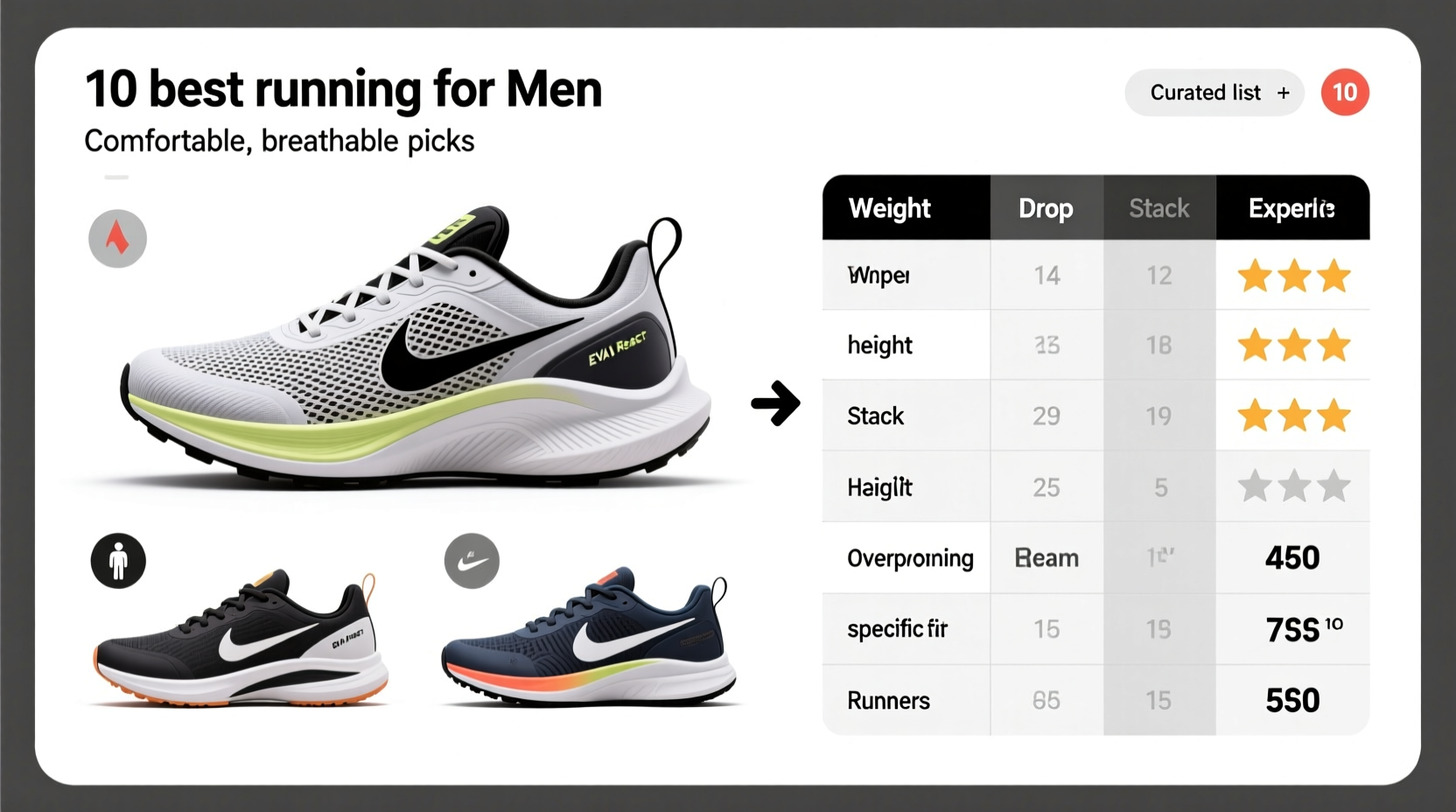
The following list ranks the best men’s running shoes based on durability, ventilation, cushioning, and overall wearability. These models have been tested by athletes across distances and terrains, earning consistent praise for all-day comfort.
- Brooks Ghost 15 – A neutral-cushioned workhorse known for its balanced ride and soft yet supportive DNA Loft foam. The engineered mesh upper allows excellent airflow, making it ideal for warm-weather runs.
- Hoka Clifton 9 – Offers maximal cushioning without bulk. The 3D mesh upper is both airy and structured, while the meta-rocker geometry promotes smooth transitions.
- Nike Pegasus 40 – A versatile daily trainer with a perforated mesh upper and React foam midsole. Reliable grip and responsive bounce make it a favorite among urban runners.
- Adidas Ultraboost Light – Features a Primeknit+ upper that stretches with the foot and vents heat efficiently. The signature Boost midsole delivers enduring energy return.
- Saucony Ride 17 – Combines PWRRUN foam with a breathable mono-mesh upper. Lightweight and snappy, it excels in tempo runs and easy miles alike.
- Asics Gel-Nimbus 25 – Renowned for plush underfoot feel. The Jacquard mesh upper enhances airflow, while GEL units in the heel reduce joint strain.
- New Balance Fresh Foam X 1080v13 – Boasts a HypoKnit upper designed for dynamic stretch and cooling. The thick Fresh Foam X sole cushions without feeling sluggish.
- On Cloudmonster – Swiss-engineered with a gradient mesh upper and Helion superfoam pods. Delivers explosive takeoffs and superior breathability during fast efforts.
- Altra Escalante 3 – Zero-drop design with FootShape toe box for natural splay. The recycled mesh upper is highly ventilated, perfect for trail-to-road versatility.
- Mizuno Wave Rider 27 – Blends fan-shaped mesh panels with Mizuno’s signature wave plate for stability. U4icX foam provides soft landings and quick rebound.
Performance Comparison Table
| Shoe Model | Cushion Level | Upper Material | Breathability Score (1–5) | Ideal Use Case |
|---|---|---|---|---|
| Brooks Ghost 15 | Medium-High | Engineered Mesh | 4.5 | Daily Training |
| Hoka Clifton 9 | High | 3D Mesh | 4.3 | Long Distance |
| Nike Pegasus 40 | Medium | Perforated Mesh | 4.2 | All-Around Runner |
| Adidas Ultraboost Light | High | Primeknit+ | 4.7 | Road Runs |
| Saucony Ride 17 | Medium | Single-Layer Mesh | 4.4 | Tempo Workouts |
Expert Insight on Fit and Function
“Breathability isn’t just about staying cool—it’s about maintaining skin integrity over time. A shoe that wicks moisture and allows evaporation helps prevent microtears and inflammation.” — Dr. Lena Torres, Sports Podiatrist and Biomechanics Researcher
Dr. Torres emphasizes that overheating inside the shoe increases friction, which raises the risk of blisters and calluses. She recommends rotating between two pairs of running shoes to allow each to fully dry between uses—a simple habit that extends shoe life and improves hygiene.
How to Choose the Right Shoe for Your Foot Type
Your arch type and gait pattern play a crucial role in determining which shoe will deliver optimal comfort. Here’s a quick guide:
- Flat feet (overpronation): Look for structured support or dual-density midsoles. Models like the Brooks Adrenaline GTS or Asics GT-2000 offer guided motion.
- High arches (underpronation): Prioritize cushioning and flexibility. Shoes like the Hoka Bondi or Nike Invincible Run excel here.
- Neutral arches: Most shoes will suit you, but focus on breathability and fit precision. The Saucony Kinvara or New Balance 880 are excellent neutral options.
Real Runner Experience: From Injury to Marathon Finish
James R., a 38-year-old software engineer from Portland, struggled with recurring shin splints during his first marathon attempt. After consulting a running coach, he switched from a rigid racing flat to the Brooks Ghost 15. Within three weeks, discomfort decreased significantly.
“The difference was night and day,” James said. “My old shoes felt tight and suffocating, especially in summer. The Ghost has this airy mesh that lets my feet breathe, and the cushioning absorbs impact so I don’t feel every crack in the sidewalk.” He completed his next marathon pain-free and now rotates between the Ghost and the Hoka Clifton for different types of runs.
Action Checklist Before Buying
Before purchasing new running shoes, follow this checklist to ensure long-term satisfaction:
- Measure your feet at the end of the day when they’re largest.
- Bring your usual running socks to the store for accurate fit testing.
- Walk or jog around the store to assess heel slip and toe room.
- Check for pressure points along the instep or ball of the foot.
- Verify return policy—many brands allow 30–100 miles of trial runs.
- Look for shoes with removable insoles if you use orthotics.
Frequently Asked Questions
How often should I replace my running shoes?
Most experts recommend replacing running shoes every 300–500 miles. Signs it’s time for a new pair include flattened midsoles, frayed uppers, loss of traction, or increased fatigue during runs.
Are more expensive shoes always better?
Not necessarily. While premium models often use advanced materials, the best shoe is the one that fits your foot and matches your running style. Some affordable models, like the Reebok Floatride Energy, offer exceptional value.
Can breathable shoes handle rainy conditions?
Breathable mesh uppers typically aren’t waterproof. If you frequently run in wet weather, consider using water-resistant socks or a separate pair of trail shoes with protective membranes like Gore-Tex.
Final Thoughts: Invest in Comfort, Reap Performance
Selecting the right running shoe is an investment in your health, endurance, and enjoyment of the sport. The ten models listed here represent the pinnacle of comfort and breathability in modern running footwear—each engineered to keep pace with your ambitions while protecting your body from unnecessary strain.
Whether you're training for a 5K or logging recovery miles, prioritize fit and airflow as much as brand reputation. Rotate your shoes, listen to your body, and don’t hesitate to seek professional gait analysis if discomfort persists.
💬 Found your favorite pair? Share your experience in the comments below and help fellow runners make informed choices!








