
Perch are one of the most widespread panfish across North America and Europe, prized for their aggressive bite, schooling behavior, and table fare. While they may not grow to trophy sizes like pike or bass, yellow perch offer consistent action and challenge anglers with their seasonal patterns and habitat preferences. Success hinges on more than just showing up—it requires the right lure at the right depth, color, and presentation. After extensive field testing across lakes, rivers, and reservoirs, these ten lures stand out for their reliability, versatility, and ability to trigger strikes under varying conditions.
Why Lure Selection Matters for Perch
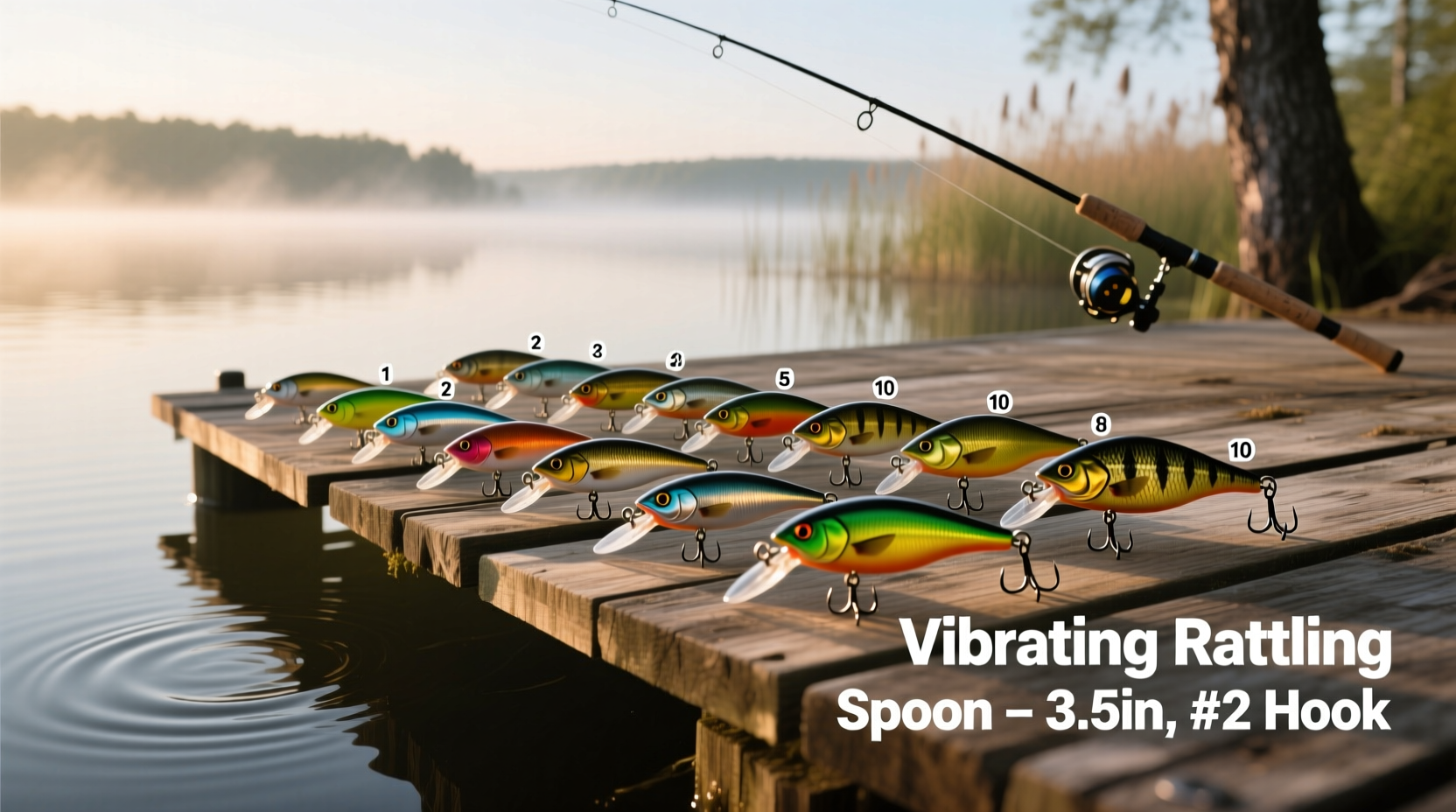
Perch inhabit a range of environments—from shallow weedy bays in spring to deep offshore humps in winter. Their feeding habits shift with temperature, light, and prey availability. A lure that works in murky water during low light might fail completely in clear, sun-drenched shallows. The best perch lures combine realistic profiles, subtle action, and adaptability. They can be jigged vertically through ice, cast and retrieved along weed edges, or trolled slowly over structure. Versatility isn’t a bonus—it’s essential.
Anglers often overlook perch because they’re considered “easy” targets. But smart fish learn quickly. Using the same old lure year-round leads to diminishing returns. Rotating proven options based on season, depth, and clarity keeps perch guessing—and biting.
Tip: Match your lure size to local forage—smaller minnows and insect larvae dominate in cooler months, so downsize your lures accordingly.Top 10 Best Perch Lures for All-Season Success
- Northland Tackle Forage Minnow Spoon (1/16 oz) – This slender spoon mimics emerald shiners and young perch fry with lifelike flash and wobble. Ideal for vertical jigging near drop-offs or casting into shallow weeds. Available in perch-specific colors like perch pearl and smelt silver.
- Rapala Jigging Rap (Model: JR05) – Compact and buoyant, this suspending minnow sinks slowly and pauses enticingly on the stop. Perfect for finesse presentations in 15–30 feet of water. Use a slow lift-and-fall motion to trigger reaction bites.
- Mepps Aglia Long Blade (Size 0 or 00) – A classic spinner with a long, thin blade that produces subtle vibration without overpowering small perch mouths. Works well behind a float or when jigged gently near vegetation.
- Marabou Jig (1/32 to 1/16 oz, white/chartreuse) – Soft, fluttering descent imitates dying insects or tiny baitfish. Tip with a waxworm or perch eye for added scent. Excellent under ice or in early spring when perch are lethargic.
- Durolure Original Mini (Model: DD10) – Its compact body and tight wiggle make it ideal for slow trolling or drifting over mid-lake reefs. The internal rattle draws fish from distance in stained water.
- Eagle Claw Glow Jig (1/32 oz, glow-in-the-dark) – Effective in low-light conditions and deep water where natural light fades. Pair with a live maggot or piece of worm for maximum attraction.
- Storm Arashi Shad (2\") – With its thumping tail and soft plastic construction, this grub-style lure excels on a jig head fished slowly along rocky bottoms. Available in perch-perfect hues like pumpkin pepper and smoke.
- Acme Kastmaster (1/16 oz, chrome/gold) – A timeless metal lure that casts far and sinks fast. Retrieve with short twitches or bounce along bottom contours. Reflects ambient light even on overcast days.
- Zoom Tiny Ultra Vibe (1.75\") – Designed specifically for panfish, this paddle-tail has intense vibration at slow speeds. Rigged on a lightweight shaky head, it’s deadly in summer when perch suspend near thermoclines.
- Jackall ChiBi Chibi (2.2\") – A compact crankbait with a tight wobble and surprising diving depth (up to 8 feet). Cast along weed lines in spring and fall when perch hunt near cover.
Choosing the Right Lure by Season and Condition
Perch behavior changes dramatically throughout the year. Understanding these shifts allows you to select lures that match both mood and environment. Early spring sees perch moving shallow to spawn; late summer finds them deeper and more dispersed. Clarity, wind, and time of day also influence effectiveness.
| Season | Water Depth | Recommended Lures | Tips |
|---|---|---|---|
| Spring (Pre-Spawn & Spawn) | 3–10 ft | Marabou jigs, Jackall ChiBi Chibi, Mepps Aglia | Fish near spawning beds—look for gravel bars in protected bays. |
| Summer | 15–30 ft | Jigging Rap, Zoom Tiny Ultra Vibe, Durolure | Target thermocline edges using electronics to locate schools. |
| Fall | 8–20 ft | Kastmaster, Forage Minnow, Storm Arashi | Follow baitfish migrations toward deeper water. |
| Winter (Ice Fishing) | 10–25 ft | Glow jigs, Marabou, Jigging Rap | Use sonar-equipped flashers to detect active fish; keep movements subtle. |
Real-World Example: Cracking a Tough Winter Bite
On Minnesota’s Mille Lacs Lake last February, a group of anglers struggled to catch perch despite being over a known reef. Most used aggressive tungsten jigs with bright colors, but the fish were unresponsive. One angler switched to a 1/32-ounce white marabou jig tipped with a single waxworm and employed a delicate “deadstick” technique—barely lifting the rod tip an inch every 30 seconds. Within minutes, he had five perch in the bucket. The others followed suit, downsizing gear and slowing down. The key wasn’t aggression; it was subtlety. Cold-water perch often prefer minimal movement and natural profiles.
“Perch aren’t always looking for a meal—they’re looking for something easy. Sometimes the best lure is the one that does almost nothing.” — Greg Sawitzke, Wisconsin DNR Fisheries Biologist
Fine-Tuning Your Approach: Pro Tips and Tactics
Even the best lures fail if presentation doesn’t match the moment. Consider these refinements to increase your catch rate:
- Vary retrieve speed: Start slow. If no bites occur after 10–15 minutes, slightly increase cadence. Pause frequently.
- Experiment with color: In clear water, go natural (silver, olive, perch-patterned). In stained or deep water, use chartreuse, orange, or glow.
- Downsize terminal tackle: Use 2–4 lb test line and ultra-light rods to detect subtle bites. Perch have sensitive mouths and feel heavy line.
- Add scent: Even artificial lures benefit from a dab of attractant like Pro-Cure Panfish Paste.
- Fish structure transitions: Focus on breaks between sand, rock, and weeds—not just the features themselves.
Checklist: Optimizing Your Perch Lure Setup
- ✔ Choose lure size between 1\"–2.5\" (larger only in high-current areas).
- ✔ Match color to water clarity and light penetration.
- ✔ Use appropriate weight for depth—lighter for shallow, heavier for deep.
- ✔ Attach lures with strong, compact knots (e.g., improved clinch knot).
- ✔ Carry a mix of active (spoons, spinners) and passive (jigs, soft plastics) options.
- ✔ Keep spare hooks, split rings, and split shot weights handy.
- ✔ Test new lures in controlled settings before relying on them in tough conditions.
Frequently Asked Questions
Can I use bass lures for perch?
Yes, but scale down. Many small versions of crankbaits, tubes, and grubs work well. Avoid oversized profiles unless targeting giant perch in large lakes.
Do perch respond to noise and vibration?
Sometimes. In murky water or windy conditions, rattling lures or those with wide wobbles help attract attention. In clear, calm water, silence and subtlety are usually better.
How many lures should I carry for a full-day trip?
Aim for 6–8 different types covering various actions and depths. Rotate them systematically rather than randomly switching.
Final Thoughts: Consistency Over Complexity
The best perch angler isn’t the one with the most expensive gear, but the one who understands fish behavior and adapts accordingly. These ten lures represent decades of collective refinement by manufacturers and field testers. Each has earned its place through performance under pressure. Yet, equipment alone won’t guarantee success. It’s the attention to detail—the pause in the jig, the choice of color, the willingness to slow down—that turns opportunity into results.
💬 What’s your go-to perch lure when nothing else is working? Share your favorite setup and experiences in the comments below—your insight could help fellow anglers land their next keeper.








