Staying active during the summer months should be enjoyable, not stifled by sweat-soaked clothes or chafing seams. Whether you're jogging at dawn, playing tennis under the midday sun, or cycling through city trails, your outfit plays a crucial role in how well you perform and how good you feel. The right summer sports attire balances breathability, moisture control, flexibility, and aesthetic appeal. This guide breaks down everything you need to know—from fabric science to fit considerations—to help you dress smartly and stylishly for any warm-weather workout.
Understanding Performance Fabrics for Summer
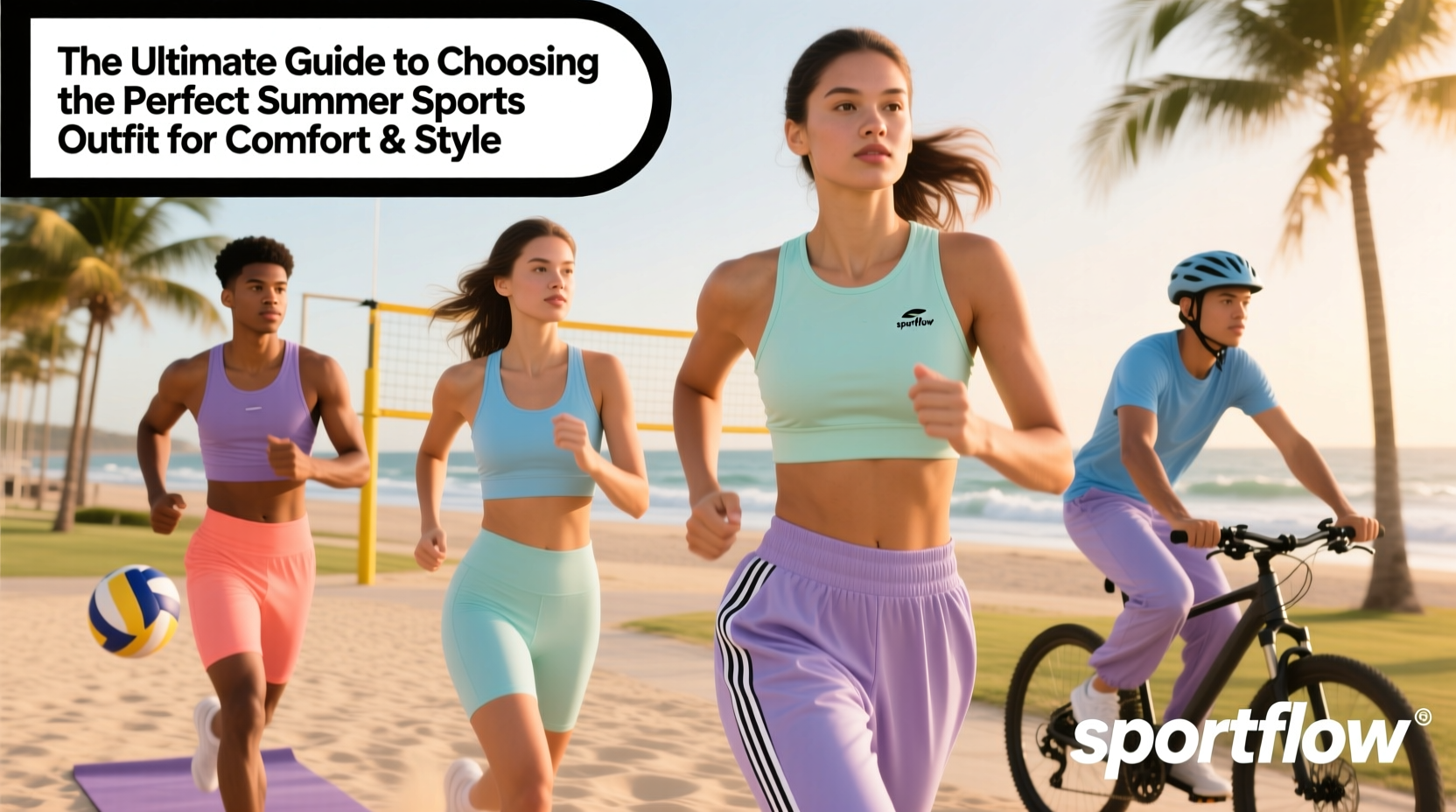
The foundation of any effective summer sports outfit lies in its fabric. Natural fibers like cotton may feel soft, but they absorb sweat and cling to the skin, creating discomfort and increasing the risk of overheating. Instead, modern activewear relies on engineered textiles designed to enhance athletic performance in hot conditions.
Synthetic blends such as polyester, nylon, and spandex dominate the market because they offer superior moisture-wicking capabilities. These materials pull sweat away from the skin and allow it to evaporate quickly, keeping you dry even during intense activity. Many high-end sportswear brands also incorporate advanced treatments like antimicrobial coatings to reduce odor and UV-blocking properties to protect against sun exposure.
Tip: Look for garments labeled “moisture-wicking” or “quick-dry”—these are essential features for staying comfortable in summer heat.Natural synthetics like merino wool are also gaining popularity. Despite being a wool variant, merino is lightweight, breathable, and naturally regulates temperature, making it ideal for endurance athletes who train across fluctuating conditions.
Finding the Right Fit: Function Meets Fashion
Fit is more than just aesthetics—it directly impacts mobility, ventilation, and muscle support. A too-tight shirt can restrict movement and cause irritation, while an oversized piece may flap in the wind, create drag, or trap heat.
Compression wear has become increasingly common among serious athletes. Designed to hug the body snugly without restricting motion, compression garments improve blood circulation, reduce muscle fatigue, and speed up recovery. For casual exercisers, semi-fitted cuts often provide the best balance between freedom of movement and streamlined appearance.
When selecting bottoms, consider both length and waistband design. Running shorts with built-in liners eliminate the need for extra layers, reducing friction. High-waisted leggings offer core support and prevent rolling during dynamic movements like jumping or squatting.
“Proper fit isn’t about size—it’s about how the garment moves with your body. If it pulls or binds during motion, it’s not working for you.” — Lena Torres, Athletic Apparel Designer at Apex Sport Labs
Essential Features of a High-Performance Summer Outfit
Beyond fabric and fit, several functional elements separate average activewear from truly optimized gear:
- Ventilation zones: Laser-cut mesh panels under arms, along the spine, or behind knees increase airflow where heat builds up.
- Flatlock seams: Reduce chafing by minimizing raised stitching that rubs against the skin.
- Reflective details: Enhance visibility during early morning or evening workouts.
- Hidden pockets: Secure small essentials like keys or energy gels without bulk.
- UPF protection: Blocks harmful UV rays, especially important for outdoor cyclists or trail runners.
These features may seem minor individually, but together they significantly elevate comfort and safety during prolonged exposure to sunlight and heat.
Building Your Summer Sports Wardrobe: A Step-by-Step Guide
Creating a versatile, high-functioning summer workout wardrobe doesn’t require buying everything at once. Follow this timeline to build gradually and intentionally:
- Week 1–2: Assess your routine. Identify the types of activities you do most (e.g., running, yoga, hiking) and note environmental factors like humidity or sun exposure.
- Week 3–4: Replace key items first. Start with a high-quality technical tee and a pair of performance shorts or leggings made from moisture-wicking fabric.
- Month 2: Add layering options. Include a lightweight, breathable jacket or vest for cooler mornings or air-conditioned gyms.
- Month 3: Invest in specialty pieces. Consider sport-specific gear like padded cycling shorts or supportive sports bras tailored to your activity level.
- Ongoing: Rotate and evaluate. Pay attention to wear patterns, odor retention, and fit changes after washing. Replace items showing signs of breakdown.
Do’s and Don’ts: What to Avoid When Shopping for Summer Activewear
| Do’s | Don’ts |
|---|---|
| Choose light colors to reflect sunlight | Wear dark colors that absorb heat |
| Prioritize four-way stretch materials | Select rigid fabrics that limit motion |
| Check for flat seams and tagless labels | Ignore rough inner seams that may cause chafing |
| Try on clothes and simulate movement (squat, reach, jump) | Buy based solely on appearance or size tag |
| Look for certifications like OEKO-TEX® or Bluesign® for eco-safe production | Overlook sustainability—fast-fashion activewear often degrades quickly |
Real Example: How One Runner Transformed Her Summer Training
Sophia M., a recreational runner from Austin, Texas, used to dread her summer runs. She frequently experienced overheating, chafing, and post-run laundry challenges due to her cotton tank tops and ill-fitting shorts. After switching to a full technical ensemble—including a ventilated polyester top, compression liner shorts, and a visor with UPF 50+—she noticed immediate improvements.
“I went from dreading my 6 a.m. runs to actually enjoying them,” Sophia said. “I wasn’t soaked halfway through, my legs felt supported, and I didn’t have to change into fresh clothes immediately after finishing. It changed how I view my workouts.”
Her experience underscores how small upgrades in apparel can lead to significant gains in comfort, consistency, and motivation.
Style Without Sacrifice: Looking Good While Performing Well
There’s no reason performance and style should be mutually exclusive. Today’s activewear blends sleek silhouettes, modern color blocking, and tasteful branding to create outfits that transition seamlessly from track to café. Brands like Lululemon, Nike, and Tracksmith have elevated sportswear into fashion-forward territory without compromising functionality.
Stick to a cohesive color palette—neutrals like heather gray, navy, or white paired with one bold accent color (such as coral or electric blue)—to maintain a polished look. Matching sets (top and bottom in the same line) create visual harmony and project confidence, whether you’re at the gym or meeting friends post-workout.
Frequently Asked Questions
Can I wear regular gym clothes in the summer?
Standard gym clothes may work for short indoor sessions, but if you're exercising outdoors or for extended periods, specialized summer performance wear will keep you cooler, drier, and more comfortable thanks to moisture-wicking and ventilation technologies.
How many summer workout outfits do I need?
Aim for at least five to seven interchangeable pieces so you can rotate laundry efficiently. This prevents overuse of single items and maintains hygiene, especially important when sweating heavily.
Are expensive brands worth it?
Higher-priced brands often invest in better fabric engineering, ergonomic design, and durability testing. While budget options exist, investing in a few quality staples typically pays off in long-term comfort and longevity.
Final Thoughts: Dress Smart, Train Better
Your summer sports outfit is more than a fashion statement—it's performance equipment. The right combination of fabric, fit, and function empowers you to push further, stay safer, and enjoy your workouts more. By prioritizing technical features without sacrificing personal style, you create a wardrobe that supports every stride, stretch, and sprint.
🚀 Ready to upgrade your summer activewear? Start with one key piece—like a moisture-wicking top or seamless shorts—and build from there. Share your favorite summer workout gear in the comments below and inspire others to train smarter.








