Choosing between tequila añejo and reposado isn’t just about preference—it’s about intention. One sip of a well-crafted reposado reveals the vibrant soul of agave, gently softened by oak. A pour of añejo offers something deeper: layered complexity, structural richness, and the quiet authority of time. Yet too many drinkers default to one style without understanding what each delivers—or what they’re sacrificing. This isn’t a hierarchy; it’s a spectrum of expression. The real question isn’t “which is better?” but “which serves your palate, occasion, and values right now?” Below, we cut through marketing hype and barrel-age generalizations to examine how aging transforms agave spirit—not just in years, but in chemistry, texture, and context.
What Aging Actually Does to Tequila (Beyond the Label)
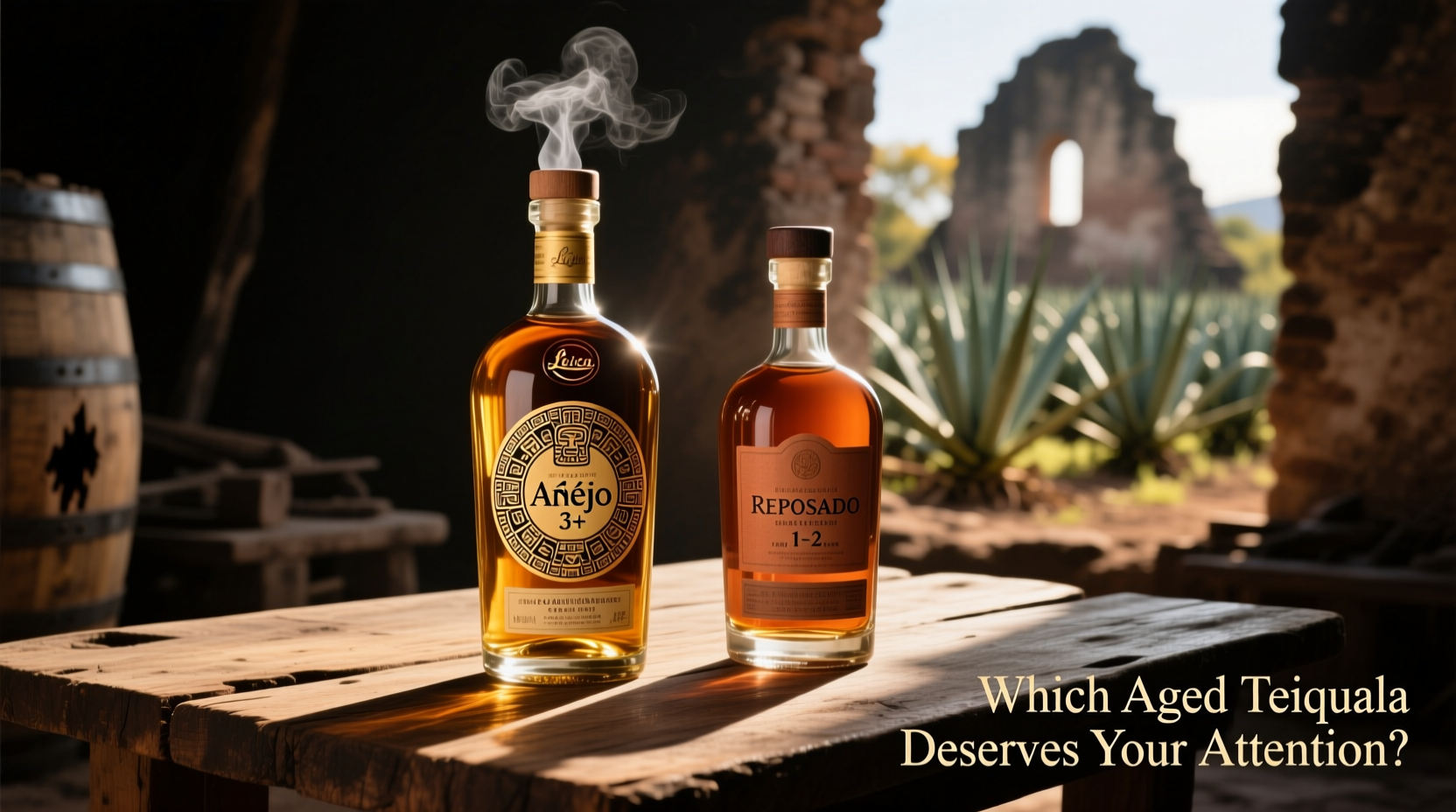
Tequila’s aging process isn’t passive storage—it’s an active dialogue between raw distillate and wood. Reposado (“rested”) must spend a minimum of two months—and no more than 12—in oak barrels. Añejo (“aged”) requires at least one year, up to three. But those numbers alone mislead. Barrel size, wood origin (American vs. French vs. ex-bourbon), toast level, warehouse climate (highland heat accelerates extraction; coastal humidity softens tannins), and even previous barrel use dramatically reshape outcomes.
During aging, three key transformations occur simultaneously:
- Extraction: Vanillin, lignin, and hemicellulose from toasted oak dissolve into the spirit, contributing notes of caramel, baking spice, smoke, and dried fruit.
- Oxidation: Controlled oxygen exposure through porous wood softens harsh alcohols and sharp esters, rounding edges and deepening mouthfeel.
- Esterification: Acids and alcohols naturally recombine over time, forming new aromatic compounds—think stewed apple, leather, or toasted almond—that weren’t present in the blanco.
Critically, aging doesn’t “improve” tequila universally. Over-aging—especially in small, heavily charred barrels—can mute agave entirely, leaving behind woody bitterness or artificial sweetness. That’s why master distillers taste every batch monthly, not just at the legal minimum. As Maestro Tequilero Francisco Alcaraz of Destilería Cascahuín told me during a visit to Arandas:
“A barrel doesn’t know time—it knows temperature, humidity, and the spirit’s readiness. I’ve bottled a reposado at 9 months because it sang. I’ve held an añejo for 34 months because it needed silence.”
Flavor & Texture: A Side-by-Side Breakdown
The sensory divide between reposado and añejo is both distinct and nuanced. It’s not merely “lighter” versus “darker”—it’s about structural balance, aromatic priority, and where the agave voice lands in the mix.
| Characteristic | Reposado (2–12 months) | Añejo (12–36 months) |
|---|---|---|
| Agave Presence | Bright, vegetal, peppery—still the dominant voice, framed but not overshadowed. | Muted, integrated, often earthy or roasted—agave becomes the bassline, not the melody. |
| Wood Influence | Subtle: vanilla bean, light oak, toasted coconut, faint cinnamon. | Pronounced: dark chocolate, clove, pipe tobacco, cedar, dried fig, espresso crema. |
| Mouthfeel | Medium-bodied, lively acidity, clean finish—refreshing but substantial. | Rich, viscous, oily—lingering warmth with velvety tannins and weight on the midpalate. |
| Best Served | Neat at room temperature, or in elevated cocktails where agave character must shine (e.g., Oaxaca Old Fashioned). | Neat, slightly diluted with a drop of water, or in spirit-forward sippers (e.g., Añejo Manhattan). Rarely ideal for shaken cocktails. |
| Typical Price Range (750ml) | $55–$95 (entry to premium) | $85–$220+ (with significant premium for extra-añejo or single-barrel releases) |
Note the price gap isn’t arbitrary. Añejo requires longer capital lock-up, higher evaporation loss (“angel’s share”), and more rigorous quality control. But cost doesn’t guarantee superiority—only different priorities.
When to Choose Reposado: The Versatile Workhorse
Reposado occupies a rare sweet spot: mature enough to offer depth, yet vibrant enough to retain authenticity. It’s the most versatile aged tequila—not because it’s neutral, but because its balance makes it adaptable across contexts.
Consider reposado when:
- You want a sipping tequila that won’t overwhelm before dinner—or pair seamlessly with grilled meats, mole negro, or aged cheeses.
- You’re crafting cocktails where agave must hold its own against bold modifiers: think a Mezcal-Reposado Paloma with grapefruit and saline, or a Reposado-based Ranch Water with lime and Topo Chico.
- You’re exploring aged tequila for the first time and want clarity—not confusion—about what agave tastes like after oak contact.
- You value transparency: many top reposados (like Fortaleza, Siete Leguas, or El Tesoro) use traditional tahona crushing and open fermentation, so the wood enhances rather than masks terroir.
When Añejo Earns Its Place: Depth, Ritual, and Reward
Añejo demands attention. It’s rarely a background player. Its power lies in its ability to deliver contemplative drinking experiences—where each sip unfolds in stages, revealing new dimensions as temperature and air interact with the liquid.
Añejo shines when:
- You’re marking a milestone—a promotion, anniversary, or quiet Sunday evening—and want a ritual drink with gravitas.
- You appreciate spirits like Cognac, aged rum, or Highland single malts and seek similar textural richness and oxidative nuance in agave form.
- You’re pairing with intensely flavored foods: dark chocolate (72%+), blue cheese, duck confit, or black truffle dishes—where its weight and tannic structure cut through fat and stand up to umami.
- You collect or invest: limited-edition añejos from heritage distilleries (e.g., Don Julio 1942, Clase Azul Añejo, or Tapatio 110 Añejo) often appreciate in value and remain benchmarks for craftsmanship.
A real-world example illustrates this distinction: Last fall, I hosted a small tasting for sommeliers comparing four expressions from the same estate—blanco, reposado, añejo, and extra-añejo. The blancos and reposados were unanimously praised for vibrancy and mixability. But when the añejo poured—a 22-month-old expression aged in ex-bourbon and French oak—the room fell silent for nearly a minute. One guest, a Michelin-starred beverage director, noted: “This isn’t just tequila. It’s a conversation between volcanic soil, slow fermentation, and patient wood. You don’t drink it—you listen.” That reverence isn’t inherent to age; it’s earned through intentionality.
Your Practical Decision Framework: A 5-Step Guide
Forget arbitrary rules. Use this actionable sequence to determine which aged tequila aligns with your needs—today, not theoretically.
- Define the occasion: Is this for mixing, sipping solo, gifting, or cooking? (Cocktails favor reposado; contemplative sipping favors añejo.)
- Assess your palate baseline: Do you prefer bright, zesty flavors (reposado) or deep, savory, slow-unfolding ones (añejo)? Try both side-by-side with water—no ice—to calibrate.
- Check the provenance: Look beyond “añejo” on the label. Does it name the distillery (NOM), barrel type, or aging duration? Transparency signals craft over commodity.
- Set a realistic budget per bottle: If $75 is your ceiling, prioritize premium reposado (e.g., G4, Tromba, or Cazadores Añejo-style reposado). If $120+ is viable, explore small-batch añejos like Siembra Valles or Tears of Llorona.
- Taste with purpose: Pour 1 oz neat. Swirl. Inhale deeply—note if agave, wood, or alcohol dominates. Sip slowly. Does the finish linger pleasantly or turn bitter? Does warmth feel integrated or harsh? Your body’s response matters more than scores.
FAQ: Clearing Common Misconceptions
Does “añejo” always mean better quality than “reposado”?
No. Quality depends on distillation integrity, barrel management, and blending skill—not just time. A poorly made añejo can be overly woody or unbalanced; a masterful reposado can express terroir with startling clarity. Look for NOM numbers and producer reputation—not just aging statements.
Can I use añejo in cocktails, or is it strictly for sipping?
You can—but with discipline. Añejo works best in stirred, spirit-forward drinks where its weight adds dimension (e.g., a Tequila Old Fashioned with orange bitters and demerara syrup). Avoid shaking it: dilution and aeration can flatten its complexity and emphasize bitterness. Reposado remains the safer, more versatile cocktail choice.
Why do some añejos taste sweeter than reposados, even without added sugar?
It’s not added sugar—it’s chemistry. Longer aging breaks down wood sugars (cellobiose, xylose) and promotes ester formation (e.g., ethyl lactate), yielding perceived sweetness and roundness. Also, evaporation concentrates congeners, amplifying rich, syrupy notes. Always check the label for “100% agave” and “no added coloring or flavoring” to confirm authenticity.
Conclusion: Choose With Intention, Not Just Age
Tequila añejo and reposado aren’t rivals—they’re complementary expressions of the same extraordinary plant. Reposado invites you into the heart of agave with grace and accessibility. Añejo draws you deeper, demanding patience and rewarding presence. Neither deserves automatic preference; both deserve thoughtful consideration. The most compelling tequila experience isn’t defined by how long it slept in oak—but by how vividly it connects you to land, labor, and legacy. So next time you reach for a bottle, pause. Ask not “How old is it?” but “What story do I want to taste tonight?” Then choose—not based on prestige, but on purpose.
💬 Your palate is your compass. Try one exceptional reposado and one intentional añejo this month—not to compare, but to converse. Share what surprised you in the comments. What did the oak reveal? What did the agave whisper back?








