Wearing a baseball cap isn’t just about blocking the sun or completing a casual look—it’s a fashion statement. But when your hair fights back under the brim, the confidence can fade fast. Whether you have thick curls, fine strands, a buzz cut, or waist-length waves, styling under a cap requires strategy. The right approach keeps your hair healthy, your style intact, and your confidence high—no matter the event.
From morning errands to outdoor weddings, the baseball cap is one of the most adaptable accessories in modern wardrobes. Yet many people avoid wearing one because of flat hair, frizz, or awkward volume afterward. The solution lies not in avoiding caps but in mastering how to wear them in harmony with your unique hair type and lifestyle.
Understanding Your Hair Type and Cap Fit
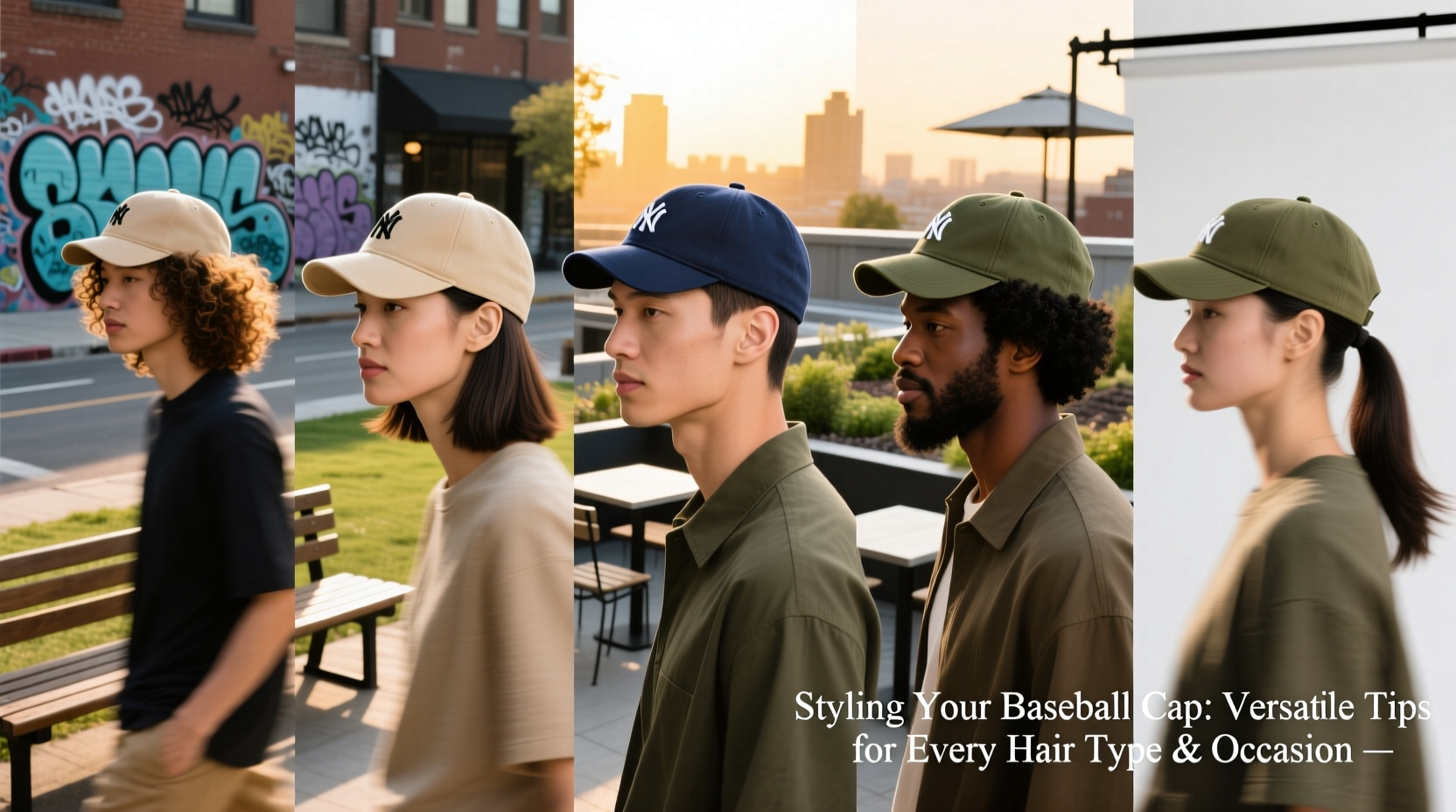
The foundation of great cap styling starts with understanding your hair’s natural behavior and how it interacts with fabric and pressure. A poorly chosen fit or incorrect technique can lead to flattened roots, tangled ends, or scalp irritation. Begin by identifying your hair type:
- Curly/Coily: Prone to shrinkage and puffiness when compressed.
- Straight/Fine: Easily weighed down; may lose volume quickly.
- Thick/Textured: Can create bulk that affects cap fit.
- Short (Buzz cuts, fades): Minimal maintenance needed, but sweat and oils still matter.
- Long: Requires strategic placement to avoid creases or ponytail bulges.
A well-fitting cap should sit comfortably above the ears and eyebrows, leaving room for airflow and movement. Adjustable snapbacks and structured fits work best across hair types, while low-profile caps suit sleeker styles.
Tip: Try on caps later in the day when your hair has some natural oil—this mimics real-world wear better than freshly washed hair.Hair Prep Before Capping: The Foundation of Style
What you do before slipping on a cap determines how your hair looks when you take it off. Skipping prep leads to static, flattening, and tangles. Follow this pre-cap routine regardless of length or texture:
- Light Moisture: Apply a leave-in conditioner or light oil to damp or dry hair to prevent friction damage.
- Volume Boost (for fine or flat hair): Flip your head upside down and spray root-lifting spray at the crown.
- Tame Frizz (curly/textured hair): Smooth edges with a tiny amount of pomade or gel.
- Secure Long Hair: Use a loose braid, low bun, or center-parted ponytail to minimize kinks.
- Scalp Protection: If wearing a cap daily, apply a lightweight serum to prevent buildup and dryness.
For those with tightly coiled hair, consider using a silk or satin durag underneath the cap to preserve curl definition and reduce breakage.
“The cap doesn’t ruin hair—it’s the lack of preparation and prolonged compression that causes damage.” — Jamal Reyes, Celebrity Stylist & Texture Specialist
Styling Strategies by Hair Type
One-size-fits-all advice fails when it comes to hair. Here’s how to adapt cap-wearing techniques based on your specific texture and length.
| Hair Type | Best Cap Style | Prep Tips | Post-Cap Refresh |
|---|---|---|---|
| Curly / Coily | Mid-crown, adjustable snapback | Use a satin liner; scrunch curls lightly before capping | Refresh with water + leave-in mix; shake gently |
| Straight / Fine | Structured front panel, medium rise | Tease roots slightly; avoid heavy products | Flip head over; use dry shampoo if oily |
| Thick / Wavy | High-profile, breathable fabric | Braid loosely overnight or pre-style with mousse | Run fingers through; reshape waves with sea salt spray |
| Short / Buzzed | Fitted or snapback, cotton blend | Clean scalp; apply light moisturizer to prevent flaking | Wipe sweat post-wear; exfoliate weekly |
| Long / Straight | Unstructured, relaxed fit | Ponytail through back opening; center part recommended | Brush from ends up; use shine serum |
Special Considerations for Protective Styles
Braids, twists, and locs offer built-in protection but need care under caps. Avoid overly tight braiding before capping—this increases tension at the hairline. Opt for middle or low partings to distribute pressure evenly. For loc wearers, a simple silk scarf beneath the cap prevents lint transfer and reduces friction.
Occasion-Based Styling: From Gym to Garden Party
The way you style under a cap changes depending on where you’re headed. Context matters—not just for appearance, but comfort and practicality.
Casual Day Out
Pair a classic six-panel cap with tousled waves or a messy bun. Let a few face-framing pieces escape naturally. This look thrives on imperfection.
Athletic or Outdoor Activity
Sweat is the enemy of both hair and cap longevity. Wear a moisture-wicking sweatband or liner. Pull long hair into a low, loose braid to avoid heat buildup. After exercise, wash hair if soaked in sweat and air out the cap completely.
Tip: Rotate between two caps during intense workouts to allow each time to dry fully and extend fabric life.Formal or Semi-Formal Events
Yes, you can wear a cap to a rooftop cocktail hour or daytime wedding—choose elevated materials like wool, tweed, or minimalist designs in neutral tones. Pair with polished textures: slicked-back styles, chignons, or side-swept bangs. Remove the cap upon entering indoor spaces as a courtesy.
Travel
On long flights or drives, protect hair shape by using a silk scrunchie and avoiding full compression. Loosen the cap occasionally to relieve scalp tension. Pack a mini brush and travel-size refresher spray for quick recovery upon arrival.
Common Mistakes and How to Fix Them
Even seasoned cap wearers fall into traps that compromise hair health and aesthetic appeal. Recognizing these errors is half the battle.
- Wearing a dirty cap: Oils and bacteria transfer to the scalp. Clean caps every 2–3 wears with mild detergent.
- Overusing hairspray before capping: Creates sticky buildup inside the cap. Use texturizing sprays instead.
- Ignoring ventilation: Synthetic linings trap heat. Choose caps with mesh panels or cotton interiors.
- Leaving the cap on too long: Extended wear flattens roots and irritates follicles. Give your scalp breaks every 2–3 hours.
Mini Case Study: Taylor’s Workweek Transformation
Taylor, a graphic designer with shoulder-length wavy hair, wore her favorite navy cap daily for commute and errands. By midday, her hair looked limp and greasy, requiring a full redo before client meetings. After switching to a breathable cotton cap, applying dry shampoo pre-wear, and switching to a center-parted low braid, she maintained volume and professionalism all week. Her colleagues even asked for her “secret” to looking put-together effortlessly.
FAQ: Your Cap & Hair Questions Answered
Can wearing a baseball cap cause hair loss?
Not directly. However, consistently wearing a cap too tightly—especially combined with sweat and friction—can lead to traction alopecia over time. Ensure proper fit and give your scalp regular breaks.
How do I stop my hair from getting flat after wearing a cap?
Prep with root-lifting product, avoid over-smoothing before capping, and refresh with dry shampoo or a blast of cool air from a blow dryer once removed.
Are there caps designed specifically for thick or curly hair?
Yes. Look for \"deep crown\" or \"oversized fit\" options from brands like Freenote Cloth, Betabrand, or specialized retailers such as Curly Girl-approved shops offering stretch-fit or adjustable wide-band caps.
Final Thoughts: Confidence Starts With Comfort
Styling your baseball cap shouldn’t mean sacrificing your hair’s health or your personal flair. With the right preparation, fit, and awareness of your hair’s needs, you can wear a cap anywhere—from hiking trails to brunch dates—without fear of bad hair moments. It’s not about hiding your hair under fabric; it’s about integrating the cap into your identity seamlessly.
💬 Now it’s your turn: What’s your go-to cap-and-hair combo? Share your favorite tip or struggle in the comments—let’s build a smarter guide together!








