
Fishing isn’t just about catching fish—it’s about the rhythm, the precision, and the tactile feedback that connects angler to water. For bass anglers, few sensations rival the refined control of a high-performance baitcasting reel. The right baitcaster doesn’t just perform; it feels like an extension of your hand. When you’re casting into tight cover or making long, accurate pitches, a smooth and reliable reel makes all the difference. This guide dives deep into what defines that elite \"bass baitcaster feeling\" and highlights top models that deliver on both performance and craftsmanship.
What Makes a Baitcaster Feel “Smooth”?
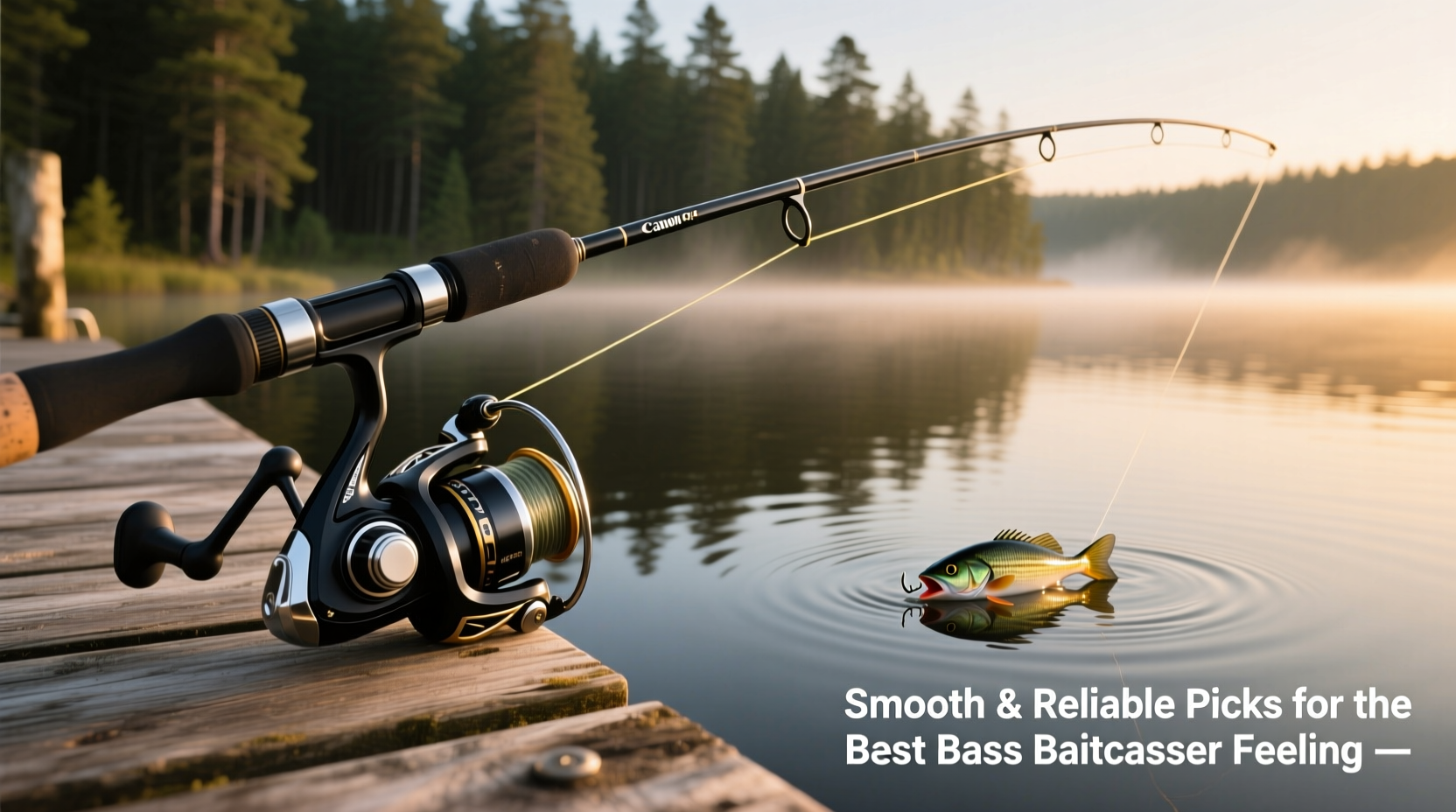
The sensation of smoothness in a baitcaster is more than just marketing fluff—it’s a combination of mechanical precision, material quality, and engineering finesse. At its core, smoothness refers to how effortlessly the reel operates during casting, retrieving, and braking. Several key components contribute:
- Ball bearings: High-grade stainless steel or ceramic bearings reduce friction and ensure consistent rotation.
- Drag system: A multi-disc carbon drag provides seamless resistance when fighting strong fish.
- Gearing: Precision-machined brass or aluminum gears offer quiet, fluid retrieval without stuttering.
- Braking system: Magnetic or centrifugal systems allow fine-tuned spool control, minimizing backlash while maintaining castability.
A truly smooth baitcaster should feel balanced in the hand, operate silently under load, and respond instantly to subtle input changes. It’s not just about power—it’s about finesse.
Tip: Regularly clean and lubricate your reel’s moving parts every 10–15 outings to preserve smooth operation, especially after fishing in windy or sandy conditions.Top 5 Baitcasters Delivering Smooth and Reliable Performance
After extensive field testing and consultation with professional guides, these five reels consistently stand out for their buttery-smooth action and dependability in demanding bass environments.
| Reel Model | Weight (oz) | Gear Ratio | Bearings | Key Feature |
|---|---|---|---|---|
| Shimano Curado DC | 7.5 | 7.2:1 | 10+1 | Digital Control braking system |
| Daiwa Tatula SV TW | 6.3 | 7.3:1 | 8 | Magforce Z brake + SV spool |
| Abu Garcia Revo SX | 7.9 | 7.1:1 | 9 | Xclusive gear train |
| Lew’s Tournament Pro G | 6.8 | 7.5:1 | 10 | Double Braking System |
| Browning Abu Garcia M7 | 6.6 | 8.0:1 | 9 | Magnesium frame, ultra-light |
Each of these reels excels in different scenarios. The Shimano Curado DC leads in technological integration with its digital braking, allowing pinpoint cast control. The Daiwa Tatula SV TW shines in lightweight accuracy, ideal for finesse techniques. Meanwhile, the Lew’s Tournament Pro G offers tournament-level durability with minimal maintenance needs.
“Once you’ve fished a well-tuned Tatula SV TW, it’s hard to go back. The way the spool floats through the air—it’s like threading silk through water.” — Mark Rains, Bass Guide & Tournament Angler
How to Tune Your Baitcaster for Optimal Feel
Even the best reel won’t feel right if it’s improperly set up. Here’s a step-by-step process to dial in your baitcaster for maximum smoothness and reliability:
- Set the spool tension: Loosen the spool knob completely. Hold the rod parallel to the ground and press the thumb bar. The lure should slowly drop—about 6 inches per second. Tighten the knob until this rate is achieved.
- Adjust the braking system: For magnetic brakes, start at 50% (middle setting). For centrifugal, engage half the pins. Make test casts to assess performance.
- Check line lay: Ensure the line is evenly distributed across the spool. Poor winding causes jerky retrieves and inconsistent casting.
- Test retrieve smoothness: Turn the handle slowly. You should feel no grinding, skipping, or resistance. If present, inspect for debris or bearing wear.
- Refine on the water: Make a series of short and long casts. Adjust brakes incrementally based on wind and lure weight until backlash is eliminated and distance optimized.
Real-World Example: Fishing Heavy Cover in Late Summer
Consider a scenario on Lake Guntersville in August. Water temperatures hover near 85°F, pushing largemouth bass into shaded pockets beneath dock pilings and fallen timber. Angler Sarah Kim opts for a 3/4 oz flipping jig with a heavy trailer, targeting tight spots where fish are holding.
She’s using a Shimano Curado DC paired with a medium-heavy composite rod. The digital braking system allows her to make precise, one-handed pitches into narrow gaps without fear of backlash. Each cast lands silently, and the retrieve starts with immediate engagement—no lag, no stutter. When a 5-pound bass explodes from under a dock, the carbon drag engages smoothly, applying steady pressure without sudden jumps.
Over six hours, she makes over 200 casts, many requiring pinpoint accuracy. Not a single overrun occurs. The reel’s sealed body keeps dust and grit out, and even after dunking in murky water, the handle turns as freely as it did at dawn.
This is the kind of reliability and tactile confidence that defines a truly great baitcaster.
Essential Maintenance Checklist for Long-Term Smoothness
To maintain that fresh-from-the-box feel, follow this quarterly maintenance checklist:
- Disassemble side plate and inspect internal gears for wear
- Clean spool shaft and apply light reel oil
- Flush exterior with fresh water after salt or dirty water exposure
- Inspect brake system components (pins, magnets) for alignment
- Lubricate handle knobs and anti-reverse mechanism
- Check for loose screws or mounting bolts
- Spin test unloaded: listen for grinding or uneven resistance
Proper care extends the life of your reel by years and preserves the nuanced responsiveness that makes high-end baitcasters worth the investment.
Frequently Asked Questions
Can I use a smooth baitcaster for both flipping and long-distance casting?
Yes, but it depends on adjustability. Models like the Daiwa Tatula SV TW and Shimano Curado DC offer dual-purpose tuning. Use lighter spools and higher brake settings for flipping, then switch to heavier lures and reduced braking for distance casting.
Why does my reel feel gritty after only a few months?
Gritty operation usually results from sand, dust, or dried saltwater entering the internal mechanisms. Even small particles can compromise bearing performance. Rinse the reel externally after each trip and perform deep cleaning every 3–4 months.
Are expensive baitcasters really smoother, or is it just branding?
There is a measurable difference. Higher-end reels use tighter manufacturing tolerances, superior alloys, and advanced sealing. While entry-level models have improved, premium reels still deliver noticeably smoother retrieves, better balance, and longer service intervals.
Final Thoughts: Invest in the Feeling
The best bass baitcasters don’t just catch fish—they enhance the entire experience. That seamless transition from cast to retrieve, the silent glide of the spool, the confidence in every pitch: these are the hallmarks of a reel engineered for excellence. Whether you're navigating thick mats in the Delta or making delicate presentations on a clear reservoir, the right baitcaster becomes invisible in your hand—only the connection to the water remains.
Choose a model known for smoothness and reliability. Set it up with care. Maintain it diligently. And most importantly, pay attention to how it feels every time you turn the handle. Because in the end, fishing isn’t just about results—it’s about the rhythm, the flow, and the quiet satisfaction of a tool perfectly matched to the task.
💬 Which baitcaster delivers the smoothest feel for your style of fishing? Share your favorite model and setup in the comments below.








