For years, running with music or podcasts meant earbuds or over-ear headphones. But a new category of wearable tech is challenging the status quo: smart audio glasses. These sleek frames deliver sound through open-ear transducers while letting runners stay aware of their surroundings. As brands like Bose, Ray-Ban (Meta), and Shokz gain traction, many athletes wonder—can these glasses truly replace traditional running headphones?
The answer isn’t a simple yes or no. It depends on your priorities: situational awareness, comfort, audio fidelity, or convenience. Let’s break down how smart audio glasses stack up against dedicated running headphones in real-world use.
How Smart Audio Glasses Work
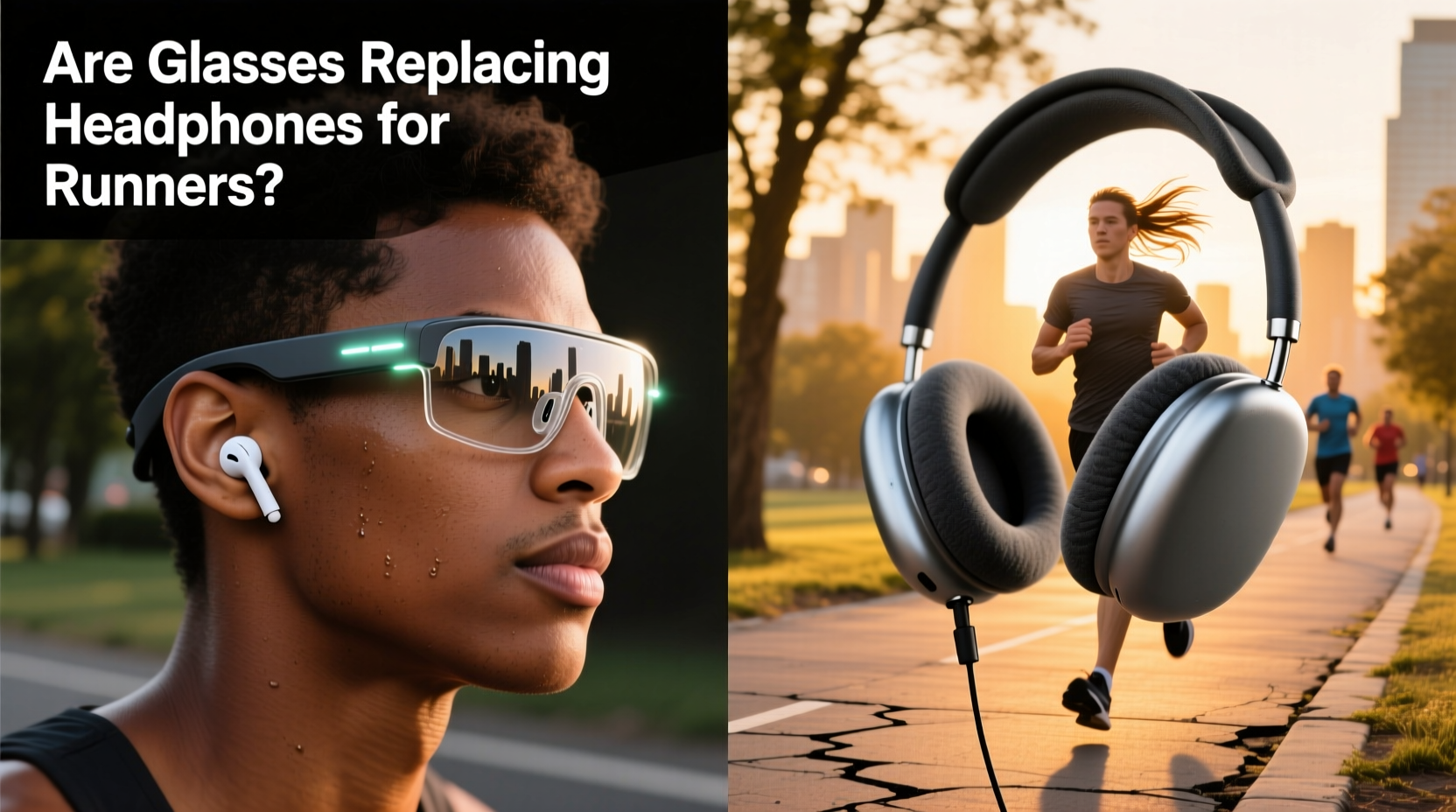
Smart audio glasses use bone conduction or open-ear acoustic technology to transmit sound without blocking the ear canal. Bone conduction models, like those from Shokz, vibrate sound through the cheekbones to the inner ear. Others, such as Bose Frames and Meta Ray-Ban, use directional speakers near the temples that project sound into the ears while leaving them unobstructed.
This design allows ambient noise—like traffic, conversations, or nature—to blend naturally with your audio. For runners who train on sidewalks, trails, or urban environments, this can be a major safety advantage.
Tip: If you run in high-traffic areas or at dawn/dusk, open-ear audio from smart glasses significantly improves environmental awareness.Comfort and Fit: All-Day Wear vs. Secure Lock-In
One of the biggest selling points of smart audio glasses is comfort during extended wear. Because they don’t press into or inside the ears, many users report less fatigue—even after hours of use. The weight distribution across the nose and ears mimics regular sunglasses, making them ideal for long-distance runs or multi-day travel.
However, fit varies by face shape. While some models offer adjustable temples and nose pads, others may slip during intense sprints or bumpy trail runs. In contrast, modern running headphones—especially true wireless earbuds with wingtips or loops—are engineered for motion stability. Brands like Jaybird, Shokz OpenRun Pro, and Beats Powerbeats Pro lock in securely, even during interval training.
“Audio wearables must survive sweat, wind, and movement. Comfort matters, but so does staying put.” — Dr. Lena Torres, Sports Ergonomics Researcher at MIT Media Lab
Sound Quality: Immersion vs. Awareness
This is where the trade-offs become most apparent. Traditional in-ear headphones create a sealed environment that enhances bass response, clarity, and noise isolation. High-end models offer rich, immersive sound perfect for motivating playlists or detailed podcast narration.
Smart audio glasses, by design, sacrifice audio depth for openness. Bass is minimal, and in noisy environments—such as busy streets or windy parks—music or voice can get washed out. You’ll likely need to increase volume, which raises concerns about long-term hearing exposure despite lower ear pressure.
That said, newer models are closing the gap. The Bose Frames Tempo, designed specifically for athletes, deliver surprisingly robust stereo sound thanks to larger transducers and improved acoustic tuning. Still, audiophiles will notice the difference.
Audio Comparison Table
| Feature | Smart Audio Glasses | Running Headphones |
|---|---|---|
| Situational Awareness | Excellent | Poor (unless using transparency mode) |
| Bass Response | Weak to Moderate | Strong |
| Noise Isolation | None | High (with proper seal) |
| Outdoor Clarity | Fair to Good | Excellent |
| Comfort (Long Runs) | Excellent | Good (varies by model) |
| Sweat & Weather Resistance | IPX4–IPX5 (most models) | IPX4–IPX7 (many models) |
Real Runner Experience: A Week with Audio Glasses
Maria, a recreational marathoner from Portland, switched to Ray-Ban Meta glasses for her weekday morning runs. “I run along a bike path with lots of foot traffic,” she explains. “With earbuds, I kept getting startled when people passed me. Now, I hear bikes ringing bells, dogs barking, even birds. I feel safer.”
But she also faced challenges. “During my tempo run, my playlist didn’t pump me up the way it used to. The beat felt distant. And on windy days, I had to pause podcasts three times just to catch what was said.”
After two weeks, Maria adopted a hybrid approach: audio glasses for early-morning neighborhood runs, but switching back to waterproof earbuds for speed workouts and races. Her takeaway? “Glasses aren’t a full replacement—but they’re better for everyday awareness.”
When Smart Glasses Shine—and When They Fall Short
Smart audio glasses excel in scenarios where safety and comfort outweigh audio perfection. Think:
- Urban jogging with unpredictable traffic
- Trail running where animal or hiker awareness matters
- Recovery jogs where you want to enjoy surroundings
- Multi-sport transitions (e.g., triathletes avoiding gear swaps)
They fall short when:
- You rely on high-energy music to maintain pace
- Training in loud environments (highways, airports, storms)
- Using voice-guided coaching apps that require clear audio cues
- Needing long battery life—most glasses last 4–6 hours vs. 8+ on some headphones
Checklist: Can Smart Audio Glasses Replace Your Running Headphones?
- ✅ Do you prioritize environmental awareness over deep bass?
- ✅ Are you running mostly in daylight, low-noise areas?
- ✅ Do you wear prescription or UV-protective glasses already?
- ✅ Is multi-device connectivity (calls, GPS, voice assistant) important?
- ✅ Can you accept moderate audio quality for enhanced safety?
If you answered yes to most, audio glasses could be a strong fit. If not, stick with performance-focused running headphones—or keep both options in rotation.
Hybrid Approach: Best of Both Worlds
Many serious runners aren’t choosing one over the other—they’re using both. A growing trend is context-based audio selection:
- Early AM Run: Audio glasses for visibility and alertness.
- Lunchtime Gym Session: Noise-isolating earbuds for focus.
- Weekend Long Run: Switch based on route—glasses for trails, earbuds for treadmills.
This strategy maximizes safety, performance, and enjoyment without forcing compromise. Some runners even carry compact earbuds in a running belt as backup for high-intensity segments.
FAQ
Can I wear prescription lenses with smart audio glasses?
Yes—some brands, including Bose and Shokz, offer prescription inserts or collaborate with optical partners. Third-party adapters are also available, though they may affect fit and durability.
Are smart audio glasses durable enough for running?
Most models are built with flexible TR90 frames and IPX4+ water resistance, making them sweat-proof and suitable for rain. However, they’re generally less rugged than purpose-built sports headphones. Avoid dropping them on hard surfaces.
Do audio glasses work well with hearing aids?
Some users with mild hearing loss find bone conduction models helpful, as they bypass the outer ear. However, compatibility varies. Consult an audiologist before relying on them for critical audio cues.
Conclusion
Smart audio glasses are redefining how runners interact with sound—not by delivering the best audio, but by balancing it with safety, comfort, and situational awareness. They aren’t replacing running headphones outright, but they are carving out a meaningful niche in the athlete’s toolkit.
The future of running audio isn’t about one device dominating the other—it’s about intelligent choice. Whether you’re chasing a PR or enjoying a sunrise jog, your gear should serve your goals. For some, that means immersive beats in sealed buds. For others, it’s the subtle hum of a podcast paired with birdsong and breeze.
🚀 Ready to test the trade-offs? Try a pair of smart audio glasses on your next easy run. Compare how you feel—aware, connected, free—then decide if they earn a permanent spot in your kit.








