Chafing is one of the most common and frustrating issues male runners face. Whether it's a short 5K or a marathon training session, friction between skin and clothing can turn an enjoyable run into a painful experience. While many factors contribute—sweat, humidity, gait, and even body composition—the choice between running shorts and tights plays a pivotal role in preventing or exacerbating chafing.
At first glance, both garments seem designed to support athletic movement, but their construction, materials, and fit differ significantly. Understanding these differences helps runners make informed decisions based on climate, distance, personal anatomy, and activity type. This article dives deep into how each option performs when it comes to minimizing chafing, backed by biomechanics, fabric science, and real-world feedback from endurance athletes.
Fabric Technology and Skin Interaction
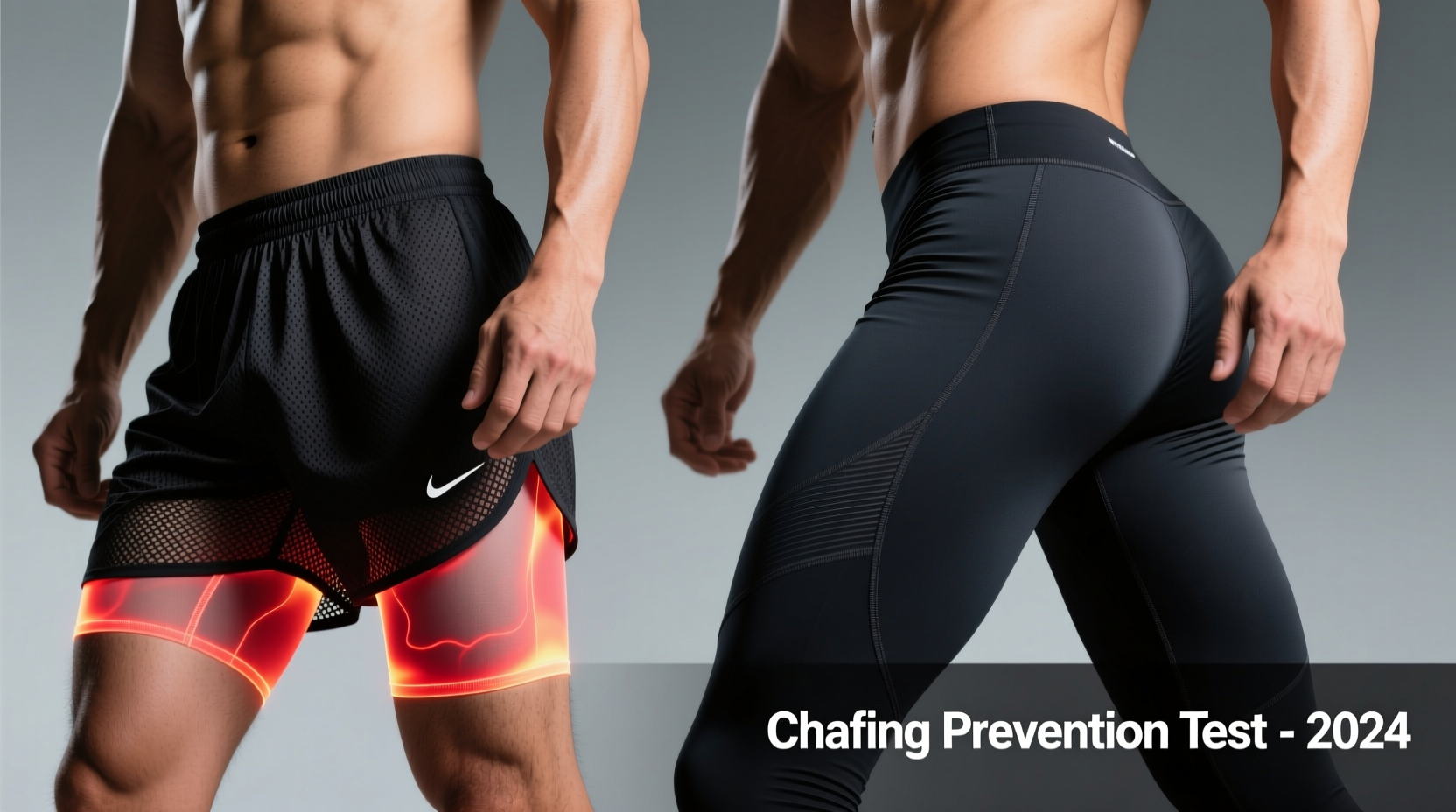
The material used in running apparel directly affects moisture management, breathability, and friction levels against the skin. Most modern running shorts and tights are made from synthetic blends like polyester, nylon, and spandex (elastane), chosen for their stretch, durability, and wicking capabilities. However, how these fabrics are woven and layered changes their behavior during physical exertion.
Tights typically use a tighter knit with higher spandex content (15–20%), creating a compressive second-skin effect. This compression stabilizes muscles and reduces micro-movements that lead to rubbing. Because tights conform closely to the legs without excess fabric flapping, they minimize contact points where chafing occurs—especially along the inner thighs.
Running shorts, especially split-leg racing styles, prioritize airflow and freedom of motion. But traditional loose-fitting models may feature seams near the groin or hemlines that ride up, increasing the risk of skin-on-fabric abrasion. Modern performance shorts often include built-in liners made from smooth, low-friction mesh to reduce movement between layers.
Tip: Look for flatlock seams and tagless labels—these small details drastically reduce irritation over long distances.Fit and Movement Dynamics
Fit is arguably more important than fabric alone when it comes to chafing prevention. Ill-fitting gear, whether too tight or too loose, creates conditions ripe for discomfort.
Tights offer consistent coverage and stay in place throughout a run. Their snug fit eliminates shifting, bunching, or riding up—all of which contribute to repeated friction. For men with larger thighs or those prone to inner-thigh rub, compression tights provide a protective barrier that prevents skin-to-skin contact, a major cause of chafing known as \"thigh burn.\"
Shorts vary widely in fit. Some have minimal liner support, forcing the outer shell to move independently against the skin. Others come with integrated briefs that help stabilize the garment. However, even high-quality shorts can shift during dynamic movements like hill sprints or trail runs, leading to unexpected rubbing zones.
A key advantage of tights is their ability to maintain alignment across all phases of the stride cycle. Without loose fabric swinging laterally, there’s less opportunity for heat buildup and abrasive motion. In contrast, longer inseam shorts (7”–9”) may slide forward or backward with each step, particularly if the waistband lacks grip.
“Compression wear has revolutionized chafe prevention in endurance sports. By reducing oscillation and providing uniform pressure, tights eliminate many of the mechanical triggers of skin breakdown.” — Dr. Marcus Lin, Sports Biomechanist at Boulder Performance Lab
Comparative Analysis: Shorts vs Tights
| Feature | Running Shorts | Running Tights |
|---|---|---|
| Fabric Movement | Loose fabric may flap and rub | Snug fit minimizes shifting |
| Inner Thigh Protection | Limited unless liner extends fully | Full coverage prevents skin-on-skin contact |
| Ventilation | High, especially in lightweight models | Moderate; depends on weave density |
| Moisture Wicking | Good in technical fabrics | Excellent due to close contact with skin |
| Seam Placement | Hems and side seams can irritate | Strategically placed to avoid high-rub zones |
| Cooling Effect | Better in hot/humid conditions | Less airflow, but regulates temperature |
| Best For | Warm weather, short to mid-distance runs | Cold weather, long runs, trail running, chafing-prone individuals |
Real Runner Experience: A Case Study
James R., a 34-year-old recreational runner from Austin, Texas, struggled with persistent inner-thigh chafing during summer half-marathon training. Despite using anti-chafe balms and moisture-wicking shirts, he routinely finished runs with raw, irritated skin requiring days of recovery.
After switching to compression tights with a 9-inch inseam and seamless inner leg design, James noticed immediate improvement. “The first time I wore them for a 10-mile run, I couldn’t believe how smooth it felt,” he said. “No pulling, no sticking, no pain afterward.”
He initially resisted tights due to concerns about overheating but found that modern moisture-control fabrics kept him drier than loose shorts. Over six months, he eliminated chafing entirely and now uses tights year-round for distances over 8 miles.
His experience highlights a broader trend: runners who prioritize function over fashion often discover that tights outperform shorts in comfort and injury prevention, especially when mileage increases.
When Shorts Work Better
While tights excel in chafe prevention, they aren’t universally ideal. In hot and humid environments, excessive coverage can trap heat and promote sweat saturation, potentially worsening irritation if the fabric doesn’t dry quickly.
Lightweight running shorts with laser-cut hems and minimal stitching offer superior breathability. Brands like Nike, Tracksmith, and Under Armour now produce hybrid models with compressive liners and ultra-thin outer shells that combine ventilation with stability.
For sprinters, gym workouts, or casual jogs under 5 miles, shorts remain the preferred choice. They allow greater range of motion and psychological comfort for many men unaccustomed to full-leg coverage.
Additionally, some runners report discomfort from the snugness of tights around the groin area. Poorly designed裆 (crotch gusset) panels can create pressure points. High-quality tights address this with anatomical patterning and stretch zones, but budget options often fall short.
Tip: Try sizing up in tights if you feel constriction in the crotch or hips—compression should support, not restrict.Actionable Checklist: Choosing Chafe-Resistant Gear
- ✅ Assess your typical running environment (heat, humidity, terrain)
- ✅ Identify personal chafing zones (inner thighs, waistband, upper arms)
- ✅ Choose garments with flatlock or bonded seams
- ✅ Prioritize moisture-wicking, quick-dry fabrics (avoid cotton)
- ✅ Ensure proper fit—no pinching, sagging, or riding up
- ✅ Consider built-in liners or compression layers
- ✅ Test new gear on short runs before race day
- ✅ Layer strategically: tights under shorts only if necessary and well-fitted
Step-by-Step Guide to Minimizing Chafing
- Evaluate Your Risk Factors: Body type, sweat rate, and running history influence chafing likelihood. Larger thigh gaps or high-mileage routines increase vulnerability.
- Select Appropriate Base Layer: Decide between shorts and tights based on distance and weather. Opt for tights in cooler temps or long efforts; choose ventilated shorts in heat.
- Inspect Seam Placement: Run your hand along inner legs and waistbands. If seams feel rough or sit in high-motion areas, skip the product.
- Wear Moisture-Wicking Underwear (if needed): Only wear supportive underwear if your shorts lack a reliable liner. Avoid cotton at all costs.
- Apply Anti-Chafe Products Strategically: Use balm, powder, or tape on known problem spots—even with good gear, extra protection helps on long runs.
- Wash and Maintain Properly: Buildup of detergent residue or fabric softener degrades wicking ability. Wash in cold water, air dry when possible.
- Monitor Post-Run Skin: Check for redness or tenderness. Adjust gear or routine accordingly.
Frequently Asked Questions
Can I wear running tights in summer?
Yes, provided they’re made from lightweight, breathable fabric. Many runners assume tights are only for winter, but modern cooling tights with UV protection and rapid drying properties work well in warm climates. Look for terms like “ventilated,” “mesh-lined,” or “coolmax” in product descriptions.
Do compression tights really prevent chafing?
Yes, when properly fitted. The compression reduces muscle oscillation and keeps fabric stable against the skin, eliminating repetitive rubbing. Additionally, full leg coverage prevents direct skin-to-skin contact on the inner thighs—a primary source of friction burn.
Why do my running shorts still cause chafing even with a liner?
This often happens when the liner shifts independently from the outer short, creating internal friction. It can also occur if the liner material isn’t smooth enough or if the inseam rubs against sensitive areas. Try switching to a shorter inseam or a singlet-style short with less fabric overlap.
Final Recommendation: Match Gear to Need
There’s no one-size-fits-all answer, but data and athlete feedback consistently show that running tights offer superior chafing protection compared to most shorts—particularly for long-distance runners, trail athletes, and those with anatomical predispositions to thigh rub.
That said, shorts remain essential in hot weather and for runners who value airflow and unrestricted movement. The key is selecting high-performance versions designed with chafe prevention in mind: seamless construction, moisture control, and secure fit.
Ultimately, the best way to determine what works is through testing. Rotate between quality tights and advanced shorts during different conditions and distances. Pay attention to how your skin feels post-run. Small adjustments in gear can yield dramatic improvements in comfort and performance.
🚀 Ready to end chafing for good? Start by upgrading one piece of your running kit—choose either a pair of seamless tights or engineered shorts—and track how your body responds. Share your findings with fellow runners and help build smarter, more comfortable running communities.








