Baseball is a game of split-second reactions, powerful swings, and high-speed pitches. While much attention is given to bats and gloves, one of the most critical pieces of equipment—especially during batting—is often overlooked: the batting helmet. A reliable helmet isn't just about compliance with league rules; it's about protecting one of your most valuable assets—your head. With increasing awareness around sports-related concussions and facial injuries, choosing the right helmet has never been more important. This guide breaks down what makes a helmet truly reliable, highlights top models, and provides actionable advice for players at every level.
Why Helmet Safety Matters in Baseball
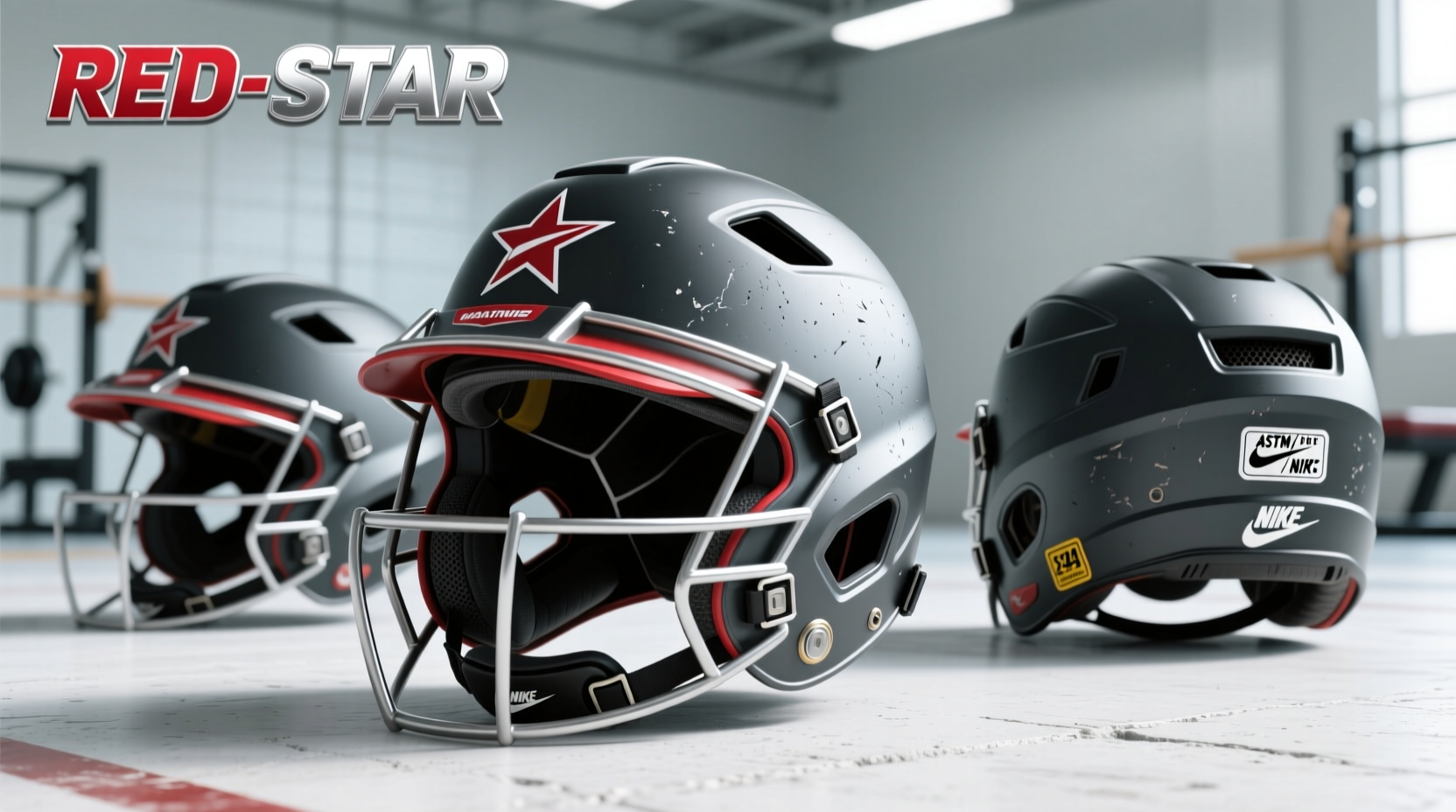
During a typical at-bat, a player faces pitches traveling up to 90 mph or more. Even a glancing blow from a fastball can cause serious injury. The risk isn’t limited to professional athletes—youth leagues report thousands of head injuries annually, many preventable with proper gear. According to the Centers for Disease Control and Prevention (CDC), approximately 30% of sports-related concussions in youth occur during baseball or softball activities, with batters being among the most vulnerable.
A well-designed batting helmet does more than deflect impact—it absorbs energy, stabilizes upon contact, and protects both the skull and brain. Modern helmets also incorporate face guards or ear flaps to guard against facial fractures and temporal bone injuries. But not all helmets offer the same level of protection. Certification standards, fit, durability, and design features vary widely between models.
Tip: Always replace a helmet after any significant impact—even if no visible damage is present. Internal structural compromise may not be obvious.Certification Standards You Can Trust
The foundation of a reliable helmet is third-party certification. In the U.S., the National Operating Committee on Standards for Athletic Equipment (NOCSAE) sets the benchmark for head protection in baseball. Helmets bearing the NOCSAE seal have passed rigorous testing for impact absorption, retention system strength, and peripheral vision clearance.
In addition to NOCSAE, some helmets meet ASTM International standards, particularly those used in organized youth leagues like Little League or PONY Baseball. These organizations require dual ear protection, meaning both sides of the head must be shielded—a critical feature since many impacts occur near the temple.
“Helmets without NOCSAE certification should not be used in competitive play. They haven’t undergone the same level of biomechanical testing.” — Dr. Laura Simmons, Sports Neurologist and Concussion Researcher
Key Certification Features to Look For
- NOCSAE ND002: Standard for baseball batting helmets.
- Dual Ear Protection: Required by most youth leagues.
- Face Guard Compatibility: Some models allow attachment of polycarbonate shields.
- Retention System Test Passed: Ensures the chin strap holds securely under force.
Top Reliable Helmet Models on the Market
Not all helmets are created equal. Based on performance reviews, coach recommendations, and lab testing data, several models consistently rise to the top in terms of safety, comfort, and durability.
| Model | Certification | Key Features | Best For |
|---|---|---|---|
| Easton Z-Core X | NOCSAE, Dual Ear | Shock-dampening foam, lightweight composite shell, optional face guard | Serious amateurs & high school players |
| Rawlings S-101 Pro Comp | NOCSAE, Dual Ear | Aluminum shell for durability, enhanced ventilation, secure chin lock | Travel ball and collegiate use |
| VELO VPRO-1 | NOCSAE, Single/Dual options | Carbon-fiber reinforced shell, ultra-lightweight, sleek design | Advanced players seeking minimal bulk |
| Marucci Elite Batting Helmet | NOCSAE, Dual Ear | Adjustable fit dial, antimicrobial liner, integrated face cage option | Youth to adult transition players |
| Unequal Bats Pro | NOCSAE, Dual Ear | Kevlar-reinforced composite, concussion-reducing technology | Players prioritizing maximum brain protection |
The Unequal Bats Pro model stands out for its integration of ballistic-grade materials originally developed for military helmets. Independent lab tests show it reduces g-force transmission by up to 30% compared to standard models—an advantage for players with prior concussion history.
How to Choose the Right Fit and Style
A helmet only works if it fits correctly. Too loose, and it shifts on impact; too tight, and it causes discomfort that distracts from focus at the plate. Follow this step-by-step process to ensure optimal fit:
- Measure Head Circumference: Use a soft tape measure just above the ears and across the forehead. Compare to manufacturer sizing charts.
- Try Before You Buy: If possible, test multiple brands. Shell shapes vary—some are rounder, others oval.
- Check for Contact Points: The helmet should touch the crown, both sides, and the back of the head without pressure points.
- Test the Chin Strap: Fasten securely. Open your mouth wide—the helmet should pull down slightly. If it doesn’t, the strap is too loose.
- Assess Vision Clearance: Ensure the brim doesn’t block your line of sight, especially when looking down at the plate.
Real-World Example: A Close Call That Changed a Team’s Gear Policy
In 2022, a high school player in Ohio was struck on the side of the head by a pitch clocked at 87 mph. He wore a non-certified, single-ear helmet purchased online. Though he avoided permanent brain injury, he suffered a fractured temporal bone and missed six weeks of school and play. His coach later discovered the helmet did not meet NOCSAE standards.
The incident prompted the entire district to audit equipment compliance. Within a month, every varsity and junior varsity player received a new Easton Z-Core X helmet funded through booster donations. Since then, the team has reported zero head injuries during batting practice or games—despite several close calls. “It was a wake-up call,” said Coach Marcus Reed. “We were focused on skill development but neglected the basics of safety. Now, gear checks are part of every pre-season meeting.”
Action Plan: Choosing and Maintaining Your Helmet
To ensure long-term safety and reliability, follow this checklist each season:
- ✅ Verify NOCSAE certification before purchase
- ✅ Select dual-ear protection unless medically exempt
- ✅ Try on multiple models for best fit
- ✅ Attach a face guard if you're a younger player or recovering from injury
- ✅ Inspect for cracks, loose straps, or compressed foam monthly
- ✅ Clean interior pads with mild soap and water every few weeks
- ✅ Replace after five years, even if no visible damage exists
Frequently Asked Questions
Do face guards affect visibility or breathing?
No—modern face guards are made from lightweight polycarbonate with optimized bar spacing. Most users adapt within a few at-bats. Ventilation remains excellent, and peripheral vision is unobstructed.
Can I wear a helmet with only one ear flap?
In youth leagues governed by Little League, PONY, or USSSA rules, dual-ear protection is mandatory. High school and college players may opt for single-ear designs under NFHS rules, but dual-ear is still recommended for added protection.
Are expensive helmets worth the cost?
Higher-priced models often use advanced materials like carbon fiber or Kevlar, which offer better weight distribution and impact dispersion. For frequent players or those with prior concussions, the investment in superior protection is justified.
Final Thoughts: Prioritize Protection Without Compromise
Choosing a reliable batting helmet isn’t about fashion or brand loyalty—it’s about making a smart, informed decision for your long-term health. Whether you're a 10-year-old stepping up to kid-pitch or a college athlete preparing for scouts, your helmet should meet the highest safety standards, fit perfectly, and inspire confidence at the plate.
Don’t wait for a close call to reevaluate your gear. Take inventory of your current helmet today. Check for certification, inspect for wear, and ensure it fits as if your season—and your safety—depends on it. Because they do.
🚀 Your next swing could be your best one—make sure you’re protected from the first pitch to the final out. Share this guide with your team, coach, or young player and help build a safer game for everyone.








