When building a home gym or upgrading a commercial fitness space, few pieces of equipment are as foundational as the barbell. A high-quality barbell supports long-term progress in strength training, ensures safety during heavy lifts, and withstands years of rigorous use. With countless models on the market—each touting different features, finishes, and price points—it’s essential to understand what makes a barbell truly reliable. This guide breaks down the key factors that define top-tier barbells and highlights trusted options across various lifting disciplines.
Understanding Barbell Specifications That Matter
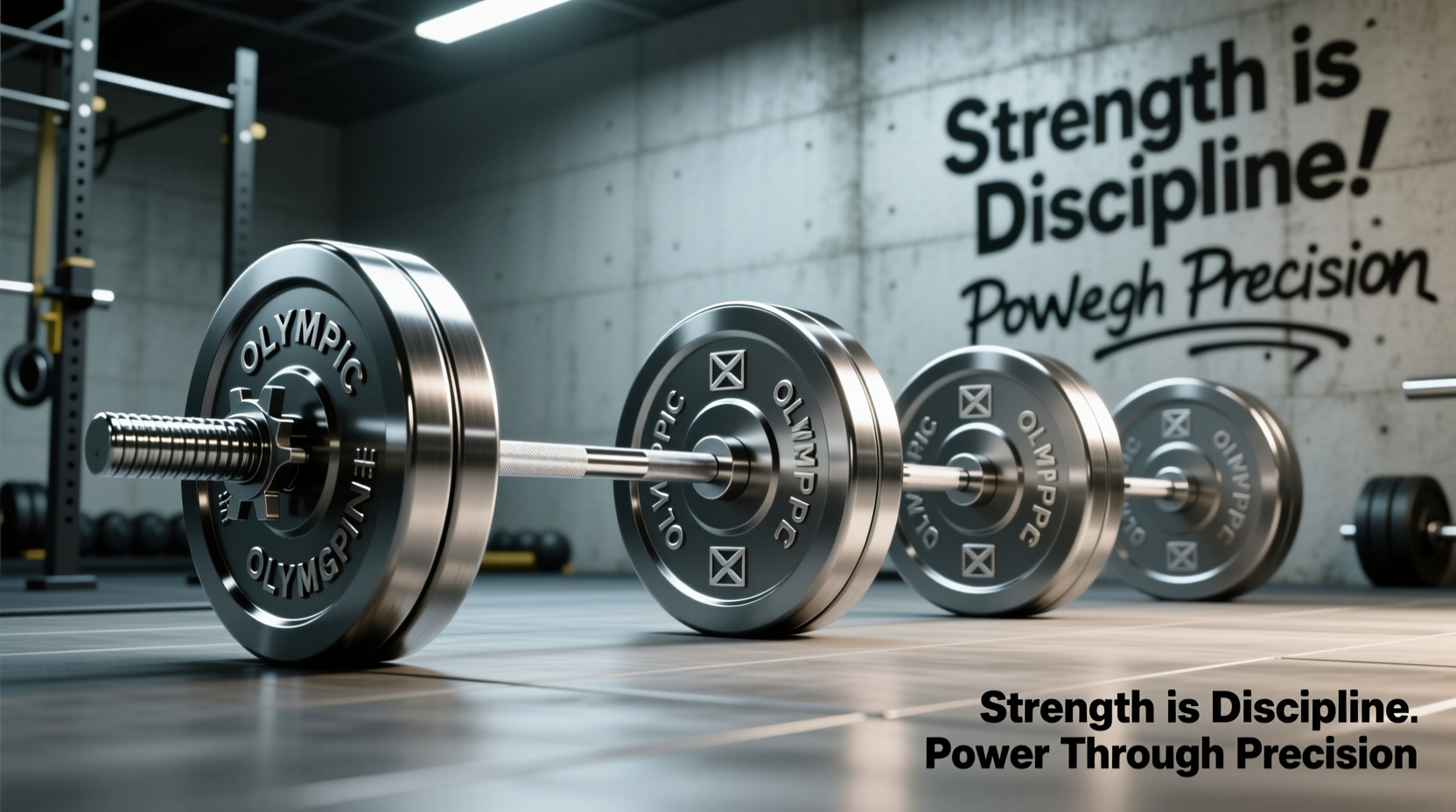
Not all barbells are created equal. Before selecting one, it's crucial to evaluate several technical specifications that directly impact performance and durability:
- Bar Diameter: Most standard Olympic bars measure 28–29mm in diameter. Thicker bars (up to 32mm) are often used for deadlifts or powerlifting, offering greater stiffness.
- Knurling: The textured grip pattern affects comfort and control. Medium knurling suits most users; aggressive knurling provides better grip but may be harsh on hands.
- Whip (Flex): Refers to how much the bar bends under load. Powerlifters prefer less whip for stability, while Olympic lifters benefit from more flex to aid in explosive movements.
- Bearing Type: Rotating sleeves reduce torque during lifts. Higher-end bars use needle bearings for smooth, durable spin; bushings are cheaper but less responsive.
- Coating/Finish: Chrome, cerakote, black oxide, and stainless steel each offer varying levels of corrosion resistance and feel.
Top Reliable Barbells by Lifting Discipline
Different types of training demand different barbell characteristics. Choosing the right one depends on your primary goals—whether you're focusing on powerlifting, Olympic lifting, or general strength conditioning.
| Lifting Style | Recommended Barbell | Key Features | Why It’s Reliable |
|---|---|---|---|
| Olympic Weightlifting | Eleiko IWF Competition Bumper Bar | 28mm diameter, medium knurling, dual-ring center mark, needle bearings | Used in the Olympics; built to last decades with proper care |
| Powerlifting | Rogue Ohio Power Bar | 29mm diameter, aggressive knurling, 190,000 PSI tensile strength | Stiff with minimal whip; ideal for squat, bench, and deadlift |
| General Training | Rogue Fitness Ohio Bar | 28.5mm diameter, balanced knurling, bronze bushings | Versatile, durable, and affordably priced for home gyms |
| Women’s Olympic Lifting | Ivanko Women’s Olympic Bar | 25mm diameter, lighter weight (15kg), precision knurling | Ergonomic design tailored for smaller hands and lower body mass |
| Deadlift-Specific | Deadlift Bar (e.g., Rogue Elephant Bar) | 27mm diameter, extreme whip, longer length (90.5\") | Designed for pulling from the floor with maximum flex |
Real-World Example: Building a Home Gym in Austin
In 2022, Mark T., a firefighter in Austin, Texas, decided to build a garage gym focused on functional strength and injury prevention. After researching extensively, he chose the Rogue Ohio Bar for daily training and added an Eleiko Training Bar for technique refinement. “I didn’t want to replace equipment every year,” Mark said. “The initial investment was higher, but three years later, both bars still rotate smoothly and show no signs of wear.” His experience underscores a key principle: reliability isn't just about brand names—it's about consistency in performance over time.
“Investing in one high-quality barbell is smarter than buying three cheap ones. The long-term cost per use drops dramatically.” — Dr. Lena Patel, Sports Equipment Biomechanist, University of Colorado
Checklist: How to Choose Your Next Barbell
Before making a purchase, go through this checklist to ensure you’re getting a reliable piece of equipment:
- ✅ Define your primary lifting style (Olympic, powerlifting, CrossFit, etc.)
- ✅ Confirm the bar’s tensile strength is at least 165,000 PSI (ideally above 180,000)
- ✅ Evaluate sleeve rotation quality—smooth and quiet indicates good bearings
- ✅ Test knurling depth: Should bite slightly into the palm without tearing skin
- ✅ Check warranty and manufacturer reputation—brands like Eleiko, Rogue, and Ivanko offer 5+ year coverage
- ✅ Verify compatibility with your existing weights (Olympic vs. standard holes)
- ✅ Consider finish: Cerakote resists rust better than chrome in humid environments
Maintaining Longevity: Care Tips for Maximum Lifespan
A well-maintained barbell can last decades. However, exposure to moisture, improper storage, and aggressive chalk use can degrade performance over time. Follow these steps to preserve your investment:
- Wipe down the bar after each use with a dry cloth to remove sweat and chalk residue.
- Store horizontally on a rack—never leave it leaning against a wall, which can cause bending.
- Apply a light coat of 3-in-1 oil or specialized barbell protectant monthly, especially on the shaft and sleeves.
- Avoid dropping bare steel bars on concrete; use bumper plates and a platform to minimize impact stress.
- Inspect collars regularly to ensure they fit snugly and don’t allow lateral play.
Frequently Asked Questions
Can I use a powerlifting bar for Olympic lifts?
While technically possible, it's not ideal. Powerlifting bars are stiffer and have less whip, which reduces momentum generation needed for cleans and snatches. Over time, this can hinder technique development and increase joint strain.
What’s the difference between bushings and needle bearings?
Bushings are simple metal sleeves that provide basic rotation—they’re cost-effective but create more friction. Needle bearings consist of tiny rollers that allow smoother, faster sleeve movement, making them superior for dynamic lifts. High-repetition workouts benefit significantly from needle-bearing designs.
How do I know if a barbell is warped?
To test for warp, roll the bar on a flat surface like a mirror or glass table. If it wobbles or doesn’t spin evenly, it’s bent. Even slight warping can compromise safety during overhead lifts and should prompt replacement.
Conclusion: Build Strength on a Solid Foundation
The barbell is more than just a tool—it’s the centerpiece of any serious strength program. Choosing a reliable model means prioritizing engineering integrity, material quality, and long-term usability over short-term savings. Whether you're setting up your first home gym or outfitting a professional facility, investing in a proven barbell from a reputable brand pays dividends in safety, performance, and peace of mind. Don’t compromise on the core of your training. Pick a bar that matches your goals, maintain it diligently, and let it support every rep, set, and personal record ahead.
💬 Have a favorite barbell or maintenance tip? Share your experience in the comments and help others make smarter, stronger choices.








