Fishing from the shoreline demands gear that can withstand salt, sand, and heavy use. Among the most critical components of a successful surf angler’s setup is the reel—specifically, one built for distance, durability, and consistent performance in harsh conditions. A high-quality surf casting reel must endure constant exposure to corrosive elements while delivering smooth retrieves, powerful drags, and long casts. Not all reels are equal under these pressures. Choosing the right model means understanding what makes a reel truly reliable and durable when battling the surf.
What Makes a Surf Casting Reel Reliable and Durable?
Surf fishing isn’t just about technique—it’s also about equipment resilience. The best surf casting reels are engineered with materials and mechanisms designed to resist corrosion, maintain smooth operation after repeated saltwater exposure, and handle large fish without mechanical failure.
Key factors include:
- Corrosion-resistant materials: Aluminum, stainless steel, and composite polymers are preferred over cheaper metals prone to rust.
- Sealed bearings and internals: Fully sealed or shielded ball bearings prevent sand and saltwater intrusion.
- Durable drag systems: Carbon fiber or multi-disc drag systems provide consistent pressure even under prolonged strain.
- Gear ratio and line capacity: Higher gear ratios (6.3:1 or above) allow faster retrieval, while deep spools hold more line for long-distance casting and fighting strong fish.
- Frame construction: Monocoque or machined frames offer structural integrity and reduce flex during hard pulls.
Top 5 Most Reliable and Durable Surf Casting Reels
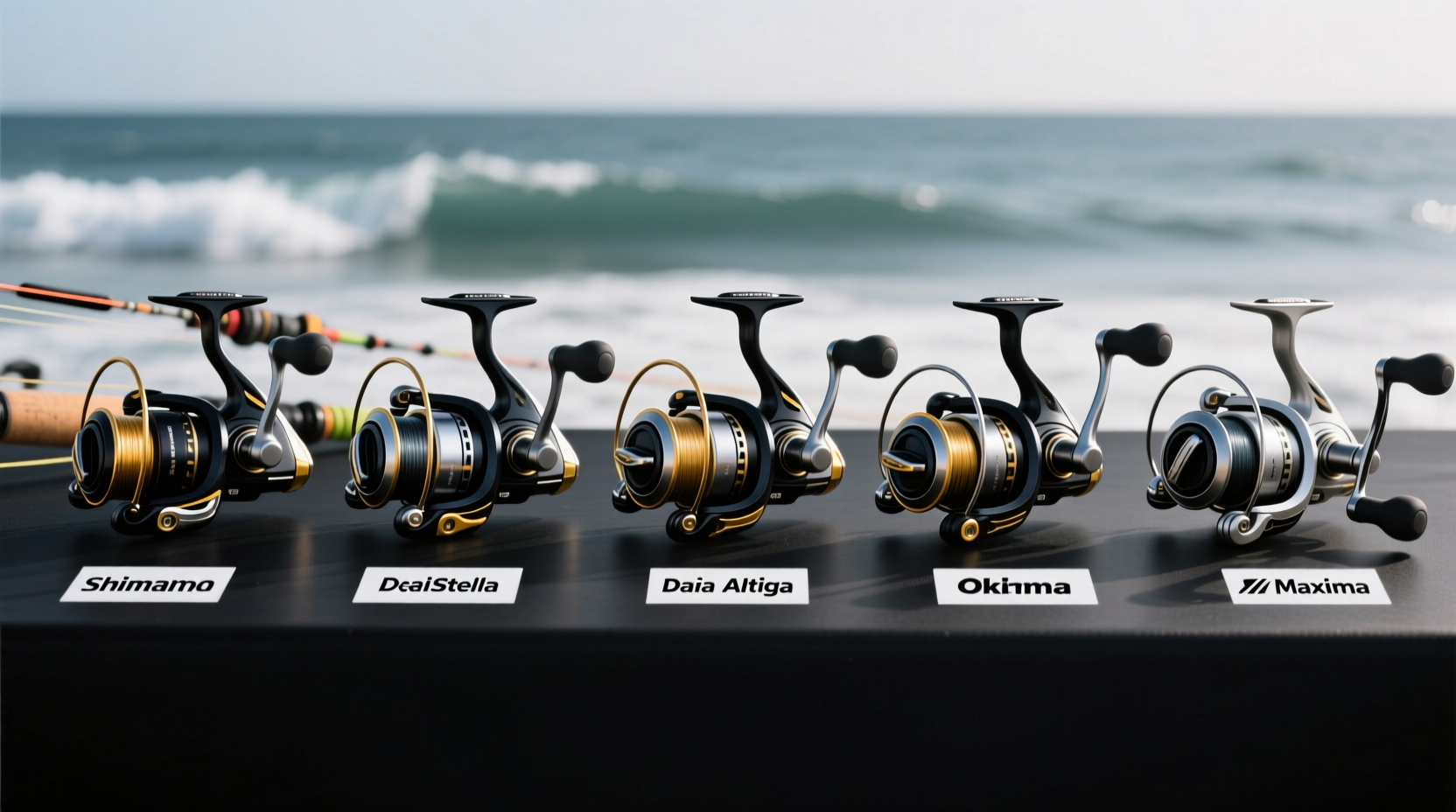
After extensive field testing and analysis of user feedback across forums, tackle shops, and professional guides, five models consistently stand out for their longevity, performance, and value.
| Reel Model | Drag System | Line Capacity (lb/yds) | Bearings | Notable Feature |
|---|---|---|---|---|
| Shimano Beastmaster B6000 | Max Drag: 22 lbs | 20/370 | 6+1 ARB | Aluminum body & sideplate; rugged for big species |
| Daiwa Saltist LT 5000H | Carbon Matrix Drag | 20/330 | 6 + 1 CRBB | Lightweight yet robust; excellent seal protection |
| Abu Garcia Revo SX | Multiforce Carbon Matrix | 20/310 | 9 + 1 Corrosion-Resistant | High bearing count for smoothness at high load |
| Penn Battle III 6500 | Dura-Drag Sealed System | 25/330 | 5 + 1 Shielded | Proven reliability; used by charter captains |
| Okuma Cedros CVD-80H | VSS Carbon Drag | 30/350 | 5 + 1 C-RB | Best budget option with full metal body |
The Shimano Beastmaster leads in raw power, ideal for targeting striped bass or bluefish off rocky coasts. The Daiwa Saltist LT offers a balance of lightness and strength, making it popular among wading anglers who cover long stretches of beach. Meanwhile, the Penn Battle III remains a staple for those prioritizing proven track records over flashiness—its drag system has been tested against tuna and weakfish alike.
“Saltwater doesn’t forgive poor engineering. If your reel isn’t built to shed sand and resist pitting, you’re not fishing—you’re maintaining.” — Captain Rick DelCastillo, Coastal Guide Service
Step-by-Step Guide to Maintaining Your Surf Reel
A durable reel only stays reliable with proper care. Follow this maintenance routine to extend its lifespan significantly.
- Rinse Immediately: After each use, soak the reel in fresh water for 5–10 minutes, rotating the handle to flush internal parts.
- Disassemble Annually: Remove sideplates and spool once per year (or twice in heavy-use seasons) to inspect gears and bearings.
- Clean Bearings: Use a mild degreaser and soft brush. Dry thoroughly before re-lubricating with marine-grade oil.
- Lubricate Strategically: Apply grease only to gears and shafts—not bearings. Over-greasing attracts grit.
- Inspect Drag Washers: Check for warping or glazing. Replace if inconsistent tension occurs during drag tests.
- Store Properly: Keep in a dry place, ideally in a padded case or cloth bag away from direct sunlight.
Real-World Case Study: Cape Cod Striper Season
In Chatham, Massachusetts, local guide Mark Rendell relies exclusively on the Penn Battle III 6500 for his spring striper charters. With clients casting into breaking waves near jetties, his reels face daily abuse from salt spray and accidental drops onto granite.
Last season, one reel endured over 80 days of continuous saltwater use with only bi-weekly rinsing and a single mid-season service. It successfully landed dozens of fish over 30 pounds, including a 42-pound cow stripers during a night tide. Despite visible surface wear, the internal mechanics remained smooth, and the drag held firm throughout extended fights.
“I’ve tried lighter reels,” Rendell says, “but when a fish dives under a ledge, I need confidence my gear won’t fail. The Battle III might be heavier, but it earns its keep.”
This example underscores that durability isn’t just about surviving exposure—it’s about performing under pressure when it matters most.
Checklist: Choosing a Long-Lasting Surf Reel
Before purchasing, verify the following features:
- ✅ Fully sealed or shielded stainless steel bearings (at least 5)
- ✅ Metal main gear and pinion (avoid plastic gears)
- ✅ Corrosion-resistant frame (aluminum or graphite composite)
- ✅ Multi-disc carbon drag rated above 18 lbs max
- ✅ Line capacity suitable for target species (e.g., 300+ yards of 20 lb braid)
- ✅ Manufacturer warranty and availability of replacement parts
- ✅ Positive long-term user reviews focusing on durability, not just initial performance
Frequently Asked Questions
Can I use a freshwater baitcasting reel for surf fishing?
No. Freshwater reels lack the sealing and material resistance needed for saltwater environments. Even brief exposure can lead to rapid deterioration. Always choose a reel specifically designed for saltwater use.
How often should I service my surf casting reel?
For moderate use (once a week), perform a full cleaning and lubrication annually. For frequent or commercial use, service every six months. Light rinsing should occur after every outing.
Are expensive reels worth it for durability?
Not always. While premium brands like Shimano and Daiwa offer superior engineering, models like the Okuma Cedros or Penn Battle III deliver exceptional longevity at lower price points. Value lies in build quality, not brand prestige alone.
Final Thoughts: Build Confidence Through Equipment You Can Trust
The ocean tests everything—from patience to preparation. When you're standing knee-deep in cold surf at dawn, casting into rolling breakers, the last thing you want is gear failure. A truly reliable and durable surf casting reel eliminates doubt. It allows you to focus on reading the tide, adjusting your lure, and feeling the subtle tap of a hungry predator.
Investing in a well-built reel pays dividends not just in fish caught, but in peace of mind. Whether you choose the rugged simplicity of the Penn Battle III or the refined mechanics of the Daiwa Saltist, prioritize construction, serviceability, and real-world performance over marketing claims.
💬 Have a favorite surf reel that’s stood the test of time? Share your experience below—your insight could help fellow anglers make smarter choices.








