Selecting the right boat anchor is not just about keeping your vessel in place—it’s about safety, confidence, and peace of mind when you’re on the water. Whether you're anchoring in a calm cove or facing shifting winds in open bays, the reliability and durability of your anchor determine how well your boat weathers changing conditions. With so many types, materials, and designs available, making an informed choice can mean the difference between a secure hold and a drifting mishap.
A high-quality anchor must resist corrosion, maintain structural integrity under load, and perform consistently across different seabeds—mud, sand, rock, or grass. This guide explores the top anchor types known for their longevity and holding power, helping you invest wisely in equipment that won’t let you down when it matters most.
Understanding Anchor Performance Factors
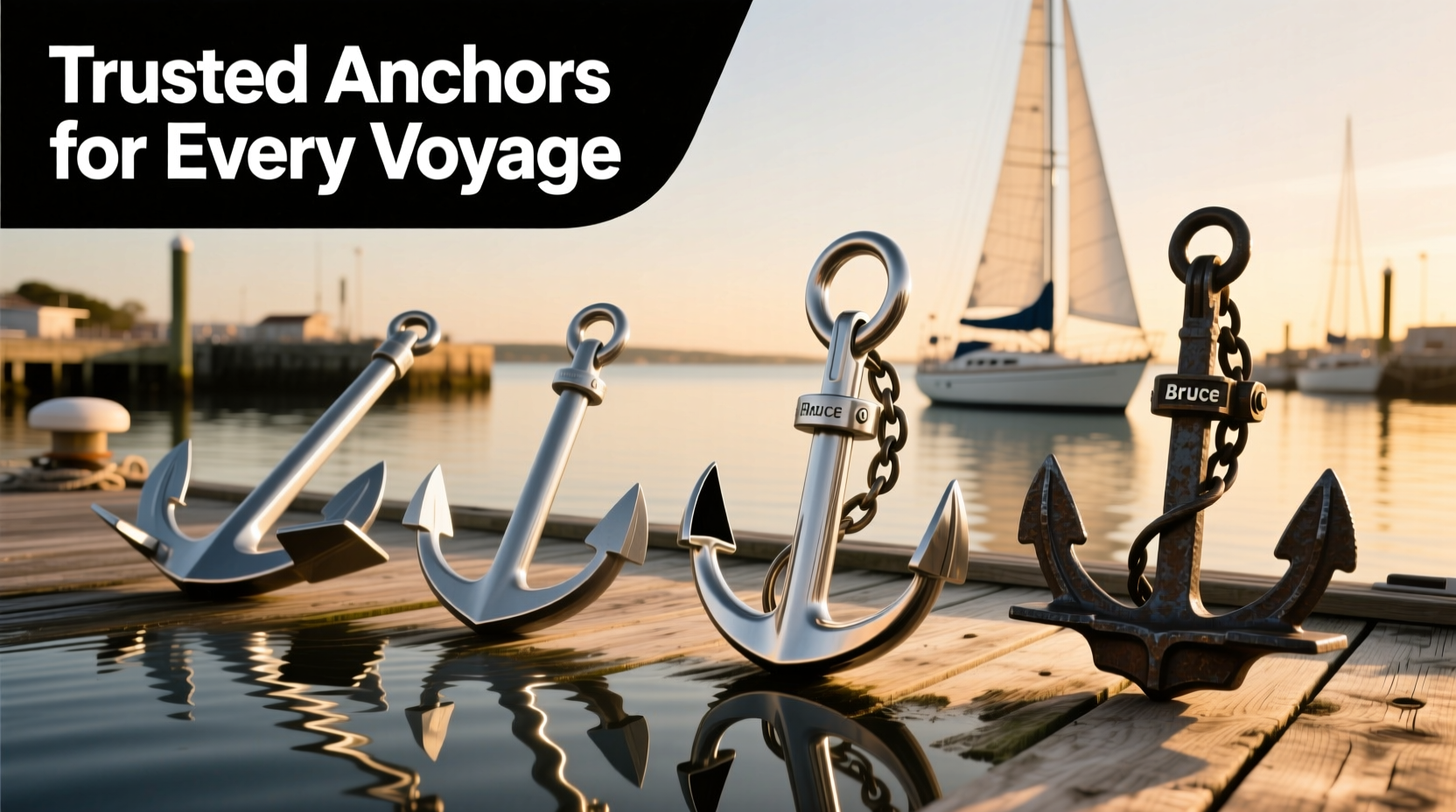
The effectiveness of a boat anchor depends on more than just weight. Key factors include design geometry, material composition, seabed compatibility, and resistance to wear. A heavier anchor isn’t always better; what matters is how efficiently it sets into the bottom and maintains grip under dynamic loads.
- Holding Power: Measured by how much force the anchor can resist before dragging. This varies with design and bottom type.
- Setting Speed: How quickly the anchor bites into the seabed upon deployment.
- Resetting Ability: The capacity to re-engage after being pulled sideways, such as during wind shifts.
- Corrosion Resistance: Especially critical in saltwater environments where galvanic corrosion can weaken components over time.
- Durability: Built to withstand repeated use, impact, and exposure without deformation or failure.
Top Durable Anchor Types for Long-Term Reliability
Not all anchors are created equal. Some excel in specific conditions but fail elsewhere. The following models are widely recognized among mariners and tested by independent organizations for consistent performance and rugged construction.
1. Rocna Anchor – Precision Engineering for Maximum Hold
The Rocna is one of the most respected modern anchors, known for its aggressive fluke angle and sharp toe that penetrates seabeds rapidly. Made from forged steel or stainless steel, it offers exceptional resistance to warping and corrosion. Its roll-bar design ensures it lands tip-down, improving setting speed in varied bottoms.
2. Manson Supreme – High Value with Proven Performance
A direct competitor to the Rocna, the Manson Supreme features a similar layout but is often more affordable. It uses heat-treated manganese steel for strength and includes a secondary roll-bar to enhance orientation. Many owners report successful holds in weed-heavy zones where older plow designs struggle.
3. Spade Anchor – Modular Design and Corrosion Protection
Manufactured in France, the Spade anchor comes in aluminum, galvanized steel, and stainless steel versions. Its symmetrical design distributes stress evenly, reducing fatigue points. Because it’s modular (blades detach), transport and storage are easier without sacrificing durability.
4. Fortress Anchor – Lightweight Aluminum Option for Soft Bottoms
Made from ultra-strong aluminum-magnesium alloy, this anchor excels in sandy or muddy substrates. While not ideal for rocky terrain, its lightweight nature makes it easy to handle, and it offers superior holding power per pound compared to traditional steel anchors in suitable conditions.
5. Delta (Willo) Anchor – Classic Workhorse with Proven Track Record
A descendant of the CQR, the Delta anchor remains popular due to its robust cast-and-welded construction and predictable behavior. Available in galvanized and stainless finishes, it performs reliably in mixed bottoms and has been standard equipment on countless production boats for decades.
“Modern anchors like the Rocna and Spade have redefined expectations for holding power, but proper scope and technique remain essential.” — Captain Alan Reynolds, Offshore Sailing Instructor and Charter Operator
Comparison Table: Best Anchors by Key Attributes
| Anchor Type | Material Options | Best For | Corrosion Resistance | Setting Speed |
|---|---|---|---|---|
| Rocna | Galvanized Steel, Stainless Steel | All-round, including weedy bottoms | High (especially stainless) | Very Fast |
| Manson Supreme | Galvanized Steel, Stainless Steel | Budget-conscious boaters needing performance | High | Fast |
| Spade | Aluminum, Galvanized, Stainless Steel | Versatile, especially offshore | Very High (stainless model) | Fast |
| Fortress | Aluminum Alloy | Sandy/muddy bottoms, small to mid-sized boats | Good (anodized finish) | Fast in soft bottoms |
| Delta (Willo) | Galvanized, Stainless Steel | General cruising, moderate conditions | Moderate to High | Moderate |
Step-by-Step Guide to Choosing and Installing a Reliable Anchor System
Picking the right anchor is only part of the equation. A complete anchoring system includes the anchor itself, rode (line/chain), shackles, and deployment method. Follow these steps to ensure long-term reliability:
- Determine Your Boat’s Size and Weight: Use manufacturer guidelines to match anchor size to your vessel. As a rule of thumb, a 30-foot sailboat typically needs at least a 15kg (33lb) primary anchor.
- Assess Common Anchoring Environments: If you frequently anchor in grass or kelp, prioritize designs with sharp tips and high resetting ability. For rocky bottoms, consider grapnels or dual-anchor setups.
- Select Material Based on Environment: In saltwater, stainless steel or heavily galvanized anchors resist corrosion better. Freshwater users may opt for cost-effective galvanized models.
- Choose the Right Rode: Use a combination of chain and nylon rope. Chain protects against abrasion and adds weight for better holding angle. A general ratio is 1 foot of chain per foot of boat length.
- Inspect Hardware Regularly: Check shackles, swivels, and chain links annually for cracks, elongation, or pitting. Replace any component showing signs of fatigue.
- Practice Deployment and Retrieval: Ensure smooth operation through routine drills. A jammed windlass or tangled rode undermines even the best anchor.
Real-World Example: Anchoring Through a Storm in the San Juans
In the summer of 2022, a 38-foot cruising sailboat anchored near Jones Island during a sudden squall. Winds shifted rapidly from southeast to northwest, creating cross-currents that caused several boats to drag. One vessel equipped with a 16kg Rocna anchor and 30 feet of chain with 150 feet of nylon rode held firm throughout the night. The owner later reported that despite gusts exceeding 35 knots, the anchor reset cleanly after each surge and showed no signs of damage upon retrieval. Other nearby boats using older plow-style anchors had to reposition multiple times.
This case highlights how modern anchor design, combined with proper scope (7:1 ratio used here), significantly improves security in unpredictable conditions.
Tip: Always carry a secondary anchor. A smaller Danforth or folding grapple can serve as a stern anchor or emergency backup.Essential Checklist for Long-Term Anchor Maintenance
- ✔ Rinse anchor and chain with fresh water after every saltwater use
- ✔ Inspect welds and flukes for cracks or bending
- ✔ Lubricate shackle pins periodically with marine-grade grease
- ✔ Store anchor securely to prevent deck damage and accidental falls
- ✔ Replace worn chain links or corroded shackles immediately
- ✔ Test set-up in controlled conditions before relying on it offshore
Frequently Asked Questions
Can I reuse an old anchor if it looks intact?
Not necessarily. Even if an anchor appears sound, internal stress fractures or metal fatigue from years of loading can compromise safety. Cast or welded anchors older than 10–15 years should be professionally inspected before continued use, especially if they’ve been dropped or dragged over rocks.
Is stainless steel worth the extra cost?
For boaters in saltwater or those prioritizing appearance and longevity, yes. Stainless steel resists rust far better than galvanized coatings, which eventually wear off. However, ensure you use matching stainless hardware—mixing metals can accelerate galvanic corrosion.
How do I know if my anchor is oversized or undersized?
An undersized anchor drags easily and requires constant monitoring. An oversized one may be unnecessarily heavy and difficult to deploy but generally safer. Refer to anchor sizing charts provided by manufacturers like Rocna or Mantus, which account for boat length, displacement, and expected wind conditions.
Final Thoughts: Invest in Confidence, Not Just Metal
A boat anchor is one of the most critical pieces of safety gear you’ll ever install. It doesn’t need to be flashy, but it must be dependable. The best choices combine intelligent design, quality materials, and proven field performance. Whether you choose a Rocna for its lightning-fast set or a Spade for its balanced strength, prioritize durability and compatibility with your typical cruising grounds.
💬 Have experience with a particularly reliable anchor? Share your story or tips in the comments—your insight could help fellow boaters stay safe on the water.








