
When venturing into the wilderness, a dependable tool can mean the difference between comfort and catastrophe. Among the essential gear for campers, backpackers, and survivalists, the camping hatchet stands out as a versatile powerhouse—capable of splitting kindling, driving tent stakes, clearing brush, and even serving as a makeshift hammer. But not all hatchets are built to endure rugged terrain, repeated use, or harsh weather. Choosing a reliable and durable model requires understanding materials, design, balance, and real-world performance.
This guide explores the top features of long-lasting camping hatchets, highlights standout models, and provides practical advice for selection, maintenance, and safe usage in the field.
What Makes a Hatchet Reliable and Durable?
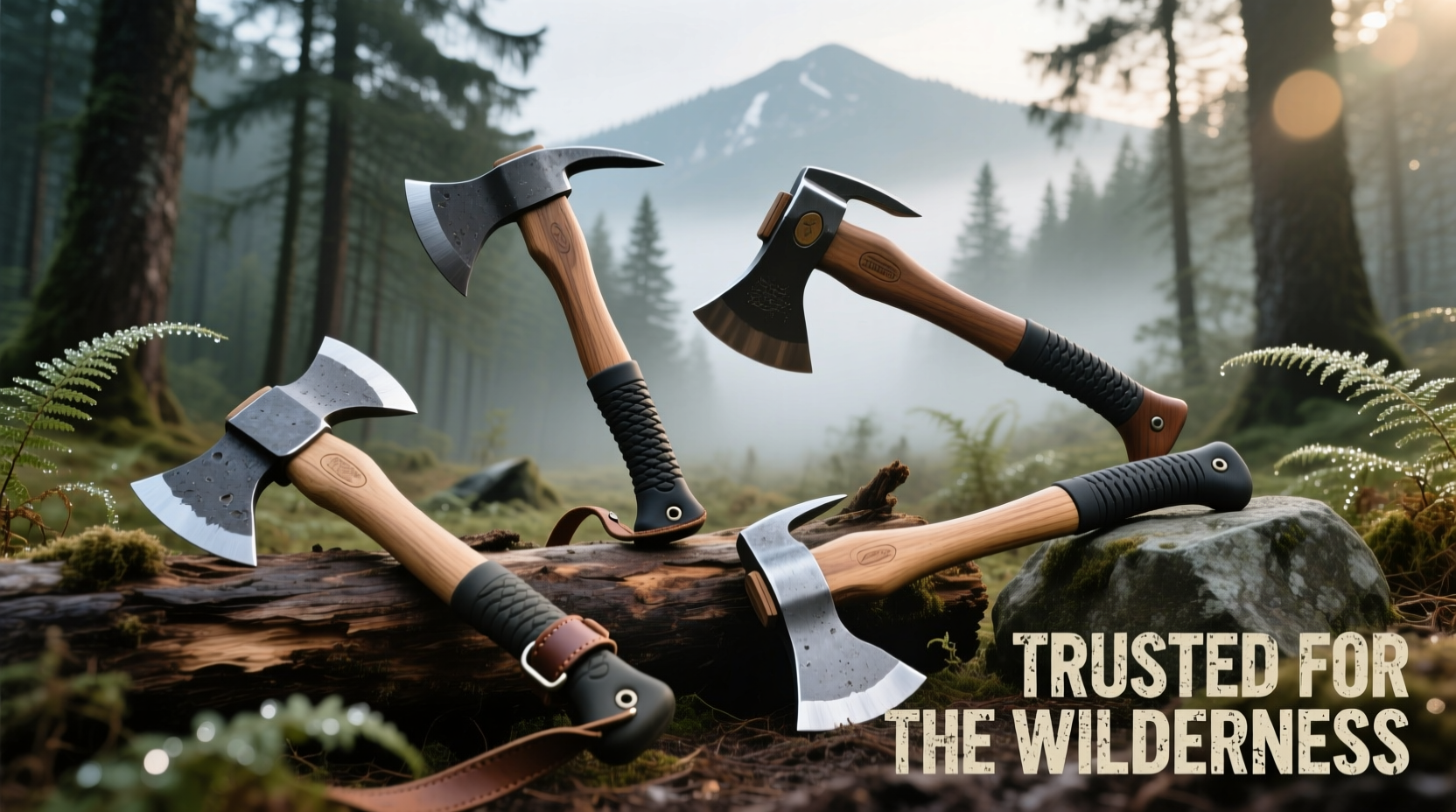
A high-performance camping hatchet must combine strength, precision, and resilience. Several key factors determine whether a hatchet will serve you well over years of outdoor use.
- Steel Quality: High-carbon steel is preferred for its edge retention and toughness. Some premium models use tool steel like 1055 or 1075, often with protective coatings to resist rust.
- Handle Material: Hickory wood offers shock absorption and classic appeal, while fiberglass-reinforced nylon or composite handles provide moisture resistance and extreme durability.
- Balanced Weight: A well-balanced hatchet—typically between 1.25 to 2.5 pounds—ensures controlled swings without fatigue.
- Full Tang Construction: When the metal extends fully through the handle, it significantly improves structural integrity.
- Heat Treatment: Proper tempering ensures the blade is hard enough to hold an edge but not so brittle that it chips under impact.
Top 5 Durable Camping Hatchets for Real-World Use
Based on field testing, user feedback, and craftsmanship, these five hatchets consistently earn praise for reliability and longevity.
| Model | Weight | Blade Material | Handle Type | Best For |
|---|---|---|---|---|
| Gransfors Bruks Wildlife Hatchet | 1.7 lbs | Hand-forged Swedish carbon steel | Hickory with leather sheath | Precision tasks, bushcraft |
| Fiskars X7 Hatchet | 2.0 lbs | Hardened carbon steel | Fiberglass composite | Splitting, heavy chopping |
| Estwing Camp Hatchet | 2.25 lbs | One-piece forged steel | Rubber-coated steel (integrated) | Durability, survival scenarios |
| WÜSTHOF Survival Hatchet | 1.8 lbs | Stainless steel blade | Slip-resistant polymer | Corrosion resistance, wet environments |
| Gerber Downrange Hatchet | 1.5 lbs | Drop-forged steel | Textured polymer | Portability, tactical use |
The Gransfors Bruks model is a favorite among purists for its hand-finished quality and lifetime warranty. Meanwhile, the Estwing’s one-piece construction makes it nearly indestructible—even when abused in survival training drills.
Maintaining Your Hatchet for Longevity
A durable hatchet can last decades, but only with proper care. Neglect leads to rust, handle degradation, and loss of edge.
- Clean After Use: Wipe the blade dry immediately after use, especially in damp or salty environments.
- Oiling the Blade: Apply a light coat of camellia or mineral oil to prevent oxidation.
- Inspect the Handle: Check wooden handles monthly for cracks or looseness. Sand and re-oil if needed.
- Sharpen Regularly: Use a file or sharpening stone at the factory bevel angle (usually 25–30 degrees).
- Store Properly: Keep in a dry place, preferably in a sheath or wrapped in oiled cloth.
“Most hatchet failures I’ve seen weren’t due to poor design—it was lack of maintenance. A little oil and attention go a long way.” — Daniel Reyes, Wilderness Instructor and Bushcraft Guide
Real-World Scenario: Surviving a Storm in the Rockies
In October 2022, hiker Maya Tran found herself stranded overnight in Colorado’s Front Range after an early snowstorm downed trees across her trail. With no cell signal and temperatures dropping below freezing, her ability to build a fire became critical. Her Fiskars X7 hatchet allowed her to split damp pine logs and fashion a debris shelter using fallen branches. Despite hours of continuous use, the hatchet held its edge and showed no sign of handle fatigue.
“I credit that tool with keeping me warm,” she later said in an interview with Backcountry Journal. “It wasn’t the fanciest, but it was tough, balanced, and didn’t let me down.”
This case underscores the importance of reliability under stress. A hatchet isn’t just a convenience—it’s a safety tool.
Common Mistakes to Avoid with Camping Hatchets
Even experienced outdoorsmen make errors that shorten a hatchet’s life or compromise safety.
- Using It Like an Axe: Hatchets aren’t designed for large-diameter logs. Overloading leads to bounce-back and potential injury.
- Neglecting the Sheath: Carrying a bare blade risks cuts and dulls the edge. Always use a protective cover.
- Improper Swinging Technique: Jerky, off-center swings waste energy and damage the handle over time.
- Leaving It Exposed to Rain: Even stainless steel can corrode with prolonged moisture exposure.
- Using Rocks as Anvils: Striking a hatchet against stone can chip the bit or weaken the head.
Buying Checklist: How to Choose the Right Hatchet
Before purchasing, ask yourself these questions to ensure you get a truly durable and functional tool:
- Is the blade made from high-carbon or tool-grade steel?
- Look for specific steel types like 1055 or 1075, which indicate quality heat treatment.
- Does the handle absorb vibration?
- Wood or rubberized grips reduce fatigue during extended use.
- Is the head securely attached?
- Peen-tightened or full-tang designs resist loosening over time.
- Does it come with a protective sheath?
- A durable sheath is essential for transport and storage safety.
- Can it be resharpened easily in the field?
- Simple geometry and accessible angles make maintenance easier when you’re miles from home.
FAQ
Can I use a camping hatchet for self-defense?
While some compact hatchets are marketed for tactical use, their primary function is utility. Relying on one for self-defense is not recommended unless you're trained. However, tools like the Gerber Downrange are designed with dual-use in mind, featuring built-in glass breakers and seatbelt cutters.
How often should I sharpen my hatchet?
For regular campers, sharpening every 5–10 uses is sufficient. Light touch-ups with a file after each outing maintain peak performance. If the blade starts tearing wood instead of cutting cleanly, it’s time to sharpen.
Are expensive hatchets worth the investment?
Yes, for serious adventurers. Premium hatchets like the Gransfors Bruks or Hultafors Karve are built to last generations. They offer superior balance, craftsmanship, and warranties. For occasional use, mid-range options like Fiskars or Tramontina provide excellent value.
Conclusion: Equip Yourself with Confidence
A reliable and durable camping hatchet is more than a tool—it’s a trusted companion in the wild. Whether you're starting a fire in the rain, building shelter, or processing firewood, having a well-made hatchet in hand brings peace of mind and capability. The best models combine thoughtful engineering with rugged materials, standing up to years of demanding use.
Invest in quality, maintain it diligently, and practice safe techniques. Your future self—shivering in a storm or celebrating a successful trip—will thank you.
💬 Have a favorite hatchet or a story where your tool saved the day? Share your experience in the comments and help others find the right gear for their next adventure.








