Whether played on sand or indoors, volleyball demands equipment that can withstand intense rallies, frequent impacts, and varying environmental conditions. A high-quality volleyball is more than just a ball—it's a critical component of player development, game consistency, and long-term value. With so many options on the market, selecting a durable and reliable volleyball that performs well in both competitive play and rigorous training sessions requires informed decision-making. This guide breaks down what makes a volleyball truly built to last, highlights top-performing models, and provides practical advice for coaches, players, and program directors.
What Makes a Volleyball Durable and Reliable?
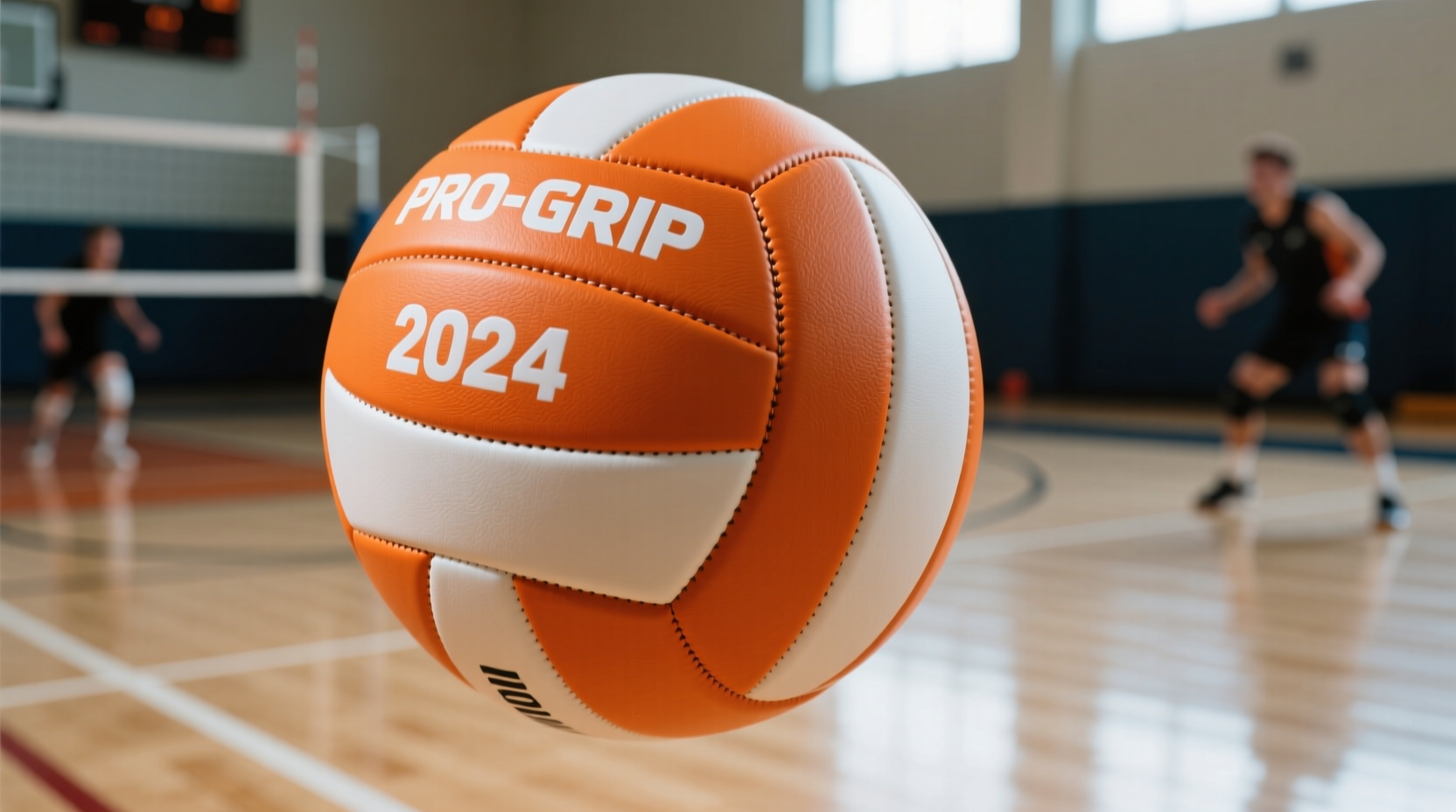
Durability in a volleyball isn’t just about surviving a few hard spikes. It’s about maintaining consistent shape, grip, air retention, and performance over hundreds of hours of use. Several factors determine whether a ball will stand up to the demands of regular play.
- Outer Cover Material: High-grade synthetic leather (often polyurethane or composite leather) offers superior resistance to abrasion, moisture, and UV exposure—especially important for outdoor and beach use.
- Bladder Quality: The inner bladder, typically made from butyl rubber, affects air retention. Butyl bladders hold air significantly longer than latex, reducing the need for constant reinflation.
- Construction Method: Hand-stitched balls generally offer better durability and roundness than machine-stitched ones. Glued seams may degrade faster under stress.
- Panel Design: 18-panel construction is standard for regulation balls, offering balanced weight distribution and predictable flight patterns.
Top Volleyballs for Game and Training Use
Not all volleyballs are created equal. Some excel in match settings, while others are engineered for repeated drills and heavy handling. Below is a comparison of leading models known for their resilience and performance.
| Model | Type | Durability Rating | Air Retention | Ideal For |
|---|---|---|---|---|
| Mikasa MVA200 | Indoor Competition | ★★★★★ | Excellent (Butyl Bladder) | FIVB matches, college teams |
| Wilson Ultimate 6.0 | Indoor/Training | ★★★★☆ | Very Good | High school programs, clubs |
| Tachikara SV5WS | Indoor Training | ★★★★☆ | Good | Youth leagues, skill drills |
| Molten V5M5000 | Indoor Competition | ★★★★★ | Excellent | NCAA, international play |
| Spalding TF-R500 | All-Surface | ★★★☆☆ | Fair | School gyms, multi-use courts |
The Mikasa MVA200, used in FIVB-sanctioned events, sets the gold standard for indoor competition with its seamless feel and exceptional longevity. Meanwhile, the Wilson Ultimate 6.0 balances performance and cost-effectiveness, making it a favorite among high school and club coaches who need dependable balls for daily practices.
Choosing Based on Environment and Use
Where and how a volleyball is used dramatically affects which model is best suited for the task. Indoor gym floors, outdoor asphalt, and sandy beaches each impose different stresses on the ball.
“Using an indoor ball on concrete or sand drastically reduces its life. Match the ball to the surface.” — Coach Lisa Tran, NCAA Assistant Volleyball Coach
For indoor competition and training, prioritize balls with soft-touch synthetic leather covers and precise panel alignment. These provide better control and hand feel during serves, sets, and spikes.
For outdoor or multipurpose use, consider all-surface volleyballs with reinforced stitching and weather-resistant coatings. While they may not offer the same finesse as indoor competition balls, they resist cracking, fading, and water absorption far better.
Beach volleyball requires specific low-pressure, slightly larger balls designed for softer landings on sand. Mikasa’s BV series and Tachikara’s Yari Super Touch are engineered to maintain flight stability despite wind and humidity.
Step-by-Step Guide to Extending Volleyball Lifespan
Even the highest-quality volleyball will degrade prematurely without proper care. Follow this timeline-based maintenance routine to maximize durability:
- Before First Use: Inflate to the recommended pressure using a calibrated gauge. Let the ball sit for 24 hours to stabilize.
- Pre-Practice Check: Inspect for loose stitching, surface cracks, or uneven inflation. Rotate between multiple balls to distribute wear.
- Post-Use Cleaning: Wipe down with a damp cloth after each session. For heavily soiled balls, use mild soap and water—never submerge.
- Monthly Maintenance: Check valve function and re-lubricate if needed with silicone spray. Store at room temperature away from direct sunlight.
- Seasonal Assessment: Evaluate balls for permanent deformation or inconsistent bounce. Retire those no longer meeting performance standards.
Real-World Example: How One High School Program Cut Equipment Costs
Lincoln High School’s volleyball team previously replaced over 12 indoor balls per season due to cracked covers and deflation issues. After switching to Wilson Ultimate 6.0s and implementing a structured ball rotation and maintenance system, they reduced replacements to just four per year—a 67% drop in equipment spending.
Coach Ramirez introduced a checklist for student managers: inspect, clean, and log each ball’s usage weekly. By retiring balls only when performance declined—not appearance—they extended usable life without compromising game quality.
“We realized we were discarding serviceable balls too early,” said Ramirez. “Now our players learn consistency because they’re using the same reliable balls all season.”
Essential Buying Checklist
Before purchasing new volleyballs, verify the following:
- ✔️ Certified for intended use (NFHS, FIVB, NCAA, etc.)
- ✔️ Appropriate size and weight (size 5 for adults, size 4 or 3 for youth)
- ✔️ Butyl bladder for long-term air retention
- ✔️ Reinforced stitching or thermal bonding
- ✔️ Surface-specific design (indoor, outdoor, beach)
- ✔️ Manufacturer warranty or replacement policy
Frequently Asked Questions
How often should I replace volleyballs in a training program?
In high-frequency training environments, evaluate balls every 6–8 months. Signs like inconsistent bounce, visible seam separation, or difficulty holding air indicate it’s time for replacement. Rotating multiple balls extends individual lifespan.
Can I use a beach volleyball indoors?
While possible, it’s not ideal. Beach volleyballs are softer and larger, affecting hand positioning and power transfer. They also wear out faster on hard surfaces. Use them only when necessary and rotate back to indoor-specific models.
Are expensive volleyballs worth the investment?
For competitive teams and schools with regular use, yes. Higher-priced balls like the Mikasa MVA200 or Molten V5M5000 offer longer lifespans, better consistency, and official certification. The cost per use often ends up lower than frequently replacing budget models.
Final Thoughts: Invest in Performance and Longevity
Selecting quality volleyballs for game and training isn’t about chasing the most expensive option—it’s about matching durability, reliability, and performance to your specific needs. Whether outfitting a professional team or managing a middle school PE class, the right ball improves player development, ensures fair play, and ultimately saves money through reduced replacement frequency.
From choosing the correct materials to enforcing simple maintenance routines, small decisions compound into significant long-term benefits. Prioritize certified, well-constructed volleyballs, and treat them as essential tools of the sport—not disposable gear.
🚀 Ready to upgrade your team’s equipment? Audit your current volleyballs today, compare them against the models discussed, and make your next purchase with confidence. Share your experiences or ask questions in the comments below.








