Snowboarding is as much about finesse as it is about power. The connection between rider and board starts with the bindings—and few brands have mastered that interface like Burton. For decades, Burton has led the charge in snowboard innovation, and their adjustable bindings stand out as a benchmark for performance, comfort, and adaptability. Whether you're carving groomers, launching off jumps, or hiking backcountry ridges, having the right binding setup can make the difference between an average day and an unforgettable one.
Adjustable bindings from Burton offer riders the ability to fine-tune fit, stance, and responsiveness—critical factors that influence both comfort and precision. But not all models are created equal. Understanding what sets high-quality Burton bindings apart helps ensure you’re investing in gear that enhances your riding rather than holding it back.
The Role of Bindings in Snowboard Performance
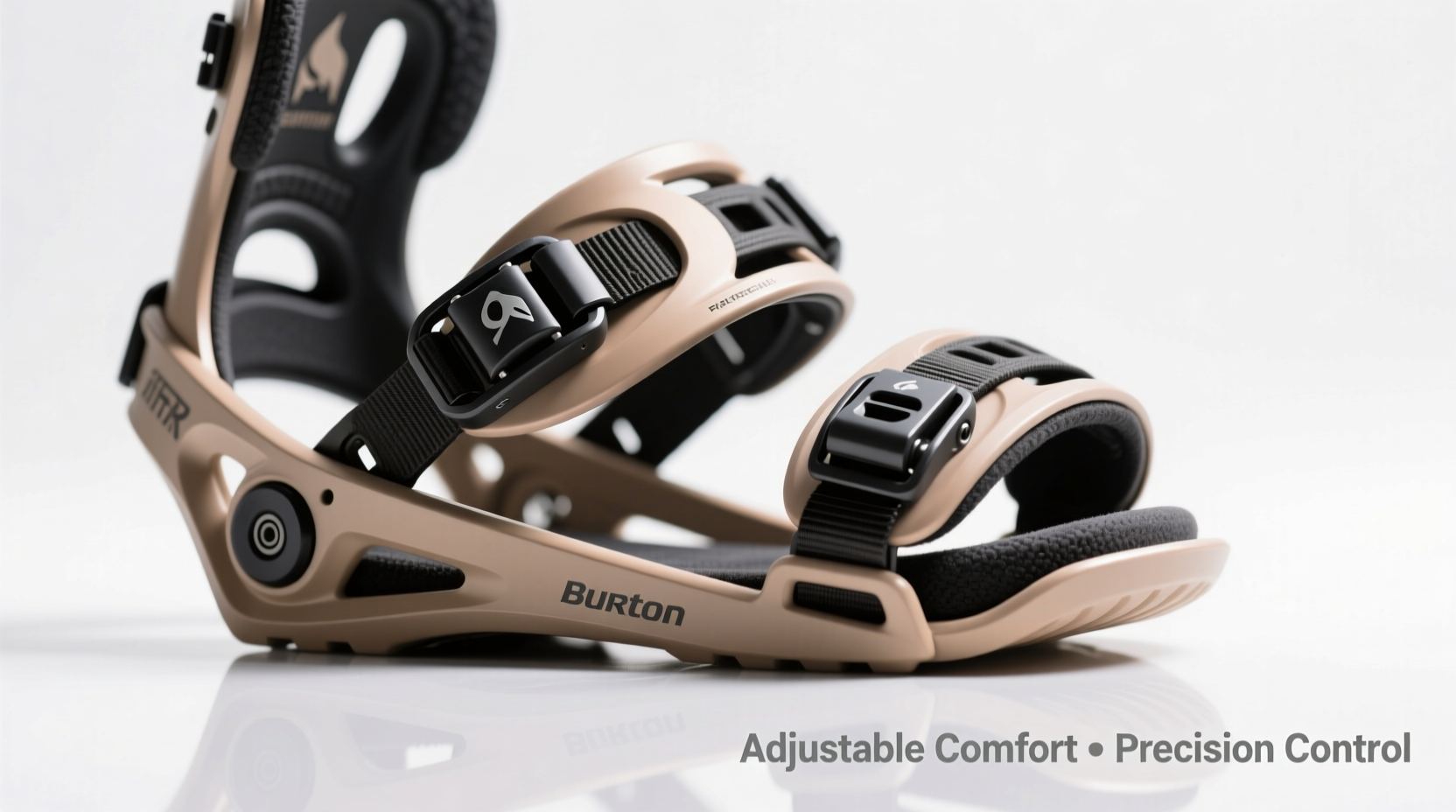
Bindings act as the critical link between your boots and your board. They transfer energy from your legs to the edges, enabling turns, jumps, and landings. A poorly fitted or low-performance binding can result in delayed response, foot fatigue, or even injury. On the flip side, a well-designed, properly adjusted binding improves edge hold, reduces vibration, and increases overall board feel.
Burton’s engineering focuses on three core principles: adjustability, support, and comfort. Their bindings allow micro-adjustments to highbacks, straps, and baseplates—so you can dial in your stance for specific conditions or riding styles. This level of customization is especially valuable for riders who tackle varied terrain or evolve their technique over time.
“Your binding is the steering wheel of your snowboard. If it’s not responsive and comfortable, nothing else matters.” — Travis Parker, Professional Snowboard Technician & Former Pro Rider
Key Features of High-Quality Adjustable Burton Bindings
When evaluating Burton bindings for comfort and control, several features consistently separate premium models from entry-level options:
- Tool-Free Adjustability: Many Burton bindings feature tool-free forward lean and strap adjustments. This allows riders to tweak settings on the lift or at the base without carrying extra gear.
- Living Hinge Technology: Found in Burton’s Re:Flex and EST platforms, this system uses a flexible hinge to maintain consistent board flex while improving energy transfer.
- Responsive Baseplates: Higher-end models use composite or magnesium-reinforced bases that offer precise torsional stiffness without sacrificing dampening.
- Comfort-Focused Straps:
Tip: Always center your boot in the binding before making micro-adjustments—this ensures balanced pressure distribution and prevents heel lift.
Top Burton Binding Models for Comfort and Control
Not every Burton binding suits every rider. Here’s a comparison of three top-tier models known for superior adjustability and performance:
Model Platform Adjustability Highlights Best For Burton Cartel X Re:Flex / EST Tool-free forward lean, dual-axis highback, ergonomic straps All-mountain versatility, aggressive riders Burton Photon X Re:Flex Lightweight tool-free adjustments, canted living hinge Riders prioritizing comfort and reduced fatigue Burton Genesis EST MicroFLADGE highback, infinite channel adjustment Precision carving and technical terrain The Cartel X stands out for its robust support and customizable response, making it ideal for advanced riders pushing their limits. The Photon X offers a smoother, more forgiving ride—perfect for long days when comfort is paramount. Meanwhile, the Genesis delivers surgical precision through its ultra-responsive highback and minimalistic design, favored by freeride and park specialists alike.
Step-by-Step: How to Dial In Your Burton Bindings
Even the best bindings underperform if they aren’t properly set up. Follow this sequence to optimize your Burton bindings for maximum comfort and control:
- Mount the bindings using Burton’s Channel System or Disc system, ensuring centered placement based on your preferred stance width.
- Set your stance angle—typically between +15° to +21° for front foot and -6° to 0° for back foot, depending on riding style.
- Insert your boot and fasten the ankle strap first, then the toe strap. Ensure no wrinkles in the liner and even pressure across the foot.
- Adjust the highback so it supports your calf without restricting motion. Use the tool-free lever to modify forward lean—more upright for freestyle, more forward for carving.
- Center the ankle strap over the widest part of your boot. Tighten until secure but not constricting.
- Test on a gentle run and evaluate response. If the board feels sluggish, increase forward lean. If your toes press against the board, widen the highback angle slightly.
This process should be revisited seasonally—or whenever you change boots—as small shifts in fit can significantly impact performance.
Real-World Example: From Fatigue to Flow
Consider Sarah, an intermediate rider who upgraded from a budget binding to the Burton Photon X Re:Flex. She’d struggled with foot numbness and inconsistent turn initiation during full-day outings. After switching, she used the tool-free adjustments to reduce forward lean slightly and repositioned her ankle strap for better circulation.
Within two runs, she noticed sharper edge engagement and far less fatigue. By midday, she was attempting steeper chutes she’d previously avoided. “It wasn’t just more comfort,” she said later. “It felt like my board finally responded the way I thought it should.” Her experience underscores how proper binding setup directly influences confidence and progression.
Buying Checklist: Choosing the Right Burton Binding
Before purchasing, ask yourself these questions to ensure you select a model that aligns with your needs:
- Do I need compatibility with Re:Flex (universal) or EST (Burton-exclusive) boards?
- Am I prioritizing lightweight design or maximum power transfer?
- Will I be riding aggressively in variable terrain, or focusing on park and freestyle?
- Do I value tool-free adjustments for quick changes on the mountain?
- Is cushioning and shock absorption important due to past knee or joint issues?
Answering these honestly helps narrow down which Burton model will serve you best. Don’t assume higher price means better—it means more specialized. A beginner might find the Cartel too stiff, just as a pro might find entry-level bindings too vague.
Frequently Asked Questions
Can I use Burton bindings on non-Burton boards?
Yes—if you choose the Re:Flex platform. These bindings work with all major mounting systems, including 4x4, 3D, and Channel. EST (Exclusive Snowboard Technology) models only fit Burton boards with the Channel system.
How often should I replace my bindings?
With proper care, high-quality Burton bindings last 5–7 seasons. Signs it’s time to replace include cracked baseplates, stripped adjustment screws, or straps that no longer hold tension. Regular cleaning and off-season storage in a dry place extend lifespan.
Why are my feet going numb in Burton bindings?
Numbness usually stems from over-tightening straps or improper highback alignment. Try loosening the ankle strap slightly and adjusting the highback angle to reduce pressure on the Achilles. Also ensure your boots are the correct size—compression from ill-fitting boots compounds binding pressure.
Final Thoughts: Invest in Your Connection
Your snowboard is only as good as your connection to it. Burton’s commitment to adjustable, rider-focused design has made their bindings a staple for those who demand both comfort and control. From the intuitive tool-free levers to the intelligent shaping of highbacks and straps, every detail serves a purpose: to make your ride feel effortless, powerful, and alive.
Don’t treat bindings as an afterthought. Take the time to understand your riding style, test adjustments, and choose a model that grows with you. Whether you're refining your carve or dropping into your first double black diamond, the right Burton binding won’t just keep up—it’ll help you excel.
💬 Have a favorite Burton binding setup or tuning tip? Share your experience in the comments—your insight could help another rider find their perfect fit.









