
Turmeric is celebrated globally for its vibrant golden hue and potent bioactive compounds, particularly curcumin, which has been linked to anti-inflammatory, antioxidant, and immune-modulating properties. Widely used in traditional medicine and modern wellness regimens, it's easy to assume turmeric is universally safe. However, like any bioactive substance, turmeric—especially when consumed in concentrated forms or large quantities—can pose health risks for certain individuals. Understanding these potential side effects is essential for informed use, whether you're incorporating a pinch into your curry or taking high-dose supplements daily.
While culinary use of turmeric is generally safe for most people, excessive intake, long-term supplementation, or use in specific medical conditions can lead to adverse reactions. This article provides a comprehensive examination of the documented health risks and side effects associated with turmeric, supported by clinical research and expert insights. The goal is not to discourage use but to promote responsible, evidence-based consumption that aligns with individual health profiles.
Definition & Overview
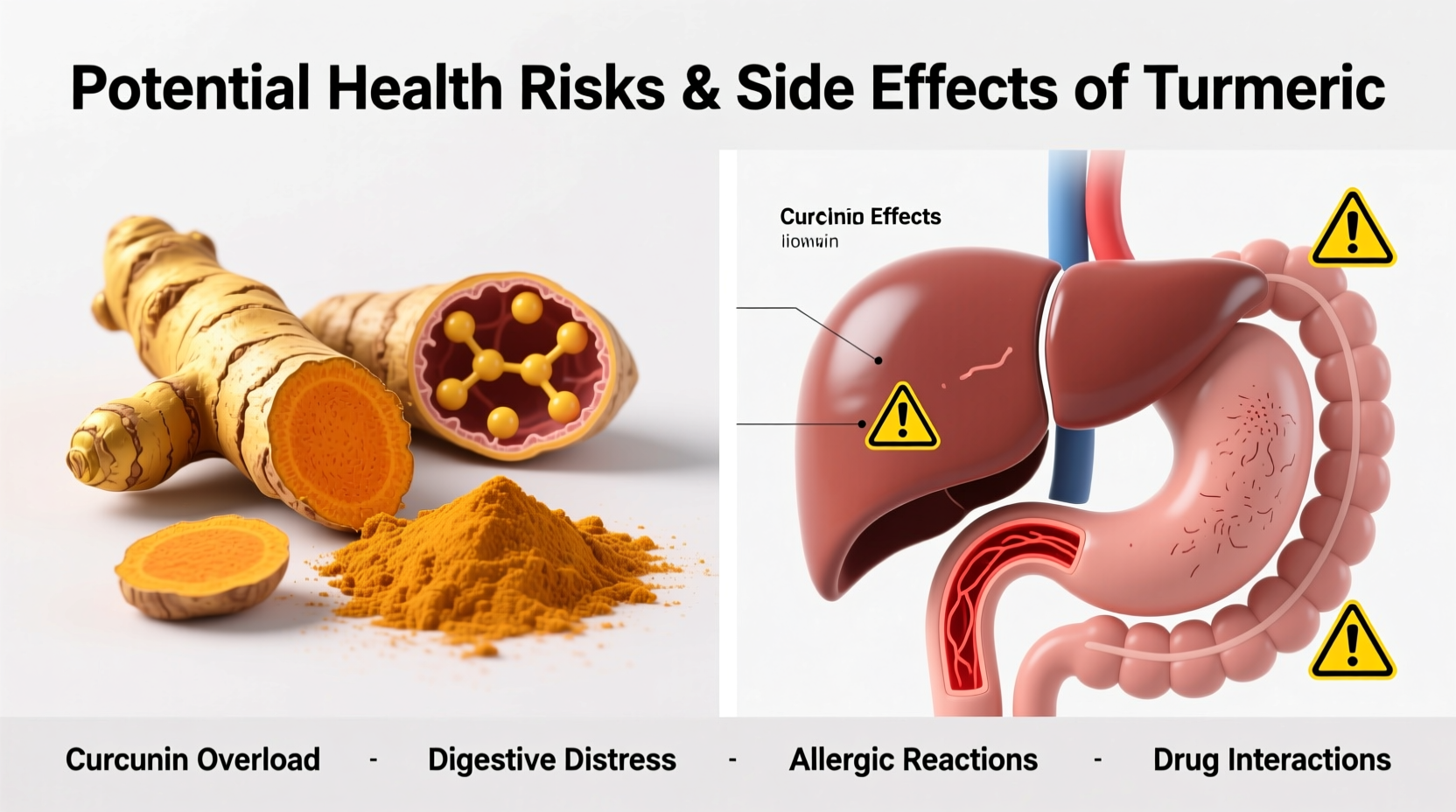
Turmeric (Curcuma longa) is a flowering plant in the ginger family, native to Southeast Asia and widely cultivated in India, China, and Indonesia. Its rhizome (underground stem) is harvested, boiled, dried, and ground into a deep orange-yellow powder that serves as a spice, coloring agent, and medicinal herb. For over 4,000 years, turmeric has played a central role in Ayurvedic, Chinese, and Unani medicine systems, traditionally used to support digestion, joint health, skin conditions, and wound healing.
The primary active compound in turmeric is curcumin, which constitutes about 2–5% of raw turmeric root by weight. Curcumin is responsible for most of the plant’s studied biological effects. Due to its low bioavailability—meaning it is poorly absorbed and rapidly metabolized—many supplements include enhancers like piperine (from black pepper) or are formulated as liposomal or nanoparticle preparations to improve absorption.
Beyond the kitchen, turmeric has gained popularity in functional foods, herbal teas, skincare products, and dietary supplements marketed for inflammation, arthritis, cognitive function, and metabolic health. While many benefits are supported by preclinical studies, human trials remain mixed, and safety concerns arise primarily from non-dietary use.
Key Characteristics of Turmeric
| Characteristic | Description |
|---|---|
| Flavor Profile | Earthy, slightly bitter, mildly peppery with a warm, musky sweetness. |
| Aroma | Warm, woody, reminiscent of ginger with a subtle camphor-like note. |
| Color | Vibrant golden-orange; highly pigmented and can stain surfaces and fabrics. |
| Heat Level | Not spicy; does not contain capsaicin. Mild warming sensation on palate. |
| Culinary Function | Seasoning, coloring agent, flavor base in spice blends (e.g., curry powder). |
| Shelf Life | Ground turmeric: 2–3 years if stored properly; fresh root: 2–3 weeks refrigerated. |
| Solubility | Fat-soluble; best absorbed when consumed with oils or fats. |
Practical Usage: Culinary vs. Supplemental Intake
In everyday cooking, turmeric is typically used in small amounts—ranging from ¼ to 1 teaspoon per dish—making serious adverse effects extremely rare. It is a staple in Indian, Middle Eastern, and Southeast Asian cuisines, commonly found in curries, dals, rice dishes, marinades, and soups. When used this way, it contributes both flavor and color while delivering modest levels of curcumin.
To maximize absorption in food, combine turmeric with healthy fats (such as coconut oil, ghee, or olive oil) and a pinch of black pepper. A classic example is “golden milk,” a warm beverage made with turmeric, milk (dairy or plant-based), black pepper, and sometimes ginger or cinnamon. This combination leverages fat and piperine to enhance curcumin uptake.
However, the shift from culinary use to concentrated supplementation changes the risk profile significantly. Supplements often deliver 500–2,000 mg of curcumin extract daily—equivalent to consuming several tablespoons of turmeric powder, far exceeding typical dietary intake. At these levels, physiological effects become more pronounced, increasing the likelihood of side effects and drug interactions.
Tip: Stick to culinary doses unless under medical supervision. If considering supplements, start with low doses and monitor for gastrointestinal discomfort or allergic reactions.
Variants & Types of Turmeric Products
Turmeric is available in multiple forms, each with distinct uses and safety considerations:
- Ground Turmeric Powder: Most common form for cooking. Stable shelf life but loses potency over time if exposed to light and air.
- Fresh Turmeric Root: Resembles ginger but smaller and brighter orange inside. Used grated or juiced in smoothies, teas, and sauces. More perishable but offers fresher flavor.
- Standardized Extracts (Capsules/Tablets): Contain concentrated curcuminoids (often 95%). Marketed for therapeutic use. Risk of side effects increases with dose and duration.
- Liquid Tinctures: Alcohol or glycerin-based extracts. Faster absorption but may irritate sensitive stomachs.
- Topical Preparations: Creams, balms, or pastes applied to skin. Generally safe but can cause contact dermatitis in some individuals.
- Nanocurcumin or Phytosome Formulations: Advanced delivery systems designed to overcome poor bioavailability. Higher systemic exposure raises caution for long-term use without monitoring.
When selecting a product, consider the intended purpose. Cooking calls for whole spice; targeted health goals may warrant supplements—but only after consulting a healthcare provider, especially if managing chronic conditions.
Comparison with Similar Ingredients
Turmeric is often confused with other yellow-colored spices or herbs. Understanding distinctions helps prevent misuse and ensures accurate expectations.
| Ingredient | Differences from Turmeric |
|---|---|
| Saffron | More expensive, floral aroma, derived from crocus stigmas. Imparts golden color but lacks curcumin. No significant anti-inflammatory properties comparable to turmeric. |
| Annatto | Seed-based coloring agent (from achiote tree). Provides yellow-orange hue but no curcumin or medicinal compounds. Used mainly as food dye. |
| Ginger | Same botanical family but different genus. Pungent, spicy-hot flavor. Shares some digestive benefits but does not contain curcumin. |
| Curry Powder | Blend that includes turmeric (usually 15–30%), plus coriander, cumin, chili, etc. Not interchangeable with pure turmeric due to variable composition. |
Potential Health Risks and Side Effects
Despite its reputation as a “natural” remedy, turmeric is pharmacologically active and capable of interacting with bodily systems in ways that may be harmful under certain circumstances.
Gastrointestinal Distress
One of the most commonly reported side effects of turmeric, especially in supplement form, is digestive upset. High doses can stimulate gastric acid secretion and increase motility, leading to:
- Nausea
- Dizziness
- Diarrhea
- Acid reflux
- Abdominal cramps
A 2017 review published in Food and Chemical Toxicology noted that doses exceeding 1,000 mg of curcumin per day were associated with mild-to-moderate gastrointestinal symptoms in up to 10% of participants across clinical trials. These effects are typically dose-dependent and resolve upon discontinuation.
Blood Thinning and Bleeding Risk
Curcumin exhibits mild anticoagulant properties by inhibiting platelet aggregation and interfering with clotting factors. While beneficial in theory for cardiovascular health, this becomes a concern for individuals on blood-thinning medications such as warfarin, clopidogrel, or aspirin.
“Patients scheduled for surgery should discontinue high-dose turmeric supplements at least two weeks prior due to increased bleeding risk,” advises Dr. Elena Martinez, integrative medicine specialist at Johns Hopkins Medicine.
Even culinary amounts may pose risks when combined with other natural blood thinners like garlic, ginkgo biloba, or fish oil. Those with bleeding disorders (e.g., hemophilia) should exercise caution.
Interference with Iron Absorption
Turmeric contains oxalates and polyphenols that can bind to iron, reducing its intestinal absorption. Chronic high intake may contribute to iron deficiency, particularly in individuals already at risk—such as menstruating women, vegetarians, or those with anemia.
A study in British Journal of Nutrition (2013) demonstrated that curcumin reduced non-heme iron absorption by up to 65% in vitro. Regular users of turmeric supplements should monitor ferritin and hemoglobin levels and consider spacing intake away from iron-rich meals.
Hormonal Effects
Preliminary research suggests curcumin may have weak estrogenic activity, raising theoretical concerns about hormone-sensitive conditions such as breast cancer, endometriosis, or uterine fibroids. While human data is limited, animal studies indicate modulation of estrogen receptors.
Until further evidence emerges, women undergoing treatment for estrogen-receptor-positive cancers are often advised to avoid concentrated curcumin supplements. Dietary turmeric in normal cooking amounts is generally considered safe.
Liver Function Concerns
Although turmeric is often promoted for liver detoxification, rare cases of hepatotoxicity (liver injury) have been linked to turmeric supplements. The U.S. National Institutes of Health (NIH) has documented several instances of acute liver damage following ingestion of curcumin-containing products.
In 2019, the Drug-Induced Liver Injury Network identified 13 cases of clinically apparent liver injury attributed to turmeric supplements, with onset ranging from 1 to 12 weeks. Symptoms included jaundice, fatigue, dark urine, and elevated liver enzymes. Most patients recovered after stopping the product.
These cases appear idiosyncratic (unpredictable and rare), but they underscore the need for vigilance, especially in individuals with pre-existing liver disease or those taking hepatotoxic medications.
Allergic Reactions
Though uncommon, allergic responses to turmeric can occur. Contact dermatitis may develop from handling powdered turmeric or using topical formulations. Systemic allergy symptoms include:
- Skin rash or hives
- Itching
- Swelling of face or throat
- Anaphylaxis (extremely rare)
Individuals with known sensitivities to ginger or other Zingiberaceae plants may be at higher risk.
Drug Interactions
Turmeric can interfere with various medications through effects on liver enzymes (particularly CYP450 system) and drug transporters. Notable interactions include:
- Antidiabetic drugs: May enhance hypoglycemic effects, increasing risk of low blood sugar.
- Stomach acid reducers (proton pump inhibitors): Turmeric may stimulate acid production, counteracting medication efficacy.
- Chemotherapy agents: Potential interference due to antioxidant activity; could theoretically protect cancer cells from oxidative damage induced by treatment.
- Immunosuppressants: Curcumin’s immune-modulating effects may alter drug effectiveness.
Always disclose turmeric supplement use to your physician and pharmacist.
Who Should Avoid or Limit Turmeric?
Certain populations should limit or avoid turmeric, particularly in supplemental form:
- Pregnant and breastfeeding women: Culinary use is safe, but high-dose supplements are not recommended due to lack of long-term safety data and potential uterine stimulation.
- Individuals with gallstones or bile duct obstruction: Turmeric may stimulate gallbladder contraction, worsening symptoms.
- People with GERD or peptic ulcers: May exacerbate acid reflux or irritation due to increased gastric acid.
- Those preparing for surgery: Discontinue supplements at least two weeks beforehand to reduce bleeding risk.
- Patients with iron deficiency or anemia: Should avoid high intake due to inhibition of iron absorption.
- People with liver disease: Use only under medical supervision due to rare hepatotoxicity reports.
Practical Tips & FAQs
How much turmeric is safe to consume daily?
The Joint FAO/WHO Expert Committee on Food Additives (JECFA) established an acceptable daily intake of 0–3 mg/kg body weight of curcumin. For a 70 kg (154 lb) adult, this equals up to 210 mg of curcumin per day—roughly equivalent to 1–2 teaspoons of ground turmeric. This guideline applies to long-term use; occasional higher intake is unlikely to cause harm.
Can turmeric cause kidney stones?
Yes, indirectly. Turmeric is moderately high in oxalates, which can bind with calcium in the urine and contribute to calcium-oxalate stone formation. Individuals prone to kidney stones should limit intake and ensure adequate hydration.
Is it safe to take turmeric every day?
Culinary use is safe for daily consumption. Long-term daily supplementation (months to years) lacks sufficient safety data. Periodic breaks or cycling usage may be prudent.
Does cooking destroy curcumin?
Curcumin is heat-stable but degrades slowly at high temperatures over extended periods. Short cooking times (e.g., sautéing, simmering for less than 30 minutes) preserve most of its activity.
What are signs of turmeric overdose?
There is no defined \"overdose,\" but excessive intake may cause nausea, diarrhea, dizziness, or palpitations. In rare cases, liver enzyme elevations may occur without obvious symptoms. Blood testing is required for detection.
Checklist: Safe Use of Turmeric Supplements
- Consult your doctor before starting, especially if on medication.
- Start with a low dose (e.g., 250–500 mg curcumin daily).
- Choose products with third-party testing (e.g., USP, NSF certified).
- Avoid combining with other blood thinners or immune-modulating herbs.
- Monitor for digestive issues, rashes, or unusual fatigue.
- Discontinue before surgery or invasive procedures.
- Store in a cool, dark place to preserve potency.
Summary & Key Takeaways
Turmeric is a valuable culinary and medicinal spice with a long history of safe use in traditional diets. However, its growing popularity as a concentrated supplement necessitates awareness of potential health risks. While moderate dietary intake poses minimal danger, high-dose or long-term supplementation can lead to gastrointestinal issues, blood thinning, iron deficiency, liver toxicity, and drug interactions.
The key to safe consumption lies in distinguishing between food and pharmaceutical use. A pinch in your lentil stew is fundamentally different from ingesting 1,500 mg of curcumin daily. Certain populations—including pregnant women, surgical patients, those with gallbladder disease, and individuals on critical medications—should exercise particular caution.
As with any bioactive compound, more is not always better. Respect turmeric’s potency. Prioritize whole-food sources over isolated extracts, and always consult a healthcare professional before beginning a new supplement regimen—especially one as biologically active as turmeric.
Final Thought: Embrace turmeric as a flavorful, functional ingredient in your kitchen—not as a miracle cure. Balance tradition with science, and let culinary wisdom guide your use.









