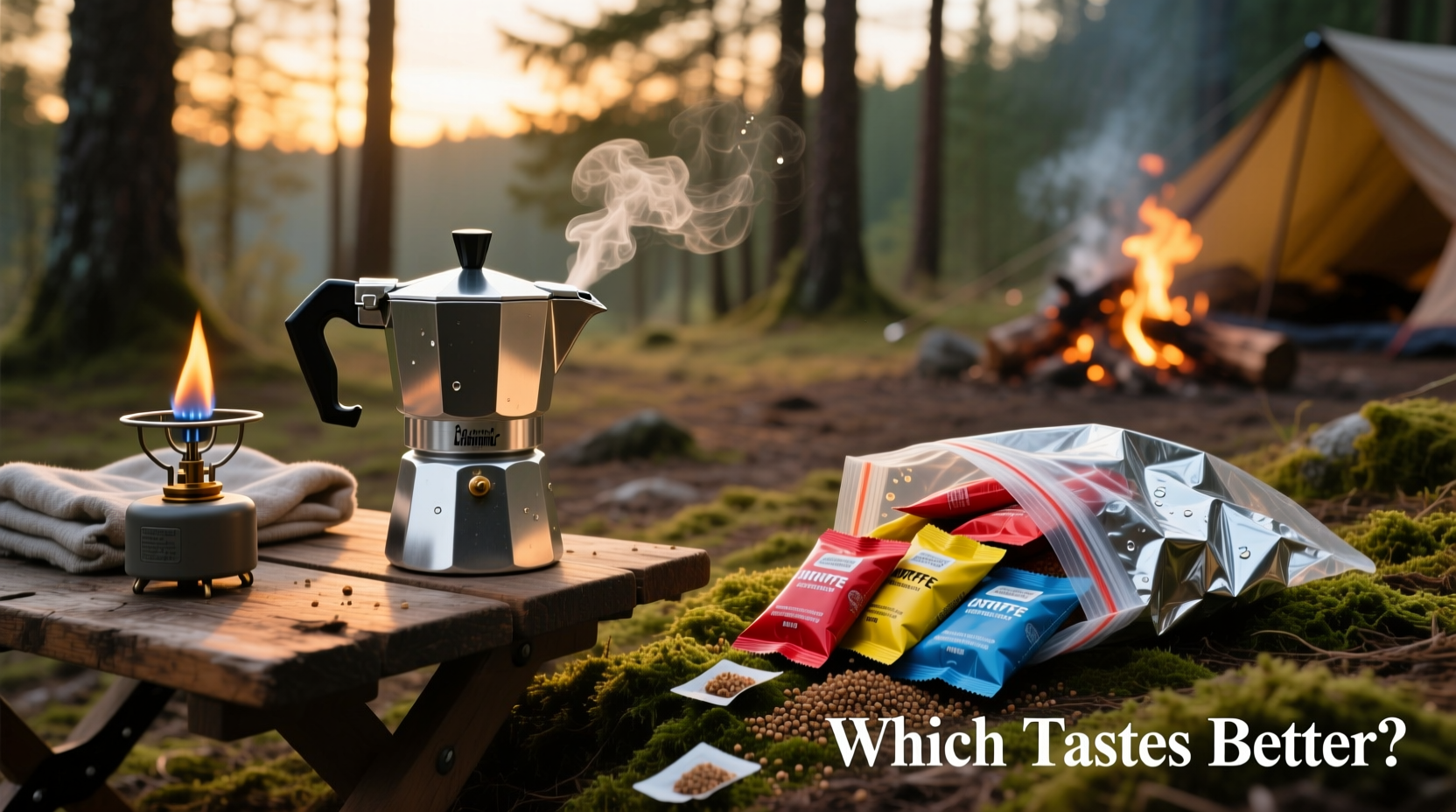
For outdoor enthusiasts, few rituals are as cherished as the morning campfire brew. Whether you're nestled in the mountains or parked at a lakeside site, a good cup of coffee can elevate the entire experience. But when it comes to choosing between a portable espresso maker and instant coffee packets, the decision isn’t just about convenience—it’s about taste, ritual, and what kind of start you want to your day in the wild.
While both options promise caffeine on the go, they deliver vastly different experiences. Instant coffee is fast, lightweight, and requires minimal effort. Portable espresso makers demand more time and gear but offer a richer, more authentic coffee profile. So which truly tastes better in the rugged reality of camping? Let’s break it down with real-world insights, sensory comparisons, and practical trade-offs.
The Taste Factor: What Science and Palates Say
Taste is subjective, but certain chemical and physical factors make some brewing methods inherently superior in delivering complex flavors. Coffee’s flavor profile depends on extraction—how water interacts with ground beans to pull out oils, acids, and aromatic compounds. The method used dramatically influences this process.
Instant coffee is made by brewing regular coffee, then removing the water through freeze-drying or spray-drying. This process degrades volatile aromatics and can leave behind stale or flat notes. Even high-end instant coffees, like those from specialty roasters, struggle to replicate the layered mouthfeel and brightness of freshly brewed coffee.
In contrast, portable espresso makers—such as manual piston-driven devices like the Wacaco Minipresso or compact battery-powered models like the Handpresso—use hot water forced through finely ground coffee under pressure. This mimics true espresso extraction, preserving body, crema, and nuanced flavors like chocolate, citrus, or berry notes depending on the bean.
“Extraction under pressure preserves up to 30% more aromatic compounds than freeze-dried instant. That difference is unmistakable on the palate.” — Dr. Lena Torres, Food Chemist & Coffee Researcher, University of Oregon
This doesn’t mean all instant coffee is bad. Modern advancements have improved solubility and flavor retention. Brands like Swift, Voilà, and Starbucks Via use single-origin beans and gentle drying techniques. Still, these lack the tactile richness and depth that even a modest portable espresso machine can produce.
Convenience and Practicality in the Field
Camping demands efficiency. Space is limited, fuel is precious, and weather can change rapidly. How each option performs under these conditions matters as much as taste.
Instant coffee packets win hands-down in convenience:
- No equipment needed beyond hot water
- Lightweight and compact (a dozen packets weigh less than an ounce)
- Brews in under a minute
- No cleanup required
They’re ideal for ultralight backpackers, solo hikers, or anyone prioritizing speed over ceremony. Just add boiling water, stir, and drink. No moving parts to fail, no maintenance, no risk of clogging.
Portable espresso makers require more investment:
- Need fresh ground coffee (pre-ground works but degrades faster)
- Require pumping or charging (manual vs. electric models)
- Add weight (typically 8–14 oz)
- Necessitate cleaning after use to prevent mold or residue buildup
Yet for many, the extra effort is part of the appeal. The ritual of grinding beans, tamping, and pulling a shot becomes a mindful morning practice. And unlike instant, you control the quality—from bean origin to grind size—allowing customization that matches your taste preferences.
Tip: Pre-load your portable espresso maker’s filter with ground coffee at home. Seal it in a small silicone bag to save time and reduce mess at camp.Side-by-Side Comparison: Key Features
| Feature | Portable Espresso Maker | Instant Coffee Packets |
|---|---|---|
| Taste Quality | Rich, full-bodied, with crema and aromatic complexity | Mild to moderate; often one-dimensional or slightly bitter |
| Prep Time | 3–5 minutes (including heating water) | Under 1 minute |
| Weight & Size | 8–14 oz, roughly mug-sized | Less than 1 oz per 10 servings |
| Fuel/Water Use | Moderate (boil water separately) | Minimal (only enough to dissolve) |
| Cleanup Required | Yes (rinse portafilter, wipe seals) | No |
| Cost Over Time | Higher upfront ($80–$160), lower per cup (~$0.30) | Low upfront, higher per cup (~$1.00–$1.50) |
| Best For | Car camping, base camps, coffee lovers | Backpacking, quick trips, minimalists |
A Real-World Scenario: Backpacking the Sierra High Route
Consider Sarah, an experienced backpacker tackling a 7-day trek through California’s Sierra Nevada. Her pack weighs 28 pounds, every ounce counted. She brought two options: a set of eight premium instant coffee packets and a Wacaco Nanopresso.
On day one, she used the instant coffee. Fast, easy, satisfying—but she described it as “serviceable, not special.” By day four, craving something more robust after steep climbs and cold mornings, she broke out the Nanopresso. She’d pre-ground her favorite light-roast Ethiopian beans and stored them in a vacuum-sealed container.
It took five minutes longer than usual. She boiled water, assembled the device, dosed the grounds, and pumped 15 times. The result? A concentrated shot with floral notes and a silky finish. “It felt like a reward,” she said later. “Not just caffeine, but a moment of luxury in the wilderness.”
She finished the trip using the espresso maker every other morning, reserving instant for days when weather or schedule demanded speed. Her takeaway: instant kept her functional; the portable maker gave her joy.
How to Choose Based on Your Camping Style
Your choice should align with your trip type, group size, and personal values around food and ritual.
Choose Instant Coffee If You:
- Are backpacking long distances with strict weight limits
- Travel solo or prioritize speed over ceremony
- Don’t consider coffee a highlight of the trip
- Want zero cleanup and maximum simplicity
Choose a Portable Espresso Maker If You:
- Car camp or stay at established sites
- Value high-quality food and drink experiences outdoors
- Enjoy the process of making coffee, not just drinking it
- Travel with others and want to share a richer brew
“The best gear isn’t always the lightest—it’s the one that enhances your experience. For many, that means real coffee, not just caffeine.” — Mark Delgado, Outdoor Guide & Founder of Alpine Rituals Co.
Step-by-Step: Brewing Great Coffee with a Portable Espresso Maker While Camping
- Pack the right beans: Choose freshly roasted whole beans. Light to medium roasts often showcase more complexity. Grind just before departure or bring a small hand grinder.
- Boil water: Use a camping stove or fire-safe kettle. Heat 80–100ml to just below boiling (~195–205°F).
- Assemble the device: Insert the filter, add 7–8g of coffee (about 1 tablespoon), and tamp lightly if possible.
- Attach the chamber: Fill the water reservoir, screw onto the filter, and connect to the pump unit.
- Extract the shot: Begin pumping (or press the button on electric models). Aim for a 25–30 second pull. Look for a golden crema on top.
- Serve immediately: Drink straight or add hot water for an americano. Rinse components after use.
Frequently Asked Questions
Can I use regular ground coffee in a portable espresso maker?
Yes, but grind size matters. Use a fine espresso grind for best results. Pre-ground bags labeled “espresso” work, but freshness declines within hours of grinding, so whole beans ground just before packing yield superior flavor.
Is instant coffee unhealthy compared to fresh brew?
No major health differences exist between instant and brewed coffee when consumed black. Both contain similar levels of antioxidants and caffeine. However, some low-cost instant brands may include additives or anti-caking agents. Check labels if you’re sensitive.
Do portable espresso makers work at high altitudes?
Yes, but boiling point drops with elevation, affecting extraction temperature. Above 8,000 feet, water boils below 190°F, which can lead to under-extraction and sourness. Compensate by pre-heating the device with hot water or extending pump time slightly.
Final Verdict: Taste Wins When Conditions Allow
If the sole metric is taste, portable espresso makers consistently outperform instant coffee packets. They deliver a fuller, more aromatic, and sensorially satisfying cup—one that mirrors what you’d get at a specialty café. The presence of crema alone indicates proper emulsification of oils, a hallmark of quality extraction that instant cannot replicate.
However, \"better\" depends on context. In a lightning storm at 10,000 feet, with frozen fingers and a melting snowpack, instant coffee’s simplicity becomes a virtue. It gets the job done without fuss. But on a relaxed weekend car camping trip, or a basecamp expedition where comfort matters, investing in a portable espresso setup pays off in daily moments of pleasure.
The truth is, this isn’t a zero-sum choice. Many seasoned campers carry both: instant for emergencies or fast starts, and a compact espresso device for mornings meant to be savored. With careful planning, you don’t have to sacrifice taste for practicality.
Make Your Mornings Matter
Coffee in the wild shouldn’t be an afterthought. Whether it’s a gritty instant sachet or a hand-pumped espresso with visible crema, your morning brew sets the tone for the day. If you’ve been settling for less out of habit or assumed necessity, consider upgrading—not just your gear, but your entire outdoor ritual.
Start small: try a premium instant brand first. Then experiment with a budget-friendly portable maker. Compare side by side in your backyard. See how your taste buds respond when given the chance.
🚀 Ready to upgrade your camp coffee game? Pick one new tool or technique and test it on your next trip. Share your tasting notes, photos, or favorite beans in the comments—let’s build a community of outdoor coffee lovers who refuse to compromise on flavor.








