The debate between pointed toe flats and ballet flats isn’t just about fashion—it’s a clash of eras, aesthetics, and personal style. Once considered the ultimate in timeless elegance, ballet flats have long been a staple in women’s wardrobes. But in recent years, pointed toe flats have surged in popularity, championed by designers and street-style influencers alike. Are they truly more stylish now? Or is this just another fleeting trend? The answer depends on how you define style—timelessness, modernity, or adaptability.
The Evolution of Flat Shoes: From Classic to Contemporary
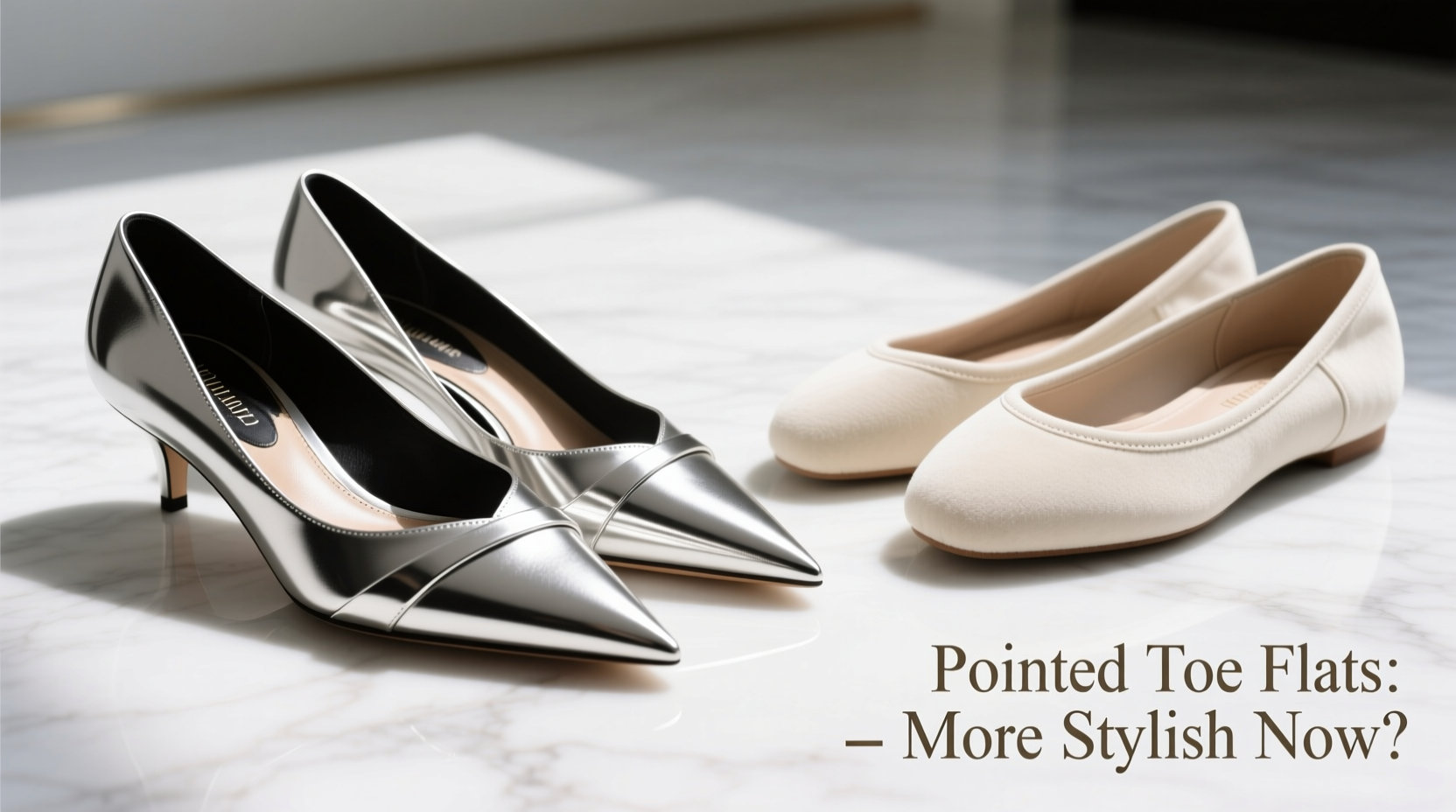
Ballet flats trace their roots back to the 1940s, inspired by dancers’ footwear. Their rounded toe, low heel, and slip-on design made them both practical and feminine. For decades, they were the go-to choice for office wear, casual outings, and even semi-formal events. Brands like Repetto and Bloch helped cement their legacy.
Pointed toe flats, while not new, gained mainstream traction in the early 2010s with the rise of minimalist European fashion. Designers such as The Row, Toteme, and Everlane embraced clean lines and elongated silhouettes. Unlike traditional ballet flats, pointed toe styles visually lengthen the foot, creating a sleeker profile that aligns with contemporary tailoring and modernist aesthetics.
This shift reflects broader changes in fashion. As wardrobes lean toward structured blazers, wide-leg trousers, and architectural silhouettes, footwear has followed suit. The pointed toe complements these shapes, offering continuity from hem to heel.
Styling Differences: When to Wear Each
Ballet flats excel in softness and approachability. They pair effortlessly with skirts, dresses, cropped jeans, and delicate fabrics. Their rounded silhouette evokes nostalgia and romance—ideal for vintage-inspired looks or preppy ensembles.
Pointed toe flats, on the other hand, project sophistication and precision. They work best with tailored pieces: cigarette pants, midi skirts, trench coats, and minimalist dresses. Because they mimic the line of high heels without the discomfort, they’ve become a favorite among professionals seeking polished yet practical footwear.
Tip: Match the toe shape of your flats to your outfit’s overall silhouette—round for soft, flowing styles; pointed for sharp, structured ones.Visual Impact Comparison
| Feature | Ballet Flats | Pointed Toe Flats |
|---|---|---|
| Foot Elongation | Moderate | High |
| Versatility with Pants | Limited (can shorten legs) | Excellent (extends leg line) |
| Dressiness Level | Casual to semi-formal | Semi-formal to formal |
| Comfort Over Time | Generally higher | Varies by brand and fit |
| Trend Longevity | Timeless | Currently dominant, but evolving |
Comfort vs. Style: The Real Trade-Off
One common misconception is that pointed toe flats are inherently less comfortable. While poorly designed versions can pinch or restrict movement, many modern iterations feature padded insoles, flexible soles, and wider toe boxes. Brands like Sam Edelman, Vince, and Rothy’s have bridged the gap between form and function.
Ballet flats, despite their reputation for comfort, often lack arch support and can cause slippage due to their shallow construction. This becomes an issue during extended wear, especially on hard surfaces.
The key isn’t choosing one style over the other based solely on comfort or style—but understanding how each serves different needs.
“Modern pointed flats aren’t about sacrificing comfort for aesthetics. They’re engineered to offer both—clean lines without compromising wearability.” — Lena Torres, Footwear Designer at Clarks
Mini Case Study: Office Wear Transformation
Sophia, a marketing executive in Chicago, relied exclusively on ballet flats for years. She found them easy to slip on and appreciated their understated charm. However, after transitioning to a more minimalist wardrobe dominated by neutral tones and tailored separates, she noticed her shoes looked “too soft” against sharper clothing lines.
She invested in a pair of black leather pointed toe flats from Naturalizer. The change was subtle but significant. Colleagues commented on her “put-together” appearance, and she felt more aligned with her professional image. More importantly, the new flats didn’t sacrifice comfort—thanks to memory foam padding, she wore them all day without fatigue.
This illustrates a growing trend: footwear is no longer just functional. It’s part of a visual language that communicates professionalism, intentionality, and personal branding.
How to Choose Based on Your Lifestyle
Selecting between pointed toe and ballet flats shouldn’t be dictated by trends alone. Consider your daily routine, wardrobe composition, and comfort priorities.
Checklist: Which Flat Suits Your Lifestyle?
- Choose ballet flats if:
- You prioritize all-day comfort
- Your wardrobe leans romantic, bohemian, or preppy
- You walk frequently on uneven terrain
- You prefer softer, broken-in shoe feels
- Choose pointed toe flats if:
- You work in a corporate or creative professional environment
- You wear a lot of tailored trousers or midi-length bottoms
- You value sleek, elongating silhouettes
- You want a transitional shoe from desk to dinner
Are Pointed Toe Flats Actually More Stylish Now?
In 2024, yes—pointed toe flats dominate fashion editorials, influencer closets, and retail best-seller lists. Their alignment with current trends—minimalism, quiet luxury, and elevated basics—makes them feel more “of the moment.”
However, “stylish” doesn’t mean “superior.” Ballet flats remain relevant, particularly in spring and summer collections where softness and femininity are emphasized. Designers like Miu Miu and Ganni continue to reinvent them with bows, cutouts, and playful colors.
The real shift lies in perception. Where ballet flats once symbolized refinement, pointed toes now represent modern elegance. It’s less about which is objectively better and more about which aligns with your current aesthetic goals.
Frequently Asked Questions
Can I wear pointed toe flats with jeans?
Absolutely. Cropped, straight-leg, or wide-leg jeans work best. Avoid ankle-skimming lengths that cut across the shin, as they can disrupt the elongating effect. Tucking jeans into socks or pairing with loafers adds polish.
Do pointed toe flats make short legs look longer?
Yes, when styled correctly. The key is minimizing contrast between shoe and skin tone. Nude or matching-toned flats create a seamless line from calf to toe, enhancing perceived height.
Are ballet flats outdated?
No. While they may not lead trend cycles, they remain a wardrobe essential. Like white tees or trench coats, their simplicity ensures enduring relevance. Updating them with bold colors or textures keeps them fresh.
Final Thoughts: Build a Balanced Flat Collection
Rather than declaring one style the winner, the smarter approach is curation. A well-rounded shoe collection includes both ballet and pointed toe flats, each serving distinct roles.
Start with a neutral pointed flat—black, navy, or beige—for work and formal occasions. Pair it with a classic ballet flat in a fun print or metallic finish for weekends and relaxed settings. This duality allows you to adapt to different contexts without compromising style or comfort.
Fashion evolves, but personal expression is constant. Whether you gravitate toward the nostalgic charm of ballet flats or the streamlined appeal of pointed toes, what matters most is how the shoe makes you feel: confident, capable, and authentically you.
💬 Which flat do you reach for most—ballet or pointed toe? Share your go-to pair and how you style it. Your insight could inspire someone else’s next wardrobe upgrade.








