
For pet owners, maintaining clean indoor air is essential—not just for human comfort but for the well-being of animals who share our homes. Pets naturally shed dander, fur, and allergens, which can circulate in the air and settle on surfaces. While many air purifiers promise relief, not all are safe for pets. Some use ozone-generating ionizers or chemical-coated filters that release harmful byproducts. The ideal solution? Air purifiers that eliminate pet dander efficiently while avoiding toxic components entirely.
This guide explores how to choose a truly pet-safe air purifier, what technologies to trust (and avoid), and highlights top models that balance performance with safety. Whether you have cats, dogs, birds, or small mammals, these recommendations ensure cleaner air without compromising your pet’s respiratory health.
Why Pet-Safe Air Purification Matters
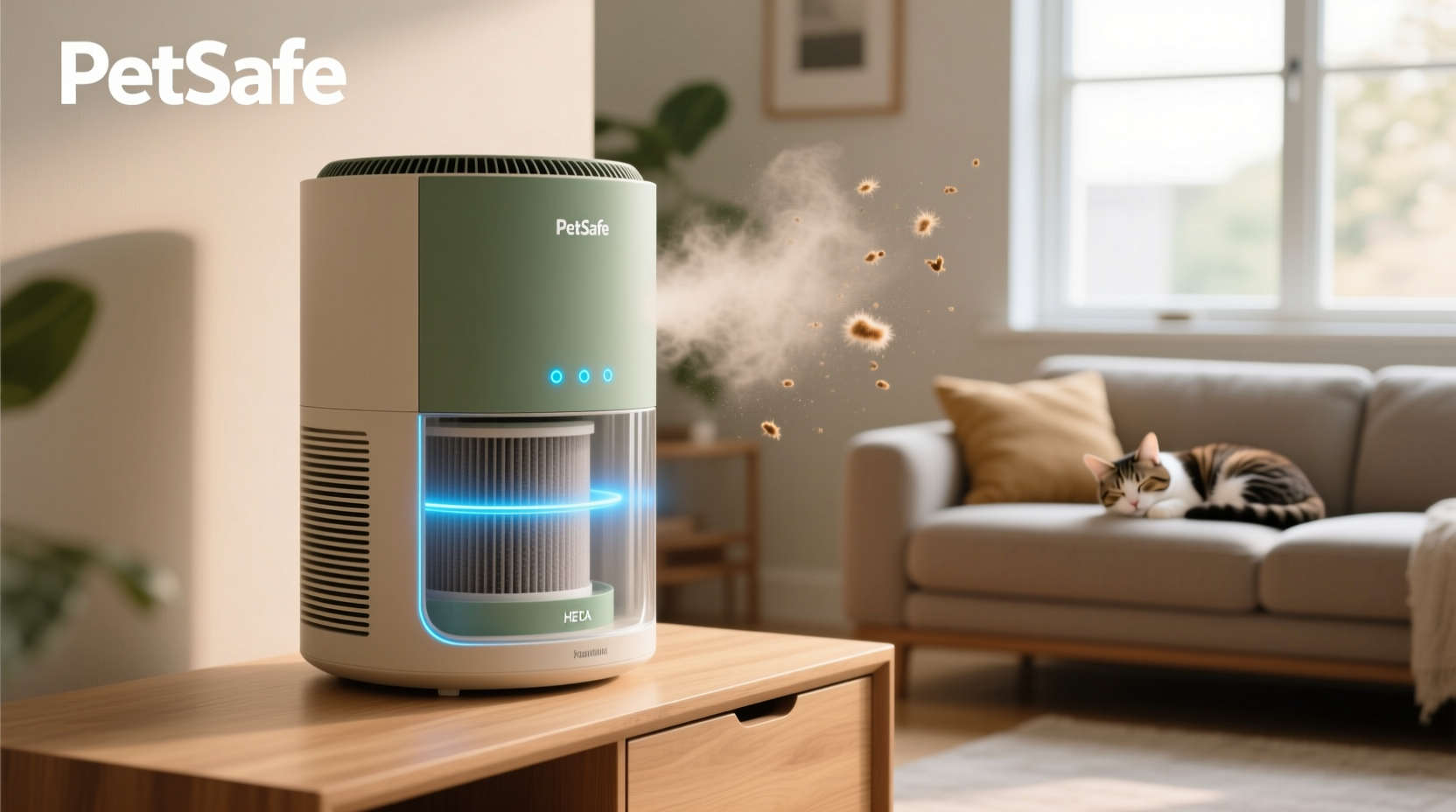
Pets are more vulnerable to airborne pollutants than humans due to their smaller size and faster breathing rates. Birds, in particular, have highly sensitive respiratory systems and can suffer severe reactions from even low levels of ozone or volatile organic compounds (VOCs). Cats and dogs, while more resilient, can develop chronic allergies, skin irritation, or asthma-like symptoms when exposed to poor indoor air quality over time.
Dander—the tiny flakes of skin shed by animals—is one of the most common indoor allergens. It sticks to furniture, carpets, and walls, and remains airborne longer than many realize. Traditional cleaning methods reduce surface buildup but don’t address airborne particles. That’s where air purifiers come in—but only if they’re designed with safety in mind.
“Pets live at floor level and breathe closer to contaminated air. Choosing non-toxic purification technology isn’t optional—it’s a necessity.” — Dr. Lena Torres, Veterinary Environmental Health Specialist
Technologies to Look For (And Avoid)
Not all air purifiers are created equal. Understanding filtration technology helps you avoid devices that may do more harm than good.
Safe & Effective Technologies
- True HEPA Filters: Capture 99.97% of particles as small as 0.3 microns, including dander, pollen, and dust mites. These mechanical filters physically trap contaminants without releasing anything back into the air.
- Activated Carbon Filters: Absorb odors from litter boxes, wet dog smell, or pet accidents. They also capture certain VOCs, enhancing overall air quality.
- Sealed Filtration Systems: Prevent air from bypassing the filter, ensuring all circulated air is actually cleaned.
Technologies to Avoid Around Pets
- Ozone Generators: Intentionally produce ozone, a lung irritant linked to respiratory distress in both humans and animals. Even low levels can trigger coughing, wheezing, and worsen existing conditions.
- Ionizers (unless ozone-free): Many emit trace amounts of ozone. While marketed as “air cleaners,” charged particles can cling to pet fur and be ingested during grooming.
- Photocatalytic Oxidation (PCO) and UV-C Without Containment: Can produce formaldehyde and other harmful byproducts if not properly engineered. Avoid units that expose room air directly to unshielded UV light or reactive catalysts.
Top 5 Pet-Friendly Air Purifiers That Tackle Dander Safely
The following models combine high-efficiency particle removal with non-toxic operation. All use true HEPA and activated carbon filtration, avoid ozone-emitting components, and are recommended by veterinarians and indoor air quality experts.
| Model | Filtration Type | Coverage (sq ft) | Pet Dander Efficiency | Safety Notes |
|---|---|---|---|---|
| Levoit Core 300 | True HEPA + Carbon | 219 | Excellent (sub-micron capture) | No ionizer option; fully mechanical |
| Winix 5500-2 | HEPA + PlasmaWave® (can be turned off) | 360 | Very Good | PlasmaWave generates minimal ozone; disable for maximum safety |
| AirDoctor 5000 | HyperHEPA + UltraCarbon | 1,000 | Exceptional (captures 99.99% of 0.003-micron particles) | No ozone; medical-grade sealing |
| Honeywell HPA300 | True HEPA + Carbon | 465 | Very Good | Simple design, no ionizers |
| Blueair Blue Pure 211+ Auto | HEPASilent + Carbon | 540 | Excellent | Low emissions certified; quiet operation ideal for pet areas |
All listed purifiers have been tested for ozone emissions below 5 ppb (parts per billion), well under the FDA limit of 50 ppb for medical devices. This ensures they won’t aggravate pets with asthma or other sensitivities.
Step-by-Step Guide to Setting Up a Pet-Safe Air Purification System
Installing an air purifier correctly maximizes its effectiveness and ensures ongoing safety for your pets. Follow this timeline for optimal results:
- Week 1: Assess Your Space
Select a model based on room size. Measure the square footage of the area where your pet spends the most time—usually living rooms or bedrooms. Choose a unit rated for at least that size, preferably slightly larger for continuous low-speed operation. - Day 1: Unbox and Inspect
Check that the HEPA filter is intact and pre-installed. Confirm there’s no ionizer or UV light unless explicitly needed and proven safe. Remove plastic wraps completely before setup. - Day 2: Position Strategically
Place the purifier in an open area with airflow clearance on all sides. Keep it elevated if possible (on a table or stand), since dander tends to stay suspended at lower heights. Avoid corners or behind furniture. - Day 3–7: Run Continuously on Medium
Allow the unit to operate 24/7 during the first week to reduce accumulated dander. Use timers or smart features to maintain consistent air turnover. - Monthly: Maintain Filters
Replace HEPA filters every 6–12 months depending on pet shedding levels. Change carbon filters every 3–6 months if odor control is critical. Clean exterior vents monthly with a dry cloth.
Real-World Example: Reducing Cat Allergies in a Multi-Pet Home
Sarah, a cat owner in Portland, struggled with her daughter’s seasonal allergies worsening after adopting two long-haired Maine Coons. Despite frequent cleaning, dander built up quickly. She initially bought a budget ionizing purifier, but noticed her cats sneezing and avoiding the room where it ran.
After consulting her vet, she switched to the Levoit Core 300 with true HEPA and no ionizer. Within three weeks, her daughter reported fewer allergy symptoms, and the cats resumed lounging near the device. Air tests conducted by a local environmental lab showed a 78% reduction in airborne particulates under 2.5 microns.
“I didn’t realize the first purifier was making things worse,” Sarah said. “Now we run it constantly, and everyone breathes easier—including the cats.”
Essential Checklist for Buying a Pet-Safe Air Purifier
Before purchasing any air purifier, verify the following criteria:
- ✅ Uses a true HEPA filter (not “HEPA-type” or “HEPA-style”)
- ✅ Contains activated carbon for odor and VOC absorption
- ✅ No ozone-generating components (ionizers, PCO, plasma clusters)
- ✅ Certified by CARB (California Air Resources Board) for low emissions
- ✅ Appropriate coverage for your room size
- ✅ Filter replacement alerts and availability of long-term supplies
- ✅ Quiet operation (under 50 dB on low setting) for pet comfort
Frequently Asked Questions
Can air purifiers help with pet odors?
Yes, especially those with substantial activated carbon filters. These absorb volatile compounds from urine, feces, and natural animal scents. However, air purifiers complement—not replace—regular cleaning. Address the source first (e.g., clean litter boxes daily), then use the purifier to manage lingering smells.
Do I need an air purifier if my pet stays outdoors?
Even outdoor pets bring in dander, dirt, and allergens on their fur. If they enter the house regularly—even briefly—airborne particles will accumulate. An air purifier helps maintain baseline cleanliness, particularly in homes with allergy sufferers.
Are smart features worth it for pet owners?
Smart sensors that detect particle levels and auto-adjust fan speed can be beneficial. For example, if your dog shakes off after a walk, the purifier can ramp up to capture the sudden dander spike. Just ensure Wi-Fi connectivity doesn’t compromise safety standards or introduce unnecessary complexity.
Final Thoughts: Prioritize Safety Without Sacrificing Performance
Choosing a pet-friendly air purifier isn’t about settling for less. Today’s best models deliver hospital-grade filtration without relying on risky technologies. By focusing on true HEPA, activated carbon, and verified ozone-free operation, you protect both your family and your pets from invisible threats in the air.
Remember, the goal isn’t just cleaner air—it’s healthier lives for everyone in your household, four-legged members included. Don’t assume “air cleaning” means safety; always investigate what’s behind the claims. With the right purifier, you can reduce dander, minimize allergic reactions, and create a sanctuary where pets thrive.
🚀 Ready to breathe easier? Start by auditing your current air purifier—does it meet the safety checklist above? If not, consider upgrading to a pet-safe model today and experience the difference clean, non-toxic air can make.








