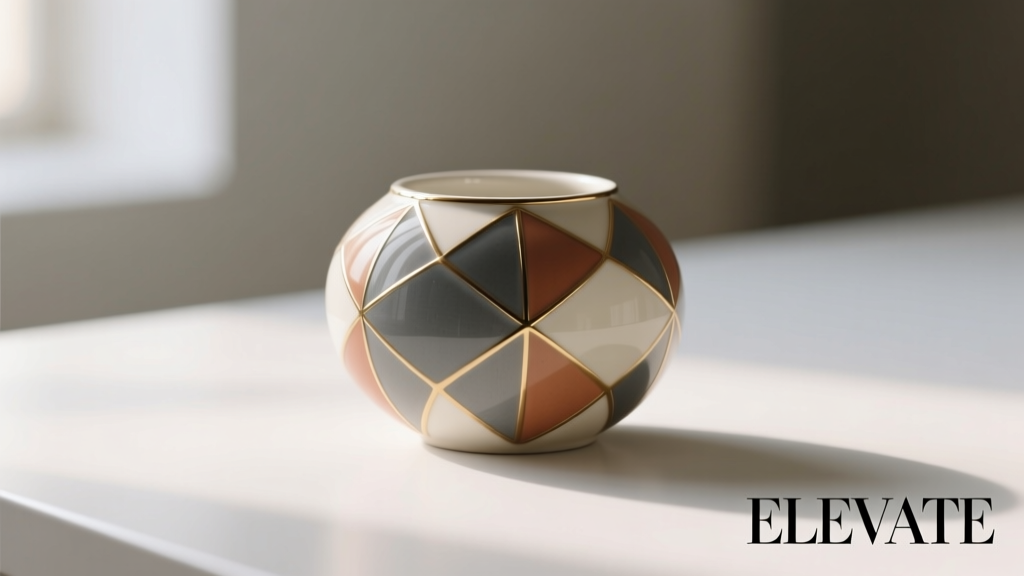
Types of Oceanic Heads
An Oceanic Head is a distinctive bathroom fixture that seamlessly blends functionality with artistic design, serving as both a practical plumbing component and a striking visual centerpiece. Originally crafted from porcelain, modern oceanic heads are now available in a wide range of materials—including stone, wood, cement, and metal—allowing for greater customization to suit diverse architectural styles and interior aesthetics.
Whether you're designing a luxury hotel, renovating a vintage home, or building an eco-conscious retreat, understanding the different types of oceanic heads can help you make informed decisions that align with both style and sustainability. Below is a comprehensive overview of the most popular oceanic head types available today.
Traditional Ocean Head
Featuring a deep, spacious basin and a short, wide faucet positioned over the top, this classic design often includes intricate patterns inspired by coral reefs, seashells, and ocean waves. Typically operated by a pull-down or side-crank sluice mechanism, it evokes timeless elegance.
Advantages
- Timeless, vintage appeal
- Rich decorative detailing
- Strong architectural presence
- Ideal for colonial and classic interiors
Limitations
- Bulky footprint
- Limited modern water efficiency
- Higher maintenance due to ornate design
Best for: Historic homes, heritage renovations, coastal-themed interiors
Vessel Ocean Head
This modern style features a basin that sits above the countertop like a bowl or decorative vessel. The faucet is typically mounted on the wall behind or beside the basin, creating a sleek, minimalist look that emphasizes clean lines and open space.
Advantages
- Striking visual centerpiece
- Available in diverse materials (glass, stone, ceramic)
- Easy to integrate into contemporary designs
- Simple to upgrade or replace
Limitations
- Less counter space due to basin footprint
- Potential for splash-out
- May require taller faucets
Best for: Modern bathrooms, boutique hotels, minimalist interiors
Pedestal Ocean Head
Elevated on a slender column or pedestal, this design lifts the basin off the floor, creating an airy, elegant look. Once a staple in early 20th-century homes, it has made a strong comeback in high-end renovations and Victorian-style spaces.
Advantages
- Classic, refined appearance
- Conceals plumbing for a clean look
- Space-saving in narrow bathrooms
- Popular in luxury vintage designs
Limitations
- Difficult to access plumbing for repairs
- Less storage space
- Fragile structure if made from thin porcelain
Best for: Boutique accommodations, heritage homes, formal powder rooms
Wall-Mounted Ocean Head
Mounted directly to the wall with no countertop or pedestal, this design features a faucet integrated into the wall above the basin. It maximizes floor and counter space, making it ideal for compact or modern bathrooms.
Advantages
- Maximizes space in small bathrooms
- Easy to clean under and around
- Sleek, contemporary aesthetic
- Customizable height for accessibility
Limitations
- Requires sturdy wall structure for installation
- Higher installation complexity
- Wall-mounted plumbing may be exposed
Best for: Small bathrooms, modern apartments, accessible designs
Bridge-Causeway Ocean Head
Distinguished by its dual support structure resembling a bridge, this head features a central faucet anchored between two posts on either side of the basin. Often hand-painted or artistically detailed, it serves as a functional art piece.
Advantages
- Unique, sculptural design
- Highly customizable with artisan finishes
- Excellent for statement bathrooms
- Durable construction with balanced support
Limitations
- Expensive due to craftsmanship
- Bulky and requires ample space
- Limited compatibility with standard vanities
Best for: Luxury homes, five-star hotels, artistic or opulent interiors
Compost Ocean Head
An eco-friendly alternative that uses organic materials like sawdust or dry straw to decompose waste without water. These systems are self-contained and ideal for off-grid or environmentally sensitive locations.
Advantages
- Zero water usage
- Reduces environmental impact
- Ideal for remote or off-grid locations
- Can be used in boats and portable units
Limitations
- Requires regular maintenance and waste disposal
- Not suitable for high-traffic areas
- May have odor concerns if not managed properly
Best for: Eco-lodges, vacation cabins, sustainable homes, marine applications
High-Efficiency Ocean Head
Engineered to use significantly less water per flush—often 1.28 gallons or less—this type combines sleek, modern design with advanced flushing technology to support water conservation without sacrificing performance.
Advantages
- Reduces water consumption and utility costs
- Meets green building standards (e.g., LEED, WaterSense)
- Sleek, minimalist design
- Ideal for commercial and residential sustainability goals
Limitations
- Higher upfront cost
- May require professional installation
- Performance varies by model
Best for: Green buildings, hotels, eco-conscious homeowners, urban apartments
| Type | Style | Water Efficiency | Eco-Friendliness | Best For |
|---|---|---|---|---|
| Traditional | Vintage/Classic | Low | Moderate | Heritage homes, coastal themes |
| Vessel | Modern/Contemporary | Medium | Moderate | Design-forward spaces, hotels |
| Pedestal | Classic/Elegant | Medium | Moderate | Formal bathrooms, vintage decor |
| Wall-Mounted | Minimalist/Sleek | High | High | Small spaces, modern interiors |
| Bridge-Causeway | Artistic/Luxury | Medium | Moderate | Statement bathrooms, opulent designs |
| Compost | Functional/Eco | None (Waterless) | Excellent | Off-grid, eco-lodges, boats |
| High-Efficiency | Modern/Sustainable | Very High | Excellent | Green buildings, water conservation |
Expert Tip: When selecting an oceanic head for a commercial space like a hotel or resort, consider durability, maintenance needs, and water efficiency alongside design. High-traffic areas benefit most from high-efficiency or vessel-style heads that combine style with practicality.
Oceanic Head Design Features: Aesthetic and Functional Considerations
Oceanic heads—often referred to as vessel sinks or artistic basin fixtures—blend functionality with artistic expression, transforming bathrooms into visually striking spaces. These fixtures are crafted with attention to material, shape, color, and integration with surrounding elements. Thoughtful design choices not only enhance visual appeal but also influence usability, durability, and maintenance. Below is a comprehensive overview of key design features to consider when selecting an oceanic head for your bathroom.
Basin Shape: Form Meets Function
Round & Oval Basins
Round and oval basins offer a soft, organic aesthetic that promotes a relaxed and inviting atmosphere. These shapes are ideal for traditional, coastal, or spa-inspired bathrooms. Their curved edges reduce the risk of injury and complement curved vanities or freeform countertops.
Because of their symmetry, round basins work well in both small powder rooms and large master bathrooms, creating a focal point without overwhelming the space.
Rectangular & Angular Basins
Rectangular, square, or geometrically angular basins convey a sleek, modern, and minimalist design language. These shapes are commonly found in contemporary or industrial-style bathrooms and pair well with straight-edged cabinetry and sharp architectural lines.
They often provide more surface area and a structured look, making them practical for double-basin configurations or spaces where a bold design statement is desired.
Material Selection: Balancing Beauty and Durability
Porcelain & Ceramic
Porcelain remains the most popular choice due to its smooth finish, affordability, and timeless appearance. It resists stains and is easy to clean, making it highly practical for everyday use.
However, it is brittle and susceptible to chipping or cracking under impact. Proper installation and careful handling are essential to maintain its integrity over time.
Stone & Concrete
Natural stone (such as marble, granite, or onyx) and cast concrete offer a luxurious, heavyweight presence with unique veining and texture. These materials age gracefully and add a sense of permanence and elegance.
Due to their porosity, they require regular sealing to prevent staining and water absorption. Their weight also demands reinforced cabinetry or countertops for safe installation.
Metal (Stainless Steel, Brushed Nickel, Copper)
Metal basins are non-porous, hygienic, and highly durable. Stainless steel is common in modern and commercial designs for its clean look and resistance to corrosion.
Brushed nickel and copper add warmth and sophistication, though copper develops a natural patina over time—a feature some appreciate for its evolving character. Metal surfaces may show water spots and require frequent wiping to maintain shine.
Wood & Glass
Wooden oceanic heads, typically made from teak or other water-resistant hardwoods, bring a warm, natural element to the bathroom. They must be properly sealed and maintained to prevent warping, swelling, or rot.
Glass basins—available in clear, frosted, or colored varieties—offer a sleek, contemporary look and are often backlit for dramatic effect. While visually stunning, glass is fragile and prone to scratches and smudges, requiring careful cleaning and placement away from high-traffic zones.
Colour and Pattern: Expressing Style and Personality
The color and decorative pattern of an oceanic head can define the mood of a bathroom. Neutral tones like white, gray, and beige provide versatility and timeless appeal, easily blending with any decor.
Bolder options—such as deep blues, emerald greens, or matte black—create dramatic focal points and reflect personal style. Some designs incorporate hand-painted oceanic motifs, such as waves, coral, or marine life, adding an artistic touch perfect for coastal or nautical themes.
Modern trends favor minimalist finishes with subtle textures or matte coatings, while vintage-inspired models may feature intricate floral or geometric patterns reminiscent of classic craftsmanship.
Faucet Compatibility and Integration
One of the most critical design considerations is how the faucet integrates with the oceanic head. Options include:
- Integrated Faucets: Built directly into the basin, offering a seamless, streamlined look. Ideal for compact spaces and modern aesthetics.
- Deck-Mounted Faucets: Installed on the countertop adjacent to the basin. Offers flexibility in faucet style and height, suitable for taller users or filling large containers.
- Wall-Mounted Faucets: Positioned on the wall behind the basin, freeing up counter space and creating a minimalist, floating effect. Requires precise plumbing alignment during installation.
Ensure the faucet’s finish (chrome, oil-rubbed bronze, matte black, etc.) matches or complements other bathroom hardware for a cohesive design. For example, a vintage-style oceanic head pairs beautifully with a cross-handle faucet, while a sleek glass basin looks best with a single-lever, low-profile design.
Installation and Maintenance: Practical Considerations
| Material | Installation Complexity | Maintenance Needs | Lifespan |
|---|---|---|---|
| Porcelain/Ceramic | Low | Easy to clean; avoid abrasive cleaners | 10–15 years |
| Stone/Concrete | High (requires support) | Seal annually; clean with pH-neutral products | 15+ years |
| Metal | Medium | Wipe regularly to prevent water spots | 10–20 years |
| Glass | Medium | Use non-abrasive cloths; avoid impacts | 8–12 years |
| Wood | Medium (requires sealing) | Re-seal every 6–12 months; avoid standing water | 5–10 years (with care) |
Before installation, verify that your existing plumbing layout supports the chosen oceanic head type. Wall-mounted faucets or integrated units may require rerouting pipes or additional structural support, especially for heavier materials. Always consult a licensed plumber to ensure proper water line alignment, drainage, and leak prevention.
Important: Improper installation or neglecting material-specific maintenance can lead to leaks, cracks, or premature deterioration. Always follow manufacturer guidelines for care and installation. Choosing the right oceanic head involves balancing aesthetic desires with practical needs—consider how the fixture will be used daily and whether its upkeep aligns with your lifestyle.
How to Choose Oceanic Heads
Selecting the right oceanic heads in bulk is a strategic decision that impacts customer satisfaction, resale value, and long-term profitability. Whether supplying to luxury developers, mid-tier contractors, or retail outlets, understanding the key selection criteria ensures you offer products that align with market demands and installation realities. This guide breaks down essential considerations to help buyers make informed, value-driven purchasing decisions.
Target Market & Client Profile
Your customer base should directly influence your product selection. High-end residential or hospitality projects demand premium finishes and designer aesthetics, while budget-conscious homeowners prioritize functionality and affordability.
- Luxury clients: Opt for oceanic heads crafted from natural stone, solid brass, or hand-finished ceramics with artisanal detailing
- Mid-market buyers: Focus on high-quality porcelain or engineered composite materials with modern finishes
- Economy segment: Select durable, minimalist designs with cost-effective materials without compromising core functionality
Key insight: Align product tiers with your customers’ lifestyle expectations and spending capacity
Material & Long-Term Durability
The material not only affects appearance but also lifespan, maintenance needs, and resistance to moisture and wear—critical in bathroom environments.
- Porcelain/Ceramic: Time-tested, stain-resistant, and easy to clean; ideal for high-traffic areas
- Brass/Metal Alloys: Offer a luxurious feel, corrosion resistance, and longevity with proper plating
- Glass/Concrete: Provide bold, contemporary aesthetics but require careful handling and specialized installation
- Engineered Composites: Blend durability with design flexibility, often lighter than natural materials
Pro tip: Prioritize materials with protective glazes or coatings to resist limescale and discoloration
Style, Design & Spatial Fit
Design trends significantly influence buyer preferences. Modern spaces favor clean lines, geometric shapes, and integrated aesthetics, while traditional settings may lean toward ornate or classic forms.
- Younger demographics respond well to bold colors, matte black finishes, and floating designs
- Older or conservative buyers often prefer neutral tones, classic silhouettes, and familiar layouts
- Consider standard bathroom dimensions—ensure units fit within typical alcoves (e.g., 30–36 inches wide)
- Wall-mounted models save floor space and create a sleek, contemporary look
Critical factor: Offer a mix of styles to cater to diverse interior design preferences
Functionality & Value-Added Features
Modern oceanic heads go beyond aesthetics—integrated features enhance user experience and set your inventory apart from basic models.
- Water-saving technology: Low-flow designs reduce consumption without sacrificing performance
- Easy-clean surfaces: Non-porous, anti-fingerprint, or hydrophobic coatings minimize maintenance
- Integrated storage: Built-in shelves or recessed niches add utility in compact bathrooms
- Smart compatibility: Some models support sensor taps or digital controls for tech-forward homes
Market edge: Highlight eco-friendly and low-maintenance features as key selling points
Price, Budget & Bulk Value
Balancing cost with quality is essential when ordering in volume. The cheapest option may lead to higher return rates or reputational damage.
- Porcelain and standard ceramic are typically the most cost-effective for bulk orders
- Metal and glass models command higher prices due to material and manufacturing complexity
- Negotiate volume discounts, freight savings, or seasonal promotions with suppliers
- Consider total cost of ownership—premium products may have higher upfront costs but lower failure rates
Smart strategy: Use tiered inventory—offer budget, mid-range, and premium options to maximize market reach
Brand Reputation & Customer Feedback
Trusted brands invest in R&D, quality control, and after-sales support—factors that reduce risk for bulk buyers.
- Research brands with strong dealer networks and reliable warranty programs (e.g., 5–10 years)
- Read professional reviews from contractors, plumbers, and designers
- Check return rates, defect reports, and customer service responsiveness
- Attend trade shows or request product samples to evaluate quality firsthand
Due diligence: A reputable brand often justifies a modest price premium through reliability and support
Installation & Maintenance Ease
Products that are difficult to install or maintain can lead to customer dissatisfaction and increased service costs.
- Wall-mounted units require secure framing but offer a clean, modern appearance
- Floor-standing models are easier to install but take up more space
- Prefabricated units with modular components speed up installation
- Smooth, non-porous surfaces resist mold, mildew, and soap scum buildup
Installer-friendly tip: Choose models with clear instructions, standard plumbing connections, and included mounting hardware
Sustainability & Environmental Impact
Green building standards and eco-conscious consumers are driving demand for sustainable bathroom fixtures.
- Look for water-efficient models certified by WaterSense or similar programs
- Recyclable materials like metal and ceramic reduce environmental footprint
- Low-VOC glazes and finishes contribute to healthier indoor air quality
- Locally manufactured products reduce transportation emissions and support regional economies
Future-proofing: Eco-friendly products are increasingly required in green building certifications like LEED
Professional Recommendation: When sourcing in bulk, consider a mixed portfolio approach—stock a core range of reliable, mid-tier oceanic heads with proven performance, supplemented by select premium and budget models. This allows you to serve diverse customer segments while minimizing inventory risk. Always request product samples and installation guides before placing large orders to verify quality and compatibility.
| Customer Segment | Recommended Material | Key Features | Average Price Range (USD) |
|---|---|---|---|
| Luxury Residential | Natural Stone, Solid Brass | Custom finishes, handcrafted details, smart integration | $800–$2,500+ |
| Mid-Range Homeowners | High-Gloss Porcelain, Engineered Composite | Water-saving, easy-clean, modern design | $300–$700 |
| Budget-Conscious Buyers | Standard Ceramic, Plastic Composite | Durable, functional, space-saving | $150–$300 |
| Commercial/Hotel Use | Stainless Steel, Heavy-Duty Ceramic | High durability, vandal-resistant, low maintenance | $500–$1,200 |
Additional Considerations for Bulk Buyers
- Warranty & Support: Look for brands offering extended warranties and responsive customer service
- Lead Times: Confirm availability and shipping timelines, especially for custom or imported models
- Return Policy: Ensure flexibility for defective or overstock items
- Sample Availability: Always test a physical unit before committing to large orders
- After-Sales Parts: Verify availability of replacement components like bolts, seals, or mounting brackets
Oceanic Head Maintenance and Repair
Proper maintenance of oceanic heads is essential for preserving both functionality and visual appeal. These fixtures, often inspired by marine aesthetics and crafted from diverse materials such as stone, metal, glass, wood, or composite, require tailored care to withstand moisture, salt exposure (especially in coastal environments), and daily use. Understanding the specific needs of each material type ensures longevity, prevents premature deterioration, and maintains the elegance of your bathroom or spa space.
Important Note: "Oceanic head" typically refers to a decorative or themed washbasin, sink, or vessel faucet setup—often featuring aquatic motifs or organic shapes. Always identify the exact material composition before applying any cleaning or repair method, as improper treatment can cause irreversible damage.
Comprehensive Maintenance Guide for Oceanic Heads
- Routine Daily Cleaning
Perform daily surface cleaning to prevent buildup of soap scum, water spots, and dust. Use a soft microfiber cloth or sponge with warm water and a mild, non-abrasive soap. Gently wipe down the entire surface, including sculpted details and crevices.
- Metal heads (e.g., brass, stainless steel): Use a non-abrasive metal cleaner designed for the specific finish (polished, brushed, matte) to preserve luster and prevent tarnishing.
- Glass heads: Opt for a streak-free glass cleaner and avoid ammonia-based products if the glass is tinted or treated.
- Drain and overflow areas: Clean these regularly to prevent clogs and bacterial growth. Remove debris and flush with warm water weekly.
Avoid steel wool, scouring pads, or harsh chemicals like bleach or acid-based cleaners, which can scratch surfaces or degrade finishes.
- Monthly Deep Cleaning
Conduct a thorough deep clean at least once a month to address mineral deposits, hard water stains, and grime accumulation that routine wiping may miss.
- Stone or concrete heads (e.g., marble, travertine, cast stone): Use a pH-neutral stone cleaner to avoid etching or discoloration. Never use vinegar or citric acid, which can damage calcite-based stones.
- Intricate designs or textures: A soft-bristled toothbrush or detailing brush can reach engraved patterns, grooves, or inlaid elements without causing abrasion.
- Rinsing: After applying any cleaning agent, rinse thoroughly with clean water to eliminate chemical residue that could attract dirt or cause long-term damage.
For stubborn stains, consult the manufacturer’s guidelines before attempting spot treatments.
- Preventing Material-Specific Damage
Different materials have unique vulnerabilities. Tailor your care routine accordingly:
- Metal: Avoid abrasive pads and chlorine-based cleaners that can strip protective coatings or induce corrosion. Dry the surface after use to prevent water spotting and oxidation.
- Glass: Handle with care during cleaning to prevent chipping or cracking. Inspect regularly for micro-scratches, which can worsen over time. Clean with non-abrasive tools only.
- Wood or composite: Minimize prolonged exposure to standing water, which can lead to warping, swelling, or mold growth. In humid or coastal climates, apply a manufacturer-recommended wood conditioner or sealant every 3–6 months to maintain moisture resistance and enhance shine.
- All materials: Keep away from direct sunlight or heat sources that may cause fading, cracking, or thermal shock (especially in glass or resin).
- Repairing Minor and Major Damage
Address issues promptly to prevent escalation:
- Minor chips or cracks: Use a repair filler matched to the material:
- Resin or epoxy putty for stone, concrete, or ceramic heads.
- Clear or tinted epoxy for glass or transparent materials.
- Wood filler or composite patch for wooden elements.
- After application, allow the filler to cure completely, then carefully sand the area with fine-grit sandpaper to blend it seamlessly with the surrounding surface. Finish with a matching polish or sealant if needed.
- Major structural damage: Cracks that compromise integrity, deep fractures, or leaks require professional assessment. Attempting DIY fixes on critical components can worsen the issue. Contact a qualified artisan or the manufacturer for repair or replacement options.
- Minor chips or cracks: Use a repair filler matched to the material:
- Maintenance of Plumbing Components
The oceanic head is part of a larger system—faucets, valves, and drains also need regular attention:
- Inspect for leaks around the base, connections, or under the sink cabinet.
- Check faucet aerators monthly for mineral buildup; remove and soak in vinegar (if compatible) or use a descaling solution.
- Tighten loose fittings gently to avoid over-torquing and damaging threads.
- Replace worn washers, cartridges, or seals proactively to prevent drips and maintain water pressure.
- Ensure drain mechanisms operate smoothly and clear any hair or debris regularly.
Proper plumbing maintenance not only extends the life of the oceanic head but also prevents water damage to surrounding cabinetry and flooring.
| Maintenance Task | Recommended Frequency | Material-Specific Tips | Tools & Products |
|---|---|---|---|
| Daily Surface Wipe | Daily | Use non-abrasive cloths; avoid acidic cleaners on stone/metal | Microfiber cloth, mild soap, warm water |
| Deep Cleaning | Monthly | pH-neutral cleaner for stone; non-streak glass cleaner | Soft brush, stone/glass cleaner, rinse bottle |
| Wood Conditioning | Every 3–6 months | Use marine-grade sealant in humid or coastal areas | Wood conditioner, soft applicator pad |
| Plumbing Inspection | Quarterly | Check for corrosion in metal parts; clear clogs early | Flashlight, wrench, descaling solution |
| Minor Repairs | As needed | Match filler to material; sand carefully | Epoxy/resin filler, fine-grit sandpaper, polishing compound |
Expert Tip: Keep a maintenance log noting cleaning dates, repairs, and part replacements. This helps track wear patterns and plan preventive care, especially for high-use or luxury oceanic heads. It also adds value if you decide to sell your property.
Long-Term Care Recommendations
- Always refer to the manufacturer’s care instructions before introducing new products.
- Use coasters or trays under accessories to prevent scratches and water rings.
- Install a water softener if you live in a hard water area to reduce limescale buildup.
- Consider professional detailing once a year for high-end or intricately designed oceanic heads.
- Ensure proper ventilation in the bathroom to reduce humidity and prevent mold or mildew on surrounding surfaces.
Maintaining an oceanic head goes beyond aesthetics—it’s an investment in durability, hygiene, and home value. By following a consistent, material-appropriate care regimen and addressing issues early, you can enjoy the beauty and function of your oceanic fixture for years to come. When in doubt, consult a specialist to avoid costly mistakes.
Frequently Asked Questions About Ocean Heads
Q1: Are there ocean heads with integrated bidet functions?Yes, an increasing number of modern ocean heads now come equipped with integrated bidet or splash functions—particularly in premium and luxury bathroom fixtures. These advanced models often feature dual-flush mechanisms combined with personal cleansing capabilities, offering users enhanced hygiene and comfort.
- Smart Technology: High-end ocean heads may include electronic controls for bidet temperature, water pressure, nozzle position, and even warm air drying.
- Water Efficiency: Many of these units are designed with water-saving technology, using aerated streams or timed sprays to minimize consumption without sacrificing performance.
- Design Integration: The bidet function is seamlessly built into the fixture, eliminating the need for a separate handheld sprayer or add-on attachment.
- Customization: Some models allow personalized settings via remote controls or smartphone apps, making them ideal for households with diverse user preferences.
As consumer demand for spa-like bathroom experiences grows, manufacturers continue to innovate, blending functionality, sustainability, and elegant design in next-generation ocean head systems.
Q2: How does the choice of ocean head material affect its longevity?The material used in constructing an ocean head plays a crucial role in determining its durability, resistance to environmental factors, and overall lifespan. Different materials offer varying levels of strength, maintenance needs, and aesthetic appeal.
| Material | Durability | Maintenance Needs | Lifespan (Approx.) |
|---|---|---|---|
| Porcelain & Ceramic | Moderate – prone to chipping and cracking under impact | Low – easy to clean but sensitive to abrasive cleaners | 15–25 years |
| Glass | Low – fragile and susceptible to thermal shock or physical damage | Moderate – requires gentle cleaning to avoid scratches | 10–15 years |
| Stainless Steel / Metal Alloys | High – excellent resistance to corrosion and impact | Low to Moderate – may show water spots; resists wear | 25–40+ years |
| Concrete & Stone (e.g., composite stone resin) | Very High – extremely durable and scratch-resistant | Moderate – sealing recommended to prevent staining | 30+ years |
For coastal or high-humidity environments, materials like stainless steel, solid stone, or engineered composites are preferred due to their resilience against salt air and moisture. Choosing the right material ensures long-term performance and reduces the need for costly repairs or replacements.
Q3: Are there ocean heads specifically designed for low-pressure plumbing systems?Yes, several ocean head models are specifically engineered to operate efficiently in homes with low water pressure, such as older buildings, rural properties, or off-grid installations. These fixtures incorporate specialized mechanisms to optimize flushing power despite limited water flow.
- Pressure-Assist Technology: Uses air pressure within the tank to amplify flush strength, ensuring effective waste removal even with minimal water supply.
- Optimized Bowl Design: Features smoother contours and strategic trapway angles to reduce resistance and improve siphoning action.
- High-Efficiency Aerators: Integrated into rim jets or flush valves to increase water velocity and coverage during flushing.
- Gravity-Boost Systems: Leverage larger water tanks or enhanced water channels to maximize gravitational force for stronger flushes.
When selecting an ocean head for a low-pressure system, look for models labeled “low-pressure compatible” or those tested to perform well at pressures as low as 20 psi. Always consult manufacturer specifications before installation to ensure compatibility with your plumbing setup.
Q4: How often does the ocean head need to be replaced?With proper care and maintenance, a high-quality ocean head can last anywhere from 20 to 30 years—some premium models even exceed this range. However, actual lifespan depends on several key factors:
- Material Quality: Fixtures made from durable materials like vitreous china, stainless steel, or solid surface composites tend to outlast those made from basic ceramics or plastic blends.
- Usage Frequency: High-traffic bathrooms (e.g., in families or commercial settings) will experience faster wear and may require earlier replacement.
- Maintenance Routine: Regular cleaning, seal inspection, and timely repair of leaks or cracks significantly extend service life.
- Environmental Exposure: Units installed in humid, salty, or temperature-variable environments (like beachfront homes) may degrade faster without protective finishes or coatings.
- Technological Obsolescence: While the unit may still function, older models may lack water efficiency or modern features, prompting upgrade before physical failure.
Signs that it may be time to replace your ocean head include persistent leaks, cracks in the bowl or tank, inefficient flushing, or outdated design that no longer meets hygiene or accessibility standards.
Q5: Are there ocean heads designed for people with disabilities?Yes, many ocean heads are specifically designed to meet the needs of individuals with physical disabilities, mobility challenges, or age-related limitations. These accessible fixtures comply with ADA (Americans with Disabilities Act) guidelines and universal design principles to promote independence and safety.
- Height-Adjusted Design: Elevated bowls (typically 17–19 inches from floor) reduce strain when sitting and standing, facilitating easier transfers from wheelchairs.
- Lever Handles: Replace traditional knobs with easy-to-use levers that require minimal grip strength or dexterity to operate.
- Wider Clearance: Designed with ample space around the unit to accommodate mobility aids like walkers or transfer benches.
- Integrated Support Options: Compatible with grab bars or include built-in support arms for added stability.
- Smart Features: Touchless flushing, automatic lids, and bidet functions enhance usability for users with limited hand function.
These adaptive designs not only benefit individuals with disabilities but also improve comfort and convenience for elderly users and caregivers. When selecting an accessible ocean head, consider professional installation to ensure proper alignment, secure mounting, and compliance with local building codes.









