When it comes to fine jewelry, few pieces command attention like a tennis chain. A timeless symbol of elegance and luxury, the tennis chain has evolved from red-carpet staple to everyday statement. But as more consumers turn to ethical and cost-effective alternatives, the debate between moissanite and lab-grown diamonds intensifies—especially when set into this intricate design. The central question remains: Is the sparkle really that different?
The answer isn’t as simple as brightness alone. While both stones dazzle under light, their optical behavior, chemical composition, and long-term performance vary in ways that can influence your decision. Understanding these nuances helps you choose not just based on price or ethics, but on lasting satisfaction.
Understanding the Basics: What Are Moissanite and Lab Diamonds?
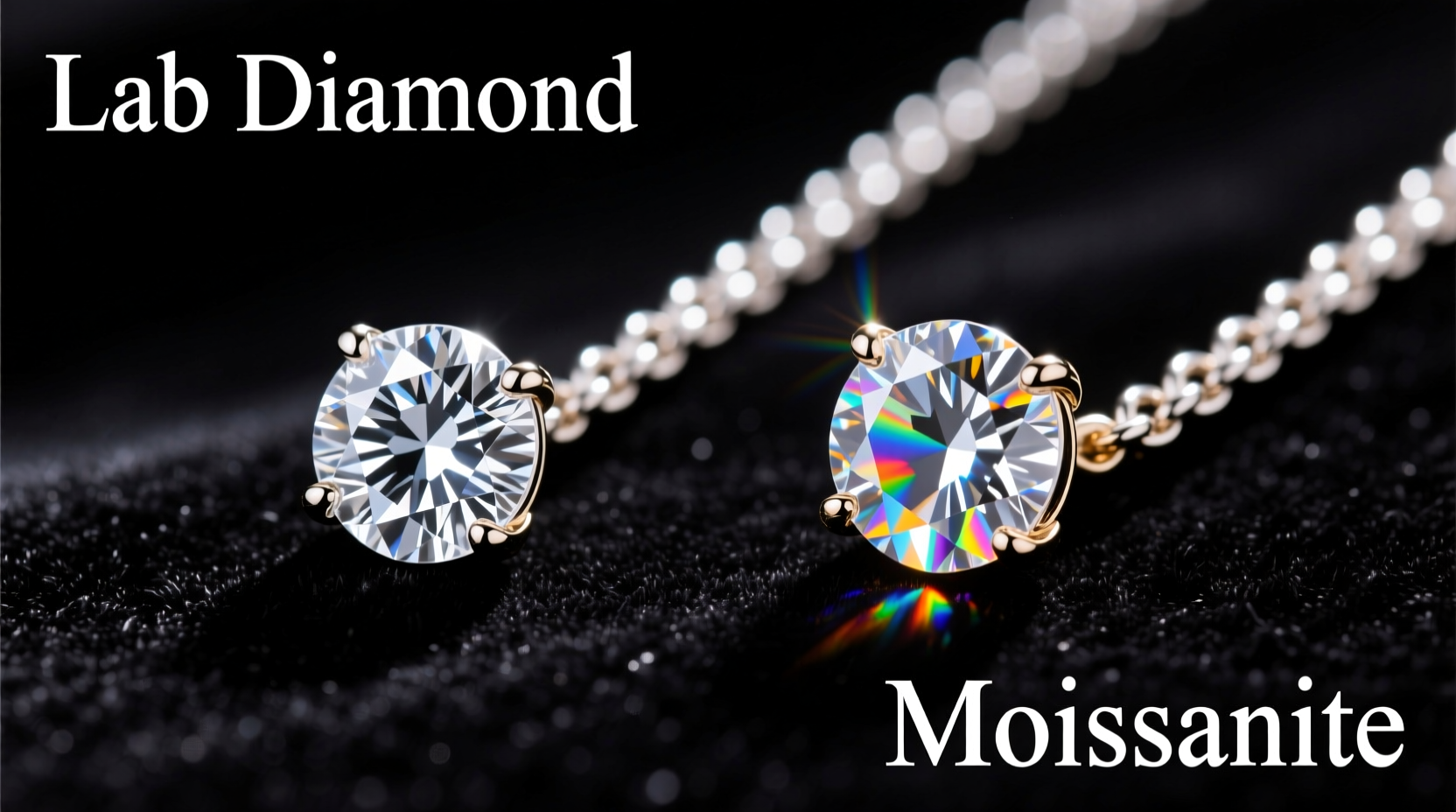
Before comparing sparkle, it’s essential to understand what each stone actually is.
Lab-grown diamonds are real diamonds created in controlled environments using advanced technological processes—either High Pressure High Temperature (HPHT) or Chemical Vapor Deposition (CVD). They have the same physical, chemical, and optical properties as mined diamonds. To the naked eye and even under most gemological instruments, they are indistinguishable from natural diamonds.
Moissanite, on the other hand, is a silicon carbide mineral originally discovered in meteorites. Today, all moissanite used in jewelry is lab-created. Though often mistaken for diamond due to its brilliance, moissanite is a distinct gemstone with unique characteristics. It scores 9.25 on the Mohs hardness scale (diamonds score 10), making it highly durable—but not quite as scratch-resistant.
Tip: When shopping for either option, always request a grading report. Reputable labs like GIA or IGI certify lab diamonds, while Charles & Colvard provides certification for premium moissanite.Sparkle Showdown: Fire, Brilliance, and Scintillation
“Sparkle” is an umbrella term encompassing three key elements: brilliance (white light reflection), fire (colored flashes), and scintillation (the pattern of light and dark areas when the stone moves).
- Brilliance: Lab diamonds typically exhibit higher brilliance due to their optimal refractive index (2.42). Light enters and reflects cleanly, creating sharp white flashes.
- Fire: Moissanite has a higher dispersion rate (0.104 vs. diamond’s 0.044), meaning it throws off more colored light. In certain lighting—especially fluorescent or LED—this can result in a “disco ball” effect some find excessive.
- Scintillation: Diamonds tend to offer more balanced contrast between light and dark facets, giving them a sophisticated, crisp twinkle. Moissanite’s intense fire can sometimes overwhelm this balance, especially in larger stones or continuous settings like tennis chains.
“Moissanite sparkles differently—not worse, but with more color. For some, that’s a pro; for others, it breaks the illusion of a traditional diamond.” — Dr. Lena Torres, Gemologist and Director of Certification at IGI New York
Side-by-Side Comparison: Key Differences at a Glance
| Feature | Lab-Grown Diamond | Moissanite |
|---|---|---|
| Composition | Carbon (C) | Silicon Carbide (SiC) |
| Hardness (Mohs) | 10 | 9.25 |
| Refractive Index | 2.42 | 2.65–2.69 |
| Dispersion (Fire) | 0.044 | 0.104 |
| Durability in Tennis Chain | Excellent – resistant to daily wear | Very Good – may show micro-abrasions over time |
| Average Price (5ct total weight tennis chain) | $3,500–$6,000 | $800–$1,500 |
| Ethical Sourcing Transparency | High – traceable growth methods | High – fully synthetic origin |
Real-World Example: Choosing for a Special Occasion
Consider Mark, who wanted a 14k white gold tennis chain for his partner’s milestone birthday. He had a budget of $2,000 and prioritized both beauty and longevity. After trying on both options at a local jeweler, he noticed the moissanite chain caught every light source dramatically—so much so that indoors, it looked almost too vibrant. The lab diamond version, though less flashy under store lights, had a subtler, more refined shimmer that resembled classic Hollywood elegance.
He chose the lab diamond tennis chain at 4.5 carats, slightly under his ideal size but within budget. “It doesn’t scream for attention,” he said later, “but everyone notices it. And when she turns her wrist, it catches the light like ice.”
This scenario illustrates a common trade-off: moissanite delivers maximum visual impact per dollar, while lab diamonds offer authenticity and understated luxury.
Care and Longevity: Maintaining Your Investment
Tennis chains, regardless of stone type, endure constant movement and contact. Proper care ensures lasting brilliance.
- Clean weekly: Soak in warm water with mild dish soap for 15 minutes, then gently brush with a soft toothbrush.
- Avoid harsh chemicals: Chlorine, perfume, and hairspray can damage metal settings and dull gem surfaces.
- Store separately: Keep your chain in a fabric-lined box to prevent tangling and scratching.
- Inspect prongs regularly: Loose stones in a tennis chain can lead to loss. Have a jeweler check settings every 6–12 months.
Your Buying Checklist: Making the Right Choice
📋 Pre-Purchase Checklist- ✅ Determine your primary goal: maximum sparkle (moissanite) or diamond authenticity (lab-grown)
- ✅ Set a realistic budget—including setting material (gold, platinum, etc.)
- ✅ Decide on carat total weight and chain length (common lengths: 18\", 20\", 22\")
- ✅ Verify certification for both stone and metal purity
- ✅ Try before you buy—or view high-resolution video in multiple lighting conditions
- ✅ Confirm return policy and warranty coverage
Frequently Asked Questions
Can people tell the difference between moissanite and lab diamond in a tennis chain?
Under normal conditions, no—unless they’re trained gemologists with magnification tools. However, in bright indoor lighting, moissanite’s extra fire may stand out as “too colorful” compared to the cooler sparkle of diamonds.
Does moissanite lose its sparkle over time?
No, moissanite does not lose its inherent brilliance. However, surface scratches or grime buildup can dull its appearance temporarily. Regular cleaning maintains its shine.
Is a lab diamond tennis chain a good investment?
If you define “investment” as emotional value and enduring quality, yes. Financially, neither lab diamonds nor moissanite appreciate in value. But both offer exceptional beauty and ethical advantages over mined stones.
Final Thoughts: Sparkle Is Personal
The difference in sparkle between moissanite and lab-grown diamond tennis chains isn’t just scientific—it’s subjective. One person may adore the electric rainbow flashes of moissanite; another may prefer the icy, elegant gleam of a lab diamond. There’s no universal “better”—only what resonates with your taste, lifestyle, and values.
What matters most is confidence in your choice. Whether you prioritize affordability, sustainability, or replicating the traditional diamond experience, both options represent modern advancements in jewelry that were unimaginable just two decades ago.
💬 Have you worn or gifted a moissanite or lab diamond tennis chain? Share your experience below—your insights could help someone make their next big jewelry decision with clarity and confidence.








