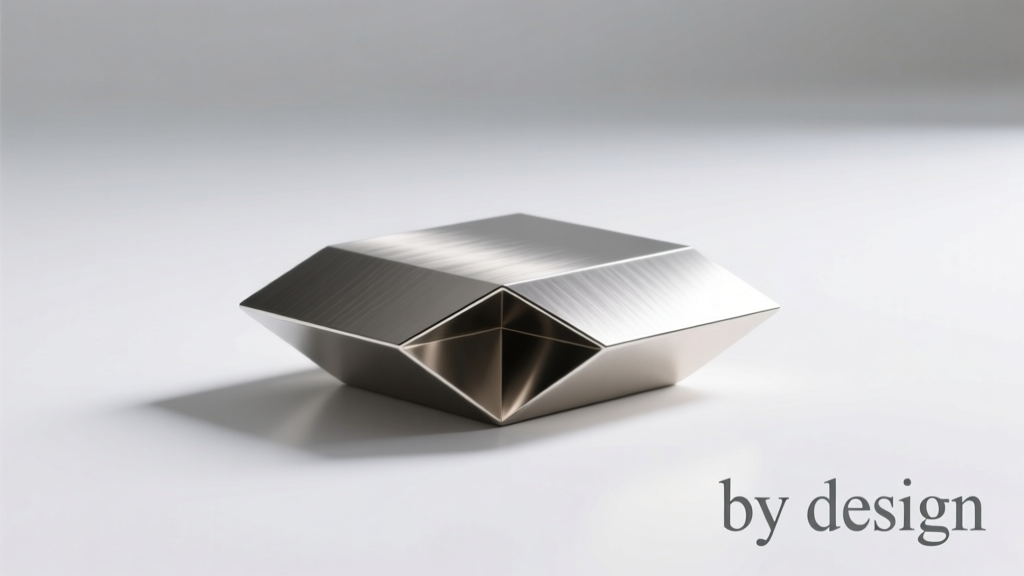
Types of Metal S Brackets
A metal S bracket is a versatile structural support component shaped like the letter "S," commonly used in construction, shelving, piping, and interior design. These brackets provide reliable load-bearing support while maintaining a sleek and compact profile. Their unique shape allows for dual-directional strength, making them ideal for wall-mounted applications.
This guide explores the most common types of S brackets, detailing their features, advantages, and best-use scenarios to help you choose the right one for your project.
Standard S Brackets
Designed with two horizontal arms extending at right angles from a central vertical section, these brackets offer balanced support in both upward and downward directions.
Advantages
- Bidirectional load support
- Simple and effective design
- Easy wall or ceiling mounting
- Cost-effective for general use
Limitations
- Not ideal for extremely heavy loads
- Limited adjustability
- May require additional fasteners for stability
Best for: Light to medium-duty shelving, pipe supports, cabinetry, and general home improvement projects
Reinforced S Brackets
An enhanced version of the standard design, featuring thicker gauge metal, wider base flanges, or added cross-supports to increase load capacity and durability.
Advantages
- Increased structural integrity
- Higher weight tolerance
- Resists bending under stress
- Longer lifespan in demanding environments
Limitations
- Slightly more complex installation
- Heavier and bulkier than standard types
- Higher cost compared to basic models
Best for: Heavy shelves, industrial piping, mechanical installations, and applications requiring extra rigidity
Adjustable S Brackets
Engineered with sliding arms, pivot points, or multiple mounting holes, these brackets allow for customizable angles and extension lengths to accommodate dynamic installation needs.
Advantages
- Flexible positioning and alignment
- Adaptable to uneven surfaces or shifting loads
- Reduces need for custom fabrication
- Ideal for modular or reconfigurable systems
Limitations
- Potential for loosening over time
- May require periodic tightening
- Slightly reduced maximum load capacity due to joints
Best for: Construction sites, manufacturing setups, temporary structures, and DIY projects with evolving requirements
Heavy-Duty S Brackets
Built from high-strength steel or alloy materials with reinforced joints and oversized mounting points, these brackets are designed for extreme load-bearing applications.
Advantages
- Exceptional weight capacity
- Durable in harsh environments
- Resistant to deformation and fatigue
- Often used with safety-critical systems
Limitations
- Higher material and installation cost
- Requires professional-grade fasteners
- Overkill for light residential use
Best for: Factories, warehouses, commercial shelving, machinery mounting, and structural reinforcements
Floating S Brackets
Specifically designed for aesthetic appeal, these brackets are installed inside or behind shelves so no hardware is visible, creating the illusion that the shelf is "floating" on the wall.
Advantages
- Clean, minimalist appearance
- Popular in modern interior design
- Combines function with visual elegance
- Available in various finishes (matte, chrome, brushed steel)
Limitations
- Installation requires precision
- Load capacity may be lower than exposed brackets
- Repairs or adjustments can be more difficult
Best for: Living rooms, bathrooms, retail displays, and contemporary home decor where visual appeal is key
| Type | Load Capacity | Installation Ease | Best Use Case | Durability |
|---|---|---|---|---|
| Standard S Brackets | Medium | Easy | Home shelving, light fixtures | Good |
| Reinforced S Brackets | High | Moderate | Heavy shelves, piping systems | Very Good |
| Adjustable S Brackets | Medium to High | Moderate | Dynamic or changing setups | Good |
| Heavy-Duty S Brackets | Very High | Difficult | Industrial and commercial use | Excellent |
| Floating S Brackets | Low to Medium | Challenging | Interior design, wall decor | Good |
Expert Tip: When installing S brackets—especially floating or heavy-duty types—always use wall anchors or fasten directly into studs for maximum safety and load-bearing efficiency. Overloading brackets beyond their rated capacity can lead to structural failure.
Materials & Durability of Metal S Brackets
Metal S brackets are essential hardware components used across construction, industrial, marine, and residential applications. Their performance, longevity, and suitability depend heavily on the materials used in their construction. Understanding the properties of each material helps ensure the right choice for specific load requirements, environmental conditions, and functional needs.
Common Materials Used in S Brackets
Stainless Steel
Stainless steel is the most widely used material for S brackets due to its excellent balance of strength, corrosion resistance, and aesthetic appeal. Composed primarily of iron, chromium, and nickel, stainless steel resists rust and staining even in humid or chemically aggressive environments.
These brackets maintain structural integrity under moderate loads and are ideal for both indoor and outdoor installations. Common applications include shelving systems, railing supports, plumbing fixtures, and architectural hardware. Their polished finish also provides a sleek, modern appearance, making them popular in visible installations.
Carbon Steel
Carbon steel S brackets offer superior tensile strength and load-bearing capacity compared to stainless steel, making them ideal for heavy-duty industrial and structural applications. While inherently prone to rust, they are typically coated with paint, powder coating, or other protective finishes to enhance durability.
These brackets are commonly found in manufacturing plants, machinery frameworks, and equipment mounting systems where mechanical strength takes precedence over corrosion resistance. Regular maintenance is recommended when used in damp or corrosive environments to prevent degradation over time.
Galvanized Steel
Galvanized steel S brackets are made from carbon steel coated with a layer of zinc through hot-dip or electro-galvanization processes. This zinc coating acts as a sacrificial barrier, significantly improving resistance to moisture, oxidation, and rust.
Due to their enhanced weather resistance and cost-effectiveness, galvanized steel brackets are widely used in outdoor construction, agricultural equipment, fencing, and utility installations. They provide a reliable solution for environments exposed to rain, snow, or high humidity without the premium cost of stainless steel.
Aluminum
Aluminum S brackets offer a lightweight yet durable alternative to steel options. Though not as strong as carbon or stainless steel, aluminum naturally forms a protective oxide layer that prevents corrosion, making it exceptionally suitable for high-moisture and saline environments.
These brackets are frequently used in marine applications—such as boat fittings and dock systems—as well as in transportation, aerospace, and portable equipment where weight reduction is critical. Additionally, aluminum’s non-magnetic and electrically non-conductive properties make it ideal for specialized electronic or safety-sensitive installations.
Plastic Composite
Plastic composite S brackets are engineered from reinforced polymers or fiber-filled resins, offering excellent resistance to rust, chemicals, and electrical conductivity. While not designed for high-load applications, they provide sufficient support for lightweight fixtures and components.
Their primary advantages include corrosion immunity, low thermal conductivity, and ease of installation. Common uses include electrical enclosures, indoor cabinetry, HVAC components, and environments where metal conductivity could pose safety risks. They are also favored for temporary structures or cost-sensitive projects due to their affordability and adaptability.
| Material | Strength | Corrosion Resistance | Typical Applications | Cost Level |
|---|---|---|---|---|
| Stainless Steel | High | Excellent | Indoor/outdoor fixtures, railings, kitchens, bathrooms | $$ |
| Carbon Steel | Very High | Low (unless coated) | Industrial machinery, structural supports | $ |
| Galvanized Steel | High | Very Good | Construction, agriculture, outdoor fencing | $$ |
| Aluminum | Moderate | Excellent | Marine, transport, electronics, lightweight structures | $$$ |
| Plastic Composite | Low | Excellent | Electrical enclosures, cabinetry, low-load supports | $ |
Choosing the Right Material: Key Considerations
Important: Always match the S bracket material to the operational environment and mechanical demands. Using an undersized or inappropriate material can lead to premature failure, safety hazards, or increased maintenance costs. When in doubt, consult engineering specifications or manufacturer guidelines to ensure optimal performance and compliance with safety standards.
Commercial Value of Metal S Brackets
Metal S brackets are more than just simple fasteners—they are essential structural components that deliver significant commercial value across multiple industries. Their unique S-shaped design provides superior load distribution, flexibility in mounting, and high tensile strength, making them ideal for applications requiring durability and reliability. As industrial demands grow for efficient, cost-effective, and robust support solutions, the demand for S brackets continues to rise, fueling innovation and expansion in the metal fabrication and hardware supply sectors.
Building & Construction Industry
In the construction sector, metal S brackets are critical for reinforcing structural frameworks, securing beams, and supporting suspended elements such as floating shelves, wall-mounted cabinets, and modular flooring systems. Their ability to distribute weight evenly enhances load-bearing capacity and prevents structural deformation over time.
- Commonly used in residential and commercial buildings to anchor drywall, trusses, and shelving units
- Enable modular and flexible design options without compromising safety or stability
- Galvanized or powder-coated variants resist corrosion in humid or outdoor environments
- Compliance with building codes and safety standards increases their adoption in certified construction projects
Key insight: The use of S brackets reduces reliance on complex welding or permanent fixtures, streamlining construction timelines and lowering labor costs.
Manufacturing Industry
S brackets play a vital role in industrial manufacturing by providing secure mounting solutions for heavy machinery, conveyor systems, robotic arms, and production line equipment. These environments subject components to constant vibration, thermal cycling, and mechanical stress, making the durability of S brackets indispensable.
- Engineered from high-strength steel or stainless alloys to withstand continuous operational loads
- Facilitate easy reconfiguration of production layouts due to their adjustable and reusable nature
- Reduce equipment downtime by minimizing movement and misalignment during operation
- Contribute to workplace safety by preventing accidental dislodging of critical components
Pro tip: Pairing S brackets with vibration-dampening washers or rubber grommets further enhances equipment stability and longevity.
Logistics and Transport Industry
In logistics, securing cargo during transit is paramount to prevent damage, ensure compliance with transportation regulations, and protect driver safety. Metal S brackets are widely used to anchor loads in trucks, trailers, shipping containers, and railcars, especially for irregularly shaped or heavy items.
- Ideal for securing pallets, machinery, and construction materials during long-haul transport
- Used in combination with straps and tie-downs to create a secure lashing system
- Resistant to shock and impact, ensuring cargo remains stable even on rough terrain
- Reusable design offers cost savings over disposable securing methods
Critical advantage: S brackets help companies meet OSHA and DOT load securement standards, reducing liability and insurance risks.
Agriculture Industry
Agricultural operations rely on durable, low-maintenance hardware to support infrastructure and equipment in harsh outdoor conditions. S brackets are extensively used in barns, silos, fencing, irrigation systems, and farm machinery due to their resilience against weather, moisture, and mechanical stress.
- Support heavy agricultural equipment such as plows, seeders, and sprayers on trailers or storage racks
- Used in constructing animal housing and storage sheds with modular, easy-to-assemble designs
- Corrosion-resistant finishes extend service life in environments exposed to manure, fertilizers, and rain
- Cost-effective alternative to custom-fabricated supports, reducing maintenance and replacement frequency
Smart benefit: Farmers benefit from reduced downtime and repair costs, improving overall operational efficiency.
Strategic Insight: The versatility and reliability of metal S brackets make them a high-value component across industries. Businesses involved in supply, distribution, or fabrication can capitalize on this demand by offering specialized variants—such as weatherproof, heavy-duty, or custom-sized brackets—to meet niche market needs and differentiate their product lines.
| Industry | Primary Use Case | Material Preference | Commercial Impact |
|---|---|---|---|
| Building & Construction | Structural reinforcement and shelving support | Galvanized steel, carbon steel | Reduces construction time and increases safety compliance |
| Manufacturing | Machinery and equipment mounting | Stainless steel, alloy steel | Improves operational efficiency and worker safety |
| Logistics & Transport | Cargo and load securement | High-tensile steel with anti-slip coating | Ensures regulatory compliance and reduces freight damage |
| Agriculture | Equipment support and structural framing | Corrosion-resistant coated steel | Lowers maintenance costs and extends equipment life |
Additional Commercial Advantages
- Scalability: S brackets can be mass-produced efficiently, making them ideal for large-scale industrial and construction projects.
- Customization: Manufacturers can modify size, thickness, and finish to meet specific client requirements, opening opportunities in specialized markets.
- Sustainability: Made from recyclable metals and designed for long-term use, they align with green building and circular economy initiatives.
- Global Demand: Used worldwide in both developed and emerging markets, supporting export potential for metalworking businesses.
- Aftermarket Sales: High replacement and repair demand ensures steady revenue beyond initial installations.
How To Choose Metal S Brackets: A Comprehensive Buyer’s Guide
Selecting the right metal S brackets is essential for ensuring structural integrity, safety, and aesthetic appeal in a wide range of applications—from shelving and cabinetry to industrial fixtures and display installations. Whether you're a retailer, contractor, or DIY enthusiast, understanding the key selection criteria will help you make informed decisions that meet your customers' or project needs. This guide breaks down the most important factors to consider when choosing metal S brackets, including load capacity, material type, sizing, design, and ease of installation.
Safety Note: Always match the bracket’s weight rating to the intended load. Overloading brackets can lead to structural failure, property damage, or personal injury. When in doubt, choose a bracket with a higher load capacity than required.
Key Factors in Selecting Metal S Brackets
- Weight Capacity and Load Requirements
The primary function of an S bracket is to provide secure support, making load capacity the most critical factor in selection. These brackets are commonly used to support shelves, signage, equipment mounts, and storage units, so it’s vital to assess the total weight of both the item and its contents.
For light-duty applications—such as picture frames or small shelves—standard S brackets with a capacity of 25–50 lbs may suffice. However, for heavy-duty applications like industrial shelving, machinery mounts, or kitchen cabinetry, opt for reinforced or heavy-duty S brackets rated for 100 lbs or more. Always include a safety margin by selecting brackets that can handle at least 20–30% more than the expected load.
Tip: Look for brackets with stamped load ratings or certification labels from recognized testing organizations to ensure reliability and compliance with safety standards.
- Material Type and Environmental Resistance
S brackets are typically manufactured from three main types of metal, each suited to different environments and performance demands:
- Stainless Steel: Offers excellent corrosion resistance and durability, making it ideal for humid, outdoor, or marine environments. It’s also resistant to rust and staining, which makes it a top choice for kitchens, bathrooms, and commercial installations.
- Galvanized Steel: Coated with a protective zinc layer, galvanized S brackets resist rust and are well-suited for damp or outdoor settings. They are more affordable than stainless steel but may show wear over time in highly corrosive conditions.
- Carbon Steel: Known for its high strength and load-bearing capacity, carbon steel is best for industrial or high-stress applications. However, it is prone to rust if not properly coated or painted, so it should be used in dry, indoor environments unless treated.
When advising customers, consider the installation environment. For example, stainless steel brackets are recommended for coastal areas or facilities with frequent cleaning, while galvanized options offer a cost-effective balance for garages or utility rooms.
- Bracket Size, Dimensions, and Design Aesthetics
The physical dimensions of the S bracket must align with the size of the item being supported and the available mounting space. Common S bracket sizes range from 2" to 12" in height, with varying arm lengths and thicknesses. Measure the shelf depth and wall clearance to ensure the bracket provides adequate support without overhang or interference.
Additionally, consider the visual impact of the bracket. While traditional S brackets have a functional, industrial appearance, modern designs—such as floating or concealed S brackets—offer a sleek, minimalist look that enhances the visual appeal of shelves and displays. These are especially popular in retail, hospitality, and residential interiors where aesthetics matter.
Pro Tip: Offer a variety of finishes (brushed, polished, powder-coated) to match different décor styles and customer preferences.
- Installation Ease and Hardware Compatibility
Many customers prioritize convenience and time-saving features. S brackets with pre-drilled mounting holes, adjustable arms, or integrated leveling mechanisms can significantly simplify installation. Look for models that include mounting templates or alignment guides to reduce guesswork.
Adjustable S brackets are particularly valuable for uneven walls or custom installations, allowing minor positioning changes without requiring additional tools. Additionally, brackets that come with all necessary hardware—such as screws, wall anchors, and washers—provide a complete solution that enhances customer satisfaction.
To support DIY users, consider bundling brackets with clear, illustrated installation instructions or QR codes linking to tutorial videos. This added value can differentiate your product offerings and reduce return rates due to installation errors.
| Factor | Best For | Avoid In | Recommended Options |
|---|---|---|---|
| Weight Capacity | Heavy shelves, industrial equipment | Overloaded or undersized brackets | Reinforced carbon steel or thick-gauge stainless steel |
| Material | Damp, outdoor, or corrosive environments | Untreated carbon steel in wet areas | Stainless or galvanized steel |
| Size & Design | Custom fits, modern interiors | Mismatched dimensions or poor clearance | Precision-measured brackets with sleek finishes |
| Installation Features | DIY projects, quick setups | Brackets requiring extra tools or modifications | Pre-drilled, adjustable, hardware-included models |
Expert Tip: When in doubt, recommend a higher-grade bracket. It’s more cost-effective in the long run to slightly over-engineer a support solution than to face returns, complaints, or safety issues from underperforming hardware.
Additional Selection Tips for Retailers and Contractors
- Stock a range of S brackets to serve diverse customer needs—from light-duty decorative options to industrial-strength models.
- Educate customers on proper wall anchoring techniques, especially when mounting into drywall or masonry.
- Display sample installations to help customers visualize bracket applications and finishes.
- Partner with suppliers who provide technical data sheets, load charts, and warranty information for added credibility.
- Regularly update inventory based on seasonal demand (e.g., shelving brackets during home organization season).
Choosing the right metal S brackets goes beyond basic functionality—it involves matching performance, durability, and design to the specific needs of the application and end-user. By focusing on weight capacity, material suitability, proper sizing, and user-friendly features, you can ensure safe, reliable, and aesthetically pleasing installations every time. Whether you're supplying hardware to professionals or home users, informed selection leads to satisfied customers and long-term trust in your product offerings.
Frequently Asked Questions About Metal S Brackets
Q1: What are the common applications of metal S brackets?Metal S brackets are highly versatile support components used across a wide range of industries due to their unique shape and strength. Their distinctive "S" curve allows them to connect and stabilize two surfaces efficiently, making them ideal for both structural and functional purposes.
- Construction & Carpentry: Used to support wooden or metal beams, reinforce wall frames, and secure joists in flooring or roofing systems. They are commonly found in residential, commercial, and industrial building projects.
- Shelving & Storage: Provide robust support for wall-mounted shelves in garages, warehouses, retail stores, and homes. Their load-bearing design ensures shelves remain stable under heavy items.
- Piping & Plumbing: Secure pipes to walls or ceilings in HVAC, plumbing, and industrial fluid transport systems, preventing sagging and reducing vibration.
- Logistics & Transportation: Employed to fasten cargo and equipment during shipping, helping to prevent shifting and damage during transit.
- DIY & Home Improvement: Popular in furniture assembly, deck building, and mounting fixtures due to their ease of installation and reliability.
Thanks to their adaptability, metal S brackets serve as essential hardware in sectors ranging from manufacturing and infrastructure to interior design and automotive.
Q2: What factors influence the choice of metal S brackets to stock?Selecting the right S brackets for inventory requires careful consideration of several key factors to meet diverse customer needs and ensure optimal performance in various applications:
- Material Type: Determines corrosion resistance, weight capacity, and suitability for indoor or outdoor use. Common options include stainless steel, carbon steel, galvanized steel, and aluminum.
- Size & Dimensions: Bracket length, thickness, and curvature affect load capacity and compatibility with different mounting surfaces. Offering a range of sizes caters to both light-duty and heavy-duty applications.
- Load-Bearing Capacity: Must align with the intended use—light shelving vs. structural support. Always check manufacturer specifications for maximum weight limits.
- Design & Hole Configuration: The number and placement of pre-drilled holes impact ease of installation and mounting flexibility. Reinforced edges or gussets can enhance strength.
- Installation Ease: Brackets that require minimal tools and offer straightforward alignment are preferred by DIY users and professionals alike.
- Environmental Resistance: For outdoor or high-moisture environments, corrosion-resistant finishes like galvanization or powder coating are essential.
By analyzing your target market—whether contractors, manufacturers, or home users—you can curate a selection that balances durability, versatility, and value.
Q3: Do metal S brackets come in different materials?Yes, metal S brackets are manufactured from a variety of materials, each offering distinct advantages depending on the application requirements:
| Material | Key Properties | Best For |
|---|---|---|
| Stainless Steel | High corrosion resistance, excellent strength, low maintenance, and aesthetic appeal. | Outdoor installations, marine environments, food processing, and architectural applications. |
| Carbon Steel | Exceptional tensile strength and affordability, but prone to rust without coating. | Heavy-duty structural support, industrial machinery, and indoor applications with controlled environments. |
| Galvanized Steel | Carbon steel coated with zinc for enhanced rust resistance and durability. | Outdoor construction, fencing, agricultural equipment, and utility installations. |
| Aluminum | Lightweight, naturally corrosion-resistant, and easy to handle, though less rigid than steel. | Aerospace, automotive, lightweight shelving, and applications where weight is a concern. |
Choosing the appropriate material ensures long-term reliability and performance, especially when exposed to moisture, temperature fluctuations, or heavy loads.
Q4: Are metal S brackets durable?Yes, metal S brackets are engineered for durability and long-term performance, making them ideal for demanding applications. Their resilience stems from several design and manufacturing features:
- High-Strength Materials: Constructed from robust metals like steel or aluminum, which provide excellent resistance to deformation under load.
- Reinforced Design: Many S brackets feature thick gauge metal, curved reinforcements, or added flanges to increase rigidity and prevent bending.
- Corrosion Protection: Coatings such as zinc plating (galvanization), powder coating, or passivation (in stainless steel) protect against rust and environmental degradation.
- Resistance to Wear: Even under constant vibration or dynamic loads—such as in transportation or machinery—quality S brackets maintain structural integrity.
- Long Service Life: When properly selected and maintained, metal S brackets can last for years, even in harsh conditions.
Due to their durability, these brackets are frequently used in critical support roles where failure is not an option, such as in building frameworks, industrial equipment, and safety-critical assemblies.
Q5: What kind of maintenance do S brackets require?Metal S brackets are low-maintenance components, but regular care can significantly extend their lifespan and ensure continued performance:
- Regular Inspections: Periodically check for signs of wear, deformation, loose fasteners, or early corrosion—especially in outdoor or high-humidity environments.
- Cleaning: Wipe down with a damp cloth or use mild detergent and water to remove dirt, grease, or salt buildup. Avoid abrasive cleaners that could damage protective coatings.
- Rust Prevention: In corrosive environments (e.g., coastal areas or industrial zones), apply a protective layer such as rust-inhibiting grease, oil, or touch-up paint to vulnerable spots.
- Tightening Fasteners: Over time, vibrations may loosen bolts or screws. Re-tighten them as needed to maintain secure connections.
- Replacement of Damaged Units: If a bracket shows cracks, severe bending, or extensive rust, replace it immediately to avoid structural compromise.
With minimal upkeep, metal S brackets remain reliable and effective, offering a cost-efficient solution for both temporary and permanent installations.









