
After a tough workout, your gear carries more than just your water bottle and towel—it holds sweat, bacteria, and moisture that can linger if not properly managed. One of the most overlooked aspects of gym hygiene is the bag you use to carry your clothes. While both mesh gym bags and traditional duffel bags are popular choices, they differ significantly in how well they handle damp, sweaty clothing. The right choice can mean the difference between fresh-smelling gear and a musty mess by midweek.
This isn’t just about convenience; it’s about health, longevity of your clothing, and even the lifespan of the bag itself. In this detailed analysis, we’ll compare mesh gym bags and duffel bags across key performance areas—ventilation, odor control, drying speed, durability, and ease of cleaning—to help you make an informed decision based on your lifestyle and fitness routine.
Breathability: Why Airflow Matters for Wet Gear
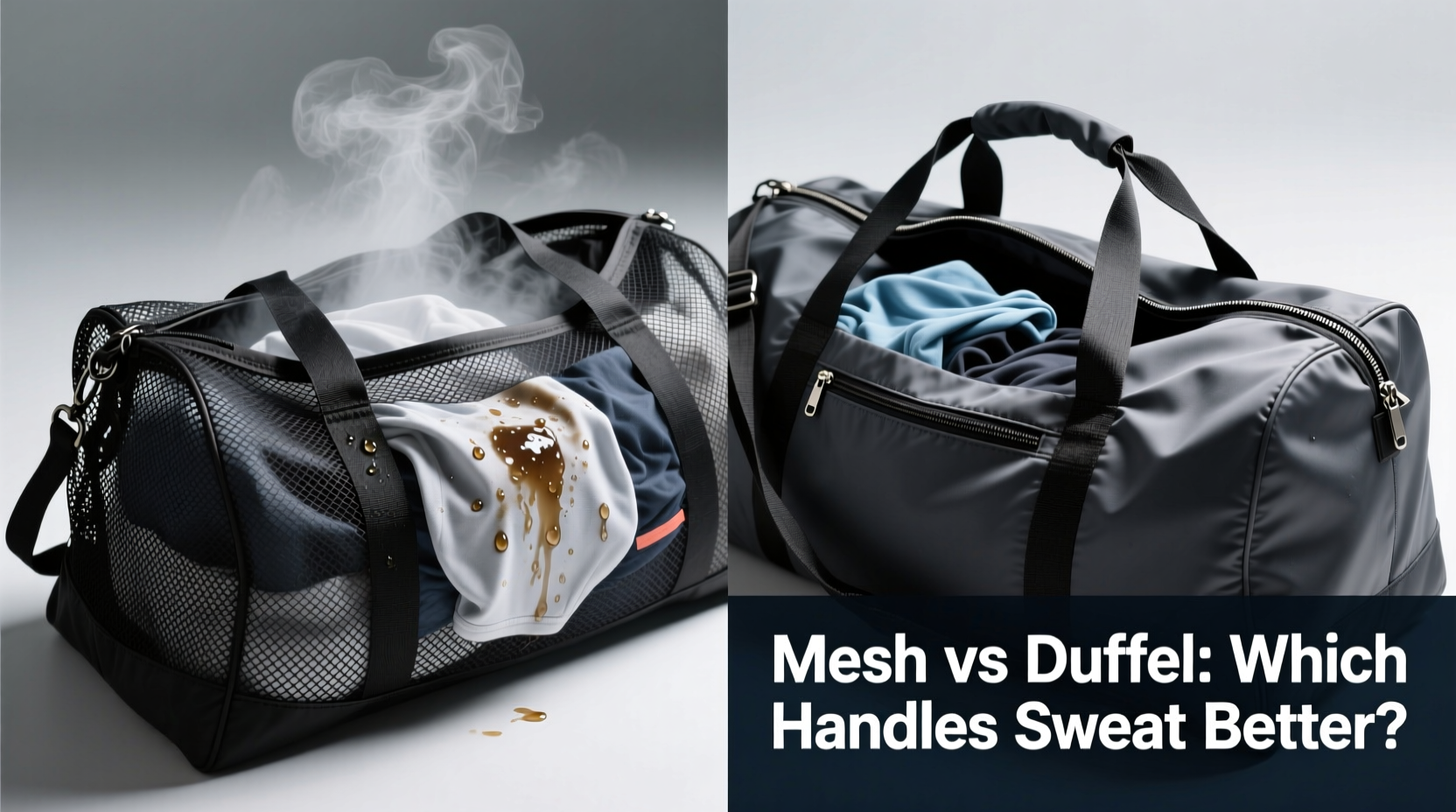
The core issue with sweaty clothes in a gym bag is trapped moisture. When damp fabric sits in a sealed environment, it creates a breeding ground for bacteria and mold. This leads to persistent odors and can degrade textiles over time. Breathability—the ability of air to circulate through the material—is therefore critical.
Mesh gym bags are constructed primarily from perforated or netted fabric, often nylon or polyester mesh, designed specifically to allow airflow. This open-weave structure promotes ventilation, helping moisture evaporate quickly after a workout. Even when packed tightly, air can move between compartments and around garments, reducing humidity inside the bag.
Duffel bags, on the other hand, are typically made from solid materials like canvas, vinyl, or thick polyester. These fabrics are excellent for durability and water resistance but offer little to no breathability. Once zipped shut, a duffel becomes a closed chamber where sweat-soaked clothes remain damp for hours—or even days—especially if stored in a warm car or closet.
Tip: If you must use a duffel, leave it unzipped and upright in a ventilated area immediately after use to encourage drying.Odor Control: How Material Choice Affects Smell Buildup
Odor doesn’t come from sweat itself—it comes from bacteria breaking down organic compounds in sweat. These microbes thrive in warm, moist environments. Therefore, any bag that traps moisture also accelerates odor development.
Mesh bags inherently reduce bacterial growth by allowing air movement. Many modern mesh designs also incorporate antimicrobial coatings or linings that further inhibit microbial colonization. Because wet clothes dry faster in mesh, there’s less time for bacteria to multiply.
Duffel bags, particularly those with insulated or lined interiors (common in sports models), trap heat and moisture. Even if the outer shell is wipeable, the inner lining absorbs sweat and retains it. Unless cleaned regularly, these linings become reservoirs for odor-causing bacteria. Over time, the smell becomes embedded and difficult to remove—even with washing.
“Moisture management is the single biggest factor in preventing gym bag odor. Mesh outperforms solid fabrics every time.” — Dr. Lena Patel, Microbiologist & Sports Hygiene Researcher
Comparison Table: Key Features at a Glance
| Feature | Mesh Gym Bag | Duffel Bag |
|---|---|---|
| Ventilation | Excellent – open weave allows constant airflow | Poor – sealed construction limits air circulation |
| Drying Speed | Fast – clothes dry within 2–4 hours in open air | Slow – may take 12+ hours due to trapped moisture |
| Odor Resistance | High – reduced bacterial growth due to airflow | Low – prone to lingering smells without frequent cleaning |
| Water Resistance | Low – mesh allows liquids to pass through | High – solid materials resist spills and rain |
| Durability | Moderate – mesh can snag or tear under stress | High – rugged fabrics withstand heavy loads and abrasion |
| Cleaning Ease | Easy – machine washable or quick wipe-down | Variable – some linings require spot-cleaning only |
| Best For | Short-term storage, frequent gym-goers, hot climates | Travel, cold weather, carrying electronics or dry gear |
Real-World Scenario: Two Users, Two Outcomes
Consider two people: Alex uses a mesh gym bag, while Jordan prefers a heavy-duty duffel. Both go to the gym five times a week and toss their sweaty clothes directly into their bags post-workout.
Alex leaves the mesh bag open in the garage overnight. By morning, the clothes are nearly dry, and there's no noticeable smell. The bag itself is hung on a hook, exposed to ambient air. After three months, it still looks and smells clean with minimal maintenance.
Jordan stuffs sweaty clothes into the duffel and tosses it into the trunk of the car. By Thursday, a sour odor begins emanating from the bag. Attempts to mask it with sprays fail. Eventually, the interior lining starts to discolor. Despite wiping the surface, the smell persists, requiring a deep clean Jordan had hoped to avoid.
This scenario illustrates how design impacts daily outcomes. For users who prioritize hygiene and low maintenance, mesh offers a clear advantage. Duffels demand more diligence to prevent degradation and odor buildup.
Cleaning and Maintenance: What Works Best?
Even the best-designed bag needs care. However, the ease and effectiveness of cleaning vary drastically between mesh and duffel styles.
Most mesh gym bags are fully machine washable. Simply empty the contents, turn it inside out, and run it on a gentle cycle with mild detergent. Hang to dry—no special treatment required. Some models even have removable inserts or shoe compartments that can be washed separately.
Duffel bags present more challenges. While the exterior can often be wiped down, the interior lining rarely survives machine washing. Spot cleaning with disinfectant wipes or a vinegar-water solution is common, but hard-to-reach corners may remain contaminated. Over time, repeated exposure to moisture degrades adhesives and stitching, especially in lower-quality models.
Step-by-Step: Proper Post-Workout Bag Care
- Empty Immediately: Remove all items as soon as you get home or back to the office.
- Shake It Out: Turn the bag upside down and shake to dislodge lint, dirt, and debris.
- Wipe or Wash:
- For mesh: Machine wash monthly or when visibly soiled.
- For duffel: Wipe interior with a disinfecting cloth; treat stains promptly.
- Air Dry Completely: Leave the bag open in a well-ventilated space for at least 12 hours before reuse.
- Deodorize (Optional): Sprinkle baking soda inside, let sit for 30 minutes, then vacuum or shake out.
When to Choose a Mesh Bag (and When Not To)
Mesh gym bags excel in scenarios where ventilation and rapid drying are priorities. They’re ideal for:
- Frequent gym users who change clothes daily
- Hot or humid climates where sweat dries slowly
- People sensitive to odors or skin conditions aggravated by bacteria
- Minimalists who carry only essentials like shoes, shorts, and a towel
However, mesh bags have limitations:
- They offer little protection against rain or spills.
- Delicate items like phones or wallets can fall through large openings.
- They may lack structured support, leading to sagging when heavily loaded.
If you travel frequently, live in a rainy region, or carry electronics and valuables, a duffel with a dedicated dry compartment might be more practical—provided you commit to diligent drying and cleaning routines.
Hybrid Solutions: The Best of Both Worlds?
Recognizing the trade-offs, many manufacturers now offer hybrid designs. These combine a ventilated mesh compartment for shoes and sweaty clothes with a separate, sealed section for dry items. Some feature zippered mesh pockets, waterproof bases, or antimicrobial linings.
For example, a bag might have a bottom mesh chamber for used apparel and an upper insulated pocket for a laptop or lunchbox. This modular approach maximizes functionality without sacrificing hygiene. Look for models labeled “dual-compartment,” “ventilated base,” or “anti-odor technology” when shopping.
“Hybrids are becoming the gold standard. They address the core weakness of traditional duffels while maintaining protection for sensitive gear.” — Marcus Tran, Product Designer at FitGear Labs
Checklist: Choosing the Right Bag for Your Needs
Use this checklist to determine whether a mesh gym bag or duffel is better suited to your routine:
- ✅ Do you work out more than 3 times per week? → Favors mesh
- ✅ Do you live in a hot or humid climate? → Favors mesh
- ✅ Do you often forget to empty your bag right away? → Favors mesh (more forgiving)
- ✅ Do you carry electronics, documents, or food? → Favors duffel or hybrid
- ✅ Do you travel with your gym gear or need weather protection? → Favors duffel
- ✅ Are you willing to clean your bag weekly? → Makes duffel viable
- ✅ Do you prioritize long-term odor prevention? → Favors mesh
FAQ: Common Questions Answered
Can I put a mesh gym bag in the washing machine?
Yes, most mesh gym bags are machine washable. Always check the manufacturer’s label, but generally, a cold or warm gentle cycle with mild detergent is safe. Avoid bleach and fabric softeners, which can degrade elastic and coatings. Hang to dry—never tumble dry.
How do I stop my duffel bag from smelling bad?
Prevention is key. After each use, empty and air out the bag completely. Wipe the interior weekly with a 50/50 mix of water and white vinegar to kill bacteria. Use a small sachet of activated charcoal or baking soda inside when stored. Deep clean every 4–6 weeks depending on usage.
Are mesh bags durable enough for daily use?
Modern mesh bags made from high-denier nylon or reinforced polyester are surprisingly durable. Look for double-stitched seams, rubberized bases, and protective corner patches. Avoid dragging them on rough surfaces, and they’ll last 1–3 years with regular use.
Final Recommendation: Match the Bag to Your Lifestyle
If your primary concern is handling sweaty clothes effectively, a mesh gym bag is objectively superior. Its breathability, fast drying time, and natural resistance to odor make it the healthier, more hygienic option for active individuals. It reduces the risk of bacterial contamination, extends the life of your workout clothes, and minimizes maintenance effort.
Duffel bags aren’t obsolete—they serve important roles in travel, inclement weather, and situations requiring security and organization. But when used solely for transporting sweaty gear without proper care, they become liability rather than convenience.
The smartest approach may be a hybrid model or owning both types: a mesh bag for daily workouts and a duffel for weekend trips or wet-weather commutes. By aligning your gear with your habits, you gain control over cleanliness, comfort, and long-term value.
💬 Ready to upgrade your gym routine? Share your favorite bag model or cleaning hack in the comments below—your tip could help someone ditch the stink for good.








