In an era where environmental responsibility is more critical than ever, small changes at home can lead to significant impact. One of the most effective yet underutilized strategies for reducing household waste is the use of double-bin systems—pairing a recycling bin with a trash bin in high-traffic areas like kitchens and offices. This simple setup encourages mindful disposal habits, reduces contamination in recyclables, and ultimately increases recycling efficiency. When implemented correctly, double bins can cut landfill contributions by up to 40%, according to data from the U.S. Environmental Protection Agency.
Why Double Bins Work: The Psychology of Proximity
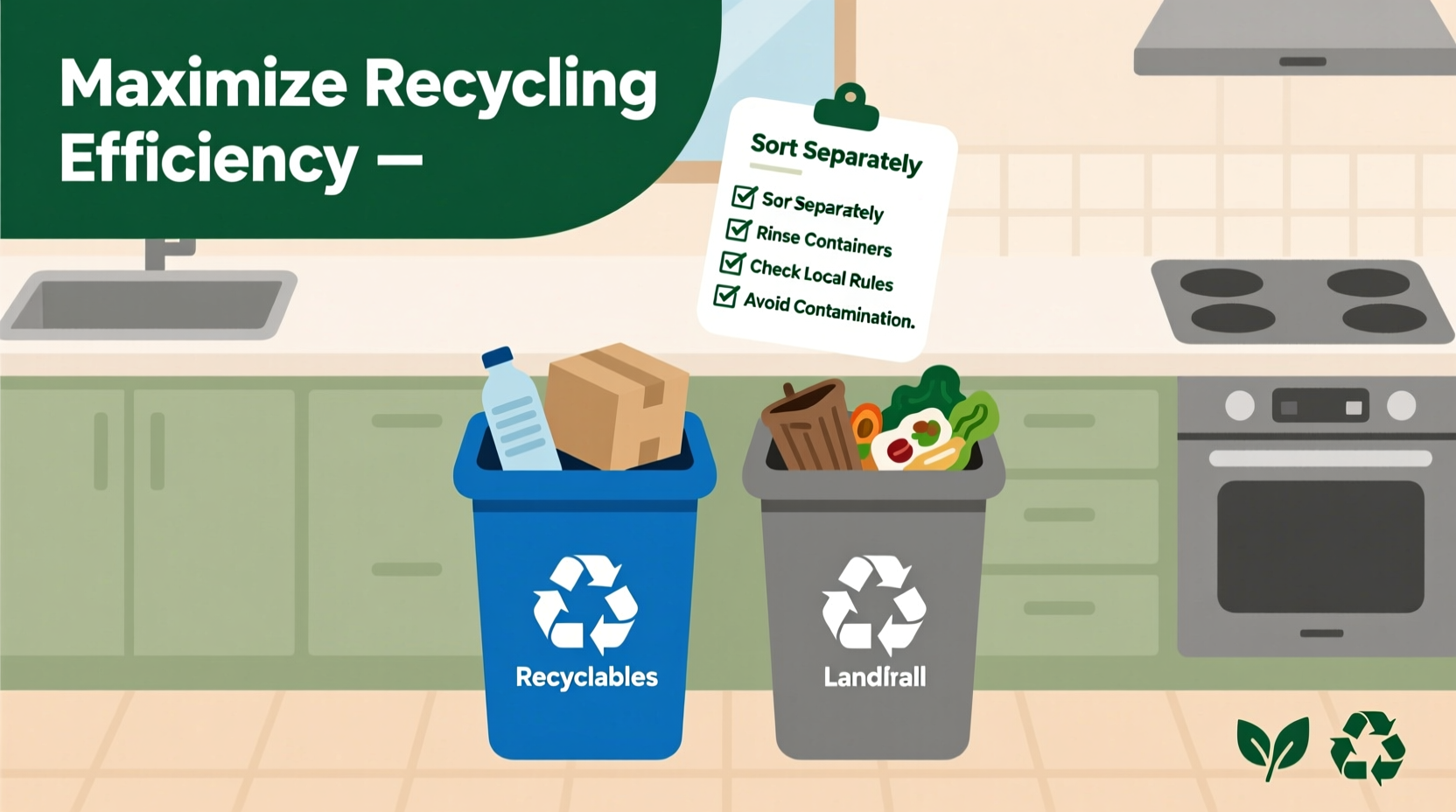
The effectiveness of double bins lies not just in convenience but in behavioral design. When both recycling and trash options are equally accessible, people are far more likely to sort waste properly. Studies in behavioral economics show that decision-making around waste disposal is heavily influenced by effort. If recycling requires walking to another room or opening a separate cabinet, it’s often skipped—even when individuals have good intentions.
Placing matching or clearly labeled bins side by side removes this friction. It transforms recycling from an extra step into a default action. In office environments, workplaces that adopted dual-bin stations reported a 35% increase in recycling compliance within six weeks.
Tip: Use color-coded bins—blue for recycling, black or gray for trash—and place them at the same height to promote equal use.Step-by-Step Guide to Setting Up Your Double-Bin System
Implementing a double-bin system doesn’t require expensive equipment or major lifestyle changes. Follow this timeline to integrate it seamlessly into your routine:
- Week 1: Assess Your Waste Stream
Track what you throw away for seven days. Note common items: food packaging, paper, plastic bottles, etc. Identify which materials are recyclable but currently ending up in the trash. - Week 2: Choose the Right Bins
Select two bins of similar size and design. Opt for hands-free models with lids if hygiene is a concern. Ensure they fit comfortably next to each other under or beside your countertop. - Week 3: Label Clearly and Educate Household Members
Use visual labels (e.g., icons of bottles, cans, paper) along with text. Hold a brief family discussion about what goes where. Include local guidelines—some municipalities accept certain plastics while others don’t. - Week 4: Monitor and Adjust
Check both bins daily for contamination (e.g., food-stained paper in recycling). Adjust labels or bin placement based on usage patterns.
Common Recycling Mistakes and How Double Bins Help Prevent Them
Contamination is the biggest threat to recycling efficiency. A single greasy pizza box or wet napkin can render an entire batch of recyclables unusable. The double-bin approach helps mitigate these errors through visibility and accountability.
| Mistake | Consequence | How Double Bins Help |
|---|---|---|
| Mixing food waste with paper | Recycling rejected at facilities | Clear separation prevents accidental tossing |
| Tossing recyclables in trash out of habit | Increased landfill contribution | Equal access makes recycling the easier choice |
| Confusion over acceptable materials | Cross-contamination | Labels on paired bins reinforce correct sorting |
| Overflow due to undersized bins | Spillage leads to improper disposal | Balanced capacity planning between bins |
“Households that adopt dual-bin systems see measurable improvements in recycling rates—not because they care less, but because the system makes doing the right thing effortless.” — Dr. Lena Torres, Urban Sustainability Researcher, University of Michigan
Real Example: The Miller Family’s Waste Reduction Journey
The Miller family of four in Portland, Oregon, struggled with inconsistent recycling habits. Despite their environmental values, nearly half of their recyclables were ending up in the trash. After attending a city-led zero-waste workshop, they installed a double-bin station in their kitchen using two 10-liter pedal bins—one blue, one black.
They added adhesive labels showing accepted items and committed to a weekly “bin check” every Sunday. Within three weeks, their recycling volume increased by 60%. Over six months, their monthly trash output dropped from four bags to just one. They also saved money by reducing the need for frequent garbage bag purchases.
“It sounds too simple,” said Sarah Miller, “but having both bins right next to the sink changed everything. We stopped thinking about it and just did it automatically.”
Optimizing Bin Placement for Maximum Efficiency
Location matters as much as design. To maximize participation:
- Place double bins near primary waste generation zones: kitchen counters, home offices, laundry rooms.
- Avoid tucking recycling behind cabinet doors unless trash is also concealed—unequal access creates bias.
- In multi-level homes, consider installing mini double-bin sets on each floor.
- For apartments, use stackable or slim-profile bins to save space.
Checklist: Launch Your Double-Bin System in One Weekend
Follow this actionable checklist to get started quickly and effectively:
- ☐ Audit your current waste for one day
- ☐ Measure available space for bin placement
- ☐ Purchase or repurpose two durable bins of similar size
- ☐ Label both bins clearly with text and symbols
- ☐ Position bins side by side in a high-use area
- ☐ Share sorting rules with all household members
- ☐ Set a reminder to review bin contents after one week
- ☐ Adjust bin size or labels as needed
Frequently Asked Questions
Can I use my existing trash can with a new recycling bin?
Yes, but ensure both bins are similarly accessible. If your trash bin has a lid and foot pedal, aim for the same features in your recycling bin to maintain parity. Mismatched designs can subconsciously favor one over the other.
What should I do if my city doesn’t pick up certain recyclables?
Focus on accepted materials first. Use your double-bin system to separate only what your municipality recycles—typically cardboard, clean paper, aluminum, steel, and specific plastic codes (usually #1 and #2). For non-collected items, look for drop-off locations at grocery stores or recycling centers.
How often should I clean the bins?
Clean both bins monthly with a vinegar-water solution to prevent odors and residue buildup. Rinse the recycling bin more frequently if you collect beverage containers. Regular cleaning reinforces hygiene and encourages continued use.
Conclusion: Small Change, Big Impact
Adopting a double-bin system is one of the most cost-effective and impactful steps any household or office can take toward sustainable living. It bridges the gap between intention and action, turning recycling from an occasional effort into a seamless habit. By reducing contamination, increasing diversion rates, and simplifying daily routines, this method proves that real progress often comes not from grand gestures, but from smart, consistent choices.
🚀 Start today: Pick two bins, label them clearly, and place them side by side. Challenge yourself and your household to go one week without contaminating the recycling. Share your experience online to inspire others—small actions, when multiplied, create lasting change.








