
In the vast, unpredictable world of Raft, survival depends on more than just scavenging plastic bottles and filtering seawater. As players progress beyond the early game, they encounter new challenges—none more deceptively dangerous than the puffer fish. Found lurking beneath the surface around larger islands and debris fields, this seemingly small creature packs a deadly punch. One bite inflicts 50 damage and applies a potent poison effect that drains health rapidly unless treated. However, with the right preparation, mindset, and technique, catching a puffer fish becomes not only possible but a rewarding milestone in your journey. This guide breaks down proven strategies for locating, approaching, and capturing this elusive marine threat.
Understanding the Puffer Fish: Behavior and Threat Level
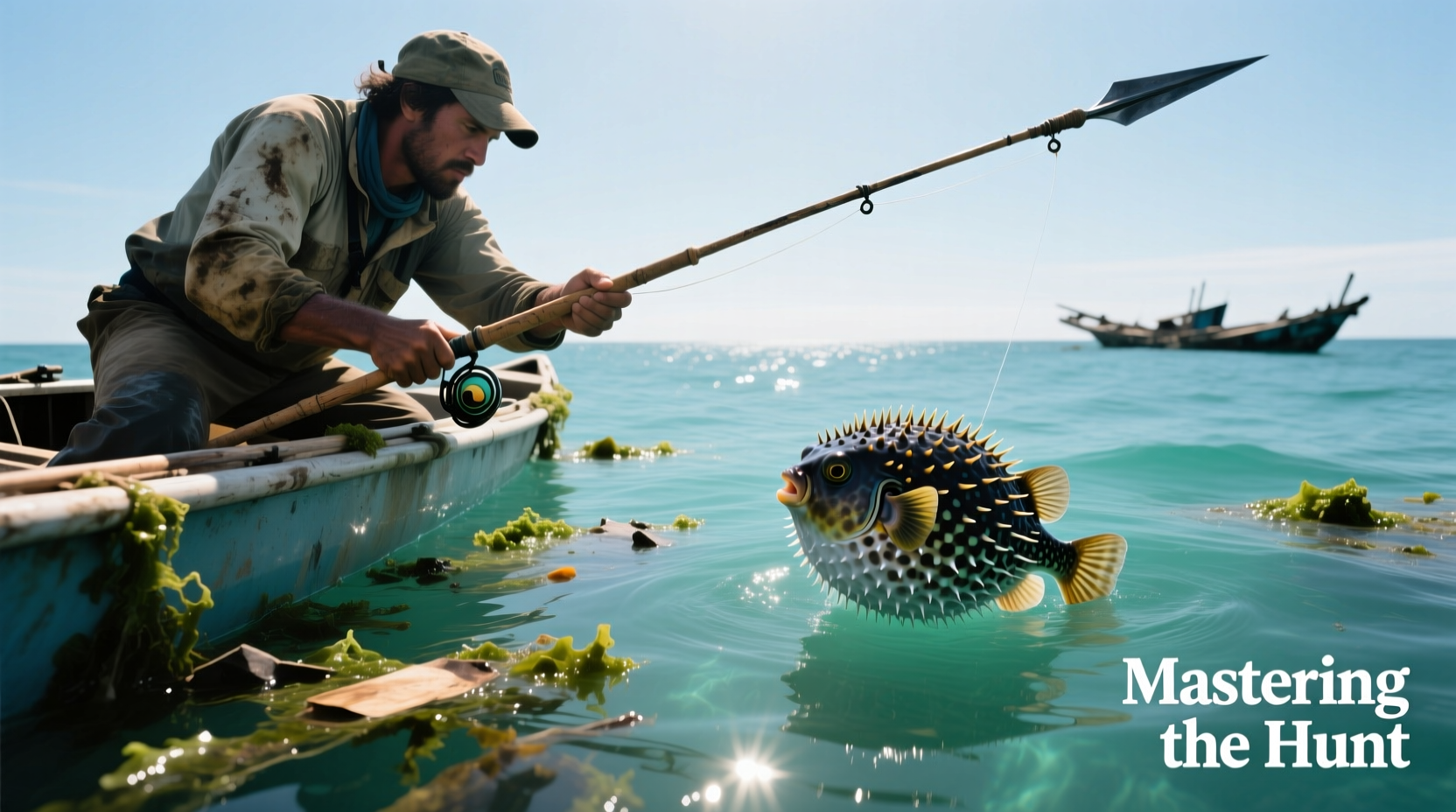
The puffer fish is not just another sea creature to avoid—it’s a calculated hazard. Unlike passive fish such as the mackerel or tuna, the puffer fish actively targets players who enter its detection radius. It inflates upon approach, signaling an imminent attack. Its speed and aggression make it one of the most dangerous small predators in the game.
Despite its danger, the puffer fish drops valuable items: its meat can be cooked into Pufferfish Stew (which cures poison), and its skin is required for advanced recipes like the Antidote. Mastering how to catch it safely opens up crucial survival mechanics, especially when facing venomous creatures later in the game.
“Many players underestimate the puffer fish because of its size. But in Raft, danger doesn’t scale with mass—it scales with awareness.” — Lena Torres, Survival Game Analyst
Essential Gear Before the Hunt
Going after a puffer fish unprepared is a quick path to respawning at your raft. Success hinges on having the right tools before entering the water. Here’s what you must have:
- Poison Cure Ready: Carry at least one Antidote or have the ingredients (Pufferfish Meat + Coconut Milk) prepped for immediate cooking.
- Durability-Optimized Pole: Use a reinforced Fishing Pole with a Metal Hook. The standard hook may break under aggressive use.
- Oxygen Management: Equip the Oxygen Tank and Swim Fin upgrades to extend underwater time and mobility.
- Defensive Armor: Wear the Basic Helmet and Body Armor to reduce incoming damage if struck.
- Distraction Tools: Carry a Scrap or two to throw, luring the fish away from tight spaces.
Step-by-Step Guide to Catching a Puffer Fish
Catching a puffer fish isn’t about brute force—it’s about precision, patience, and positioning. Follow this sequence for maximum success:
- Locate a Puffer Fish Zone: These appear near larger islands, particularly around debris clusters or coral outcrops. Look for their distinctive yellow-and-black coloring just below the surface.
- Prepare Your Raft: Anchor securely or tether to land. Place a Water Purifier and Cooking Station nearby for rapid response post-capture.
- Enter the Water Quietly: Avoid jumping directly above where the fish swims. Descend from the side to minimize detection.
- Observe Movement Patterns: Wait 10–15 seconds underwater to track its route. Puffer fish often swim in loops or patrol specific zones.
- Lure and Position: Toss a piece of Scrap a few blocks ahead of its path. As it investigates, position yourself behind it, pole ready.
- Strike Swiftly: Use short, controlled jabs. Do not hold the attack button—tap it once per swing to maintain control and prevent overextension.
- Retreat Immediately: Once hooked, reel in quickly while swimming backward. If poisoned, surface immediately and consume your antidote.
Why Timing Matters
The window between hooking the fish and being attacked is narrow. A well-timed strike during its idle phase—when it deflates after inflation—increases your chances of landing it without taking damage. Patience is not optional; it’s tactical.
Do’s and Don’ts When Hunting Puffer Fish
| Do’s | Don’ts |
|---|---|
| Approach from behind or the side | Swim directly toward its front |
| Use scrap to distract | Corner it against walls or rocks |
| Keep antidote ready | Attempt capture with low health |
| Fish during calm waves | Hunt during storms or high currents |
| Practice with less aggressive fish first | Rush the attempt without preparation |
Real Example: A Close Call Turned Victory
Jamal, a mid-game player on Balboa Island, attempted his first puffer fish capture armed only with a basic pole and no antidote. He dove in confidently but was struck within seconds. Poison set in fast—he barely made it back to the raft, losing nearly all health before brewing coconut milk and raw puffer meat in desperation.
On his second try, he adapted. He crafted body armor, prepared an Antidote in advance, and used scrap to lure the fish into open water. By waiting for the perfect moment—when the puffer deflated after a failed charge—he landed the hook cleanly and reeled it in without injury. That single success unlocked the Antidote recipe, which later saved him during a piranha swarm at Tangaroa.
This turnaround illustrates a core truth: failure in Raft is rarely final. It’s feedback.
Advanced Tips for Consistent Success
Once you’ve caught your first puffer fish, refine your technique with these pro-level strategies:
- Create a Capture Corridor: Build shallow walls underwater to funnel the fish into a narrow lane, limiting its maneuverability.
- Use Multiple Distractions: Drop scraps in a zigzag pattern to keep it moving predictably.
- Team Coordination: In multiplayer, one player distracts while another strikes from behind—high risk, high reward.
- Nighttime Advantage: Puffer fish are slightly slower at night due to reduced visibility. Use a Flashlight for targeting.
Frequently Asked Questions
Can you catch a puffer fish with a net launcher?
No. The Net Launcher cannot capture puffer fish. Only the Fishing Pole with a Metal Hook works for this species.
How many puffer fish do I need to craft an Antidote?
You need one Pufferfish Meat and one Coconut Milk to cook a Pufferfish Stew, which acts as an Antidote. Each fish provides one meat, so one catch is enough per dose.
Do puffer fish respawn?
No, puffer fish do not respawn once caught. There are typically 1–2 per large island biome, so plan your attempts carefully.
Final Checklist Before Diving
- Pre-Hunt Checklist
- ☐ Oxygen Tank equipped
- ☐ Metal Hook on Fishing Pole
- ☐ Antidote or ingredients ready
- ☐ Armor worn (Helmet & Body)
- ☐ Scrap in inventory for distraction
- ☐ Raft anchored securely
- ☐ Health at maximum
Mastery Begins With Method
Catching a puffer fish in Raft is more than a gameplay objective—it’s a rite of passage. It tests your preparation, adaptability, and nerve. Many players avoid them entirely, relying on RNG drops or skipping the Antidote recipe altogether. But true mastery comes from confronting the danger head-on, using knowledge as your shield and strategy as your weapon.
Now that you’re equipped with the tactics, tools, and insights needed, there’s no reason to fear the yellow blur beneath the waves. Dive in with confidence. Land the hook. Survive the sting. And turn one of Raft’s deadliest nuisances into your most valuable asset.
💬 Have a puffer fish story or a unique capture method? Share your experience in the community—your tip might save someone’s next life!








