For decades, the baseball cap has been a staple in casual wardrobes—functional, timeless, and effortlessly cool. But as fashion evolves, so do the details. One of the most noticeable upgrades? Letter embroidery. Whether it’s a bold brand name across the front or a subtle monogram on the side, embroidered text adds personality. But does that extra stitching justify the higher price tag and potential trade-offs? Or is a plain cap just as effective—and smarter—for everyday wear?
The answer depends on what you value: personal expression, longevity, versatility, or budget. To make an informed choice, it's essential to weigh the benefits and drawbacks of each style beyond surface-level aesthetics.
Style & Personal Expression
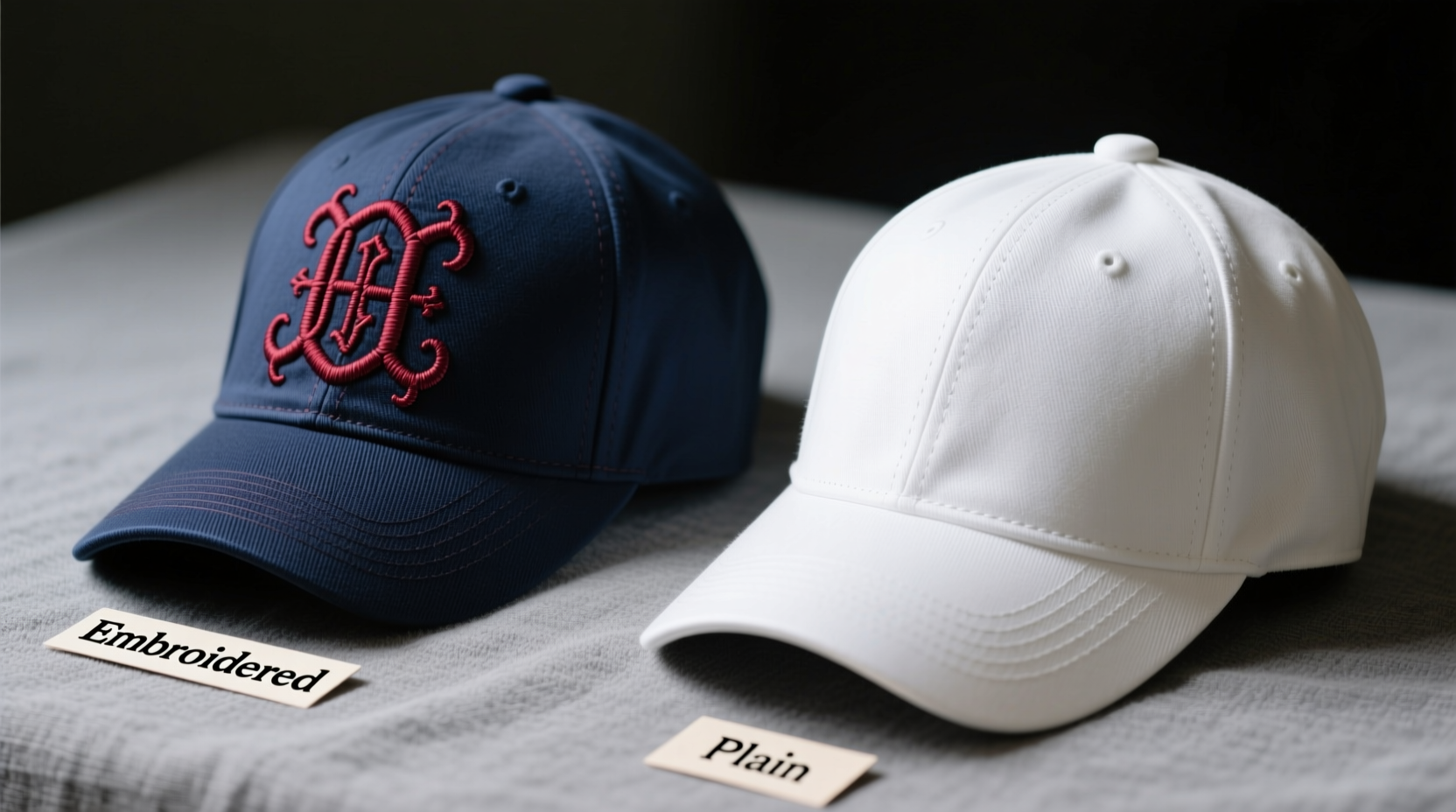
A plain baseball cap offers minimalism at its finest. It’s a blank canvas—clean, neutral, and adaptable. Whether paired with a hoodie, a blazer, or workout gear, it blends without drawing attention. This makes it ideal for those who prefer understated style or want their outfit to speak louder than their accessories.
In contrast, a letter-embroidered cap immediately communicates identity. The text might represent a favorite brand, hometown, university, or inside joke. For some, this is a key part of self-expression. “Embroidery turns a functional item into a statement,” says fashion stylist Marcus Tran.
“It’s not just about sun protection—it’s about signaling belonging, pride, or even rebellion.”
However, that same expressiveness can limit flexibility. A cap with “Brooklyn” stitched across the front may feel out of place at a formal event or during travel outside that context. Meanwhile, a plain cap slips seamlessly into almost any environment—from hiking trails to rooftop bars.
Tip: If you love personalization but want versatility, consider subtle side embroidery (like initials) instead of bold front-facing text.Durability & Maintenance
From a construction standpoint, embroidery introduces additional stress points. Thread is stitched directly into the fabric, which can weaken the base material over time, especially if low-quality thread or dense designs are used. Frequent washing exacerbates this—heat and agitation can cause fraying, puckering, or loosening of stitches.
Plain caps, particularly those made from structured cotton twill or performance polyester, tend to hold up better through repeated use and laundering. Without added embellishments, there are fewer components to degrade. They also resist fading more evenly since there’s no contrast between dyed fabric and thread color.
That said, high-end embroidered caps from reputable brands often use reinforced stitching techniques and durable rayon or polyester threads that withstand hundreds of wash cycles. The key isn’t whether embroidery inherently reduces lifespan—but how well it’s executed.
Wash Care Comparison
| Cap Type | Laundering Safety | Expected Wear Impact |
|---|---|---|
| Plain Cotton Cap | High – machine washable, retains shape | Minimal; fades uniformly |
| Embroidered Cap (Budget) | Medium – hand wash recommended | Moderate; thread may loosen or fray |
| Embroidered Cap (Premium) | High – designed for durability | Low; professional stitching resists damage |
Cost & Value Proposition
On average, a plain baseball cap retails between $12 and $25. An embroidered version from the same brand often costs $28 to $45—or more, if it’s limited edition or designer-labeled. That $10–$20 premium covers design labor, specialized equipment, and perceived exclusivity.
But does it deliver proportional value? For collectors or fans of branding, yes. Limited-run embroidered caps often gain resale value, especially when tied to events, collaborations, or cultural moments. Think of them like wearable memorabilia.
For practical users focused on utility, the equation shifts. If you rotate caps frequently, work outdoors, or live in a humid climate where sweat and sun degrade materials faster, investing in intricate detailing may not make financial sense. A plain cap replaced every year at $18 is still cheaper than two embroidered ones at $40.
Real-World Use Case: Urban Commuter vs. Brand Advocate
Consider two individuals:
- Sarah, 32, graphic designer: She owns three plain black and navy caps. She wears one daily during her bike commute, swaps them weekly, and tosses any that lose shape after six months. Her priority is function and ease of replacement. Embroidery would only complicate cleaning and increase loss anxiety.
- Jamal, 27, streetwear enthusiast: He owns 14 caps, seven of which are embroidered with brand logos or city names. Each was purchased intentionally, worn selectively, and stored in protective boxes. For him, the embroidery elevates the cap from accessory to collectible. “It’s part of my aesthetic language,” he explains. “I’d never wear a plain cap unless it was totally invisible.”
This contrast shows that the “worth” of embroidery isn’t universal—it’s contextual. It aligns with lifestyle, usage patterns, and emotional connection to clothing.
How to Decide: A Practical Checklist
Before choosing between embroidered and plain, ask yourself the following:
- Do I want my cap to be noticed, or just serve a purpose?
- Will I wear this multiple times per week, or reserve it for special occasions?
- Am I okay with hand-washing or delicate care routines?
- Does the text have lasting meaning, or is it trendy now but forgettable later?
- What’s my budget for replacements over two years?
- Do I already own versatile plain caps I can alternate with an embroidered one?
If you answered “yes” to questions 1, 2, and 4, embroidery could enhance your wardrobe. If 3, 5, and 6 resonated more, sticking with plain may offer better long-term satisfaction.
Expert Insight: Craftsmanship Matters
Not all embroidery is created equal. According to textile engineer Lila Nguyen, the difference lies in tension control and backing material.
“Cheap embroidery uses thin stabilizer sheets that disintegrate after a few washes. Premium manufacturers use tear-away or cut-away backings that support the fabric and prevent sagging. That’s why a $40 embroidered cap can outlast a $15 one—even with the same base material.”
She recommends checking product descriptions for terms like “high-density stitching,” “mercerized thread,” or “reinforced crown seams” as indicators of quality. These features don’t guarantee longevity, but they significantly improve odds.
FAQ
Can I remove embroidery from a cap if I change my mind?
Technically, yes—but it’s risky. Removing thread often leaves holes, discoloration, or weakened fabric. It’s usually more practical to donate or repurpose the cap rather than alter it.
Are embroidered caps harder to pack for travel?
Yes, especially if you care about maintaining shape. Embroidered areas can crease under pressure, and folded stitching may become misaligned. Use a hat box or stuff the crown with soft clothing to protect both structure and design.
Do plain caps look boring in comparison?
Only if style is measured by ornamentation. Many fashion editors argue that restraint signals confidence. A well-fitted plain cap in a rich color (like olive, burgundy, or charcoal) can project more intentionality than a loud logo.
Final Verdict: When the Extra Detail Pays Off
The embroidered cap earns its place when meaning, craftsmanship, and selective use converge. It’s worth the investment if you cherish individuality, plan to preserve the cap, and appreciate fine textile work. It becomes wasteful when treated as disposable fashion or mismatched to your lifestyle.
Conversely, the plain baseball cap remains unmatched in utility, affordability, and adaptability. Its simplicity isn’t a flaw—it’s a feature. It serves reliably, ages gracefully, and never clashes.
Ultimately, the best approach might be balance: build a foundation of 1–2 high-quality plain caps for daily use, then add one thoughtfully chosen embroidered piece as a signature accent. This way, you gain both flexibility and flair—without sacrificing value.
🚀 Ready to upgrade your hat game? Audit your current collection: how many do you *actually* wear regularly? Choose your next cap based on purpose, not impulse—and share your favorite combo in the comments below.








