Keys are among the most frequently used personal items, yet how we carry them often gets overlooked. The choice between a leather keychain and a carabiner clip isn’t just about aesthetics—it’s about function, longevity, and daily convenience. While both options have loyal followings, understanding their strengths and weaknesses can help you make a smarter decision based on your lifestyle, habits, and priorities.
Durability and Long-Term Wear
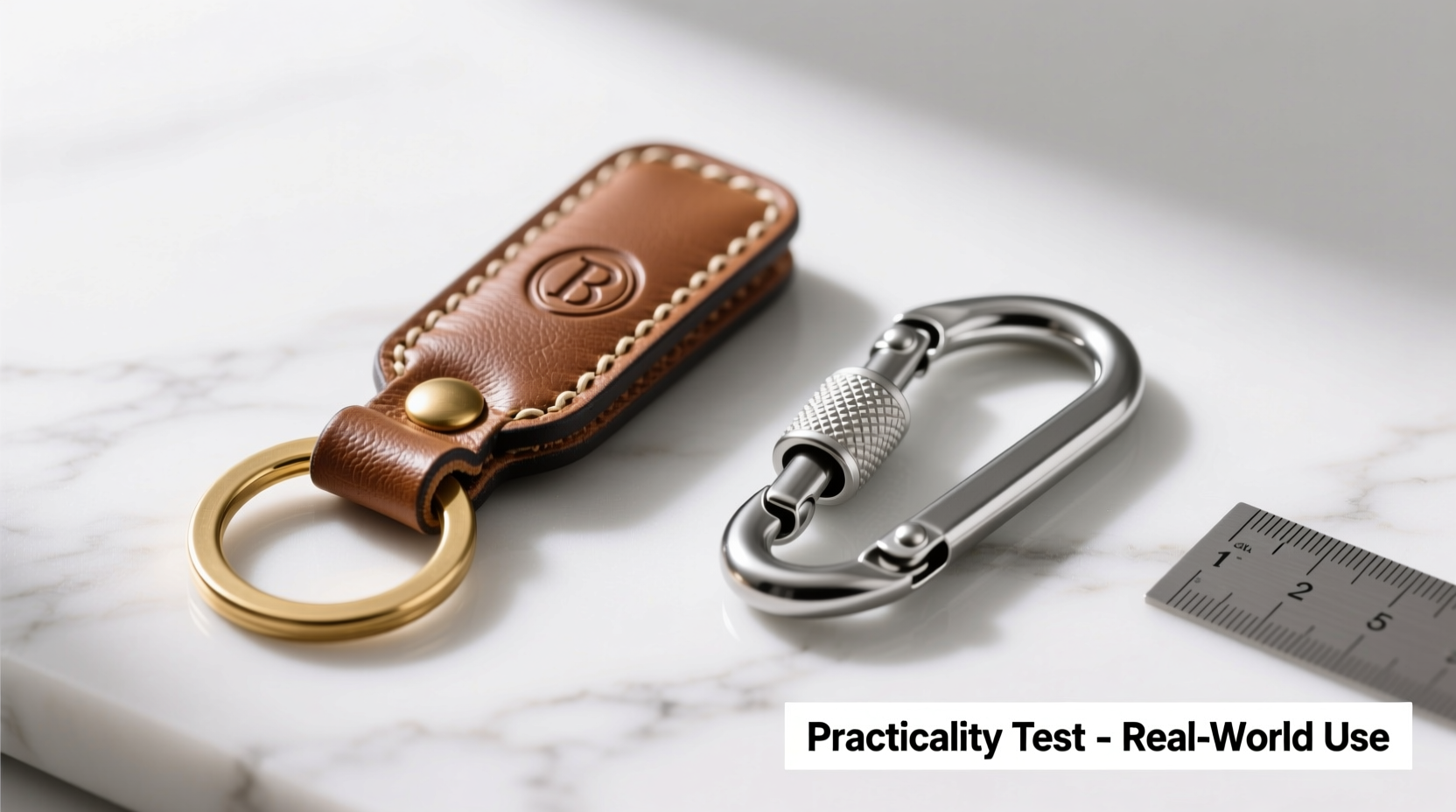
Durability is a critical factor when choosing a key carrier. How well it withstands friction, weight, moisture, and time determines whether it lasts months or years.
Leather keychains, especially those made from full-grain or vegetable-tanned leather, age beautifully. With proper care, they develop a rich patina and become more supple over time. However, leather is vulnerable to water damage, mold in humid environments, and cracking if neglected. It also stretches slightly under constant load—something to consider if you carry multiple keys or heavy tools.
In contrast, carabiner clips—typically made from aluminum or stainless steel—are built for rugged use. Originally designed for climbing and rescue operations, they’re engineered to handle stress, drops, and exposure to the elements. Most modern keychain carabiners are lightweight, corrosion-resistant, and rated for tensile strength far beyond what a set of keys would require.
Tip: If you live in a rainy climate or frequently wash your hands with keys in pocket, metal carabiners resist moisture better than untreated leather.Functionality and Daily Use
Practicality hinges on how easily a device integrates into your routine. A keychain should be quick to access, easy to attach, and unobtrusive.
Carabiner clips excel in functionality. Their spring-loaded gate allows one-handed operation—clip on, clip off in seconds. This makes them ideal for attaching not only keys but also flashlights, multitools, lanyards, or even small pouches. Many feature rotating swivels or magnetic closures for added convenience.
Leather keychains, while stylish, are generally less dynamic. Most use a simple loop or snap button, requiring two hands to open or reposition. Some high-end models include detachable clips or split rings, but they rarely match the speed and versatility of a quality carabiner.
For people who switch bags, backpacks, or belts often—like commuters, travelers, or outdoor workers—the carabiner offers unmatched flexibility. Leather, by comparison, shines in consistency and aesthetic cohesion, especially when matched to a wallet or bag.
Style and Aesthetic Appeal
Where carabiners win on utility, leather keychains dominate in elegance. A well-crafted leather key fob adds sophistication to an everyday carry setup. It complements classic accessories like analog watches, denim jackets, or leather footwear.
The texture, grain, and color variation in natural leather give each piece a unique character. Over time, it absorbs oils from your hands and develops a personalized look that many enthusiasts appreciate. Brands like Bellroy, Saddleback, and Tanner Goods have elevated leather key organizers into minimalist fashion statements.
Carabiners, on the other hand, lean toward utilitarian design. While some premium versions feature brushed finishes, engraved logos, or sleek low-profile shapes, they still project a technical, gear-oriented vibe. They suit tactical EDC (everyday carry) setups but may feel out of place in formal or traditional settings.
“Design isn’t just about looks—it’s about how something works *and* how it makes you feel using it every day.” — James Reed, Industrial Designer & EDC Specialist
Comparison Table: Leather vs. Carabiner
| Feature | Leather Keychain | Carabiner Clip |
|---|---|---|
| Durability | High (with care), ages well | Very high, weather-resistant |
| Weight Capacity | Moderate (3–5 keys recommended) | High (up to 10+ lbs depending on model) |
| Water Resistance | Poor unless treated | Excellent (especially stainless steel) |
| Attachment Speed | Slow (requires manual threading) | Fast (one-handed clip-on) |
| Aesthetic Value | High (luxury, timeless) | Moderate (functional, modern) |
| Lifespan | 3–7 years (varies with maintenance) | 5–15+ years (minimal upkeep) |
| Best For | Style-conscious users, minimalists | Outdoor enthusiasts, EDC users |
Real-World Example: Urban Commuter vs. Outdoor Guide
Consider two individuals: Maya, a graphic designer in Seattle, and Derek, a wilderness guide in Colorado.
Maya carries three keys, a small house alarm fob, and values clean lines and subtle luxury. She uses a slim leather key organizer that slips neatly into her tote or coat pocket. It matches her walnut-colored wallet and doesn’t scratch her phone screen. When it rains, she keeps it in an inner compartment—moisture is managed through behavior, not material.
Derek, meanwhile, needs reliability above all. His carabiner holds keys, a multi-tool, a fire starter, and a whistle. He clips it to his backpack hip belt during hikes and detaches it only at camp. Exposed to mud, snow, and frequent drops, the carabiner remains functional after five years of hard use. The leather version he tried once cracked after a river crossing.
Their choices reflect context. Neither is objectively better—each aligns with environment, activity level, and personal standards.
Maintenance and Care Requirements
Longevity depends not just on build quality but on upkeep.
Leather keychains benefit from periodic conditioning with beeswax or leather balm. Wipe down with a dry cloth monthly, avoid soaking, and store away from heat sources. Untreated leather exposed to sweat and rain will stiffen and deteriorate within a year.
Carabiners need almost no maintenance. Rinse with fresh water if exposed to salt or dirt, dry thoroughly, and inspect the gate mechanism occasionally for smooth operation. Avoid dropping on concrete, which can deform the nose pin or gate.
Tip: Apply a drop of dry lubricant (like PTFE spray) to a sticky carabiner gate—but never oil-based lubes, which attract dust.Step-by-Step: Choosing the Right Option for You
- Evaluate your daily routine: Do you walk through parks, commute via transit, or work outdoors?
- Count your attachments: More than four items? Lean toward carabiner.
- Assess your environment: Rainy, humid, or dusty conditions favor metal.
- Match your style: Prefer vintage charm or streamlined efficiency?
- Test both: Try a leather loop for home keys and a carabiner for travel or gym bags.
FAQ
Can I use a carabiner with leather key straps?
Yes—many hybrid systems exist. Leather loops with integrated carabiners combine aesthetics and function. Just ensure the stitching is reinforced and the metal component is securely riveted.
Are carabiners safe for everyday carry?
Absolutely, as long as they’re from reputable brands and not overloaded. Look for CE or UIAA certification if safety is a concern, though most keychain models exceed basic requirements.
Do leather keychains break easily?
Poorly made ones do. Weak stitching, thin leather, or lack of edge sealing leads to premature failure. Invest in hand-stitched, thick-cut leather from trusted makers for lasting performance.
Final Verdict: Which Is Actually More Practical?
If \"practical\" means reliable, fast, durable, and adaptable—**the carabiner clip wins**. It performs consistently across environments, handles more gear, and demands little maintenance. It’s the tool-oriented solution for real-world unpredictability.
But if practicality includes emotional satisfaction, personal expression, and integration with a curated lifestyle, then **a leather keychain has its own kind of utility**. It reduces clutter, prevents jingling, and elevates the mundane into something intentional.
The truth is, you don’t have to choose one forever. Many people keep a leather keychain for daily urban use and a carabiner for travel, workouts, or outdoor adventures. The most practical approach might be carrying both—strategically.
💬 What’s your go-to key carrier? Share your experience or favorite product below—your insight could help others find their perfect fit.








