For decades, denim has been a cornerstone of casual wardrobes worldwide. But as fabric technology evolves, so do the choices available to consumers. One of the most debated topics in modern denim is whether jeans with stretch outperform traditional rigid denim when subjected to daily wear. While comfort often favors stretch jeans, longevity remains a critical concern for those who value durability over convenience. This article breaks down the structural, material, and lifestyle factors that determine how long each type of denim lasts—helping you make an informed decision based on your needs.
The Anatomy of Denim: Stretch vs Rigid
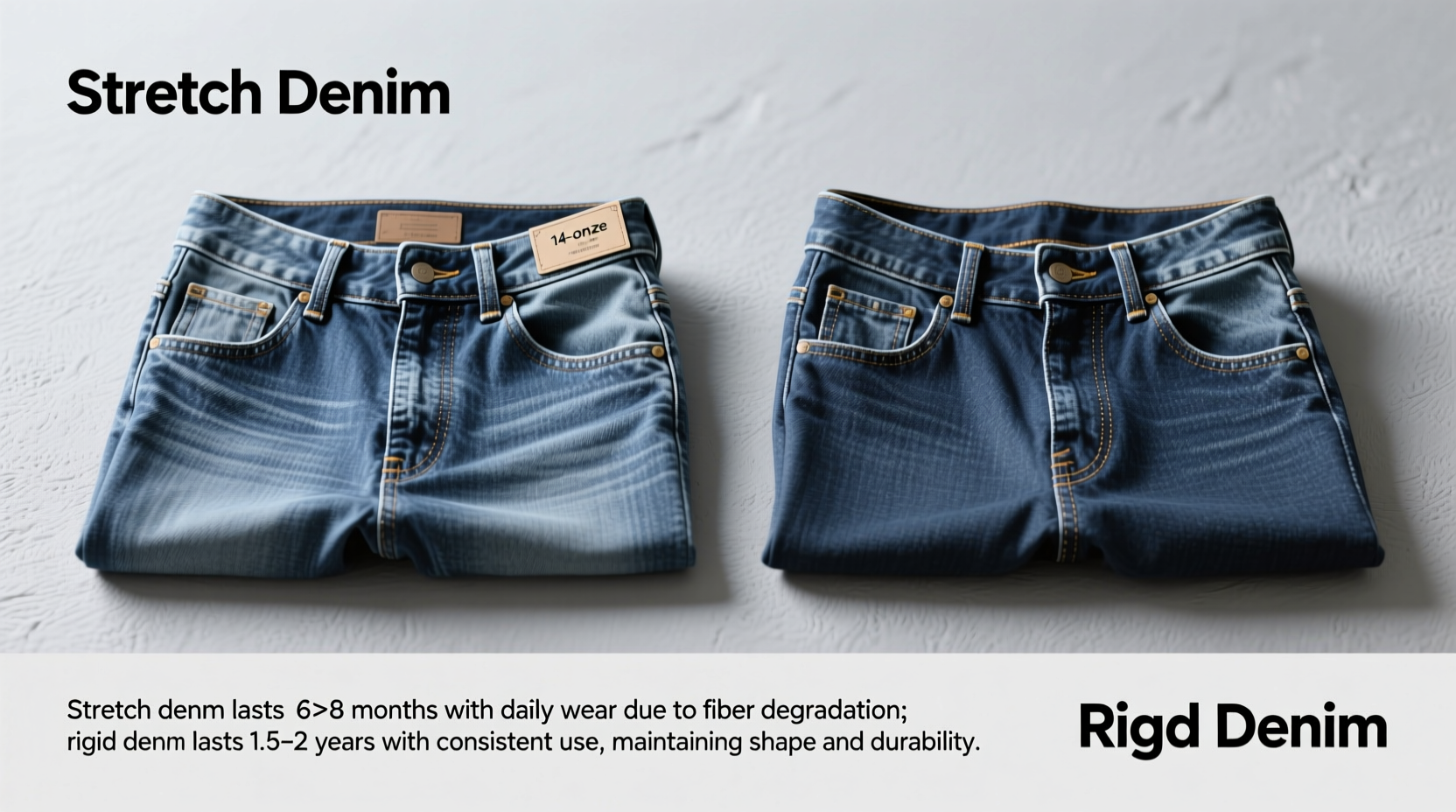
At its core, denim is a sturdy cotton twill fabric. However, the addition of synthetic fibers like elastane (also known as spandex or Lycra) transforms its behavior. Rigid denim is made almost entirely from cotton—typically 98–100%—with no added elasticity. It’s stiff when new but molds to the wearer’s body over time. In contrast, stretch denim usually contains 1–4% elastane blended with cotton, sometimes supplemented with polyester or rayon. This small percentage dramatically alters the fabric’s flexibility, recovery, and resilience.
The inclusion of elastane allows stretch jeans to move with the body, reducing strain on seams and minimizing sagging during prolonged use. However, this same elasticity introduces vulnerabilities. Elastane fibers degrade faster than cotton under mechanical stress and UV exposure, meaning repeated stretching and washing can compromise their integrity over time.
“While stretch denim offers unmatched comfort, its lifespan is inherently limited by the degradation of synthetic fibers,” says Marcus Reed, textile engineer at DenimLab Research Group. “Rigid denim, though less forgiving initially, benefits from the natural durability of cotton and ages more predictably.”
Durability Showdown: How Daily Wear Affects Each Type
Daily wear subjects jeans to constant friction, bending, and tension—especially around high-movement areas like the knees, seat, and thighs. Understanding how each fabric responds to these stresses is key to evaluating long-term performance.
Rigid Denim: Built to Last, Not to Conform
Rigid jeans start off stiff but gradually conform to the wearer’s shape through consistent use. Because they lack elastic fibers, they don’t rely on synthetic components that break down over time. Cotton fibers are strong in tension and resist abrasion well, especially in tightly woven, heavyweight denims (12 oz or higher).
Over months of regular wear, rigid denim develops unique fades and creases—what enthusiasts call “character.” These changes occur slowly and evenly, preserving structural integrity. Seams and stitching remain intact longer because the fabric doesn’t repeatedly stretch and contract, which reduces fatigue on thread points.
Tip: To extend the life of rigid denim, rotate pairs weekly and avoid frequent washing. Spot clean when possible.Stretch Denim: Comfort Now, Compromises Later
Stretch jeans provide immediate comfort and mobility, making them popular for active lifestyles or office wear. The elastane component helps the fabric snap back after movement, preventing bagginess in the knees and seat—initially.
However, daily wear accelerates the breakdown of elastane. After several months, many wearers notice “stretch-out” in the thighs and waistband, where the fabric loses its ability to recover. Once the elastic fibers degrade, the jeans begin to sag permanently, even if the cotton matrix remains intact. This loss of fit often leads users to retire stretch jeans not because they’re torn, but because they no longer hold their shape.
Comparative Longevity: Real-World Data
To assess which denim lasts longer under daily use, consider a controlled comparison between two identical-style jeans worn five days a week for one year.
| Factor | Rigid Denim (100% Cotton) | Stretch Denim (98% Cotton, 2% Elastane) |
|---|---|---|
| Average Lifespan (Daily Wear) | 3–5 years | 1.5–2.5 years |
| Knee Bagging Resistance | Moderate (develops fade, not sag) | High initially, declines after 6–8 months |
| Seam Integrity | Excellent (minimal stress) | Good (higher stress from stretch/recovery) |
| Fade Development | Pronounced, personalized | Subtle, uniform |
| Wash Frequency Tolerance | Low (washes accelerate fading) | Moderate (needs more cleaning due to sweat absorption) |
| User Satisfaction After 1 Year | High (if broken in properly) | Mixed (comfort drops as elasticity fails) |
This data reflects feedback from long-term denim testers and repair specialists. While individual results vary based on care habits and body type, the trend is clear: rigid denim generally outlasts stretch denim in terms of structural endurance.
Case Study: Office Worker vs Field Technician
Consider two individuals with different lifestyles but similar denim usage patterns:
- Sarah, 32, Office Manager: Wears stretch jeans daily for work. She values comfort during long sitting hours and appreciates the slim, tailored look. After 18 months, her jeans show minimal visible wear but have lost elasticity in the thighs. They now feel loose and require constant adjustment. Despite being unworn, she replaces them due to poor fit retention.
- Jamal, 35, Construction Supervisor: Prefers 14-oz rigid selvedge jeans. He finds them uncomfortable at first but notes significant improvement after three months. After two years of daily site work, his jeans show heavy fading and minor fraying at the cuffs—but no sagging. With one round of stitching reinforcement at the pockets, they continue in rotation.
Sarah’s experience highlights the hidden cost of stretch: functional obsolescence before physical failure. Jamal’s case demonstrates rigid denim’s resilience when paired with basic maintenance. Both users wore jeans daily, yet Jamal’s pair lasted nearly twice as long in practical terms.
Care Practices That Influence Longevity
No fabric performs optimally without proper care. How you treat your jeans significantly impacts their lifespan—sometimes more than the material itself.
Washing Habits
Overwashing is the leading cause of premature denim degradation. Rigid denim should be washed infrequently—once every 4–10 wears, depending on activity level. Cold water and inside-out washing help preserve indigo dye and reduce fiber stress. Stretch denim requires more frequent cleaning due to elastane’s tendency to absorb body oils and sweat, which accelerates breakdown.
Drying Methods
Tumble drying is detrimental to both types, but especially harmful to stretch jeans. High heat weakens elastane fibers rapidly. Air drying flat or hanging vertically preserves shape and elasticity longer. For rigid denim, air drying helps maintain stiffness and prevents unwanted shrinkage.
Storage and Rotation
Allowing jeans to rest between wears lets fibers recover. Rotating between multiple pairs extends the life of each. Storing jeans folded or hung by the waistband (not by the belt loops) prevents distortion.
Tip: Never store damp jeans. Moisture promotes mildew and weakens cotton fibers, especially at stress points like pocket corners.Step-by-Step Guide to Maximizing Denim Lifespan
Follow this timeline-based routine to get the most out of any pair of jeans, regardless of fabric type:
- Week 1–4 (Break-In Phase): Wear rigid jeans daily without washing to encourage natural molding. Avoid excessive stretching or forced movements.
- Month 2–3: Begin spot-cleaning stains. Wash only if visibly soiled or odorous. Use a denim-safe detergent.
- Every 3–6 Months: Inspect for loose threads, thinning fabric, or seam separation. Reinforce pockets or hems early to prevent larger damage.
- After 1 Year: Evaluate fit and structure. Stretch jeans may need replacement if elasticity is compromised. Rigid jeans likely still have 2+ years of life remaining.
- Ongoing: Rotate between at least two pairs. Limit machine washing to 5–7 times per year. Always air dry.
Checklist: Choosing the Right Denim for Your Lifestyle
Use this checklist to determine whether stretch or rigid denim better suits your needs:
- ✅ Do you prioritize comfort and mobility during long sitting periods? → Lean toward stretch
- ✅ Are you willing to invest time in breaking in stiff jeans? → Lean toward rigid
- ✅ Do you work in a physically demanding job with lots of movement? → Rigid denim handles abrasion better
- ✅ Do you prefer a consistent fit without sagging over time? → Stretch wins short-term; rigid wins long-term
- ✅ Are you looking for jeans that develop unique character with age? → Choose rigid
- ✅ Do you dislike frequent laundry routines? → Rigid denim requires fewer washes
- ✅ Is sustainability important to you? → Rigid denim typically has lower environmental impact due to simpler composition
Frequently Asked Questions
Can I make stretch jeans last longer?
Yes, but within limits. Reduce washing frequency, avoid high heat, and rotate pairs regularly. However, elastane degradation is inevitable with daily use. Even with perfect care, expect 2–2.5 years of reliable performance from most stretch blends.
Do rigid jeans eventually stop being uncomfortable?
Most do. Within 4–8 weeks of regular wear, rigid denim conforms to your body. Soaking or steaming can accelerate the process. Once broken in, they offer support and freedom of movement comparable to lightly stretched alternatives.
Are there hybrid options that combine durability and comfort?
Yes. Some brands now offer “low-stretch” denim with 1% elastane—enough to improve comfort but minimal enough to preserve longevity. Look for 12+ oz fabrics with reinforced stitching and natural indigo dyes for the best balance.
Conclusion: Prioritize Purpose Over Trend
When it comes to lasting power under daily wear, rigid denim consistently outperforms stretch. Its all-natural fiber composition, resistance to deformation, and predictable aging process make it the superior choice for longevity. Stretch jeans, while undeniably comfortable, sacrifice durability for convenience—a trade-off that becomes evident within the first two years of regular use.
Your choice should align with your lifestyle, values, and expectations. If you value heirloom-quality clothing that ages gracefully, invest in rigid denim and commit to thoughtful care. If your priority is day-one comfort and frequent style changes, stretch jeans may suit you—even if they don’t stand the test of time.
💬 What’s your experience with stretch vs rigid denim? Share your thoughts on durability, comfort, and favorite care tips in the comments below.








