
Running shoes endure more than most people realize. Mud, sweat, road grime, and daily wear all accumulate over time, leading to odor, discoloration, and material breakdown. Many runners wonder: can I just toss them in the washing machine for a quick clean? The answer isn’t a simple yes or no—it depends on the shoe, the method, and your expectations.
While some manufacturers explicitly warn against machine washing, others acknowledge it as a viable option under controlled conditions. Done incorrectly, machine washing can destroy cushioning, warp midsoles, or separate glued layers. But with the right precautions, it’s possible to refresh your running shoes safely and effectively—without shortening their lifespan unnecessarily.
When Machine Washing Is Acceptable
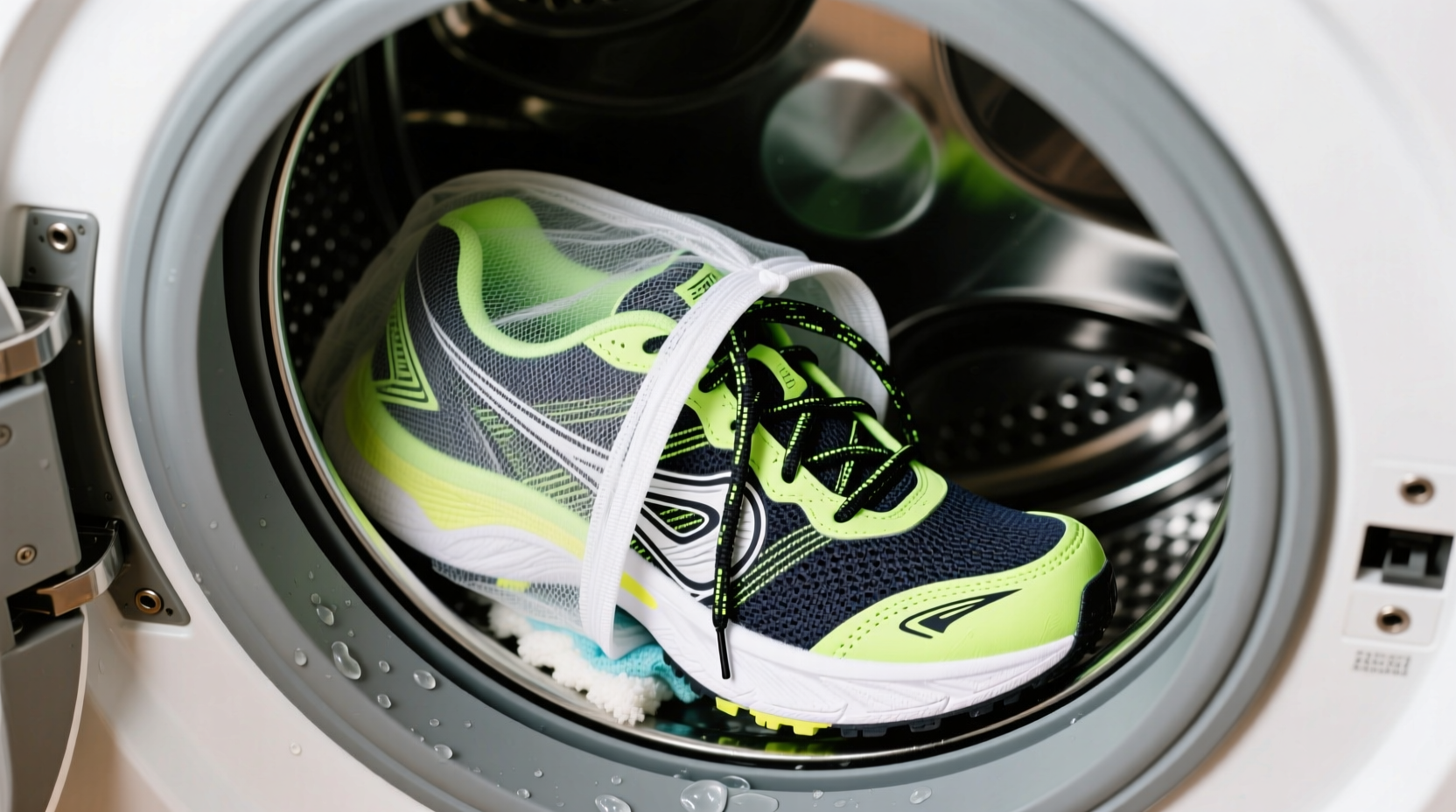
Not all running shoes are created equal. Modern performance footwear often combines lightweight mesh uppers, foam midsoles (like EVA or PU), rubber outsoles, and internal support structures. These materials react differently to water, agitation, and heat.
Machine washing is generally acceptable only for shoes made primarily of synthetic fabrics and mesh, with minimal structural adhesives or delicate components. Shoes designed for trail running or urban commuting, which tend to be sturdier and less reliant on precision engineering, are better candidates than racing flats or carbon-plated speedsters.
According to Dr. Lena Patel, sports podiatrist and footwear researcher at the Institute for Athletic Innovation:
“Occasional machine washing won’t ruin most running shoes if done gently, but repeated exposure to high agitation and heat accelerates material fatigue. Think of it like laundering athletic wear—possible, but not ideal every week.” — Dr. Lena Patel, Sports Podiatrist
The key is moderation and method. If your shoes smell strongly, appear stained, or have been exposed to mud or salt, a careful machine wash may be worth the risk—provided you follow best practices.
Step-by-Step Guide: How to Wash Running Shoes Safely in the Washing Machine
If you decide to proceed, this step-by-step process minimizes damage while maximizing cleaning effectiveness.
- Remove the laces and insoles. Wash laces separately by hand or in a mesh laundry bag. Insoles should never go in the washer; clean them with mild soap and air-dry.
- Brush off loose debris. Use a soft-bristle brush to remove dried mud, dirt, or gravel from the outsole and upper. This prevents clogging and reduces strain on both the shoes and the machine.
- Place shoes in a pillowcase or mesh laundry bag. This contains movement and reduces impact against the drum walls, protecting both the shoes and the machine.
- Use cold water and a gentle cycle. Select “Delicate” or “Hand Wash” mode with cold water only. Hot water can melt adhesives and deform foam midsoles.
- Add a small amount of mild detergent. Avoid bleach, fabric softeners, or strong detergents. A teaspoon of liquid laundry soap or specialized sneaker cleaner is sufficient.
- Nest two shoes together or balance the load. Place another item (like a towel) in the drum to prevent imbalance during spinning.
- Air dry thoroughly—never use a dryer. Remove shoes immediately after the cycle ends. Stuff them with paper towels or clean rags to maintain shape and absorb moisture. Keep them in a well-ventilated area away from direct sunlight or heaters.
Do’s and Don’ts of Washing Running Shoes
| Do’s | Don’ts |
|---|---|
| Use cold water and gentle cycle settings | Use hot water or heavy-duty cycles |
| Remove insoles and laces first | Leave insoles inside during washing |
| Place shoes in a pillowcase or mesh bag | Toss shoes loosely into the drum |
| Air dry at room temperature | Put shoes in the dryer or near a heater |
| Spot clean between deep cleans | Wash shoes weekly in the machine |
| Inspect shoes for glue separation post-wash | Ignore signs of structural damage |
This table underscores a critical principle: preservation over convenience. While machine washing offers speed, it should never replace regular maintenance habits that extend shoe life.
Alternatives to Machine Washing
For most runners, hand washing remains the safest and most effective method. It allows control over pressure, water temperature, and targeted cleaning. Here’s how to do it properly:
- Mix lukewarm water with a small amount of mild detergent in a basin.
- Dip a soft cloth or sponge and gently scrub the upper, focusing on stained areas.
- Use an old toothbrush for textured outsoles and hard-to-reach seams.
- Rinse with a damp cloth—do not submerge the entire shoe.
- Air dry as described previously.
For odor control, sprinkle baking soda inside overnight or use odor-neutralizing inserts. Cedar shoe trees also help absorb moisture and restore freshness without chemicals.
Specialized sneaker cleaning kits, including pH-balanced foams and microfiber brushes, offer professional-grade results without risking structural integrity. Brands like Jason Markk and Reshoevn8r are trusted by athletes and collectors alike for preserving performance and appearance.
Real Example: A Runner’s Experience with Machine Washing
Mark T., a recreational marathoner from Portland, Oregon, routinely logs 30–40 miles per week on mixed terrain. After six months of consistent training, his daily trainers—lightweight mesh-based shoes—developed a persistent odor despite regular wiping.
“I tried everything—baking soda, sprays, even freezing them,” he said. “Nothing worked. I finally checked the care label, which said ‘do not machine wash,’ but I was desperate. I used a pillowcase, cold water, no spin, and let them dry for two full days.”
The result? The smell disappeared, and the shoes looked noticeably cleaner. However, within three weeks, he noticed reduced responsiveness in the midsole. “They felt flatter, less springy. I don’t think they lasted as long afterward.”
His experience illustrates the trade-off: short-term cleanliness versus potential long-term degradation. While the immediate benefit was real, the hidden cost emerged later in performance decline.
Checklist: Preparing Your Running Shoes for Safe Cleaning
Before deciding whether to machine wash, run through this checklist to assess risk and readiness:
- ☐ Are the shoes made primarily of mesh or synthetic fabric?
- ☐ Do they lack carbon fiber plates or complex internal shanks?
- ☐ Have I removed the laces and insoles?
- ☐ Am I using a mesh bag or pillowcase for protection?
- ☐ Is my machine set to cold water and gentle cycle?
- ☐ Do I have a plan for air drying (e.g., stuffing with paper)?
- ☐ Am I prepared to inspect for damage post-wash?
If you answered “no” to any of the first two questions, reconsider machine washing. Carbon-plated racers, stability shoes with rigid heel counters, or models with bonded overlays are especially vulnerable to damage.
How Often Should You Clean Running Shoes?
Cleaning frequency depends on usage, environment, and personal hygiene. As a general rule:
- After every muddy or wet run: Wipe down with a damp cloth.
- Every 2–3 weeks: Perform a light hand clean if worn frequently.
- Every 1–2 months: Deep clean (hand or machine, cautiously).
- When odor persists: Treat insoles separately and deodorize the interior.
Overcleaning can be just as harmful as neglect. Excessive moisture exposure weakens glues and promotes microbial growth inside the shoe. The goal is balance: keep shoes fresh without compromising structure.
Frequently Asked Questions
Can I put running shoes in the dishwasher?
No. Dishwashers use high heat and harsh detergents that will almost certainly destroy adhesives, warp plastic components, and degrade foam. Even “gentle” dishwasher cycles are too aggressive for athletic footwear.
Will machine washing ruin the cushioning?
Possibly. Repeated exposure to agitation and moisture can compress or break down EVA and PU foams over time. While one wash may not cause visible damage, cumulative effects reduce energy return and comfort. Limit machine washing to emergencies only.
How long does it take for running shoes to dry after washing?
Air drying typically takes 24–48 hours, depending on humidity and airflow. Never wear damp shoes—they promote blisters and fungal growth. Replace stuffing materials periodically to maintain absorption efficiency.
Expert Insight: Why Care Matters Beyond Cleanliness
Dr. Arun Mehta, biomechanics specialist at the National Running Lab, emphasizes that shoe maintenance directly affects performance and injury risk:
“A degraded midsole doesn’t just feel flat—it alters your gait. Uneven cushioning or delaminated layers create imbalances that increase stress on joints. Proper care isn’t vanity; it’s injury prevention.” — Dr. Arun Mehta, Biomechanics Specialist
This perspective shifts the conversation from aesthetics to function. Keeping shoes in good condition isn’t about looking neat—it’s about maintaining consistent support and reducing the likelihood of overuse injuries like plantar fasciitis, shin splints, or knee pain.
Final Recommendations and Best Practices
So, is it okay to wash running shoes in the washing machine?
Yes—but sparingly, carefully, and only under specific conditions. Treat it as an occasional emergency measure, not a routine practice. For most runners, hand cleaning combined with preventive care delivers superior results with far less risk.
If you choose to machine wash, always prioritize cold water, low agitation, and thorough air drying. Inspect your shoes afterward for any signs of glue failure, sole separation, or loss of bounce. When in doubt, skip the machine.
Remember: running shoes are engineered tools, not disposable fashion items. They’re built to handle miles, not laundry cycles. Respect their design, and they’ll reward you with better performance and longevity.
💬 Have you tried washing your running shoes in the machine? Share your experience, tips, or lessons learned in the comments below—your insights could help fellow runners make smarter choices!








