
For women navigating their fourth decade and beyond, metabolism slows, energy levels fluctuate, and weight management becomes more complex. Intermittent fasting (IF) has emerged as a popular strategy for fat loss, metabolic health, and longevity. But is it equally effective—and safe—for women over 40? While some report renewed vitality and improved body composition, others experience disrupted sleep, irregular cycles, and increased stress. The answer isn’t binary. It depends on individual physiology, lifestyle, and how the practice is implemented.
This article examines the science behind intermittent fasting for midlife women, evaluates its potential benefits and risks, and offers practical guidance for making informed decisions based on real-world outcomes and clinical insight.
The Science of Fasting and Female Hormones After 40
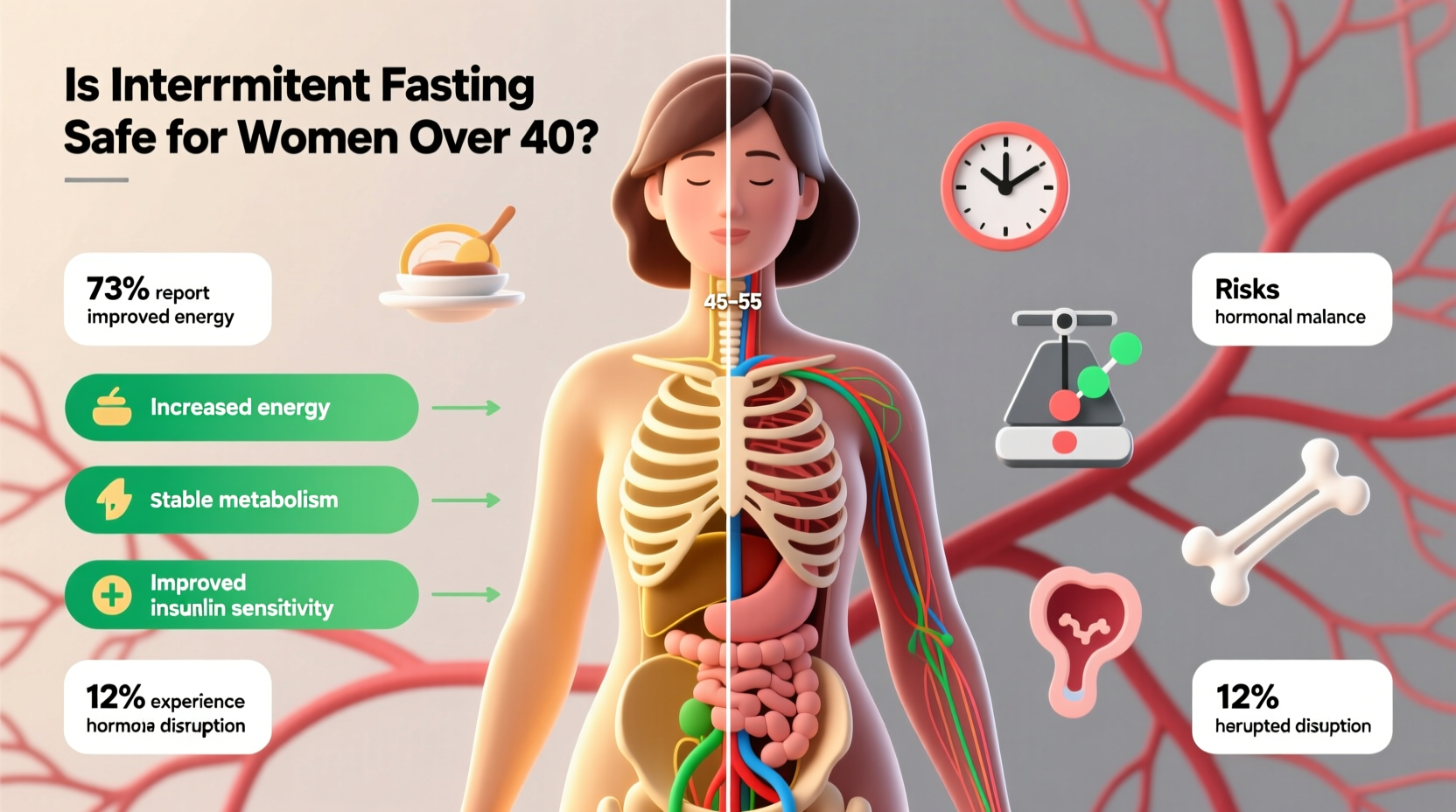
Women over 40 often face shifting hormonal landscapes due to perimenopause—a transitional phase that can begin in the late 30s and last up to a decade. Estrogen and progesterone levels become erratic, affecting insulin sensitivity, cortisol regulation, and thyroid function. These changes influence how the body responds to food timing and energy restriction.
Intermittent fasting typically involves cycling between periods of eating and fasting—common methods include 16:8 (16 hours fasted, 8-hour eating window), 5:2 (five days normal eating, two restricted-calorie days), or alternate-day fasting. In theory, fasting promotes fat oxidation, improves insulin sensitivity, and triggers autophagy—the cellular cleanup process linked to longevity.
However, studies suggest that women may not respond to prolonged fasting the same way men do. A 2005 study published in *Metabolism* found that after 22 days of alternate-day fasting, women showed worsened glucose response, while men experienced improvement. This indicates a sex-specific metabolic reaction, possibly tied to reproductive hormone signaling.
“Women’s bodies are wired to prioritize reproductive function. When energy availability drops too low or stress increases, the endocrine system may downregulate key processes—including ovulation and thyroid activity—to conserve resources.” — Dr. Sara Gottfried, MD, author of *The Hormone Cure*
Potential Benefits of Intermittent Fasting for Women Over 40
When practiced mindfully, intermittent fasting can offer meaningful advantages for this demographic:
- Improved insulin sensitivity: As insulin resistance rises with age, especially during perimenopause, time-restricted eating helps regulate blood sugar and reduce fat storage.
- Weight and belly fat reduction: Several trials show modest but consistent fat loss, particularly visceral fat, which is linked to heart disease and inflammation.
- Cellular repair and longevity: Fasting triggers autophagy, which may slow aging at the cellular level and support brain health.
- Mental clarity and reduced brain fog: Many women report sharper focus during fasting windows, likely due to stabilized blood sugar and ketone production.
- Simplified eating patterns: For busy professionals or caregivers, limiting meals to a defined window can reduce decision fatigue and emotional eating.
Risks and Warning Signs for Midlife Women
Despite its popularity, intermittent fasting isn't risk-free for women over 40. Hormonal fluctuations make this group more vulnerable to adverse effects when fasting is too aggressive or poorly timed.
Common red flags include:
- Irregular or absent menstrual cycles
- Increased anxiety, irritability, or insomnia
- Chronic fatigue despite adequate sleep
- Worsening hair thinning or skin dryness
- Elevated morning cortisol (measured via saliva test)
- Thyroid dysfunction (e.g., rising TSH, low free T3)
These symptoms often stem from what experts call “energy deficiency”—when calorie intake or eating frequency falls below what the body needs to maintain hormonal equilibrium. The hypothalamus, which regulates both appetite and reproduction, interprets prolonged fasting as a signal of famine, potentially suppressing GnRH (gonadotropin-releasing hormone) and disrupting the entire endocrine cascade.
Additionally, many women over 40 already manage high stress loads—career pressure, family responsibilities, caregiving. Adding caloric restriction or long fasting windows can amplify cortisol output, counteracting any metabolic benefit and increasing abdominal fat storage.
Safe Implementation: A Step-by-Step Guide
Intermittent fasting doesn’t have to be all-or-nothing. With strategic adjustments, women over 40 can harness its benefits while minimizing hormonal disruption.
- Assess your current health status. If you have a history of disordered eating, adrenal fatigue, hypothyroidism, or irregular cycles, consult a functional medicine practitioner before starting.
- Begin conservatively. Try a 12:12 schedule (12 hours fasting, 12 hours eating) for one week. For example, finish dinner by 7 PM and eat breakfast at 7 AM.
- Monitor your body’s signals. Track sleep quality, mood, energy, digestion, and cycle regularity. Use a journal or app to note changes weekly.
- Avoid fasting on high-stress days. Skip extended fasts during travel, work deadlines, or emotional strain. Your body needs stability, not added stress.
- Optimize nutrition during eating windows. Prioritize protein (at least 25–30g per meal), healthy fats (avocado, olive oil, nuts), fiber-rich vegetables, and complex carbs (sweet potatoes, quinoa).
- Stay hydrated and mineral-balanced. Add a pinch of sea salt to water during fasting hours to support electrolyte balance and reduce headaches or dizziness.
- Limit fasting duration. For most women over 40, fasting beyond 14 hours is unnecessary and potentially harmful. Stick to 12–14 hour fasts, 3–5 days per week.
What Works vs. What Doesn’t: A Practical Comparison
| Approach | Recommended? | Why |
|---|---|---|
| 16:8 fasting daily | No (for most) | May disrupt cortisol rhythm and suppress estrogen in sensitive individuals; better suited for younger, metabolically resilient women. |
| 14:10 fasting, 4–5 days/week | Yes | Balances metabolic benefits with hormonal safety; allows recovery days. |
| 5:2 diet (very low calories twice weekly) | Cautiously | Can spike cortisol; only consider if well-nourished and not in active perimenopause. |
| One meal a day (OMAD) | No | High risk of nutrient deficiency, muscle loss, and hormonal shutdown in midlife women. |
| Time-restricted eating aligned with circadian rhythm (e.g., 8 AM–6 PM) | Yes | Supports natural cortisol decline and melatonin rise; improves sleep and digestion. |
Real-Life Example: A Case Study in Balanced Fasting
Linda, 47, had gained 18 pounds over three years despite consistent exercise and clean eating. Her doctor noted mildly elevated insulin and cholesterol. She began a 16:8 fasting regimen, skipping breakfast and eating from noon to 8 PM. Within two weeks, she felt anxious by mid-morning, struggled to fall asleep, and missed her period.
After consulting a hormone specialist, Linda adjusted her approach. She switched to a 13:11 fast (7 PM to 8 AM), ate a protein-rich breakfast within an hour of waking, and stopped eating by 7 PM. She also added magnesium and B-complex supplements. Over the next ten weeks, she lost 10 pounds, regained regular cycles, and reported better energy and mood.
Her success wasn’t from longer fasting—but from syncing her eating window with her circadian biology and ensuring adequate fuel during active hours.
Actionable Checklist: Is IF Right for You?
Before starting or continuing intermittent fasting, use this checklist to assess suitability:
- ✅ I eat balanced meals with sufficient protein and healthy fats.
- ✅ My sleep is consistent (7–8 hours per night).
- ✅ My menstrual cycle (if applicable) is regular or stable.
- ✅ I’m not under extreme physical or emotional stress.
- ✅ I listen to hunger cues and don’t ignore strong hunger signals.
- ✅ I avoid intense workouts during fasting periods.
- ✅ I stop fasting if I experience fatigue, hair loss, or mood swings.
If more than two items are unchecked, intermittent fasting may not be appropriate—at least not yet.
Frequently Asked Questions
Can intermittent fasting cause early menopause?
No direct evidence links IF to early menopause. However, chronic energy deficit and high cortisol can accelerate hormonal decline or worsen perimenopausal symptoms. Fasting should not compromise overall energy balance.
Should I fast during perimenopause?
It depends. Mild time-restricted eating (12–13 hours) may help with weight management. But aggressive fasting can exacerbate hot flashes, insomnia, and mood swings. Monitor your response closely and adjust accordingly.
What’s the best fasting window for women over 40?
An early eating window—such as 8 AM to 6 PM—aligns best with circadian rhythms and supports metabolic health. Avoid late-night eating and aim to finish meals at least 2–3 hours before bed.
Conclusion: A Personalized Approach Wins
Intermittent fasting isn’t inherently good or bad for women over 40—it’s a tool that must be used wisely. For some, it brings clarity, fat loss, and improved markers of health. For others, it triggers hormonal chaos and burnout. The difference lies in personalization, pacing, and physiological awareness.
The goal isn’t to conform to a trendy protocol but to support long-term vitality. That means honoring your body’s changing needs, prioritizing nourishment over restriction, and recognizing that sustainable health isn’t measured in fasting hours—but in energy, resilience, and well-being.
💬 Have you tried intermittent fasting after 40? What worked—or didn’t? Share your experience in the comments to help others navigate this journey with confidence.








