Farmed fish now accounts for over half of all seafood consumed globally, a shift driven by rising demand and declining wild fish stocks. While aquaculture offers a solution to food security, it’s not without controversy. Concerns about environmental impact, fish health, antibiotic use, and nutritional quality have led many consumers to question: is farmed fish bad? The answer isn’t black and white—it depends on species, farming practices, and location. Understanding the potential downsides allows you to make informed decisions that support both personal health and planetary well-being.
Environmental Impact of Fish Farming
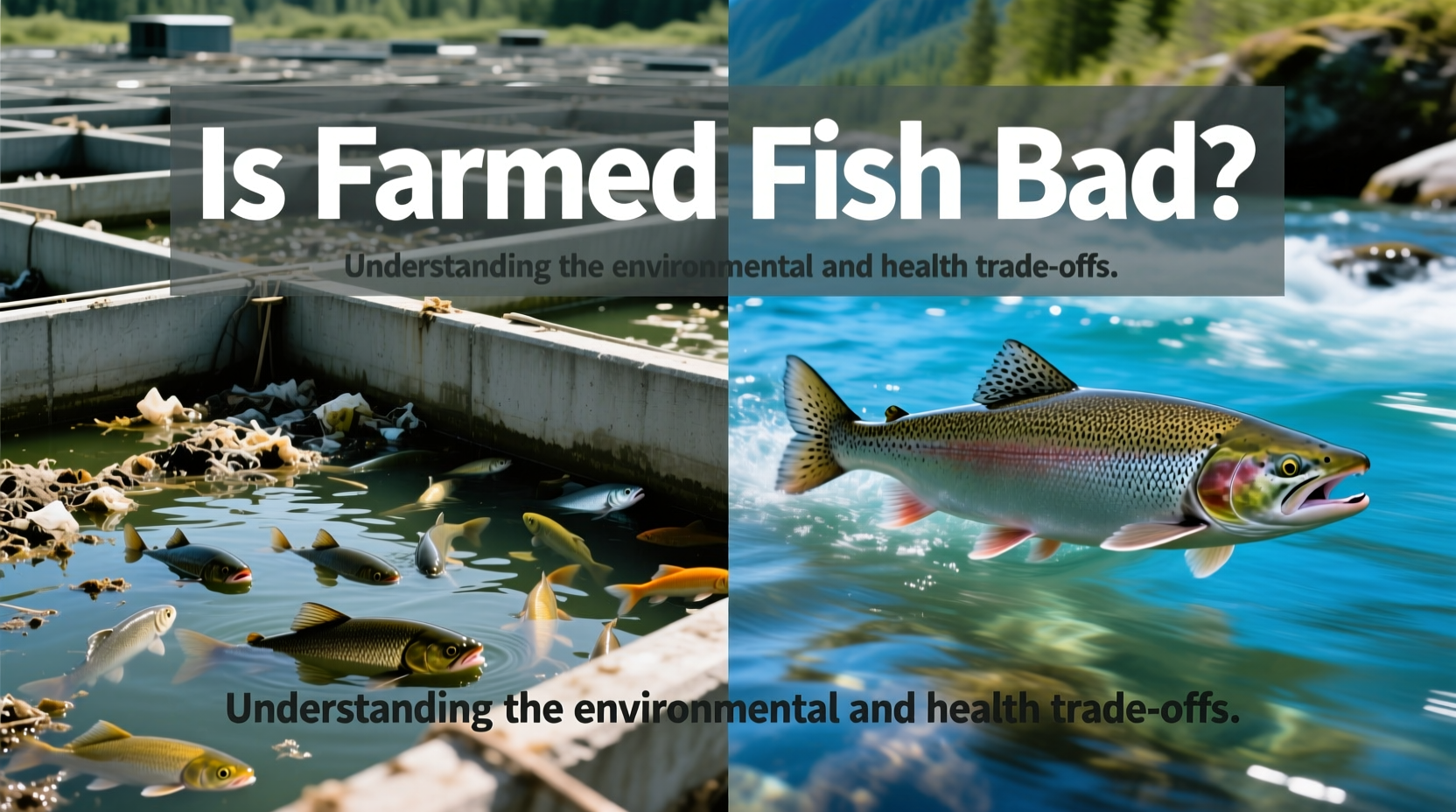
Aquaculture can place significant stress on ecosystems, especially when poorly managed. One of the most pressing concerns is water pollution. Fish farms generate large amounts of waste—uneaten feed, feces, and chemicals—that accumulate beneath net pens, degrading seabeds and promoting harmful algal blooms. These conditions can suffocate marine life and create dead zones where oxygen levels are too low to sustain organisms.
Another issue is the escape of farmed fish into wild populations. Atlantic salmon, commonly farmed in open-net pens, frequently escape due to storms or equipment failure. When they interbreed with wild salmon, genetic diversity weakens, reducing the resilience of native stocks. Escaped fish may also introduce diseases or parasites to which wild populations have no immunity.
Tip: Look for closed-containment or recirculating aquaculture systems (RAS), which minimize pollution and prevent escapes by keeping fish inland or in fully enclosed tanks.Feed Sustainability and the Fish-In, Fish-Out Ratio
Farmed carnivorous fish like salmon and tuna require diets high in protein and omega-3 fatty acids, often sourced from wild-caught forage fish such as anchovies and sardines. This creates a dependency on wild fisheries, undermining the sustainability argument for aquaculture.
The Fish-In, Fish-Out (FIFO) ratio measures how many pounds of wild fish are needed to produce one pound of farmed fish. Historically, salmon farming had a FIFO ratio as high as 5:1. Advances in feed formulation have reduced this to around 1:1 for some operations, thanks to plant-based proteins and lab-grown oils. However, reliance on marine ingredients remains a concern, particularly in regions with lax regulations.
“Even with improved feeds, we must ask whether converting wild fish into premium farmed seafood is an efficient use of ocean resources.” — Dr. Rebecca Altman, Marine Ecologist at the Ocean Policy Institute
Health and Nutritional Concerns
Consumers often choose fish for its health benefits—rich in lean protein and heart-healthy omega-3s. But farmed fish can differ significantly from their wild counterparts in nutritional profile.
Farmed salmon, for example, typically contains more total fat and calories than wild salmon due to controlled feeding and limited movement. While it still provides omega-3s, the ratio of omega-6 to omega-3 fatty acids is higher in farmed fish, which may contribute to inflammation if consumed excessively.
Additionally, pigments like astaxanthin are often added to feed to give farmed salmon its pink hue—without these additives, the flesh would be grayish. While synthetic astaxanthin is generally considered safe, it underscores how farmed fish are biologically and chemically manipulated to meet consumer expectations.
Antibiotic Use and Chemical Residues
In crowded farm conditions, disease spreads rapidly. To prevent outbreaks, some producers routinely administer antibiotics, even in the absence of illness. This practice contributes to the global crisis of antibiotic resistance, making bacterial infections harder to treat in humans.
Parasites like sea lice are common in salmon farms, prompting the use of pesticides such as emamectin benzoate. Residues from these chemicals can persist in fish tissue and leach into surrounding waters, harming non-target species like shrimp and crabs.
Countries vary widely in regulation. Norway and Canada have tightened controls on chemical use, while other regions lack transparency and oversight. Without labeling standards, consumers cannot easily identify where or how their fish was raised.
Ethical and Social Considerations
Beyond environmental and health issues, fish farming raises ethical questions about animal welfare. Farmed fish are often kept in high densities, leading to stress, aggression, and physical deformities. Limited space restricts natural behaviors like schooling and migration, raising concerns among animal rights advocates.
Moreover, large-scale aquaculture can displace local communities and small-scale fishers. In countries like Chile and Vietnam, rapid expansion of shrimp and salmon farms has led to conflicts over coastal access, water rights, and pollution affecting traditional livelihoods.
Case Study: The Chilean Salmon Industry
In the early 2000s, Chile became the world’s second-largest producer of farmed salmon. But explosive growth came at a cost. In 2007, an outbreak of Infectious Salmon Anemia (ISA) virus devastated farms, leading to mass culling and economic collapse. Overuse of antibiotics failed to contain the spread, revealing systemic vulnerabilities in the industry.
The crisis prompted reforms, including fallowing periods between harvests and stricter biosecurity. Yet pollution and sea lice remain persistent problems. Communities in southern Chile report declining water quality and disrupted fisheries, illustrating how unchecked aquaculture can harm both ecosystems and human populations.
How to Make Smarter Seafood Choices
You don’t need to avoid farmed fish entirely—but being selective matters. Not all aquaculture is equal. Some operations prioritize sustainability, transparency, and animal welfare. Here’s how to navigate the options.
Checklist: Choosing Responsible Farmed Fish
- Look for certifications: Choose fish labeled with ASC (Aquaculture Stewardship Council) or BAP (Best Aquaculture Practices).
- Prefer closed systems: Opt for fish raised in land-based RAS or contained ponds to reduce environmental risk.
- Know the species: Some farmed fish are better than others (e.g., barramundi, rainbow trout, and Arctic char tend to be more sustainable).
- Avoid high-risk imports: Be cautious with shrimp and salmon from regions with poor oversight.
- Ask questions: At restaurants or markets, inquire about the origin and farming method.
Comparison Table: Farmed vs. Wild vs. Best-Practice Farmed
| Factor | Conventional Farmed | Wild-Caught | Best-Practice Farmed |
|---|---|---|---|
| Nutrition | Higher fat, lower omega-3 ratio | Leaner, higher omega-3s | Improved feed = balanced nutrition |
| Environmental Impact | High (pollution, escapes) | Moderate (bycatch, overfishing) | Low (closed systems, sustainable feed) |
| Antibiotic Use | Frequent | Rare | Minimal or none |
| Availability & Cost | High, affordable | Seasonal, often expensive | Moderate, improving |
| Traceability | Limited | Variable | High (certified sources) |
Frequently Asked Questions
Is farmed salmon safe to eat?
Yes, farmed salmon from regulated regions like Norway, Canada, or the U.S. is generally safe. It undergoes testing for contaminants and drug residues. However, choosing certified products reduces exposure to pollutants and supports better farming practices.
What’s the difference between organic and conventional farmed fish?
\"Organic\" labeling varies by country. In the EU, organic salmon must be fed sustainable diets with limited antibiotics and lower stocking densities. In the U.S., there is no federal organic standard for seafood, so labels may be misleading. Always check the certifying body.
Can aquaculture ever be truly sustainable?
Yes—innovations in feed (like algae-based omega-3s), closed-loop systems, and integrated multi-trophic aquaculture (IMTA), where waste from one species feeds another (e.g., mussels filtering nutrients from fish effluent), show promise. Sustainability depends on technology, regulation, and consumer demand for ethical options.
Conclusion: Making Informed Choices for Health and Planet
Farmed fish isn’t inherently bad—but much of today’s aquaculture operates with outdated practices that harm ecosystems, compromise health, and raise ethical dilemmas. The good news is that change is possible. As consumers, your choices shape the market. By supporting transparent, certified, and innovative farms, you encourage a shift toward responsible seafood production.
Start small: swap conventional farmed salmon for ASC-certified or try lesser-known but sustainable species like steelhead trout or kampachi. Ask questions, read labels, and stay informed. Sustainable eating isn’t about perfection—it’s about progress. Every mindful decision helps build a healthier ocean and a safer food system.
💬 What’s your go-to source for sustainable seafood? Share your favorite brands or tips in the comments and help others make better choices.








