
Festival camping blends music, community, and outdoor adventure—but staying powered up can be a challenge. As smartphones, cameras, drones, and even mini-fridges become standard gear, the demand for reliable off-grid electricity grows. Enter the portable power station: a silent, emissions-free battery pack capable of running everything from phone chargers to electric kettles. But with prices ranging from $200 to over $2,000, many campers wonder: is investing in one truly worth it?
The answer depends on your camping style, tech reliance, and festival environment. For some, a small solar-charged unit is a game-changer; for others, it’s an unnecessary burden. This guide breaks down the practical realities, cost-benefit tradeoffs, and real-use scenarios to help you decide if a portable power station belongs in your festival gear lineup.
Understanding Portable Power Stations
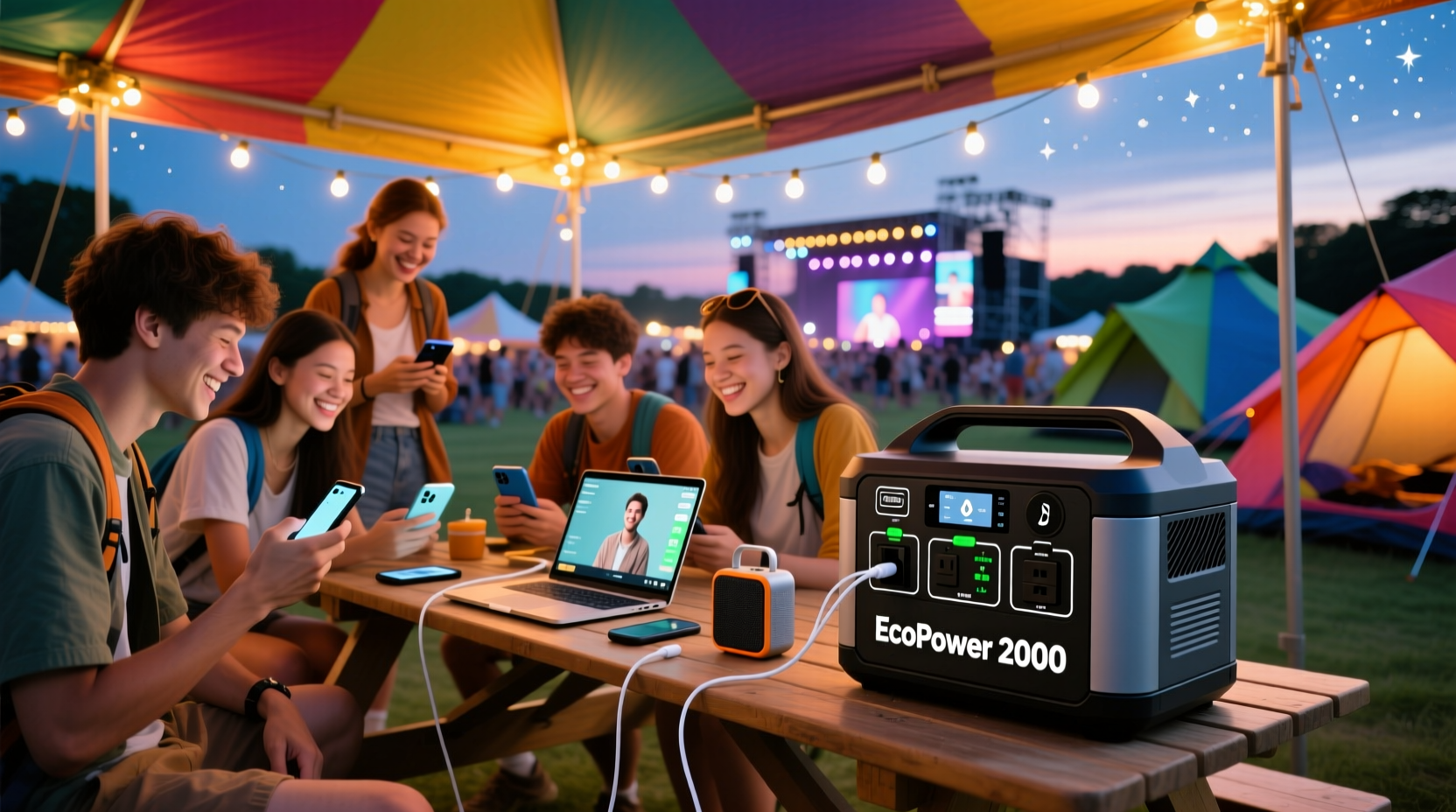
A portable power station is a rechargeable lithium-ion (or sometimes LiFePO4) battery with built-in inverters that convert DC to AC power. Unlike gas generators, they operate silently, require no fuel, and are safe to use indoors or in tents. Most models offer multiple output options: AC outlets, USB-A and USB-C ports, 12V carports, and even wireless charging pads.
Capacity is measured in watt-hours (Wh), which indicates how much energy the unit stores. A 300Wh station might charge a smartphone 50 times or run a small fan for 10 hours. Higher-wattage inverters (measured in watts) determine what devices you can power simultaneously. For example, a 1000W inverter can handle a mini-fridge, while a 300W unit may only support lights and phone charging.
These units can be recharged via wall outlet, car charger, or solar panels—making them ideal for off-grid festivals where electrical hookups are nonexistent.
Tip: Choose a model with pass-through charging so you can recharge the station while still powering devices.When a Portable Power Station Makes Sense
Not every festival camper needs a power station, but certain situations make it not just useful—but essential.
- Digital creators: Photographers, vloggers, and influencers rely on charged batteries for cameras, drones, and editing devices. Running out of power mid-festival means missed content and lost income.
- Luxury campers (\"glampers\"): Those using electric air pumps, CPAP machines, string lights, or portable fridges benefit greatly from consistent power access.
- Long-duration events: Festivals lasting four days or more without access to charging stations make self-sufficiency critical.
- Cold weather camping: Devices like heated blankets or hand warmers drain batteries quickly. A power station extends comfort and safety.
- Group camping: Sharing power across multiple people reduces individual device anxiety and fosters communal convenience.
“On-site power access at major festivals is often limited or unreliable. A portable station gives you control over your energy needs.” — Jordan Lee, Outdoor Tech Specialist and Festival Gear Consultant
Cost vs. Value: Breaking Down the Investment
Entry-level power stations start around $200 (e.g., Jackery Explorer 240), while premium models like the EcoFlow Delta 2 ($1,200+) offer higher capacity, faster charging, and smart features. Solar panels add another $200–$500 depending on wattage.
To assess value, consider the alternative: paying for charging lockers at festivals, which typically charge $10–$20 per full phone charge. Over a long weekend, that could total $60+ per person. For a group of four, that’s $240—more than the cost of a basic power station. Factor in convenience, time saved waiting in lines, and peace of mind, and the investment starts to justify itself after just one or two uses.
Additionally, these units serve beyond festivals. They’re useful during blackouts, road trips, tailgating, or as emergency backup at home. This multi-use versatility increases their long-term value.
Power Station Comparison Table
| Model | Capacity (Wh) | Inverter (W) | Solar Input (Max) | Weight | Price Range |
|---|---|---|---|---|---|
| Jackery Explorer 240 | 240 | 300 | 60W | 5.5 lbs | $200–$250 |
| Bluetti EB3A | 268 | 600 | 200W | 6.6 lbs | $300–$350 |
| EcoFlow River 2 Pro | 768 | 720 | 400W | 17.6 lbs | $700–$800 |
| Goal Zero Yeti 1000X | 1045 | 1000 | 250W | 23.5 lbs | $1,100–$1,300 |
| EcoFlow Delta 2 | 1024 | 1800 | 700W | 46.3 lbs | $1,200–$1,400 |
As shown, capacity and performance scale with price and weight. For most festival-goers, a unit between 250–800Wh offers the best balance of portability and utility.
Real-World Use Case: Glastonbury Festival Camper
Sophie, a photographer attending Glastonbury for five days, brought her DSLR, drone, laptop, and smartphone—all requiring frequent charging. Previous years, she relied on festival charging tents, often waiting over an hour for a 30% phone boost. In 2023, she invested in a Bluetti EB3A (268Wh).
She pre-charged it at home and brought a 100W foldable solar panel. Each morning, she set the panel on her tent’s sun-facing side. Despite mixed weather, the panel replenished about 60–70% of the battery daily. She powered her camera battery charger, phone, and LED lantern each night. By day three, she’d fully recharged her laptop once and topped off her drone twice.
By the end of the festival, she hadn’t queued for power once. The initial $350 investment paid for itself in time saved and stress avoided. “It was the first year I didn’t panic about my phone dying,” she said. “I even helped two friends charge their devices. Totally worth it.”
Step-by-Step Guide: Choosing & Using a Power Station at Festivals
Follow this timeline to ensure you get the right unit and use it effectively:
- 6 Weeks Before the Festival: Assess your power needs. List all devices, their wattage, and estimated usage. Example: Phone (10Wh), Camera Charger (20Wh), LED Light (5Wh). Total daily need: ~100Wh.
- 5 Weeks Out: Research models within your budget and capacity range. Prioritize lightweight, solar-compatible units with enough output ports.
- 4 Weeks Out: Purchase the power station and, if needed, a compatible solar panel. Test both at home—charge the unit, power your devices, and try solar recharging.
- 1 Week Before: Fully charge the station via wall outlet. Pack it in a protective case. Include necessary cables and adapters.
- Festival Day 1: Set up the solar panel early in a sunny spot. Avoid shading from tents or trees. Monitor input levels via the unit’s display or app (if available).
- Daily Routine: Recharge overnight if possible (via car or campsite outlet, if allowed). During the day, let solar top it up. Limit high-draw devices unless necessary.
- Last Day: Fully recharge if possible. Store in a cool, dry place post-event for future use.
Common Pitfalls and How to Avoid Them
Even experienced campers make mistakes when using power stations. Awareness helps prevent frustration.
- Overestimating solar input: Cloudy days reduce solar efficiency by 50–90%. Always have a backup charging plan.
- Ignoring weight: Units over 20 lbs become burdensome when trekking through muddy fields. Prioritize portability.
- Underestimating power draw: Small appliances like electric kettles (1000W+) can overload lower-capacity stations. Check device wattage before plugging in.
- Poor placement of solar panels: Panels work best at a 30–45° angle facing true south (in the northern hemisphere). Laying them flat on wet grass drastically reduces efficiency.
- Leaving it unattended: Theft is a risk. Never leave your station outside your tent. Use lockable storage if possible.
Do’s and Don’ts at a Glance
| Do | Don't |
|---|---|
| Use a solar cover to protect panels from rain | Expose the unit to direct rain or submerge it |
| Charge devices during peak sunlight to optimize solar input | Run high-wattage appliances continuously |
| Label cables to avoid confusion | Use non-certified third-party solar panels |
| Keep firmware updated (for smart models) | Leave the station fully drained for long periods |
| Share power responsibly with friends | Advertise your setup loudly—draws unwanted attention |
FAQ: Your Top Questions Answered
Can I bring a portable power station to any festival?
Most festivals allow them, but policies vary. Some ban units over a certain capacity (e.g., 1kWh) due to fire safety concerns. Always check the event’s official gear list or contact organizers directly. Units under 1kWh with UL/CE certification are generally permitted.
How long does a power station last at a festival?
Depends on capacity and usage. A 500Wh unit might last 2–3 full days with moderate use (phone charging, lights, camera). Heavy use (fridge, kettle) may deplete it in less than a day. Solar can extend runtime, but not always fully replenish it.
Are solar panels worth it for festivals?
Yes—if you’ll be there 3+ days and expect decent sunlight. Even partial solar input reduces reliance on wall charging. Compact, foldable panels (100–200W) are ideal for backpacking and quick setup.
Final Checklist Before You Buy
Use this checklist to ensure you choose the right power station for festival use:
- ✅ Determine your total daily power needs in watt-hours
- ✅ Select a capacity that exceeds your needs by 30–50%
- ✅ Confirm compatibility with solar panels (input voltage/wattage)
- ✅ Check weight and portability—ideally under 15 lbs
- ✅ Verify number and type of output ports match your devices
- ✅ Ensure it supports pass-through charging
- ✅ Research brand reliability and warranty (minimum 2 years)
- ✅ Test the unit at home before the trip
- ✅ Pack a protective case and moisture-resistant cover
- ✅ Plan for secure storage during the festival
Conclusion: Is It Worth It?
For the casual camper who only needs occasional phone top-ups, a high-capacity power bank may suffice. But for anyone relying on multiple devices, seeking comfort, or creating content, a portable power station is more than worth it—it’s transformative.
The freedom to stay connected, capture moments, and maintain personal comfort without hunting for outlets elevates the entire festival experience. While the upfront cost may seem steep, the long-term utility across camping trips, emergencies, and travel ensures it rarely sits idle.
If you’ve ever missed a photo op because your drone died, or spent hours in a charging queue instead of seeing your favorite band, the answer is clear. A portable power station isn’t just a gadget—it’s a strategic upgrade to your festival lifestyle.
💬 Ready to power your next adventure? Evaluate your needs, pick a model that fits your load and lifestyle, and take control of your energy. Share your festival power tips in the comments below!








