
Maintaining optimal indoor humidity levels can significantly influence how well you sleep. As dry winter air or overly air-conditioned environments sap moisture from the air, many people turn to humidifiers for relief. But is it safe—or even beneficial—to run one all night? The answer depends on several factors: your climate, health conditions, and the type of humidifier you use. This article explores the science behind nighttime humidification, evaluates its impact on sleep quality, and offers practical guidance for using these devices effectively.
The Link Between Humidity and Sleep Quality
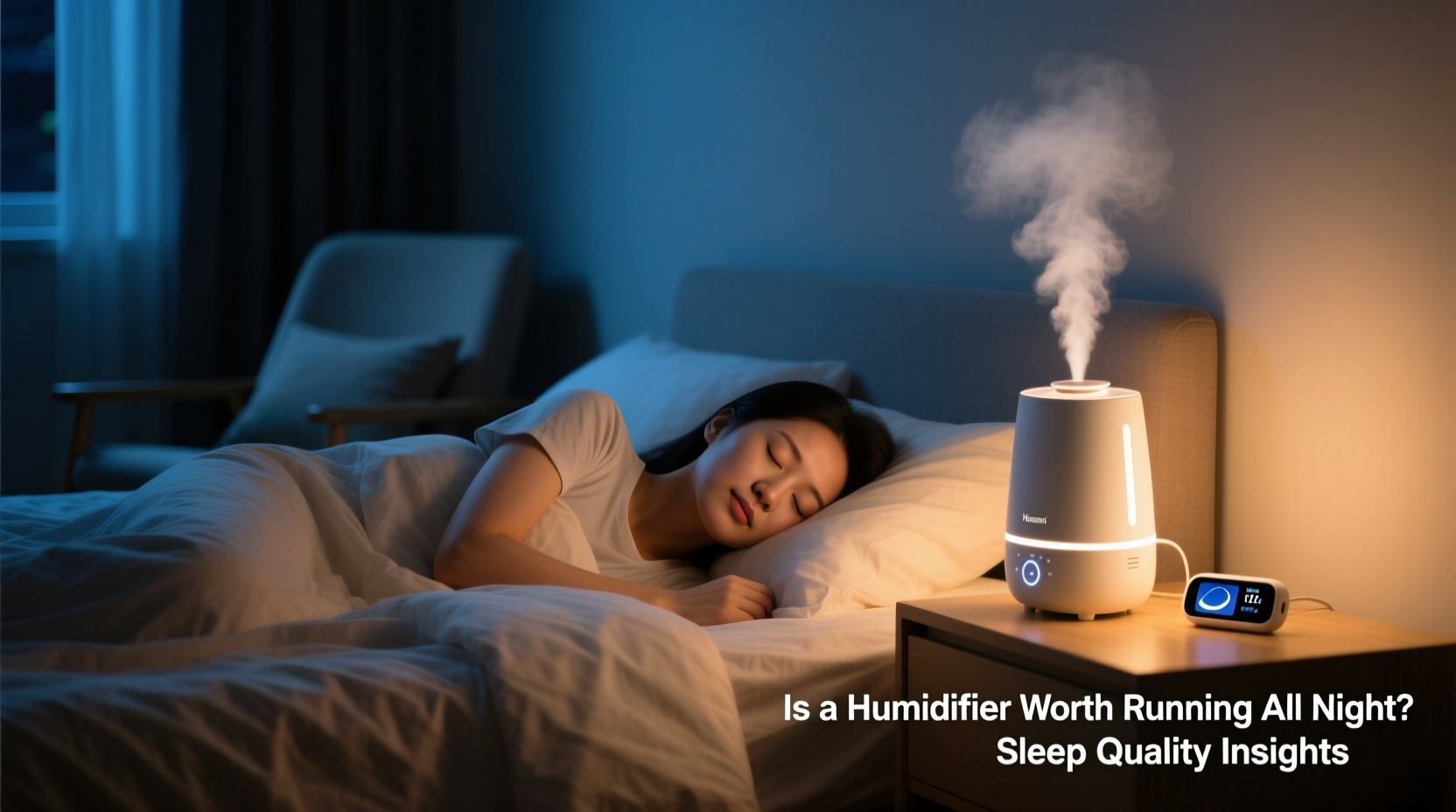
Humidity refers to the amount of water vapor in the air. Indoor relative humidity ideally ranges between 30% and 50%. When levels drop below this threshold—common during winter months or in arid climates—your nasal passages, throat, and skin can become dry, leading to irritation and disrupted sleep.
Research supports the idea that proper humidity enhances respiratory comfort. A study published in the journal *Sleep* found that participants exposed to dry air reported more frequent awakenings and reduced perceived sleep quality. Conversely, maintaining balanced humidity helps keep mucous membranes moist, which supports easier breathing and may reduce snoring and congestion.
Nasal dryness can also trigger micro-awakenings—brief moments of arousal that don’t fully wake you but disrupt sleep cycles. By preventing this irritation, a humidifier may help sustain deeper stages of sleep, particularly slow-wave and REM phases, both critical for cognitive restoration and emotional regulation.
Tip: Use a hygrometer to monitor room humidity. Aim to maintain levels between 30% and 50% for optimal comfort and health.Benefits of Running a Humidifier All Night
When used correctly, an all-night humidifier can offer several advantages:
- Improved breathing: Moist air reduces nasal congestion and soothes irritated airways, especially helpful for those with allergies, colds, or mild asthma.
- Reduced snoring: Dry air can exacerbate snoring by drying out soft tissues in the throat. Adding moisture may lessen vibration and improve airflow.
- Better skin hydration: Overnight humidification helps prevent dry, flaky skin and chapped lips, particularly in heated bedrooms during winter.
- Less static electricity: Low humidity increases static buildup, which can be annoying and disruptive. Balanced moisture minimizes this effect.
- Support for vocal cords: For singers or frequent speakers, waking up with a scratchy throat is common in dry rooms. Humidified air helps preserve vocal health.
For individuals living in high-altitude or desert regions, where ambient humidity often falls below 20%, continuous humidification becomes not just beneficial but necessary for baseline comfort.
“Maintaining proper humidity at night can be as important as temperature control when optimizing the sleep environment.” — Dr. Rebecca Hasler, Sleep Medicine Specialist, Harvard Medical School
Potential Risks and Drawbacks
While humidifiers offer clear benefits, leaving them on all night without oversight carries risks—especially if maintenance is neglected.
The most significant concern is microbial growth. Standing water in tanks, especially warm mist models, can breed bacteria, mold, and fungi. If dispersed into the air, these contaminants may trigger allergic reactions, worsen asthma symptoms, or cause \"humidifier lung\"—a rare but serious condition linked to inhaling contaminated mist.
Over-humidification is another issue. Exceeding 60% relative humidity encourages dust mites and mold growth on surfaces like walls, bedding, and curtains. It can also create a clammy, uncomfortable sleeping environment that interferes with thermal regulation—a key factor in restful sleep.
Additionally, ultrasonic humidifiers, though quiet and efficient, release fine mineral particles (white dust) if tap water is used. These particles can settle on furniture and, when inhaled, potentially irritate sensitive lungs.
Common Mistakes to Avoid
| Mistake | Why It’s Harmful | Solution |
|---|---|---|
| Using tap water in ultrasonic models | Minerals create airborne white dust | Use distilled or demineralized water |
| Skipping daily cleaning | Leads to bacterial and mold buildup | Clean tank daily with vinegar or manufacturer-recommended solution |
| Running above 50% humidity | Promotes mold and dust mites | Pair humidifier with a hygrometer; set auto-shutoff or humidistat |
| Placing unit too close to bed | Direct mist may dampen bedding or irritate airways | Position at least 3 feet away and elevated |
Choosing the Right Humidifier for Nightly Use
Not all humidifiers are suited for extended operation. Consider these features when selecting a model for overnight use:
- Humidistat integration: Units with built-in hygrometers automatically adjust output based on room humidity, preventing overuse.
- Auto shut-off: Ensures safety when the water tank runs dry, allowing worry-free operation through the night.
- Tank capacity: Larger tanks (1–2 liters) reduce the need for refilling and support uninterrupted use.
- Noise level: Cool mist evaporative models tend to be noisier than ultrasonic types. For light sleepers, opt for models under 30 decibels.
- Ease of cleaning: Wide openings and minimal internal crevices make regular maintenance more manageable.
Cool mist humidifiers are generally safer for children and pets, while warm mist models provide a slight warming effect and naturally inhibit some microbial growth due to boiling water. However, they consume more energy and pose a burn risk if knocked over.
Tip: Look for models with antimicrobial treatment in the tank or filter to reduce biological contamination.Step-by-Step Guide to Safe All-Night Operation
To maximize benefits and minimize risks, follow this nightly routine:
- Check humidity levels: Use a standalone hygrometer to measure current room humidity before bedtime.
- Fill with clean water: Use distilled or demineralized water, especially in ultrasonic models.
- Clean the tank (daily): Rinse thoroughly and wipe with white vinegar or a 3% hydrogen peroxide solution every 24 hours.
- Set appropriate output: Start on low or medium setting. Adjust based on comfort and humidity readings.
- Position wisely: Place the unit on a flat, elevated surface at least three feet from your bed and away from electronics.
- Monitor morning symptoms: If you wake with congestion, coughing, or stuffiness unrelated to illness, reassess usage or cleanliness.
- Weekly deep clean: Disassemble and soak all removable parts in a vinegar-water mix. Replace filters as recommended.
Real-Life Example: Sarah’s Winter Sleep Struggles
Sarah, a 34-year-old teacher in Denver, struggled with dry sinuses and frequent nighttime awakenings during winter. Her bedroom, heated by forced air, often measured below 25% humidity. After consulting her allergist, she purchased a cool mist humidifier with a built-in humidistat.
She began using it nightly, filling it with distilled water and cleaning it every morning. Within a week, she noticed fewer throat irritations and less nasal congestion. Her sleep tracker showed a 15% increase in deep sleep duration. Most importantly, she no longer woke up with a parched mouth. By integrating the humidifier into her sleep hygiene routine—and monitoring humidity—Sarah achieved more consistent, restorative rest throughout the season.
Frequently Asked Questions
Can running a humidifier all night make me sick?
If the unit is poorly maintained, yes. Unclean humidifiers can disperse mold, bacteria, or mineral dust into the air, potentially causing respiratory irritation or allergic reactions. Regular cleaning and using distilled water greatly reduce this risk.
Should I use a humidifier every night?
Only if needed. Monitor your environment: if indoor humidity consistently falls below 30%, especially in winter, nightly use is justified. In humid seasons or climates, it may be unnecessary or even counterproductive.
Do doctors recommend sleeping with a humidifier?
Many pulmonologists and sleep specialists endorse humidifiers for patients with dry airway symptoms, chronic sinusitis, or mild obstructive sleep issues—provided the device is clean and properly regulated. The American Academy of Otolaryngology notes that humidified air can ease symptoms of upper respiratory tract irritation.
Final Thoughts and Recommendations
A humidifier can be a valuable addition to your bedroom—if used wisely. For many, running it all night leads to smoother breathing, better skin hydration, and fewer sleep disruptions caused by dry air. However, the key lies in balance: maintaining humidity between 30% and 50%, using clean water, and adhering to a strict cleaning schedule.
Automated features like humidistats and auto shut-off enhance safety and convenience, making modern units more suitable for unattended use. Pairing your humidifier with other sleep-supportive habits—such as keeping a cool room temperature, minimizing blue light exposure, and following a consistent bedtime—creates a holistic approach to improved rest.
The decision isn’t simply “yes” or “no”—it’s about alignment with your personal environment and health needs. If dry air plagues your nights, a well-maintained humidifier could be the subtle upgrade that transforms your sleep quality.
🚀 Ready to optimize your sleep environment? Start tonight: check your room’s humidity, clean your humidifier, and observe how you feel in the morning. Small changes can lead to deeper, more refreshing sleep.








