In the heart of modern urban life, where traffic congestion, parking scarcity, and rising transportation costs define the daily grind, many city dwellers are turning to electric bikes as a smarter way to get around. Among the growing options, foldable e-bikes stand out for their compact design and portability. But beyond the novelty of folding up like a piece of luggage, is a foldable e-bike truly practical for daily city commuting? The answer depends on how you weigh convenience, performance, storage, and reliability in your routine.
Foldable e-bikes blend the efficiency of electric assist with space-saving engineering, making them ideal for multimodal travel—biking to a train station, carrying the bike onto a bus, or storing it under a desk at work. Yet, they also come with trade-offs in ride quality, durability, and range compared to full-sized models. To determine whether one fits your lifestyle, it helps to look closely at real-world use cases, technical specifications, and long-term ownership considerations.
Portability and Space Efficiency
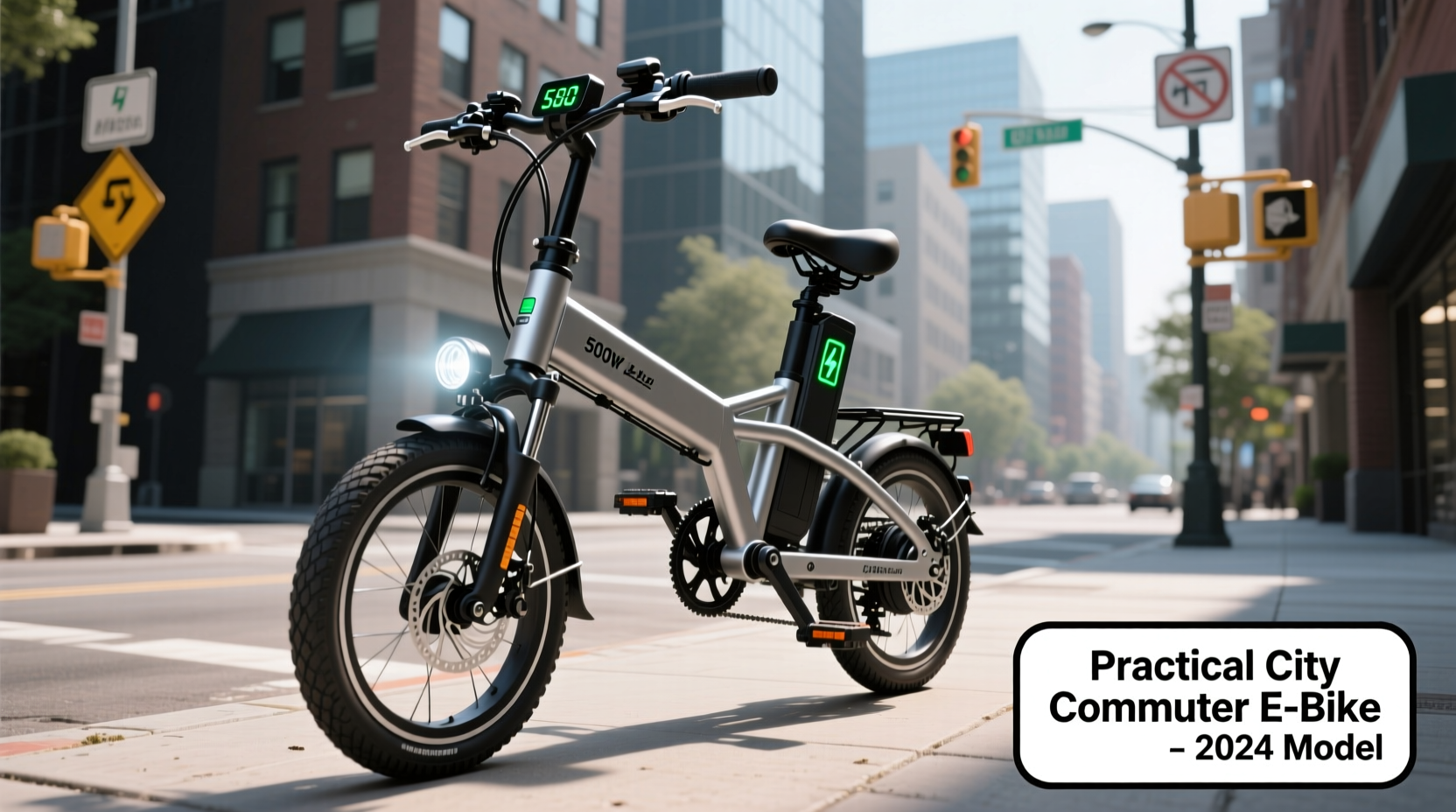
The primary advantage of a foldable e-bike is its ability to shrink into a compact form. Most models can be folded in under 30 seconds, reducing their footprint by up to 50%. This makes them exceptionally useful for people living in small apartments, using public transit, or working in buildings without dedicated bike storage.
For example, someone living in a studio apartment in Manhattan or a high-rise condo in downtown Toronto may not have room for a standard bicycle. A foldable e-bike can be stored behind a door, in a closet, or even under a bed. Its lightweight frame—typically between 12–18 kg (26–40 lbs)—allows users to carry it up stairs or onto an elevator without excessive strain.
Tip: When folding your e-bike, always engage the locking mechanisms fully to prevent accidental unfolding during transport.This portability extends to mixed-mode commuting. Many subway systems and buses allow folded bikes onboard during peak hours, bypassing restrictions placed on full-sized cycles. In cities like London, Berlin, and Tokyo, commuters routinely combine foldable bikes with trains and subways, avoiding last-mile walking and maximizing time efficiency.
Ride Quality vs. Compact Design
While foldable e-bikes excel in portability, their smaller wheels—often 16” to 20” in diameter—can compromise ride comfort and stability. Smaller wheels respond more sharply to road imperfections such as potholes, curbs, and uneven pavement, which are common in older urban environments. This means riders may experience a bumpier journey compared to larger-wheeled e-bikes (26” or 27.5”), which roll over obstacles more smoothly.
Additionally, the folding joints introduce potential flex points in the frame. While reputable brands engineer these connections for strength and safety, repeated folding and riding stress can lead to loosening over time. Regular maintenance checks on hinge bolts and alignment are essential to ensure structural integrity.
Battery placement is another consideration. Due to space constraints, batteries on foldable models are often smaller, resulting in shorter ranges—typically 30–60 km (20–40 miles) per charge. For most daily commutes under 15 km (9 miles), this is sufficient. However, longer trips or frequent uphill routes may require midweek charging.
“Foldable e-bikes make urban mobility possible where traditional bikes aren’t feasible—but they’re not designed for endurance rides or rugged terrain.” — Marcus Lin, Urban Mobility Engineer at CityCycle Labs
Security and Theft Prevention
One overlooked benefit of foldable e-bikes is enhanced security. Because they can be brought indoors easily, owners are less likely to leave them locked outside overnight. Even during the day, being able to store the bike inside an office, café, or train car significantly reduces theft risk—a major concern in cities like San Francisco, Chicago, and Paris, where e-bike thefts have surged in recent years.
Still, no bike is immune to theft. When folding isn’t an option, securing your e-bike properly remains critical. Use a hardened steel U-lock through the frame and rear wheel, anchor it to a fixed object, and avoid leaving the bike unattended in poorly lit areas.
| Security Practice | Foldable E-Bike Advantage | Best For |
|---|---|---|
| Indoor storage | Can be carried into homes, offices, or transit | Apartments, shared workspaces |
| Lock-only outdoor storage | Same vulnerability as standard bikes | Low-theft neighborhoods |
| GPS tracking integration | Many models support smart trackers | High-risk urban zones |
Real-World Commuting Scenario: A Week in Berlin
Consider Lena, a graphic designer living in Mitte, Berlin. Her office is located near Alexanderplatz, about 7 km (4.3 miles) from her apartment. Public transit takes 45 minutes with two transfers. Driving is expensive due to congestion fees and parking costs exceeding €200/month.
Lena purchases a mid-range foldable e-bike with a 36V 10Ah battery, weighing 15.5 kg (34 lbs). She folds it after each ride and stores it under her desk. On rainy days, she rides the first leg to the S-Bahn station, folds the bike, and takes it on the train for the remainder of the journey. Her total commute time drops to 28 minutes, and she arrives refreshed, avoiding crowded carriages.
Over six months, Lena logs over 600 km of urban riding. She charges the battery twice weekly and performs basic maintenance—lubricating the chain and checking tire pressure—every two weeks. The only issue arises when the folding latch develops slight play, which a local bike shop tightens for free under warranty.
Lena’s experience illustrates the core strengths of foldable e-bikes: flexibility, time savings, and seamless integration into dense city infrastructure. Her choice wasn’t just about transportation—it was about reclaiming time and control over her daily routine.
What to Look for When Buying a Foldable E-Bike
Not all foldable e-bikes are created equal. To ensure long-term satisfaction, consider the following factors before purchasing:
- Weight: Aim for under 18 kg (40 lbs) if you’ll be lifting it frequently. Lighter models use aluminum or carbon fiber but cost more.
- Folding Mechanism: Look for quick-release levers and automatic lock engagement. Avoid models requiring tools or complex steps.
- Wheel Size: 20” wheels offer a balance between portability and ride comfort. Avoid anything below 16” for regular commuting.
- Battery Range: Choose a model with at least 50 km (31 miles) of claimed range, even if real-world usage delivers 30–40 km.
- Motor Power: A 250W rear hub motor is standard in Europe; 500W+ is better for hilly cities or heavier riders.
- Integrated Features: Lights, fenders, racks, and smartphone connectivity add convenience and safety.
- Warranty & Support: Reputable brands offer 2-year frame and motor warranties and accessible customer service.
Step-by-Step Guide: Optimizing Your Foldable E-Bike Commute
Maximizing the value of your foldable e-bike involves more than just riding. Follow this timeline to integrate it smoothly into your routine:
- Week 1: Plan Your Route
Use apps like Komoot or Google Maps to identify bike lanes, low-traffic streets, and elevation changes. Avoid busy intersections and steep hills initially. - Week 2: Practice Folding & Transport
Simulate your commute by folding the bike, carrying it upstairs, and placing it in a car trunk or train aisle. Time yourself to build confidence. - Week 3: Establish Charging Routine
Plug in the battery every evening after returning home. Treat it like charging your phone—consistency prevents surprises. - Month 2: Add Accessories
Install a phone mount, pannier bag, or helmet hook. These small upgrades enhance usability and comfort. - Ongoing: Monthly Maintenance Check
Inspect brakes, tire tread, chain tension, and folding hinges. Keep a small toolkit in your bag for adjustments on the go.
Common Myths About Foldable E-Bikes
- Myth: They’re too slow.
Reality: Most comply with EU/US speed limits (25 km/h or 15.5 mph with pedal assist) and keep pace with traffic in cities. - Myth: They break easily.
Reality: High-quality models undergo rigorous stress testing. Failures are rare and usually tied to poor maintenance. - Myth: You can’t ride far.
Reality: With average city commutes under 10 km, even modest-range models cover round trips effortlessly.
FAQ
Can I take a foldable e-bike on public transit?
Yes, in most cities. Folded e-bikes are treated like luggage on buses, subways, and regional trains. Always check local regulations—some systems restrict size or require off-peak travel.
Are foldable e-bikes suitable for tall riders?
Some models accommodate riders up to 190 cm (6'3\") via adjustable stems and seats. However, legroom may feel cramped compared to full-sized bikes. Test fit before purchase.
Do foldable e-bikes require special insurance?
Not necessarily, but coverage varies. In countries like Germany and the Netherlands, e-bikes over 250W may need liability insurance. Check with your provider and consider theft protection.
Final Verdict: Who Should Consider a Foldable E-Bike?
A foldable e-bike is highly practical for city dwellers who prioritize space efficiency, multimodal transit, and indoor storage. It shines in environments where parking is limited, public transport is part of the journey, and every square foot counts.
It’s less ideal for those seeking maximum speed, long-distance comfort, or rugged durability. If your commute exceeds 20 km daily or includes unpaved paths, a full-sized e-bike might serve you better.
Yet for the majority of urban professionals, students, and hybrid workers navigating dense cityscapes, the foldable e-bike represents a smart compromise—offering freedom, fitness, and flexibility without sacrificing convenience.
💬 Have you tried using a foldable e-bike for your daily commute? Share your story, tips, or concerns in the comments—your experience could help others make the switch!








