
Intermittent fasting has emerged as one of the most popular lifestyle interventions for weight management, metabolic health, and longevity. Among its various forms, the 16:8 method—fasting for 16 hours and eating within an 8-hour window—stands out for its simplicity and sustainability. But a question many newcomers ask is: How long until I actually see results? The answer isn’t universal, but understanding the timeline, influencing factors, and realistic expectations can help you stay committed and make informed decisions.
What Happens During the First Week
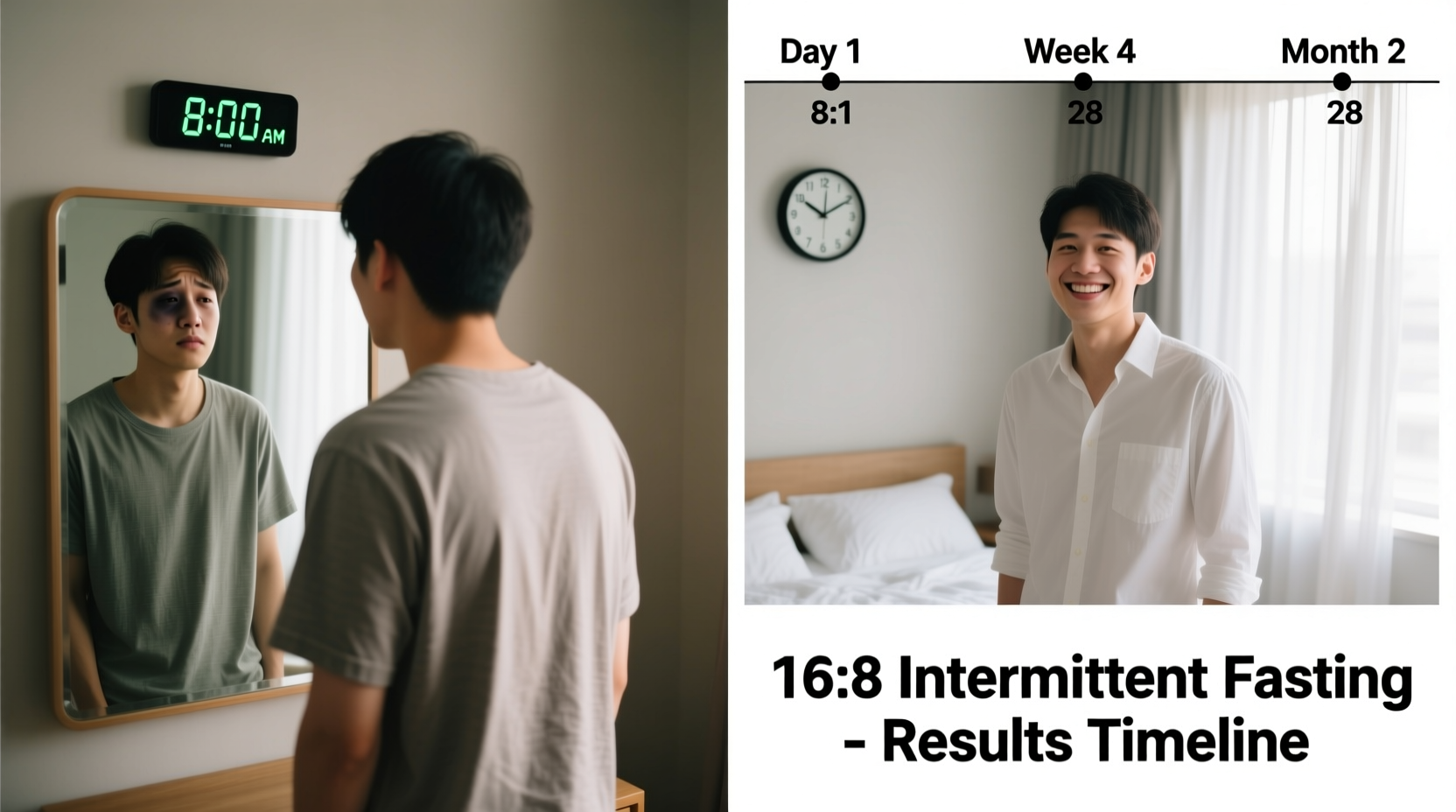
The initial days of 16:8 intermittent fasting are often the most challenging. Your body is adjusting from frequent eating patterns to a structured feeding window. Common experiences include mild hunger pangs, irritability, and fatigue—especially if you're used to breakfast or late-night snacking.
Despite these adjustments, some immediate changes begin at the cellular level. Insulin levels start to drop during the fasted state, which encourages fat cells to release stored glucose. You may notice subtle shifts such as reduced bloating or slight water weight loss by day three or four. This early change is often mistaken for fat loss, but it's primarily due to decreased sodium retention and glycogen depletion.
Tip: Stay hydrated with non-caloric beverages like water, herbal tea, or black coffee during your fasting window to reduce hunger and support metabolic function.By the end of the first week, many people report improved mental clarity and more stable energy levels. These benefits stem from increased ketone production and stabilized blood sugar. While visible physical changes are unlikely this early, internal adaptations are already underway.
Weeks 2–4: Noticeable Shifts Begin
Between the second and fourth weeks, consistent adherence to the 16:8 protocol typically yields measurable results. This phase marks the transition from adaptation to active transformation.
- Weight Loss: Most individuals lose between 0.5 to 2 pounds per week, depending on starting weight, calorie intake during eating windows, and activity level.
- Waist Circumference: Reduction in abdominal fat becomes noticeable, especially in those with higher visceral fat.
- Digestive Rhythm: Bowel movements often become more regular as the digestive system aligns with feeding times.
- Energy Levels: Initial fatigue gives way to sustained energy, particularly if meals are nutrient-dense and balanced.
A study published in Nutrition and Healthy Aging found that participants practicing time-restricted eating (similar to 16:8) for 12 weeks experienced significant reductions in body weight and blood pressure—even without intentional calorie restriction. However, the earliest signs of progress were observed around the third week.
“Intermittent fasting isn’t a quick fix—it’s a metabolic reset. The real benefits unfold over consistent practice, not overnight.” — Dr. Krista Varady, Associate Professor of Nutrition at the University of Illinois Chicago
Timeline of Key Results: What to Expect When
To set realistic expectations, here’s a detailed breakdown of what most people experience when following the 16:8 method consistently:
| Time Period | Physical Changes | Mental & Metabolic Shifts |
|---|---|---|
| Days 1–7 | Water weight loss, reduced bloating | Hunger fluctuations, improved focus by day 5–7 |
| Weeks 2–4 | 1–5 lbs lost, tighter clothing around waist | More stable energy, fewer cravings |
| Weeks 5–8 | Visible fat loss, muscle definition begins | Better sleep, improved insulin sensitivity |
| Weeks 9–12 | Significant weight loss (5–10% of body weight possible) | Enhanced endurance, reduced inflammation markers |
| 3+ Months | Sustained weight maintenance, improved body composition | Potential longevity benefits, hormonal balance |
This timeline assumes adherence to the fasting schedule, a moderate caloric deficit, and whole-food-based nutrition during eating windows. Individual variation exists based on age, sex, baseline metabolism, and lifestyle habits.
Factors That Influence How Fast You See Results
No two people respond identically to intermittent fasting. Several key variables determine the speed and magnitude of results:
- Starting Body Composition: Individuals with higher body fat percentages often see faster initial weight loss because their bodies have more readily available fuel stores.
- Diet Quality: Eating processed foods high in sugar and refined carbs during the eating window can counteract fasting benefits. Prioritizing protein, fiber, healthy fats, and micronutrients accelerates results.
- Calorie Balance: Fasting doesn't override overeating. Consuming excess calories in an 8-hour window will delay fat loss.
- Sleep & Stress: Poor sleep increases cortisol, which promotes fat storage and hunger. Chronic stress can blunt fasting effects.
- Exercise Routine: Resistance training and moderate cardio enhance fat burning and preserve lean muscle mass during weight loss.
Realistic Case Study: Sarah’s 8-Week Journey
Sarah, a 38-year-old office worker, began the 16:8 protocol after gaining 15 pounds post-pandemic. Her typical routine included skipping breakfast, eating lunch at noon, and snacking until bedtime. She decided to confine her eating to 12 p.m.–8 p.m., drinking only water, black coffee, and herbal tea outside that window.
Week 1: Struggled with afternoon hunger and headaches. Drank more water and added a pinch of sea salt to her morning tea, which helped.
Week 3: Noticed her jeans felt looser. Lost 3 pounds and reported better concentration at work.
Week 6: Down 6.5 pounds, with visible definition in her arms and midsection. Blood pressure dropped from 132/86 to 120/78 mmHg during a routine check-up.
Week 8: Maintained a 9-pound loss, improved sleep quality, and no longer craved sweets. She now views 16:8 as a permanent lifestyle, not a diet.
Sarah’s experience reflects a common trajectory: initial discomfort, gradual adaptation, and steady improvement in both appearance and health markers.
Action Plan: Maximizing Your 16:8 Results
To optimize outcomes and shorten the time to visible changes, follow this practical checklist:
- ✅ Set a consistent eating window (e.g., 12 p.m.–8 p.m.) and stick to it daily
- ✅ Hydrate with at least 2–3 liters of water per day
- ✅ Eat sufficient protein (aim for 0.8–1g per pound of body weight)
- ✅ Minimize added sugars and ultra-processed foods
- ✅ Include strength training 2–3 times per week
- ✅ Prioritize 7–8 hours of quality sleep nightly
- ✅ Monitor non-scale victories: energy, mood, digestion, clothing fit
- ✅ Be patient—avoid weighing yourself more than once a week
“The magic of intermittent fasting lies not in starvation, but in giving your body time to switch from storing energy to burning it.” — Dr. Jason Fung, Nephrologist and Intermittent Fasting Advocate
Frequently Asked Questions
Can you see results in 2 weeks?
Yes, some people notice reduced bloating, improved energy, and minor weight loss within two weeks. However, true fat loss and metabolic changes take longer to manifest. Early results are often a mix of water weight and behavioral adjustments.
Why am I not losing weight on 16:8?
Lack of weight loss usually stems from unintentional overeating during the eating window, poor food choices, or insufficient physical activity. It may also indicate hormonal imbalances (e.g., thyroid issues) or inadequate sleep. Consider tracking your intake and consulting a healthcare provider if stalled for more than 4 weeks.
Is 16:8 effective for women?
Yes, but some women may need to adjust their approach. Extreme calorie restriction or prolonged fasting can disrupt menstrual cycles or increase stress hormones. Many women find success with a slightly shorter fast (e.g., 14:10) or by cycling fasting days. Listening to your body is crucial.
Conclusion: Patience Meets Persistence
The journey with 16:8 intermittent fasting is less about dramatic short-term transformations and more about sustainable, long-term health gains. While some notice subtle shifts within the first week, meaningful physical and metabolic results typically emerge between weeks 3 and 8. Lasting change requires consistency, smart nutrition, and self-awareness.
It’s easy to get discouraged if the scale doesn’t move immediately. But remember: fat loss, improved insulin sensitivity, reduced inflammation, and enhanced mental clarity are all unfolding beneath the surface. Trust the process, honor your body’s rhythm, and focus on how you feel—not just how you look.
🚀 Ready to transform your health? Commit to 16:8 for 30 days with clean eating and movement. Track your progress, celebrate small wins, and share your story—your journey could inspire someone else to begin.








