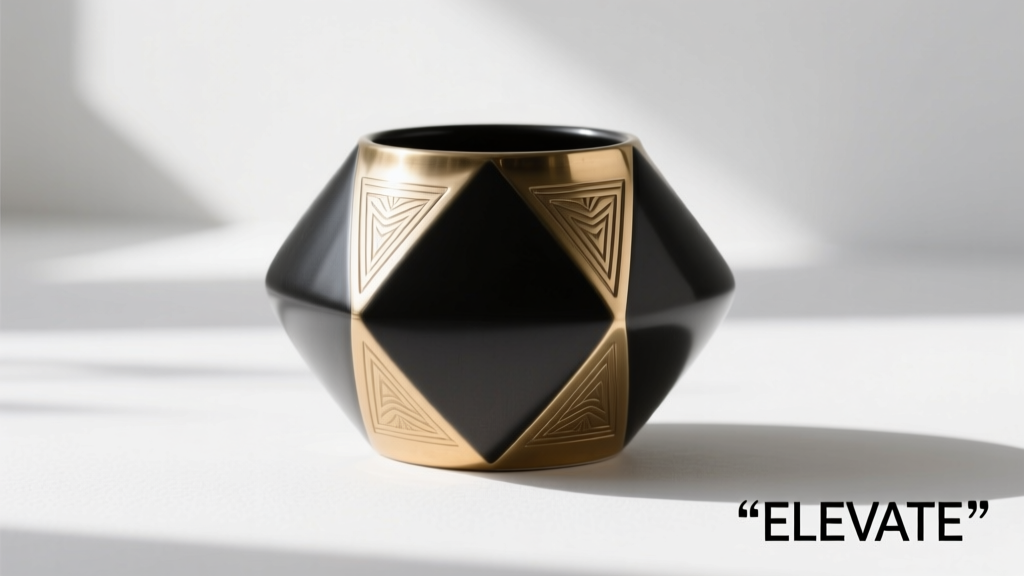
Types of Metal Ice Bath Tubs
A metal ice bath tub is a durable, high-performance solution for cold therapy, increasingly popular in wellness, athletic recovery, and modern construction design. These tubs are engineered to maintain low temperatures efficiently while offering longevity and aesthetic appeal. Different metals provide unique advantages in terms of strength, thermal performance, corrosion resistance, and maintenance. Understanding the various types helps in selecting the right tub based on environment, usage, and budget.
Steel Ice Bath Tub
Known for its robust construction and excellent thermal retention, steel tubs are a reliable choice for both indoor and outdoor installations.
Advantages
- High durability and structural strength
- Excellent at maintaining cold temperatures
- Often insulated to reduce ice consumption
- Smooth interior for easy cleaning
- Suitable for all climates with proper treatment
Limitations
- Potential for rust without protective coating
- May require periodic anti-corrosion maintenance
- Heavier than aluminum, making transport harder
Best for: Permanent installations, commercial facilities, cold climate environments
Stainless Steel Ice Bath Tub
A premium option combining strength, hygiene, and modern aesthetics, stainless steel is ideal for high-end residential and professional settings.
Advantages
- Exceptional resistance to rust and corrosion
- Hygienic, non-porous surface resists bacteria
- Sleek, modern appearance enhances décor
- Low maintenance and easy to sanitize
- Long service life with minimal wear
Limitations
- Reflective surface can absorb heat in direct sunlight
- Requires insulation to maintain optimal cooling
- Higher cost compared to standard steel
Best for: Luxury homes, spas, gyms, and indoor wellness centers
Aluminum Ice Bath Tub
Lightweight and corrosion-resistant, aluminum tubs offer practicality and ease of use, especially in dynamic or temporary setups.
Advantages
- Extremely lightweight for easy relocation
- Naturally resistant to rust and saltwater corrosion
- Ideal for coastal or humid environments
- Can be molded into custom shapes and designs
- Cost-effective without sacrificing quality
Limitations
- Less rigid than steel; may dent under pressure
- Shorter lifespan under heavy use
- Not as effective at retaining cold without insulation
Best for: Portable setups, outdoor installations, beachside properties
Copper Ice Bath Tub
A luxurious and functional option, copper tubs stand out for their rapid cooling and natural antimicrobial properties.
Advantages
- Superior thermal conductivity for fast cooling
- Naturally inhibits bacterial growth
- Unique, elegant appearance with artisan appeal
- Highly malleable for intricate designs
- Long-term value in luxury real estate
Limitations
- Premium price point limits accessibility
- Develops a patina over time (may not suit all tastes)
- Requires occasional polishing to maintain shine
Best for: High-end residences, boutique spas, design-forward wellness spaces
Galvanized Steel Ice Bath Tub
Engineered for resilience, galvanized steel features a protective zinc coating that enhances durability in challenging environments.
Advantages
- Strong resistance to rust and moisture damage
- Zinc coating acts as a protective barrier
- Retains structural rigidity and ease of cleaning
- Affordable alternative to stainless steel
- Ideal for harsh outdoor conditions
Limitations
- Coating can degrade over time with exposure
- May need re-treatment in high-humidity areas
- Less visually refined than stainless or copper
Best for: Outdoor installations, budget-conscious projects, industrial or rustic settings
| Metal Type | Durability | Thermal Performance | Corrosion Resistance | Best Use Case |
|---|---|---|---|---|
| Steel | High | Excellent | Moderate (with treatment) | Indoor/outdoor permanent setups |
| Stainless Steel | Very High | Very Good (with insulation) | Excellent | Luxury interiors, commercial gyms |
| Aluminum | Medium | Good | Excellent | Portable, coastal environments |
| Copper | High | Exceptional | Very Good | High-end design, wellness centers |
| Galvanized Steel | High | Excellent | Very Good | Outdoor, budget-friendly builds |
Expert Tip: For outdoor metal ice bath tubs, consider adding a UV-protective cover or installing in shaded areas to minimize heat absorption and prolong material life—especially important for stainless steel and uninsulated aluminum models.
Features of Metal Ice Bath Tubs: Durability, Performance & Design
Metal ice bath tubs are rapidly becoming a top choice in both residential wellness spaces and commercial fitness environments, particularly within the construction and real estate sectors. Their rising popularity stems from a powerful combination of durability, performance efficiency, and aesthetic versatility. Whether used for athletic recovery, therapeutic cold immersion, or luxury spa installations, metal tubs offer a long-term, high-performance solution. Below is a comprehensive breakdown of the key features that make metal ice bath tubs a superior option.
1. Exceptional Durability for Long-Term Use
The standout feature of metal ice bath tubs is their unmatched durability. Constructed from heavy-gauge metals such as stainless steel, galvanized steel, or aluminum, these tubs are engineered to withstand years of rigorous use. Unlike acrylic or fiberglass alternatives—which are prone to chipping, scratching, and UV degradation—metal tubs resist surface damage, corrosion, and structural fatigue.
This resilience makes them ideal for high-traffic environments like gyms, rehabilitation centers, and outdoor wellness areas. Even with constant exposure to ice, water, cleaning agents, and temperature fluctuations, metal tubs maintain their integrity and appearance over time. For athletes and health professionals seeking a reliable, low-maintenance recovery tool, metal offers peace of mind and long-term value.
2. Superior Thermal Retention for Optimal Cryotherapy
Metal tubs excel in thermal performance, providing extended cold retention crucial for effective cryotherapy. While metal is an excellent conductor of heat, when paired with proper insulation (such as foam or rubber linings), it can efficiently maintain low water temperatures for prolonged periods.
The material cools down quickly when filled with ice water and, due to its density, helps stabilize the temperature throughout the session. This means users experience consistent, refreshing cold therapy without the need for frequent ice replenishment. This feature is particularly beneficial for athletes recovering from intense training, as sustained cold exposure enhances vasoconstriction, reduces inflammation, and accelerates muscle recovery.
3. Structural Strength and Rigidity
Metal ice bath tubs are renowned for their strength and rigidity. The robust construction prevents warping, bending, or cracking—even when filled with hundreds of gallons of water and ice. This structural integrity allows for deeper, larger-capacity designs that accommodate full-body immersion, making them suitable for a wide range of users.
Additionally, their stability makes them ideal for both indoor installations and outdoor use in gardens, patios, or wellness retreats. Unlike plastic tubs that may flex or degrade under pressure, metal tubs maintain their shape and function reliably over time, ensuring safety and longevity in any setting.
4. Modern Aesthetic Appeal and Design Flexibility
Beyond functionality, metal ice bath tubs offer a striking visual presence. Stainless steel delivers a sleek, contemporary finish that complements minimalist and industrial interior designs. Copper variants add warmth and elegance, creating a luxurious spa-like ambiance. Galvanized steel provides a rugged, rustic charm ideal for outdoor or farmhouse-style settings.
Their polished, seamless surfaces reflect light beautifully and are easy to clean, enhancing both hygiene and visual appeal. In high-end real estate developments and boutique fitness studios, metal tubs serve as statement pieces that elevate the overall design narrative, aligning with trends toward wellness-centric and luxury-focused spaces.
5. Eco-Friendly and Sustainable Construction
For environmentally conscious builders and homeowners, metal ice bath tubs present a sustainable alternative to plastic-based models. Materials like stainless steel and galvanized steel are highly recyclable at the end of their lifecycle, significantly reducing landfill waste and environmental impact.
Additionally, metal’s durability means fewer replacements over time, conserving resources and reducing manufacturing emissions. When combined with energy-efficient cooling systems or passive insulation techniques, metal tubs can also lower energy consumption during operation. This makes them a smart choice for green building certifications such as LEED or WELL, where sustainability and occupant health are prioritized.
| Feature | Material Benefit | Ideal Use Case |
|---|---|---|
| Durability | Stainless & galvanized steel resist corrosion and impact | Commercial gyms, outdoor installations |
| Thermal Performance | High density retains cold when insulated | Athletic recovery, daily wellness routines |
| Structural Integrity | Minimal flex under heavy load | Large-capacity tubs, permanent installations |
| Aesthetic Versatility | Polished, brushed, or patinated finishes available | Luxury homes, spas, boutique studios |
| Sustainability | Recyclable metals, long service life | Green buildings, eco-conscious projects |
Why Choose Metal Over Alternatives?
Important: While metal tubs are highly durable, proper installation and insulation are critical to maximize performance and prevent condensation or heat transfer. Always consult with a professional during setup, especially for outdoor models exposed to extreme weather. Using non-abrasive cleaners will preserve the finish and extend the tub’s lifespan.
How to Store and Transport Metal Ice Bath Tubs
Metal ice bath tubs represent a significant investment in health, recovery, and wellness. To preserve their appearance, functionality, and longevity, proper storage and transportation practices are essential. Whether used at home, in a gym, or within a wellness facility, following best practices ensures your tub remains in premium condition for years to come.
Indoor Storage: Best Practices
Storing your metal ice bath tub indoors is the most protective option, especially in climates with extreme weather conditions. Choose a dry, temperature-controlled environment such as a basement, utility room, or dedicated wellness space.
- Drain completely: Always empty all water and melted ice to prevent internal corrosion, mold growth, and floor hazards.
- Keep it dry: Wipe down the interior and exterior surfaces after use and before storage to eliminate moisture that can lead to rust over time.
- Use a protective cover: Shield the tub with a soft cloth, padded liner, or breathable tarp to prevent scratches and maintain its polished finish.
- Avoid chemical exposure: Store away from cleaning agents, chlorinated substances, or high-humidity areas that may degrade metal finishes.
Pro tip: For commercial or multi-unit storage (e.g., gyms, spas), consider a labeled rack system to organize tubs and prevent stacking damage.
Outdoor Storage: Protection from the Elements
If indoor storage isn’t feasible, outdoor options like a garage, shed, or covered patio can work—provided they offer shelter from direct exposure.
- Use a weatherproof cover: Invest in a UV-resistant, waterproof cover designed for outdoor equipment to guard against sun damage, rain, snow, and debris.
- Elevate the tub: Place it on wooden pallets or rubber mats to prevent contact with damp ground and reduce the risk of undercarriage corrosion.
- Prevent freeze damage: In cold climates, ensure no residual water remains, as freezing can expand and crack metal components.
- Secure the location: Store away from sharp tools, rough surfaces, or high-traffic areas to avoid dents and scratches.
Critical reminder: Even under cover, prolonged outdoor storage increases exposure to humidity and temperature fluctuations—inspect monthly for signs of rust or coating wear.
Transporting Metal Ice Bath Tubs Safely
Moving a metal ice bath tub requires careful planning due to its weight and sensitivity to impact. Whether relocating across town or delivering to a client, proper handling prevents damage and personal injury.
- Prepare the tub: Drain all water, dry thoroughly, and fold or disassemble (if applicable) according to manufacturer instructions.
- Protect surfaces: Wrap the tub in moving blankets, foam padding, or bubble wrap—especially around edges and corners—to prevent scratches and dents.
- Lift with care: Use lifting straps, a dolly, or multiple people to evenly distribute weight. Never drag the tub, as this can warp the base or damage the finish.
- Secure during transit: Fasten the tub upright using ratchet straps, ropes, or bungee cords to prevent shifting. Avoid placing heavy items on top.
- Vehicle considerations: Load through a rear or side gate to minimize lifting height. Use non-slip mats to prevent sliding inside trucks or trailers.
Safety note: Always wear gloves and closed-toe shoes when handling metal tubs to protect against sharp edges and pinching hazards.
Long-Term Care & Maintenance Tips
Proper storage and transport are part of a broader maintenance routine that maximizes your tub’s lifespan and performance.
- Inspect regularly: Check for signs of rust, coating degradation, or structural weakness every few months.
- Touch up finishes: Apply manufacturer-recommended sealants or protective waxes to maintain luster and corrosion resistance.
- Store accessories separately: Keep pumps, hoses, filters, and lids in sealed containers to avoid loss or damage.
- Follow manufacturer guidelines: Adhere to specific care instructions, especially for coated or insulated metal models.
- Document condition: Take photos before and after transport for insurance or warranty purposes.
Expert advice: For frequent movers (e.g., mobile wellness providers), consider a custom transport case with foam inserts for maximum protection.
Professional Recommendation: When storing long-term or transporting over long distances, treat your metal ice bath tub like high-end fitness equipment. Prioritize climate control, physical protection, and secure fastening. A small investment in proper care today prevents costly repairs or replacements tomorrow.
| Storage/Transport Condition | Recommended Action | Frequency | Risk of Neglect |
|---|---|---|---|
| Indoor storage | Drain, dry, cover with soft tarp | After each use | Scratches, dust buildup |
| Outdoor storage | Use UV/waterproof cover, elevate off ground | Continuous protection required | Rust, fading, structural damage |
| Short-distance transport | Padded wrap, secured with straps | Per move | Dents, scratches, personal injury |
| Long-distance transport | Custom crate or padded enclosure | Per relocation | Cracks, warping, component failure |
Additional Considerations
- Warranty Compliance: Many manufacturers require proper storage and handling to maintain warranty coverage—always check terms before long-term storage.
- Anti-Corrosion Coatings: Tubs with powder-coated or stainless steel finishes still need protection from salt, chlorine, and acidic environments.
- Space Planning: Allow at least 6–12 inches of clearance around the tub during storage for air circulation and easy access.
- Pest Prevention: Cover all openings to deter insects or rodents from nesting inside during extended storage.
- Insurance Documentation: Keep records of storage conditions and transport methods in case of damage claims.
How to Choose the Perfect Metal Ice Bath Tub
Selecting the right metal ice bath tub can significantly enhance your recovery, wellness, and cold therapy experience. With a growing variety of options available—from stainless steel to copper—choosing the ideal model requires careful consideration of material, size, insulation, portability, and budget. Whether you're an athlete, fitness enthusiast, or wellness advocate, this comprehensive guide will help you make an informed decision and invest in a tub that meets your needs, environment, and long-term goals.
Safety Note: Individuals with cardiovascular conditions, hypertension, or who are pregnant should consult a healthcare professional before beginning cold immersion therapy. Sudden exposure to extreme cold can affect heart rate and blood pressure.
Key Factors to Consider When Choosing a Metal Ice Bath Tub
- Material: Durability, Aesthetics, and Thermal Performance
The choice of material is the foundation of your ice bath experience. It influences durability, heat retention, maintenance, and visual appeal. Here’s a breakdown of common metal options:
- Stainless Steel: The most popular choice due to its excellent corrosion resistance, sleek modern appearance, and ease of cleaning. It’s highly durable and maintains its finish over time, making it ideal for both indoor and outdoor use.
- Galvanized Steel: Offers robust strength at a lower price point. While durable, it may develop rust over time if the zinc coating is damaged, especially in humid environments. Best suited for budget-conscious buyers or temporary setups.
- Aluminum: Lightweight and naturally resistant to rust, aluminum is easy to move and install. It has good thermal conductivity, helping water cool faster, though it may not retain cold as long without proper insulation.
- Copper: A premium option known for its luxurious look, superior thermal retention, and natural antimicrobial properties. However, copper must be properly sealed (e.g., with a food-grade lacquer) to prevent oxidation and discoloration. While stunning, it comes at a significantly higher cost.
Pro Tip: Prioritize materials that balance longevity and performance with your climate and usage frequency. For year-round use, especially outdoors, stainless steel or sealed copper are top recommendations.
- Size and Dimensions: Fit, Function, and Accessibility
Choosing the right size ensures comfort, effective immersion, and practical placement. Consider the following when evaluating dimensions:
- Capacity: Larger tubs (typically 6–7 feet long) allow full-body submersion, which is essential for athletes or those using ice baths for therapeutic recovery. Smaller tubs (4–5 feet) are more space-efficient and require less water and ice, making them ideal for compact homes or occasional use.
- Depth: Aim for a minimum depth of 24–30 inches to ensure water covers the torso and shoulders during seated immersion. This is crucial for maximizing the physiological benefits of cold therapy.
- Indoor Installation: Measure doorways, hallways, staircases, and ceiling heights before purchasing. Many high-end metal tubs are not disassembled easily, so ensure the delivery path is clear. Consider modular or sectional designs if access is limited.
- Weight When Filled: Water weighs approximately 8.34 lbs per gallon. A 200-gallon tub will weigh over 1,600 lbs when filled—plus ice and user weight. Confirm your floor or deck can support the load, especially for indoor or elevated installations.
- Insulation and Cooling Efficiency: Maintain Cold, Reduce Waste
Effective insulation is critical for maintaining a consistent cold temperature and minimizing ice consumption. Without it, you may need to refill ice every few hours, especially in warmer climates.
- Insulated Walls: Look for tubs with double-walled construction and high-density foam or reflective thermal barriers. These can reduce ice usage by up to 50% and maintain temperatures between 39–55°F (4–13°C) for extended periods.
- Insulated Lids/Covers: A snug-fitting insulated cover is one of the most cost-effective ways to preserve cold. It prevents evaporation, reduces debris, and enhances safety when not in use.
- Active Cooling Systems: Some premium models include built-in chillers or ice chambers that actively circulate and cool water. These are ideal for frequent users or commercial setups but come at a higher initial cost and may require electrical access.
- Passive Cooling Features: Consider tubs with shaded designs, UV-resistant finishes, or underground installation options to naturally reduce heat absorption.
Note: Proper insulation is especially beneficial for sensitive users, including pregnant individuals and those with heart conditions, by allowing gentler, more controlled exposure without extreme temperature fluctuations.
- Mobility and Weight: Portability vs. Stability
If you plan to move your tub seasonally or between locations, portability becomes a key factor.
- Material Weight: Aluminum and thin-gauge stainless steel are significantly lighter than galvanized steel or copper. For example, an aluminum tub can weigh 30–50% less than a comparable steel model.
- Filled Weight Considerations: Even lightweight materials become extremely heavy when filled. Always assess whether the tub can be moved safely—ideally with a dolly, lift system, or professional assistance.
- Mobility Features: Some models include built-in handles, skids, or wheel kits for easier relocation. Others are designed for permanent installation and should be placed carefully from the start.
- Temporary vs. Permanent Use: For renters or those with limited outdoor space, consider portable designs that can be drained and stored when not in use.
- Budget: Balancing Cost and Long-Term Value
Prices for metal ice bath tubs vary widely based on material, craftsmanship, size, and features. Understanding the cost breakdown helps you make a smart investment.
Material Average Cost Range Pros Cons Galvanized Steel $800 – $1,500 Affordable, strong, widely available Prone to rust over time, shorter lifespan Stainless Steel $1,500 – $3,500 Durable, corrosion-resistant, low maintenance Higher initial cost, conducts heat (needs insulation) Aluminum $1,800 – $3,000 Lightweight, rust-resistant, efficient cooling Less rigid than steel, can dent more easily Copper $4,000 – $8,000+ Superior heat retention, luxurious appearance, antimicrobial Very expensive, requires sealing, high maintenance While galvanized steel offers the lowest entry point, investing in a higher-quality tub—such as insulated stainless steel—often pays off in durability, performance, and reduced operating costs (less ice, less maintenance). Think of it as a long-term wellness investment rather than a one-time purchase.
Expert Tip: Test the tub before finalizing your purchase. If buying online, request detailed specs, material certifications, and warranty information. For local vendors, ask to see a display model to assess finish quality, lid fit, and overall craftsmanship.
Final Recommendations
- For athletes and frequent users: Prioritize insulated stainless steel with a built-in chiller for consistent, low-maintenance cold therapy.
- For small spaces or renters: Choose a compact, lightweight aluminum tub with a cover for easy storage.
- For luxury or aesthetic appeal: Consider a sealed copper tub as a statement piece—ideal for modern wellness spaces.
- For budget-friendly durability: Galvanized steel with a protective liner can be a practical short-to-mid-term solution.
- Always check the manufacturer’s warranty, especially for insulation and material defects.
Choosing the right metal ice bath tub is about more than just function—it's about creating a sustainable, enjoyable recovery ritual. By evaluating your space, usage needs, and long-term goals, you can select a tub that not only performs well but also enhances your overall wellness journey. When in doubt, opt for quality over cost; your body—and your peace of mind—will thank you.
Frequently Asked Questions About Metal Ice Bath Tubs
Ice bath therapy has become a cornerstone of modern recovery routines, especially among athletes and wellness enthusiasts. Metal ice bath tubs—known for their durability, thermal efficiency, and sleek design—are growing in popularity. Below are some of the most common questions potential buyers have when considering a purchase.
Q1: How does a metal ice bath tub benefit an athlete?Metal ice bath tubs offer targeted cryotherapy, a powerful recovery tool that helps athletes manage physical stress and enhance performance. Submerging in cold water immediately after intense training or competition triggers several physiological responses that support faster recovery:
- Reduced Muscle Soreness: Cold immersion constricts blood vessels, reducing inflammation and swelling in overworked muscles, which helps alleviate delayed onset muscle soreness (DOMS).
- Improved Circulation: After exiting the bath, blood flow rebounds, enhancing oxygen delivery to tissues and accelerating the removal of metabolic waste like lactic acid.
- Enhanced Muscle Repair: The controlled cold exposure supports cellular recovery processes, helping repair micro-tears in muscle fibers more efficiently.
- Lower Risk of Injury: By minimizing inflammation and preventing excessive tissue breakdown, regular use can reduce the likelihood of overuse injuries and blood clot formation in extreme cases.
Note: While kombucha is a popular fermented health drink, it is not typically associated with ice bath therapy. The intended term here may be "cooling effect" or "circulatory benefits." Cryotherapy’s effectiveness lies in temperature regulation, not consumable additives.
Q2: How important is insulation in a metal ice bath tub?Insulation is a critical feature—especially for outdoor or long-term use—and significantly impacts both performance and cost-efficiency. A well-insulated metal ice bath tub offers several key advantages:
- Temperature Retention: High-quality insulation slows heat transfer, keeping water cold for extended periods without constant ice replenishment. This is especially valuable in warmer climates or during summer months.
- Energy Efficiency: For tubs with built-in chillers or cooling systems, proper insulation reduces energy consumption by minimizing the workload on the cooling unit.
- User Comfort and Safety: Insulated walls prevent external condensation, which can make the tub’s exterior slippery and hazardous. It also protects users from touching extremely cold metal surfaces directly.
- Durability: Insulation helps protect the metal structure from thermal stress and condensation-related corrosion, extending the tub’s lifespan.
In short, investing in a tub with effective insulation enhances usability, safety, and long-term value—making it a smart choice for serious users.
Q3: What is the average cost of a metal ice bath tub?The price of a metal ice bath tub varies widely based on materials, size, craftsmanship, and added features. Here’s a breakdown of typical cost ranges and what influences them:
| Material | Average Price Range | Key Features |
|---|---|---|
| Galvanized Steel or Aluminum | $300 – $800 | Affordable, lightweight, rust-resistant; ideal for basic home use but less effective at retaining cold temperatures. |
| Stainless Steel (304 or 316 Grade) | $1,200 – $3,500 | Durable, corrosion-resistant, excellent thermal properties; often includes insulation and premium finishes. |
| Copper or Custom-Built Tubs | $3,500 – $8,000+ | Luxury craftsmanship, superior heat conductivity, aesthetic appeal; may include integrated cooling systems or smart controls. |
Additional features such as digital temperature control, built-in filtration, portable design, or modular insulation can further increase the price. While budget models are accessible, high-end tubs offer better performance, longevity, and user experience—making them a worthwhile investment for dedicated athletes or recovery centers.
Q4: How can metal ice bath tubs be customized?One of the biggest advantages of metal ice bath tubs is their high degree of customizability. Buyers can tailor the tub to fit their specific needs, space, and aesthetic preferences. Popular customization options include:
- Material Selection: Choose from galvanized steel, aluminum, stainless steel, or copper—each offering different levels of durability, thermal efficiency, and visual appeal.
- Size and Shape: Custom dimensions ensure a perfect fit for indoor spaces, outdoor patios, or commercial gyms. Options range from compact single-person tubs to larger models for multiple users.
- Insulation Upgrades: Add foam, rubber, or vacuum-sealed insulation layers to improve cold retention and energy efficiency.
- Ergonomic Features: Built-in seating, contoured backrests, or non-slip flooring enhance comfort and safety during use.
- Drainage Systems: Adjustable or automated drain valves, including hose attachments, simplify water removal and maintenance.
- Finishes and Aesthetics: Polished, brushed, or powder-coated exteriors allow for personalization to match home or gym decor.
- Advanced Add-Ons: Integrated chillers, temperature displays, filtration systems, or even Bluetooth speakers for a premium recovery experience.
Whether you're looking for a minimalist design or a high-tech recovery station, metal tubs can be engineered to meet both functional and stylistic goals.









