
Living with a roommate can be rewarding, but it often comes with subtle tensions—especially when personal boundaries around belongings are crossed. One of the most common yet delicate issues is when a roommate consistently borrows your things without permission. Whether it’s your favorite hoodie, kitchenware, or even your laptop charger, repeated unapproved borrowing can lead to frustration, mistrust, and conflict. The key isn’t to escalate tension, but to address the behavior calmly and constructively. With thoughtful communication and clear boundaries, you can protect your personal space while preserving mutual respect.
Why Unapproved Borrowing Happens
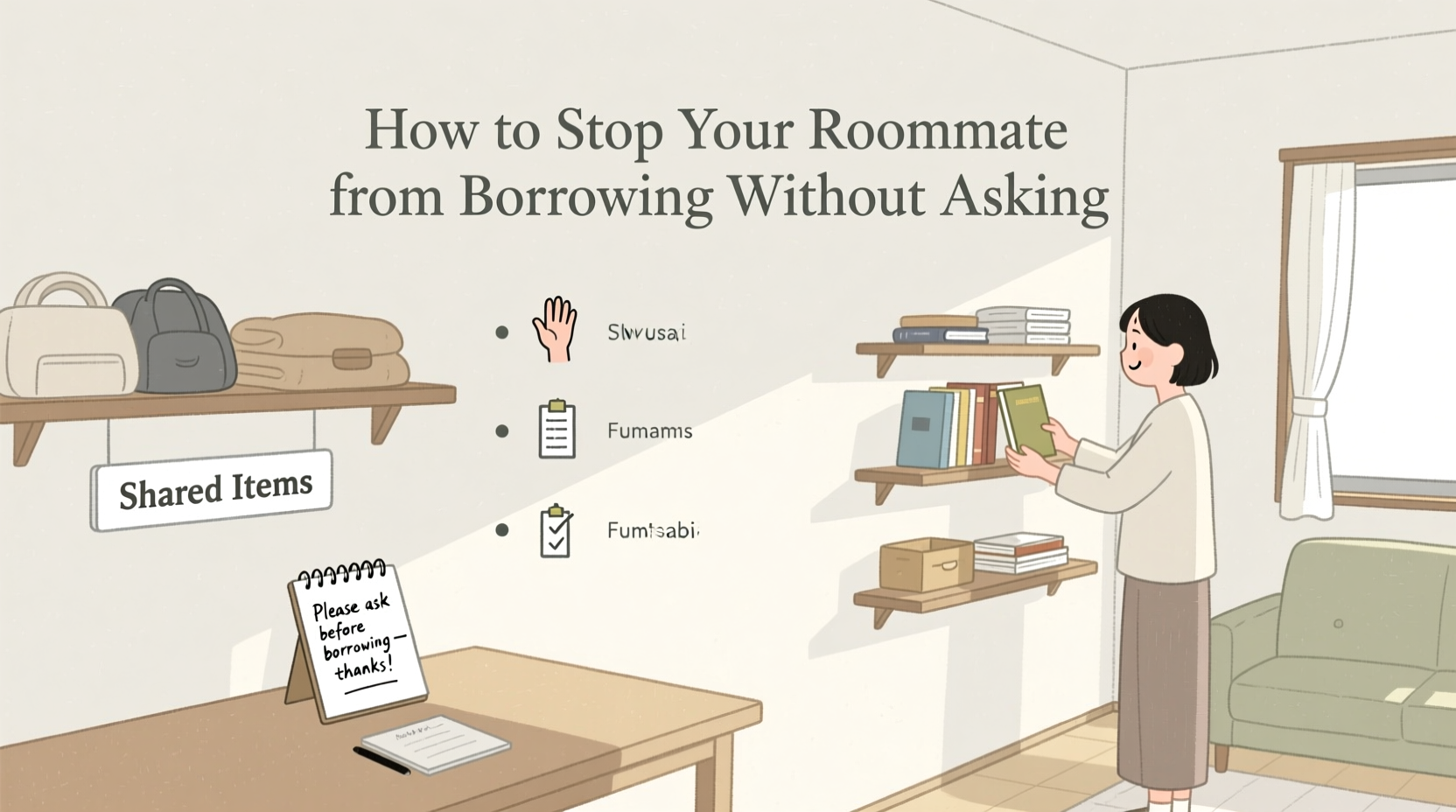
Borrowing without asking doesn’t always stem from disrespect. In shared living spaces, especially among friends or acquaintances, people may develop an informal sense of communal ownership. This mindset can blur the lines between “mine,” “yours,” and “ours.” Some roommates grow up in households where sharing was automatic and assume the same applies in co-living situations. Others might not realize their actions are causing discomfort, especially if they haven’t been told directly.
Common reasons include:
- A lack of awareness about personal boundaries
- Assumptions based on past living experiences
- Convenience-driven decisions (“I’ll just grab it quickly”)
- Misreading friendliness as permissiveness
- Minimizing the impact (“It’s just a hairdryer—they won’t mind”)
Understanding these motivations helps frame the issue as a communication gap rather than intentional disregard. That perspective makes resolution more likely and less confrontational.
Tip: Avoid labeling your roommate as “inconsiderate” before discussing the issue. Approach the conversation with curiosity, not accusation.How to Set Boundaries Without Conflict
Setting boundaries in a shared home requires clarity, consistency, and tact. The goal is to communicate your expectations firmly but respectfully. Start by identifying which items you’re comfortable sharing and which are off-limits. Not everything needs to be private—some roommates agree to share groceries, cleaning supplies, or tools—but personal electronics, clothing, and hygiene products are typically considered private.
Choose the right time to talk—ideally when neither of you is rushed or stressed. Sit down together in a neutral setting, like the living room, and use “I” statements to express how the behavior affects you. For example:
“I’ve noticed my headphones have gone missing a few times, and I realized you’d borrowed them. I totally get that chargers run out, but I feel uneasy when my personal items are used without a heads-up. Could we agree to ask before borrowing anything?”
This approach focuses on your feelings rather than blaming, making it easier for your roommate to respond positively. It also opens the door for dialogue instead of shutting it down with criticism.
Use a Roommate Agreement for Clarity
Even if you didn’t create one when moving in, drafting a simple roommate agreement can help formalize expectations. Include a section on personal belongings with agreed-upon rules. Here’s an example structure:
| Item Category | Sharing Policy | Communication Rule |
|---|---|---|
| Clothing & Accessories | No sharing without explicit permission | Ask first, return immediately after use |
| Kitchen Tools (knives, pans) | Shared unless labeled “personal” | Wash and return to designated spot |
| Electronics & Chargers | Ask before borrowing | Notify via text or note if urgent |
| Food & Pantry Items | Only shared if clearly communal | Label personal items; replace what you use |
A written agreement reduces ambiguity and serves as a reference point if misunderstandings arise later.
Practical Strategies to Discourage Unauthorized Use
Words alone may not change habits overnight. Pair your conversation with practical steps that make unauthorized borrowing harder or less appealing.
Label Your Belongings Clearly
A simple label can deter borrowing. Use discreet stickers, masking tape, or engraved tags on frequently taken items. For example:
- “Personal use only – please ask before using”
- “Alex’s laptop charger – borrowing requires permission”
- Color-coding shelves or drawers (e.g., blue = yours, green = roommate’s)
Visual cues reinforce boundaries without constant verbal reminders.
Designate Personal Storage Zones
If space allows, create a dedicated area for your belongings—like a locked drawer, closet shelf, or storage bin. While locking items might seem extreme, it sends a clear message about ownership. Even an unlabeled but consistently used space can establish de facto ownership through routine.
Tip: Store high-demand items (like premium headphones or specialty kitchen gear) in your room or a secure cabinet when not in use.Leverage Shared Alternatives
Sometimes, borrowing happens because the roommate lacks access to basic tools. If they’re regularly taking your drill, phone charger, or coffee maker, suggest jointly purchasing duplicates or adding them to a shared inventory. Splitting the cost fosters cooperation and reduces dependency on personal items.
“We both use phone chargers every day. What if we each buy a spare and keep one in the living room? That way, we’re not scrambling when ours are in use.”
This shifts the dynamic from restriction to collaboration.
What to Do When They Keep Borrowing Anyway
If your roommate continues to borrow without asking after a clear conversation, it’s time to reinforce your boundary with consistent follow-up. React promptly when it happens—not days later, but as soon as you notice.
For example:
- Find your blender in their room after use.
- Say calmly: “Hey, I saw you used my blender. I asked that we check before borrowing things. Can you let me know next time?”
- Reiterate the rule without anger: “I’m happy to lend it—I just need a quick heads-up.”
Consistency is crucial. Every unaddressed incident signals that the rule isn’t enforced, making it harder to regain control later.
When Passive Measures Fail: Escalation Tactics
If polite reminders don’t work, consider stronger measures:
- Remove access: Take frequently borrowed items into your bedroom or lock them away.
- Charge symbolic fees: Jokingly say, “That’s $5 for the hoodie rental!”—but only if your roommate has a good sense of humor. Misinterpretation risks damage.
- Involve a mediator: If you live in university housing or with mutual friends, a neutral third party can help facilitate a discussion.
As a last resort, document repeated incidents. Note dates, items, and any prior conversations. This record can support a formal complaint if necessary, especially in lease-bound situations.
“Boundaries aren’t walls—they’re guidelines for respectful coexistence. The healthiest roommate relationships are built on mutual acknowledgment of personal space.” — Dr. Lena Torres, Residential Living Counselor, University of Michigan Housing Services
Mini Case Study: The Charger Conundrum
Maya and Jordan shared a two-bedroom apartment. Jordan frequently used Maya’s iPhone charger, assuming it was fine since they were friendly. Maya felt annoyed but didn’t speak up, fearing conflict. After three weeks of silent irritation, she found her charger damaged from overuse.
She decided to act. Over coffee, she said: “I’ve been meaning to talk about something small but kind of important. I’ve noticed you’ve been using my phone charger a lot. I don’t mind lending it, but I’d appreciate a quick ‘Is it okay if I use this?’ first. Also, the last one broke—maybe we could get a shared one for the living room?”
Jordan apologized, admitted they hadn’t realized it was an issue, and agreed to ask next time. They bought a dual-port charging station for common areas the following weekend. Tension eased, and communication improved on other household matters too.
The lesson? A single honest conversation, paired with a practical solution, resolved a growing resentment before it escalated.
Step-by-Step Guide to Address Borrowing Behavior
Follow this sequence to handle the situation effectively and maintain harmony:
- Observe and Document: Note patterns—what items are taken, how often, and whether they’re returned properly.
- Reflect on Your Stance: Decide which items are shareable and under what conditions.
- Initiate a Calm Conversation: Use “I” statements and focus on feelings, not accusations.
- Propose Clear Rules: Suggest specific actions (e.g., “Text me if you need my iron”) and invite feedback.
- Implement Preventive Measures: Label items, designate zones, or purchase shared alternatives.
- Enforce Consistently: Gently remind your roommate each time the boundary is crossed.
- Reassess Monthly: Check in after a few weeks: Is the situation improving? Does the agreement need tweaking?
This structured approach prevents emotional reactions and builds long-term solutions.
Frequently Asked Questions
What if my roommate gets defensive when I bring it up?
Defensiveness often comes from surprise or guilt. Stay calm and reiterate that your goal is mutual comfort, not blame. Say, “I’m not trying to call you out—I just want us both to feel respected here.” Give them space to process, and revisit the topic later if needed.
Is it wrong to lock up my belongings?
No—it’s not wrong to protect your property. Locking drawers or storing valuables securely is a reasonable precaution, especially in shared homes. Think of it like locking your front door: it’s not about distrust, but about setting expectations for privacy.
What if we’re not on speaking terms? How do I address it then?
If direct communication feels unsafe or unproductive, try a written note or message. Be concise and neutral: “I’d appreciate it if you asked before using my personal items, like headphones or clothes. Let’s chat when you’re free.” If no improvement occurs, consider involving a landlord, resident advisor, or mediator.
Checklist: Stop Unauthorized Borrowing Tactfully
- ✅ Identify which items you’re willing to share—and which are off-limits
- ✅ Choose a calm moment to discuss the issue using “I” statements
- ✅ Propose a clear borrowing policy (ask first, return clean, etc.)
- ✅ Label personal items visibly but politely
- ✅ Create designated storage spaces for your belongings
- ✅ Offer shared alternatives for high-demand items
- ✅ Respond consistently when boundaries are crossed
- ✅ Revisit the agreement monthly to ensure it’s working
Conclusion: Respect Starts with Communication
Roommate conflicts over borrowed items are rarely about the objects themselves—they’re about respect, autonomy, and unspoken expectations. By addressing the issue with empathy and clarity, you set the tone for a more considerate living environment. Remember, you’re not being petty by wanting control over your belongings; you’re practicing healthy boundary-setting. Most roommates respond well when approached with honesty and a willingness to collaborate. Don’t wait for frustration to build. Have the conversation now, implement smart safeguards, and enjoy a more peaceful, respectful home life.
💬 Have you successfully navigated a borrowing boundary with your roommate? Share your story or tip in the comments—your experience could help someone avoid months of silent annoyance.








