Starting your day in the backcountry with a warm cup of coffee can elevate the entire camping experience. But a flimsy or poorly designed cup can crack under pressure, scald your hands, or leach unwanted flavors into your brew. Selecting a durable coffee cup for camping isn’t just about convenience—it’s about safety, sustainability, and comfort in rugged conditions. With countless options on the market, from stainless steel to double-walled ceramics, knowing what to look for makes all the difference.
Why Durability Matters in Outdoor Coffee Gear
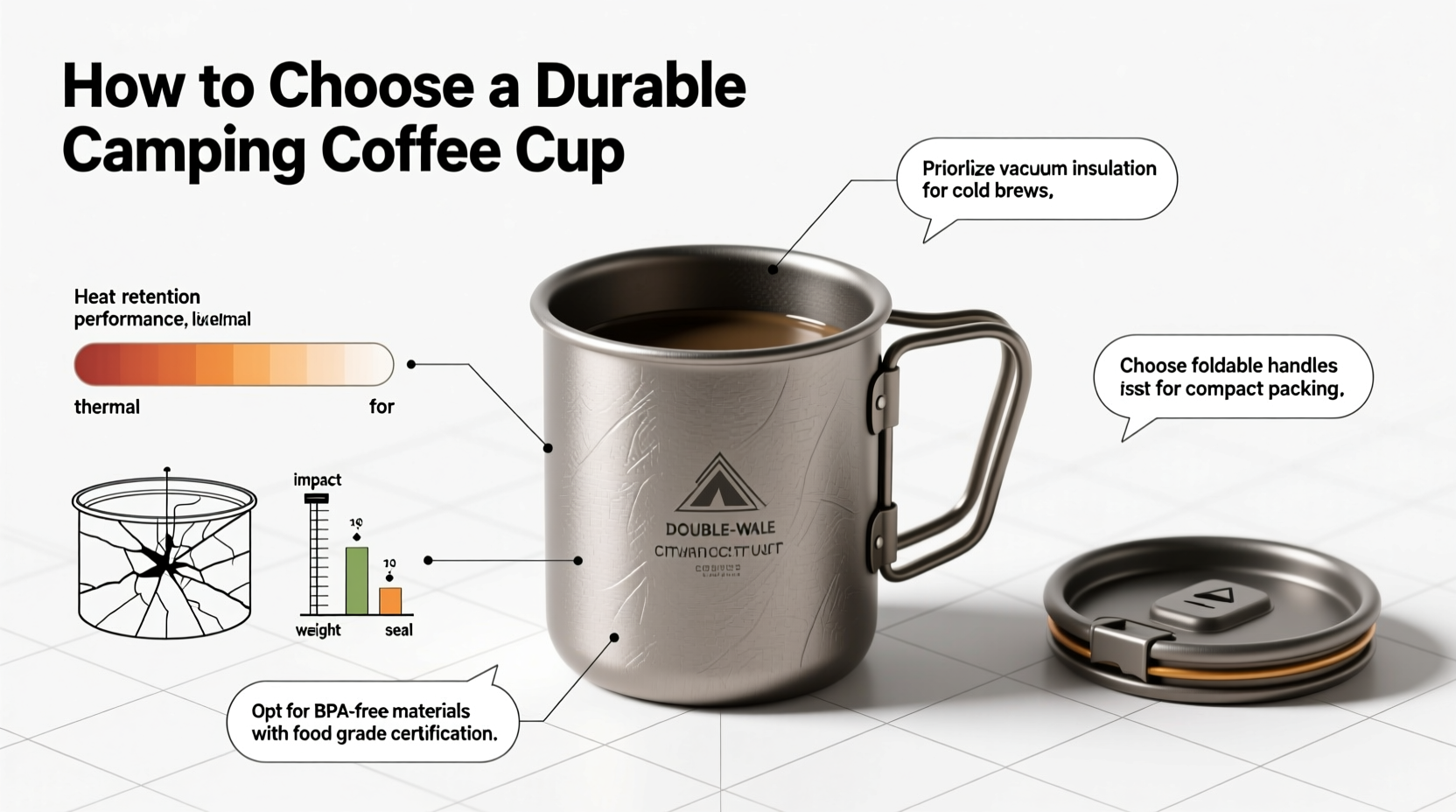
Camping environments are unpredictable. Temperature swings, rough terrain, and constant packing and unpacking test the limits of any gear. A coffee cup that shatters after one drop or loses its insulation by the second morning is more than an inconvenience—it disrupts routine and adds waste.
Durability isn’t just about surviving impacts. It also encompasses resistance to extreme temperatures, long-term material integrity, and ease of cleaning in the field. The right cup should endure years of use without warping, chipping, or degrading, even when exposed to open flames, freezing mornings, or sandy riverbanks.
Tip: Always test your cup with boiling water at home before heading out to check for leaks, warping, or handle stability.Key Features of a Durable Camping Coffee Cup
A high-performance camping cup combines smart design with resilient materials. Here are the most important features to evaluate:
- Material Type: Stainless steel, titanium, and reinforced ceramics lead in durability. Avoid standard glass or thin plastic unless it's specifically rated for outdoor use.
- Insulation: Double-wall vacuum insulation maintains beverage temperature and protects hands from heat or cold.
- Lid Design: A secure, leak-resistant lid prevents spills during hikes and doubles as a heat barrier.
- Ergonomic Shape: A wide base resists tipping; a comfortable handle or grip ensures safe handling with gloves.
- Weight & Packability: Lightweight designs save space in your pack, especially if nesting with other cookware.
- Mouth Opening: Wide enough for easy sipping but narrow enough to minimize heat loss and splashing.
“Your coffee cup is part of your survival toolkit—just like your stove or sleeping bag. Don’t underestimate its role in morale and hydration.” — Jordan Tate, Wilderness Guide and Outdoor Educator
Material Comparison: Pros and Cons for Campers
| Material | Pros | Cons |
|---|---|---|
| Stainless Steel | Dent-resistant, excellent insulation, dishwasher-safe, non-reactive | Can be heavy; reflective surface may attract attention |
| Titanium | Extremely lightweight, corrosion-proof, handles direct flame | Expensive; poor heat retention compared to steel |
| Enamel-Coated Steel | Vintage look, scratch-resistant when thick-coated, affordable | Chips if dropped on rock; metal shows through when damaged |
| Reinforced Ceramic (e.g., double-walled) | Excellent heat retention, smooth interior, no metallic taste | Bulkier; fragile if mishandled |
| Food-Grade Plastic (Tritan, etc.) | Lightweight, unbreakable, low-cost | May retain odors; degrades over time with UV exposure |
Step-by-Step Guide to Choosing Your Ideal Camping Cup
- Define Your Use Case: Are you backpacking (prioritize weight), car camping (favor comfort), or winter camping (need maximum insulation)?
- Set a Capacity Range: 12–16 oz is ideal for most adults. Smaller (8 oz) suits espresso lovers; larger (20 oz) works for tea or soup.
- Check Insulation Performance: Look for vacuum-sealed double walls. Test by filling with hot water and holding for 5 minutes—outer wall should stay cool.
- Inspect Lid Mechanism: Twist-on, snap-on, or sliding lids should seal tightly. Ensure the drinking opening is large enough for comfortable sipping.
- Test Grip and Balance: Hold sample models if possible. The cup should feel stable, not top-heavy, and easy to hold with cold or gloved hands.
- Verify Cleanability: Wide mouths allow hand washing. Avoid complex crevices where bacteria can grow in the field.
- Review Warranty & Brand Reputation: Brands like GSI Outdoors, Snow Peak, and Klean Kanteen often offer lifetime guarantees against manufacturing defects.
Real-World Example: The Broken Mug Incident
During a three-day trek in the Sierra Nevada, hiker Maya carried a stylish ceramic-lined mug she loved at home. On day two, while packing up camp, the cup slipped from her hand onto granite. The impact cracked the inner lining, exposing porous material that absorbed coffee oils and became impossible to clean. By day three, the mug was abandoned.
In contrast, her friend used a 14 oz stainless steel Yeti tumbler with a lock-top lid. Despite being knocked over multiple times and stored loosely in a side pocket, it survived intact. It retained heat for over two hours and cleaned easily with a quick rinse. This simple difference improved morale and reduced single-use waste.
This scenario underscores a critical truth: real durability is proven not in controlled settings, but in daily field stress.
Expert Tips for Long-Term Cup Care in the Wild
- Never store with liquid inside: Trapped moisture breeds mold, especially in insulated bottles with narrow necks.
- Use a soft brush for cleaning: Bottle brushes prevent scratching surfaces, which can harbor bacteria over time.
- Avoid abrasive cleaners: Steel wool or harsh detergents degrade finishes and insulation seals.
- Carry a microfiber sleeve: Adds grip and cushion during transport without adding bulk.
- Label your cup: Engrave or use waterproof tape to avoid mix-ups at group campsites.
Frequently Asked Questions
Can I put my camping coffee cup in the freezer?
No. Freezing liquid inside a sealed cup can cause expansion and rupture the walls, especially in double-vacuum models. Always leave room for expansion or avoid freezing altogether.
Are insulated mugs safe for acidic drinks like orange juice?
Yes, if made from stainless steel or properly coated ceramic. However, prolonged storage of acidic beverages can degrade some enamel or plastic linings. Rinse immediately after use.
How do I remove coffee stains from my mug?
Mix a tablespoon of baking soda with warm water, let sit for 30 minutes, then scrub gently. For stubborn residues, add a splash of white vinegar to the mixture.
Final Checklist Before You Buy
- ✅ Material is impact-resistant (steel, titanium, or reinforced composite)
- Ensures longevity under rough conditions.
- ✅ Double-wall insulation with no condensation
- Keeps drinks hot/cold and hands comfortable.
- ✅ Secure, leak-proof lid included
- Prevents spills in packs and adds thermal protection.
- ✅ Weight under 12 oz for backpacking
- Reduces load fatigue over long distances.
- ✅ Dishwasher-safe (if car camping)
- Saves time and ensures thorough sanitation.
- ✅ Manufacturer offers repair or replacement policy
- Reflects confidence in product durability.
Conclusion
Choosing a durable coffee cup for camping is more than a small detail—it’s an investment in comfort, efficiency, and environmental responsibility. Whether you're sipping espresso at dawn on a mountain ridge or sharing cocoa around a fire, the right cup enhances every moment. Prioritize tested materials, thoughtful design, and real-world functionality over aesthetics alone. When your gear performs under pressure, so do you.
🚀 Ready to upgrade your camp coffee game? Reassess your current mug using this guide, and make your next purchase one that lasts for seasons—not just weekends.








