
Packing a gym bag might seem simple, but many people end up carrying more than they need or forgetting critical items at the worst moments. An inefficiently packed bag can become heavy, disorganized, and frustrating—especially when you're rushing between work, errands, and your workout. The key isn’t just what you bring, but how you organize it. By focusing on true essentials and smart packing strategies, you can streamline your routine, save time, and keep your gear in better condition.
This guide walks through a proven system for packing your gym bag with precision and purpose. Whether you're heading to the gym after work, squeezing in a morning session, or traveling with fitness goals in mind, these principles will help you travel lighter, move faster, and train smarter.
Identify Your True Essentials
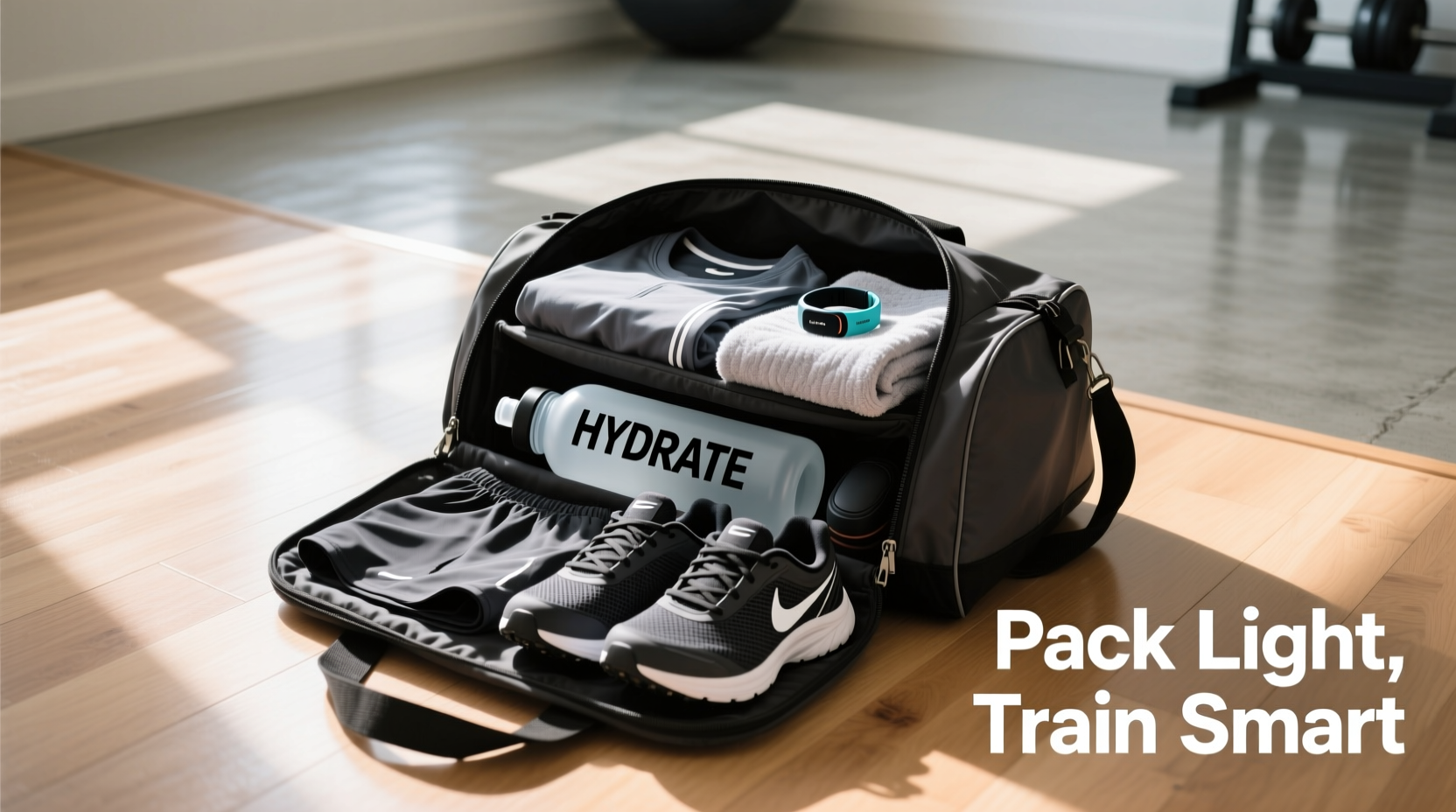
The first step toward efficient packing is eliminating non-essentials. Most gym bags are overstuffed with redundant or rarely used items: extra shoes, multiple outfits, forgotten protein bars, and random accessories. Start by asking: “What do I actually use during or immediately after my workout?”
For most people, the core essentials fall into five categories:
- Clothing: One workout outfit (top, bottom, underwear, socks)
- Footwear: Gym shoes (and possibly flip-flops for showers)
- Hygiene: Deodorant, face wipes, toothbrush, small towel
- Nutrition: Water bottle, maybe a snack or shaker
- Accessories: Phone, headphones, lock, keys
Aim to limit each category to one functional item unless your routine demands otherwise. For example, if you swim once a week, you don’t need swim trunks in your daily bag. Keep those in a separate kit or at home.
Tip: Rotate seasonal items monthly—lighter fabrics in summer, moisture-wicking layers in winter—to avoid overpacking.Choose the Right Bag for Your Routine
No packing strategy works without the right foundation—a well-designed gym bag. Look for features that support efficiency:
- Multiple compartments: Separate spaces for shoes, wet clothes, electronics, and toiletries reduce cross-contamination and speed up access.
- Durable, easy-to-clean material: Nylon or polyester resists odors and wipes clean quickly.
- Ventilated shoe pocket: Keeps dirty soles away from clean clothes and improves airflow.
- Comfortable straps: Padded shoulder straps or backpack-style carry make heavier loads manageable.
Size matters too. A 30–40 liter duffel is ideal for most routines. Larger bags tempt overpacking; smaller ones force tough decisions—which often lead to better habits.
“Efficiency starts with intentionality. The best gym bags aren’t the biggest—they’re the ones that fit exactly what you need, nothing more.” — Jordan Lee, Fitness Lifestyle Coach
Step-by-Step: How to Pack Your Bag in Under 5 Minutes
Follow this sequence to build a consistently efficient gym bag setup:
- Start with the base layer: Place your largest item—the gym shoes—in the bottom or designated shoe compartment. This stabilizes the bag and keeps dirt contained.
- Add clothing next: Fold your workout clothes tightly and place them above or beside the shoes. Use compression cubes or reusable ziplocks to group tops and bottoms together.
- Insert hygiene items: Store deodorant, wipes, and toiletries in a small waterproof pouch. Put this in an exterior zip pocket for quick post-workout access.
- Place nutrition items: Slide in your water bottle into a side sleeve. If bringing a protein shake, secure the lid and wrap it in a cloth to prevent leaks.
- Top it off with essentials: Add your phone, keys, headphones, and wallet in designated pockets. Never toss them loosely into the main compartment.
- Final check: Zip all compartments, ensure nothing is loose, and close the bag completely.
This method ensures weight is evenly distributed, frequently used items are accessible, and hygiene is maintained. With practice, the entire process takes less than five minutes.
Do’s and Don’ts of Gym Bag Packing
| Do’s | Don’ts |
|---|---|
| Use a laundry bag for sweaty clothes | Leave damp clothes in the main compartment |
| Label small bottles (e.g., contact solution) | Carry full-size toiletries |
| Charge devices before packing | Bring unnecessary electronics (e.g., tablet) |
| Wipe down the bag interior monthly | Store food long-term (attracts pests) |
| Keep a checklist taped inside the bag | Overstuff the bag beyond zipping comfortably |
Following these guidelines prevents common issues like odor buildup, lost items, and damaged gear. Remember: consistency beats perfection. Even small improvements compound over time.
Real-World Example: From Cluttered to Streamlined
Take Mark, a 34-year-old project manager who worked out four times a week but dreaded his nightly routine of repacking a bulging duffel. His old bag weighed nearly 15 pounds and included two pairs of shoes, three shirts, a book, a hoodie he never wore, and a half-empty shampoo bottle.
After auditing his usage, Mark realized he only ever wore one outfit per session and showered at home. He removed redundant items, invested in a duffel with a ventilated shoe compartment, and began using labeled dry/wet garment bags. He also started pre-packing his bag every Sunday night.
The result? His bag now weighs under 7 pounds, opens cleanly, and is always ready to go. He saves 10–15 minutes per week and reports feeling more motivated to exercise because the logistics no longer feel burdensome.
Tip: Pre-pack your bag during off-peak hours (e.g., Sunday evening) to eliminate decision fatigue during busy weekdays.Create a Custom Packing Checklist
Everyone’s routine differs slightly. Customize this checklist based on your schedule, facility amenities, and personal preferences.
Gym Bag Packing Checklist
- ✅ Workout clothes (top, bottom, socks, underwear)
- ✅ Athletic shoes
- ✅ Flip-flops or shower sandals
- ✅ Reusable water bottle
- ✅ Small towel or sweat cloth
- ✅ Toiletry kit (deodorant, toothbrush, face wipes)
- ✅ Phone + headphones
- ✅ Gym membership card or access key
- ✅ Lock (if locker required)
- ✅ Pre-workout snack or protein shaker (optional)
- ✅ Laundry bag for used clothes
- ✅ Spare mask (if required)
Print this list or save it digitally. Tape a copy inside your bag as a visual reminder. Cross items off mentally as you pack to avoid last-minute panic.
Manage Moisture and Odor Proactively
Sweat and humidity are the biggest enemies of a clean gym bag. Damp towels, wet swimsuits, or sweaty shoes left inside create breeding grounds for bacteria and mildew.
To combat this:
- Always remove wet items immediately after your workout.
- Use a microfiber towel—it dries faster than cotton and takes up less space.
- Let your bag air out overnight. Unzip all compartments and leave it open in a well-ventilated area.
- Place a moisture-absorbing sachet (like silica gel or bamboo charcoal) in the main compartment.
Once a month, wipe down the interior with a diluted vinegar solution or disinfectant wipe. This simple habit extends the life of your bag and keeps it smelling fresh.
“Odor control isn’t about covering smells—it’s about preventing them. Ventilation and separation are your best tools.” — Dr. Lena Torres, Microbiologist & Wellness Consultant
Frequently Asked Questions
How often should I wash my gym bag?
Spot clean spills or sweat stains weekly. Perform a full wipe-down monthly. If your bag is machine-washable (check the label), wash it on gentle cycle once every 2–3 months. Always air dry completely before reuse.
Should I pack different items for morning vs. evening workouts?
Yes. Morning workouts may require fewer hygiene products since you’ve just showered. Evening sessions often need deodorant, a fresh shirt, and perhaps makeup wipes. Adjust your checklist accordingly to avoid redundancy.
What’s the best way to carry liquids without leaks?
Use leak-proof containers with locking lids. Place liquids in sealed silicone bags or dedicated wet pockets. Store them upright and away from electronics. Test new bottles at home before trusting them in your bag.
Final Thoughts: Efficiency Is a Habit, Not a One-Time Fix
Packing a gym bag efficiently isn’t about finding the perfect organizer or buying the latest gadget. It’s about building a repeatable system grounded in honesty—what do you really need?—and consistency—can you maintain this routine week after week?
When your bag reflects your actual usage, not imagined scenarios, everything becomes easier. You move faster, think clearer, and show up more prepared—not just for the gym, but for the rest of your day.
Start tonight. Empty your bag completely. Assess each item. Ask whether it serves a real purpose. Then rebuild it using the steps outlined here. Do this once, and you’ll see the difference. Do it consistently, and it will transform your daily rhythm.
💬 Ready to simplify your fitness routine? Audit your gym bag today and share your before-and-after tips in the comments below. Let’s build smarter habits together.








