In 2025, the freelance economy is more competitive than ever. With remote work normalized and digital platforms saturated, standing out requires more than just a polished portfolio. Cold email outreach remains one of the most effective ways to land high-value clients—when done right. Unlike social media or job boards, cold email gives you direct access to decision-makers, allowing you to control the narrative and pitch your services on your terms. But success doesn’t come from blasting generic templates. It comes from precision, personalization, and persistence. This guide breaks down the exact strategies freelancers need to turn cold emails into consistent client acquisition channels.
1. Build a Targeted Prospect List That Converts
The foundation of any successful cold email campaign is knowing exactly who you’re emailing. Spray-and-pray tactics are obsolete. In 2025, algorithms and spam filters penalize low-engagement emails, and recipients can instantly detect impersonal pitches. Instead, focus on building a hyper-targeted list of prospects who genuinely need your service.
Start by identifying industries where your skill set solves recurring pain points. For example, if you're a UX designer, target SaaS startups preparing product launches. If you're a copywriter, focus on e-commerce brands scaling their ad spend. Use tools like LinkedIn Sales Navigator, Apollo.io, or Hunter.io to find contact details and gather insights about company size, recent funding, or growth indicators.
Tip: Prioritize companies that recently raised funding, launched a new product, or posted about hiring challenges—they’re more likely to outsource.Once you have a list, segment it based on role, industry, and urgency. A founder will care about speed and results; a marketing manager may prioritize ROI and integration. Tailor your messaging accordingly.
2. Craft Emails That Get Opened and Replied To
Your subject line and opening sentence determine whether your email gets read or deleted. The average professional receives over 120 emails per day. To break through, your message must be relevant, concise, and intriguing—not salesy.
A winning cold email follows a simple structure:
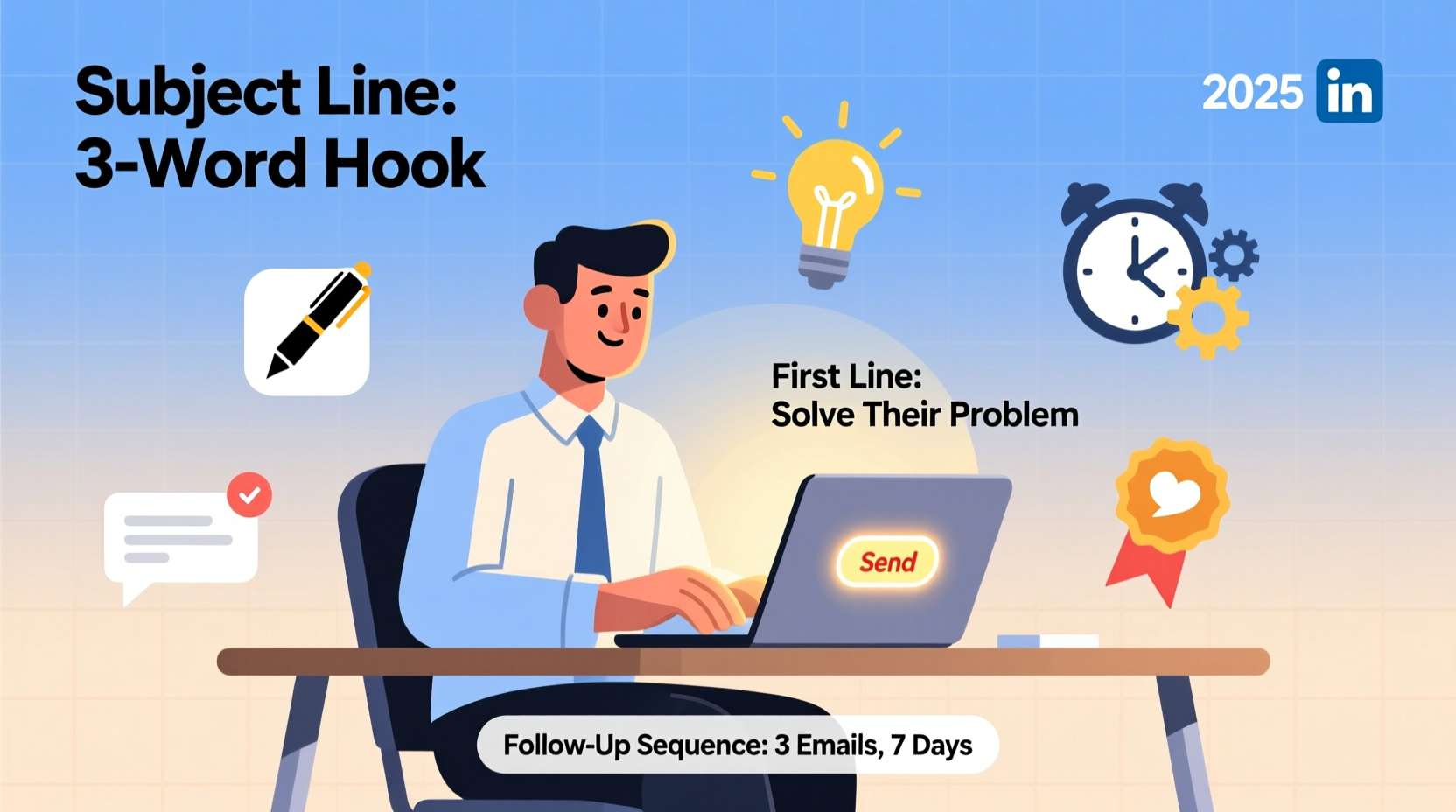
- Subject Line: Curiosity-driven or benefit-focused (e.g., “Quick idea to improve your landing page conversion”)
- Opening Hook: Reference something specific about their business (e.g., “I noticed your recent feature in TechCrunch—congrats on the traction!”)
- Pain Point + Solution: Briefly state a challenge they likely face and how you’ve solved it before
- Call to Action: Propose a next step (e.g., a 10-minute call, a free audit)
Avoid flattery or vague claims like “I’m the best at what I do.” Instead, focus on outcomes. Clients don’t buy services—they buy results.
| Do’s | Don’ts |
|---|---|
| Personalize using company news or public content | Use generic greetings like “Dear Sir/Madam” |
| Keep emails under 100 words | Attach portfolios or PDFs upfront |
| Include a single, clear CTA | Ask multiple questions or offer too many services |
| Reference mutual connections or shared interests | Overuse emojis or exclamation marks!!! |
“Cold email isn’t about selling—it’s about starting a conversation. The most effective messages feel like a helpful note from someone who did their homework.” — Sarah Lin, Freelance Growth Strategist & Ex-Outreach Lead at Webflow
3. Optimize Timing, Follow-Up, and Delivery Rates
Sending the perfect email at the wrong time means missed opportunities. Research shows the best days to send cold emails are Tuesday, Wednesday, and Thursday, with optimal windows between 8–10 AM and 1–3 PM local time of the recipient.
But timing is only part of the equation. Most responses happen *after* the first follow-up. Yet 70% of freelancers send only one email. In 2025, automated sequences are essential—but they must feel human.
A typical follow-up sequence looks like this:
- Email 1: Initial outreach (sent Tuesday morning)
- Email 2: Gentle reminder + added value (e.g., “I put together a quick tip based on your site—let me know if you’d like it”) – sent Thursday
- Email 3: Breakup email (“If you’re not interested, I’ll stop bothering you—just let me know so I can move on”) – sent following Tuesday
Space each email 3–4 days apart. Never exceed four total touches. After that, pause and revisit the lead in 4–6 weeks with a new angle.
Tip: Warm up your email domain using tools like Lemlist or SmartWriter to avoid being flagged as spam.To maximize deliverability, use a custom domain email (e.g., hello@yourname.com), avoid spam trigger words (“free,” “guarantee,” “no cost”), and keep image-to-text ratios low. Tools like Mailchimp, Gmail, or Outlook are fine for small-scale efforts, but for serious volume, consider dedicated cold email platforms like Woodpecker or Lemlist that monitor bounce rates and optimize sending patterns.
4. Real Example: How a Copywriter Landed a $5,000 Project
Jamie Rivera, a freelance B2B copywriter based in Portland, struggled to land clients through Upwork. After studying cold email frameworks, she decided to target early-stage SaaS founders on LinkedIn.
She identified 50 companies that had raised seed funding in the past six months. Using Hunter.io, she found their founder emails. Her subject line: “One way to reduce churn on your onboarding flow.”
The email body read:
Hi Alex,
Congrats on the recent raise—I saw the announcement on LinkedIn. Impressive traction.
I help SaaS teams like yours reduce user drop-off during onboarding with clearer copy. Last month, I rewrote the activation emails for a startup similar to yours and helped them boost completed signups by 38%.
If you’re open to it, I’d love to send over a free 3-point audit of your current onboarding emails—no strings. Just actionable ideas.
Best,
Jamie
She followed up twice: once after four days with a link to a public case study, and again after eight days with a breakup line. Out of 50 emails, 14 opened, 6 replied, and one led to a $5,000 contract. Within three months, she built a pipeline of six retainer clients using the same method.
The key? She didn’t sell her service upfront. She offered value first and positioned herself as a problem-solver, not a vendor.
5. Essential Cold Email Checklist for Freelancers in 2025
Before launching your next campaign, run through this checklist to ensure maximum effectiveness:
- ✅ Researched each prospect’s company, role, and recent activity
- ✅ Used a personalized subject line tied to their business
- ✅ Kept the email under 100 words with a single CTA
- ✅ Avoided attachments and spam-trigger language
- ✅ Set up a 3-email follow-up sequence spaced 3–4 days apart
- ✅ Verified email addresses using a finder tool
- ✅ Sent from a professional domain-based email address
- ✅ Tracked opens and replies with a CRM or email tracking tool
- ✅ Tested different CTAs (e.g., “Can I send you a quick tip?” vs. “Are you open to outsourcing this?”)
- ✅ Reviewed and refined messaging based on reply data
This checklist ensures consistency and helps you avoid common pitfalls that sink otherwise strong campaigns.
FAQ: Common Questions About Cold Email Outreach
Is cold emailing still effective in 2025?
Yes—when done strategically. With automation tools, AI-assisted personalization, and better targeting, cold email has evolved. Response rates of 15–25% are achievable with well-researched, value-first messaging. However, mass spam tactics no longer work due to improved spam filters and user awareness.
How many cold emails should I send per day?
Start with 20–30 highly targeted emails per day. Quality beats quantity. Sending more than 50/day from a new domain can trigger spam flags. As your sender reputation builds, you can scale to 100–150/day using warm-up tools and dedicated platforms.
What should I do if I get no replies?
If you’re getting zero opens or replies, review your subject lines, targeting, and email deliverability. Test different hooks and CTAs. Often, the issue isn’t the offer—it’s the relevance. Try reaching out to a smaller, more focused niche and refine your messaging based on feedback.
Conclusion: Turn Cold Emails Into Your Client Pipeline Engine
Mastery of cold email outreach in 2025 isn’t about volume or aggressive sales tactics. It’s about positioning yourself as a trusted advisor who solves real problems. The freelancers who thrive are those who combine research, empathy, and follow-through to build relationships—one thoughtful email at a time.
You don’t need a huge network or a viral personal brand. You need a repeatable system: identify the right people, craft a compelling message, follow up with value, and iterate based on results. Whether you’re a designer, developer, writer, or consultant, cold email gives you the power to create opportunities on your own terms.
🚀 Ready to start? Pick five ideal clients today, research them deeply, and send your first high-intent cold email. Track the result—and do it again tomorrow.








